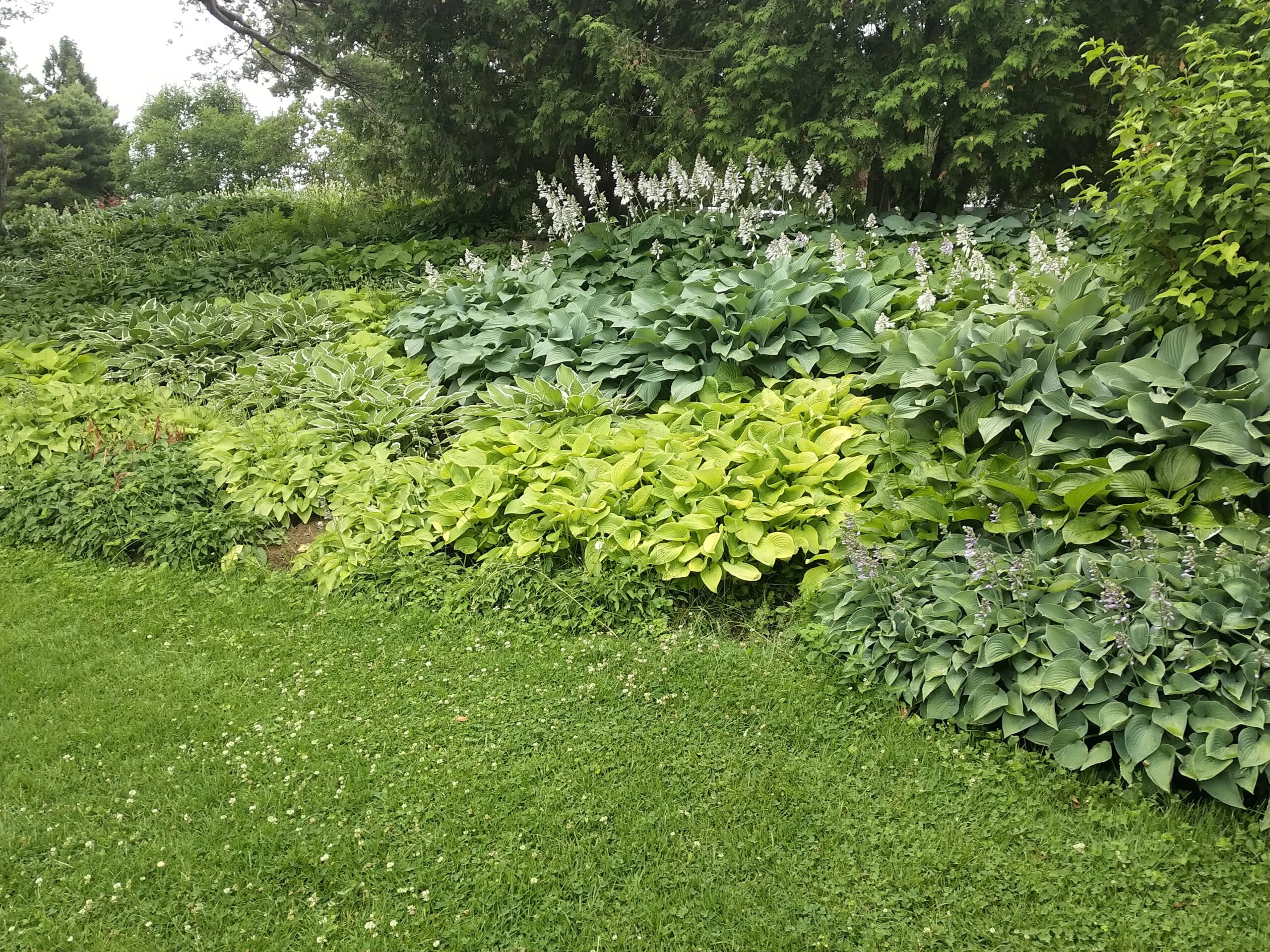
Mastering Hostas: Expert Tips for Thriving Plants and Stunning Garden Displays
Discover how to grow and care for hostas, the ultimate shade‑loving perennial. Learn top varieties, planting tips, and design ideas for a beautiful garden.
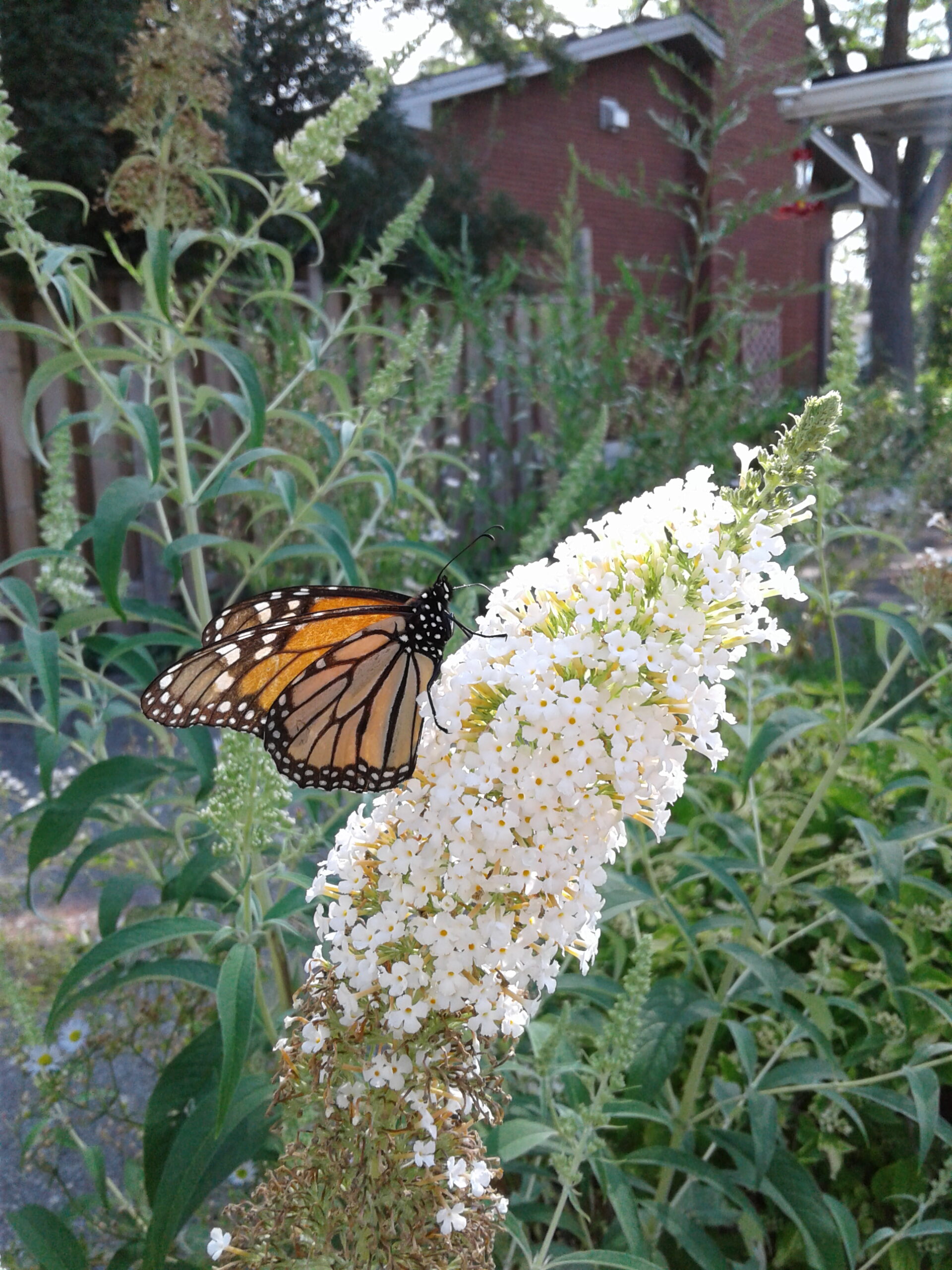
Learn about Buddleja davidii—its history, meaning, landscape uses, quirks, pests, diseases, and why this butterfly magnet became one of the most widely planted flowering shrubs since the 1890s.
Learn all about Salix purpurea ‘Nana’—a compact, colourful willow perfect for Canadian landscapes. Discover its care needs, how to coppice it, best landscape uses, and potential pests and diseases.
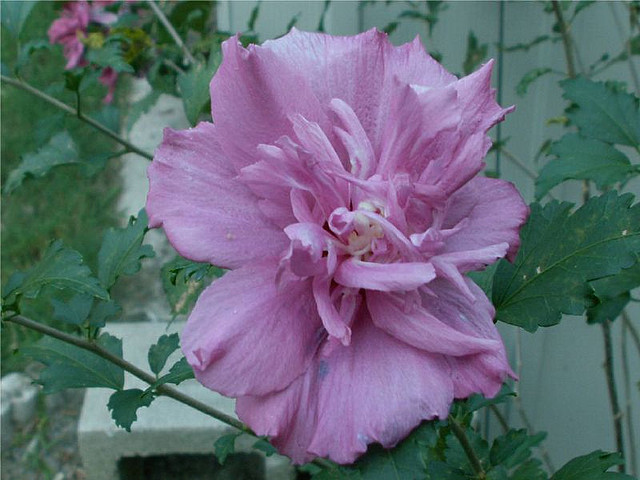
Discover why Hibiscus syriacus (Rose of Sharon) is one of the best late flowering woody plants for Canadian gardens. Learn about its colours, forms, pruning needs, fertility issues, and how to grow it successfully.
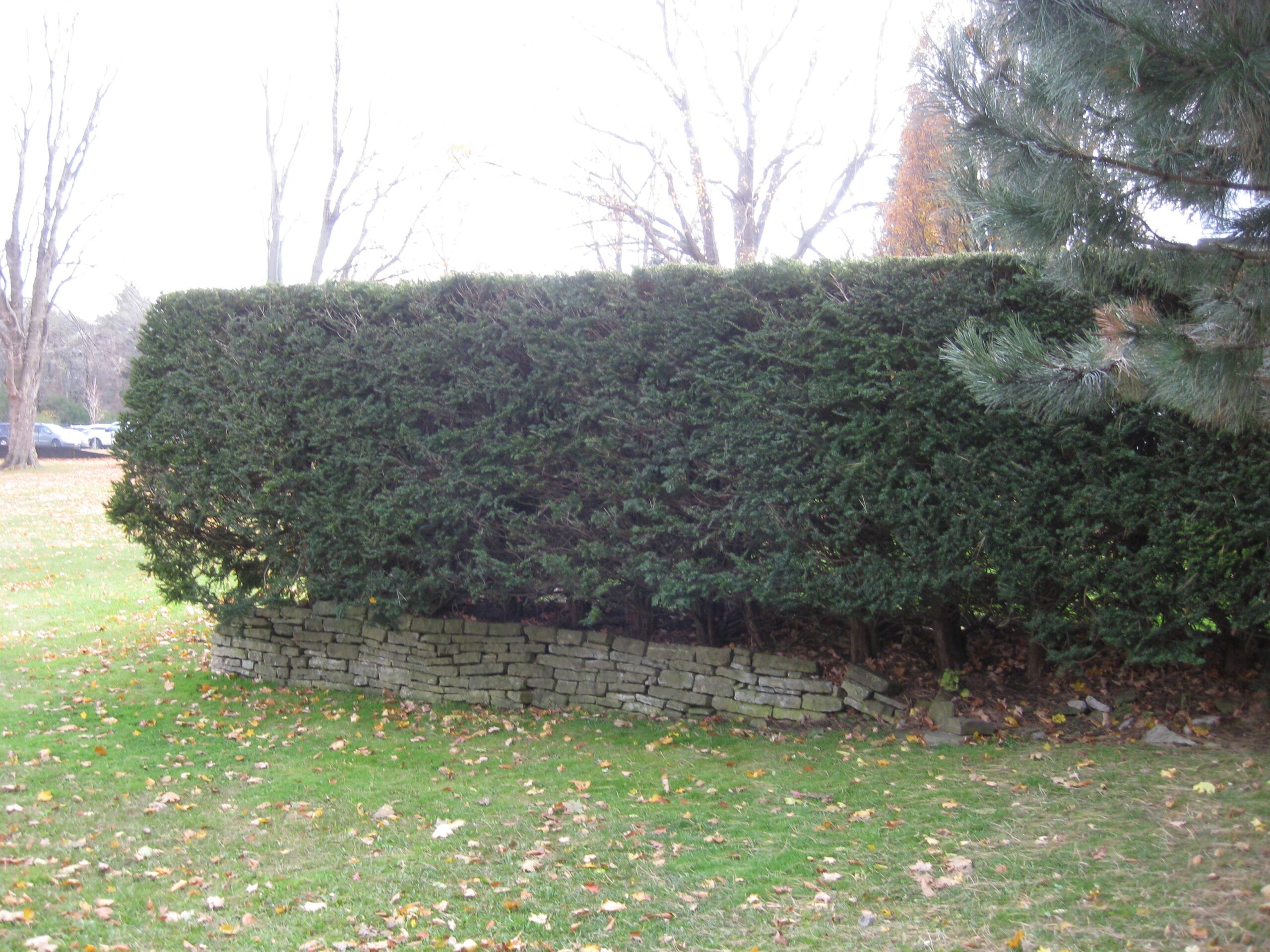
Explore the history, meaning, care, and landscape uses of Taxus × media ‘Densiformis’—one of the most reliable evergreen shrubs in Canadian horticulture. Learn how to grow it, how to use it, and why this hybrid yew has been a landscape favourite for decades.
Discover the history, care tips, landscape uses, and fun facts about Taxus cuspidata ‘Capitata’ (Upright Japanese Yew). Learn why this hardy evergreen has been a Canadian landscape favourite for over a century—and how to grow it successfully in your own garden.
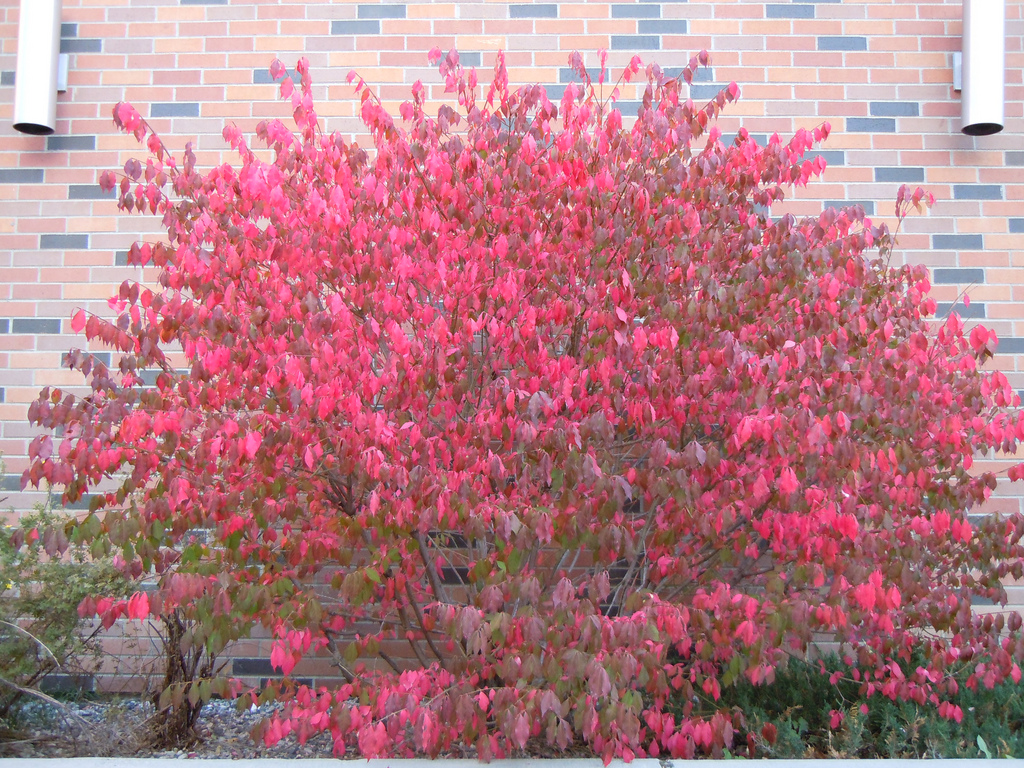
Euonymus alatus, commonly known as burning bush, is a popular yet invasive landscape shrub in Canada. Learn about its origins, ecological impact, landscape uses, fun facts, and how to grow it responsibly.
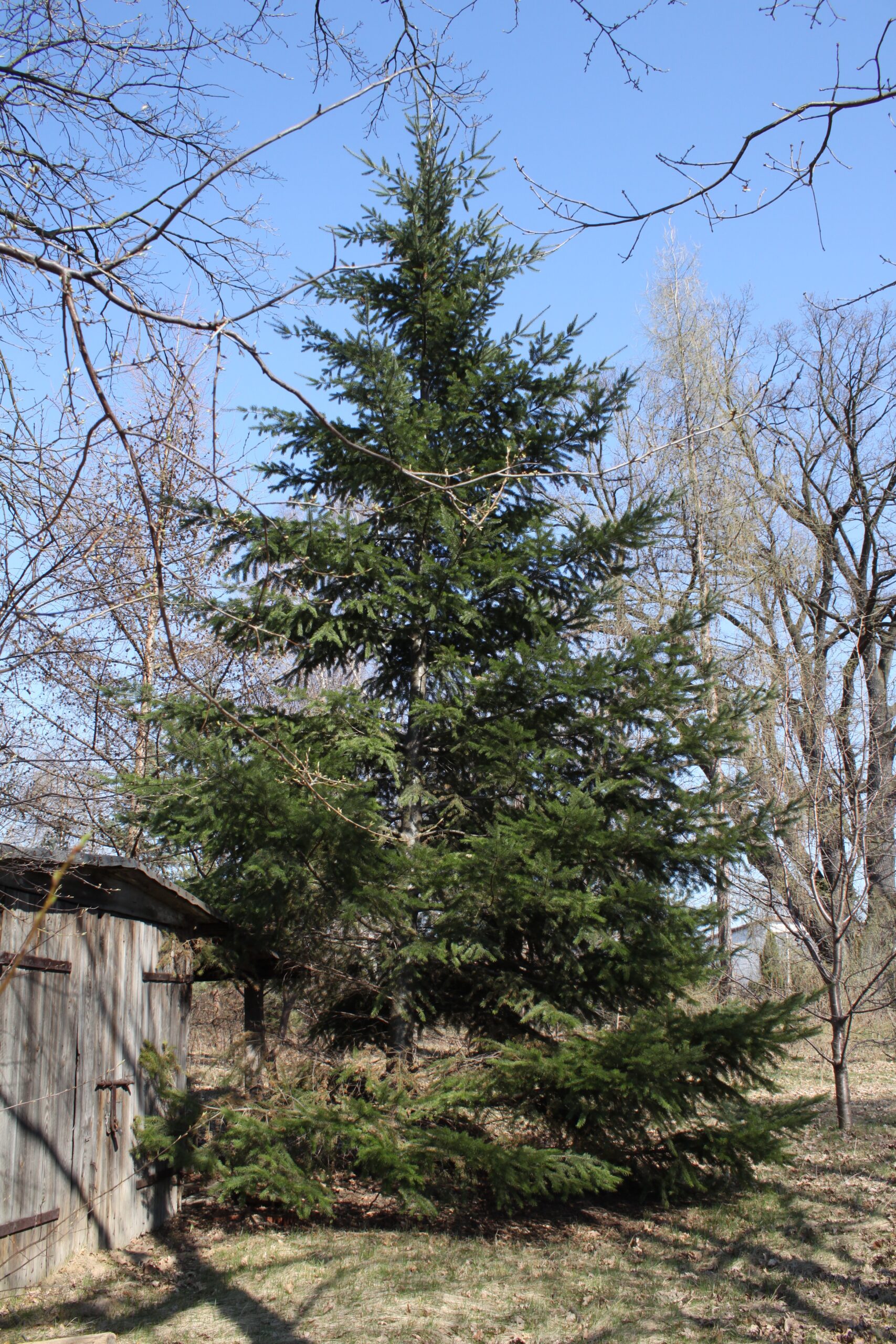
Douglas‑fir (Pseudotsuga menziesii) and its hardy cousin, Pseudotsuga menziesii var. glauca, are two of the most underrated evergreen trees for Ontario landscapes. Known for their soft needles, elegant form, and impressive year‑round colour, these conifers thrive when planted in the right location. The Rocky Mountain variety, in particular, offers exceptional cold hardiness and adaptability, making it a strong alternative to common spruces and pines. In this post, we explore where Douglas‑fir performs best in Ontario, the pests and diseases to watch for, and a few fun pieces of trivia—including why this iconic tree isn’t actually a true fir.
Abies concolor, or White Fir, brings soft blue‑green needles and a clean citrus fragrance to Ontario landscapes. Hardy to Zone 3 and tolerant of drought once established, it thrives in well‑drained, slightly acidic soils and full sun. Its low pest pressure—limited mainly to issues like adelgids, budworms, and occasional root rot in wet soils—makes it a reliable, underused alternative to blue spruce.
Discover Picea glauca (White Spruce), a hardy native evergreen ideal for privacy, windbreaks, and natural landscapes. Learn its care needs, pests, and top cultivars—and book a free landscape consultation.