Introduction: A Shrub That Took the Gardening World by Storm
Few flowering shrubs have influenced ornamental horticulture as profoundly as Buddleja davidii, commonly known as Butterfly Bush, Orange‑Eye, or Summer Lilac. Introduced to Western horticulture in the late 1800s after being sent from China to Europe, it quickly became a staple of Victorian gardens and has remained a favourite ever since.
Native to central and western China, this shrub was first collected by Father Armand David, whose name the species now carries.
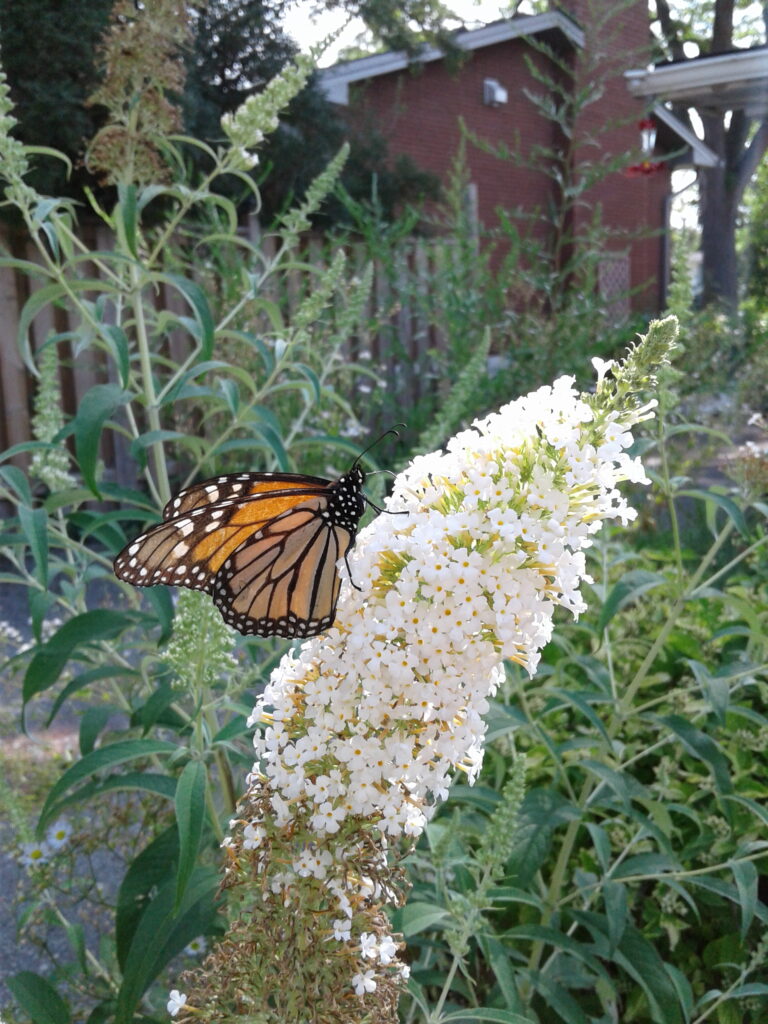
What the Name Means
- Buddleja — named after the English botanist Adam Buddle.
- davidii — named for the French missionary and naturalist Father Armand David, who first reported the shrub to Europe.
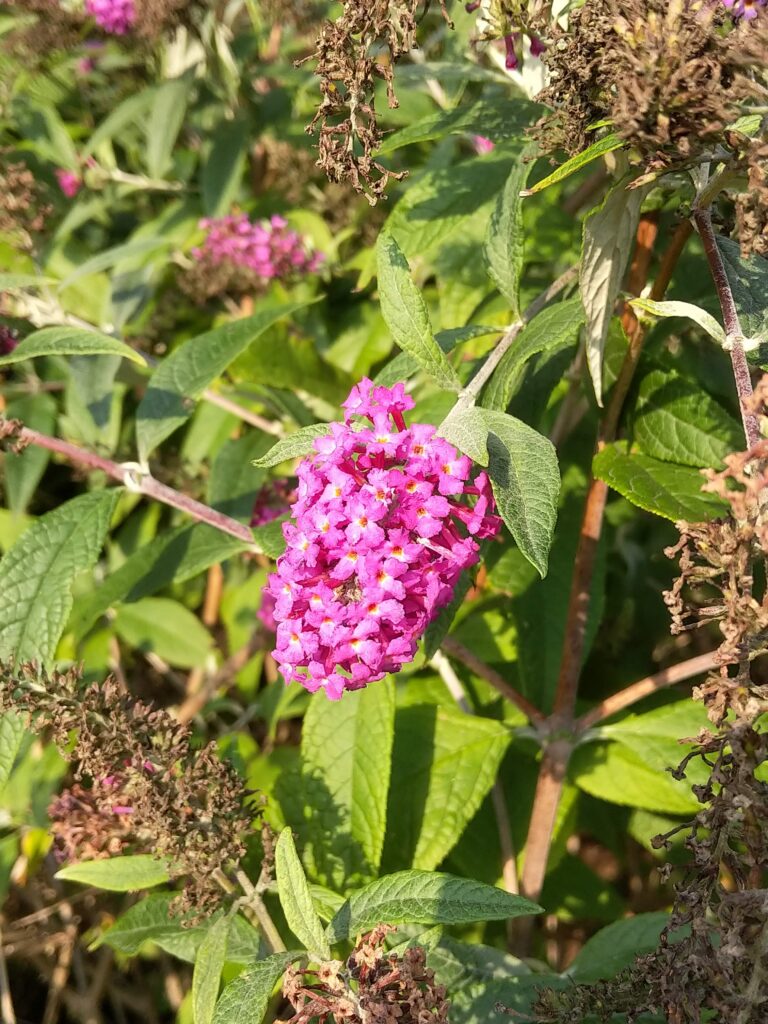
When Buddleja davidii Entered the Landscape Trades
Seeds collected by Armand David in 1869/1870 and by botanist Augustine Henry in 1887 were sent to European botanic gardens, and by the 1890s the species officially entered the nursery trade—particularly through the Veitch Nursery and Vilmorin in France.
By 1898, it had already earned the RHS Award of Merit, confirming its rapid horticultural rise.
Why Buddleja davidii Works So Well in the Landscape
🌞 1. Blooms for Months
It flowers from mid‑summer to early fall, often continuing until frost.
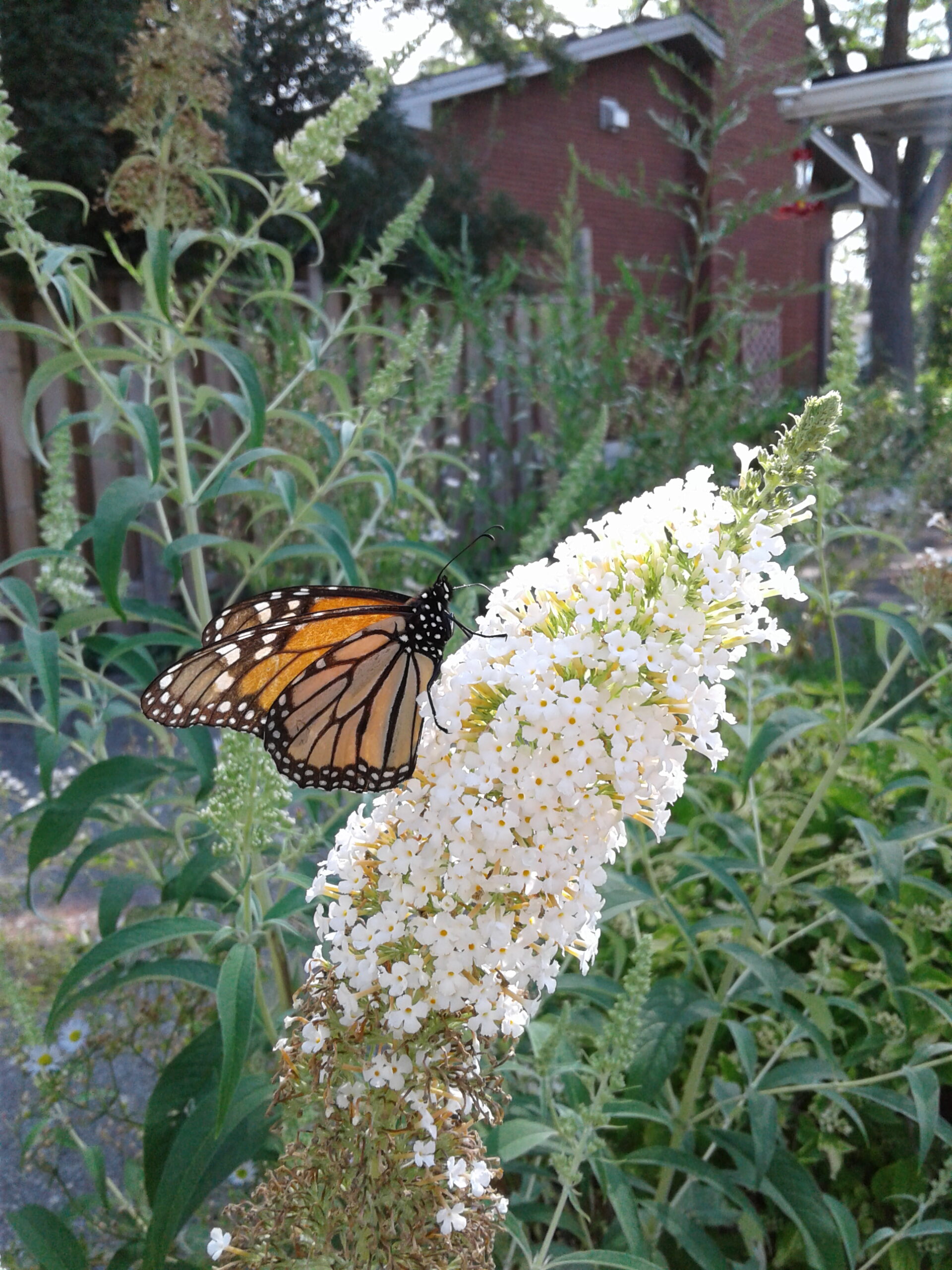
🦋 2. A Pollinator Magnet
Its nectar‑rich flowers draw butterflies, bees, and hummingbirds.
🌱 3. Fast Growing & Forgiving
Capable of growing 2–3 ft per season, it establishes quickly and can bloom even after being cut back by frost. Although it is not tremendously cold hardy. Best results come from hilling the plants as you would a rose.
🌿 4. Thrives in Poor Conditions
It tolerates drought, disturbed soils, heat, and urban environments.
🌈 5. Colour Variety
Cultivars range across purple, lilac, white, pink, red, yellow, and blue tones.
These strengths made it a favourite for:
- Mixed borders
- Pollinator gardens
- Naturalized areas
- Cottage gardens
- Urban landscapes
Quirky & Interesting Things About Buddleja davidii
It self‑seeds… aggressively.
The species produces huge quantities of wind‑dispersed seed and can naturalize rapidly in disturbed areas. In fact it is considered invasive.
It can grow almost anywhere.
It pops up in quarries, walls, gutters, railways, and waste grounds across Europe and North America.
It can bloom even after being cut to the ground.
Frost damage rarely stops it from flowering that same summer.
Some cultivars are sterile.
Newer sterile or low‑seed varieties have been introduced to reduce invasiveness.
Pests & Diseases
Although often considered hardy, Buddleja davidii can encounter problems.
Common Diseases
- Leaf spot (Cladosporium)
- Botrytis blight
- Downy mildew
- Root rot (Pythium, Phytophthora, Phoma)
- Cucumber Mosaic Virus (CMV)
Common Pests
- Spider mites (especially in hot, dry periods)
- Aphids (virus vectors)
Environmental Issue: Invasiveness
In several regions (UK, New Zealand, parts of the U.S. and Ontario), B. davidii is classified as a noxious or regulated weed due to aggressive seeding.
Buddleja davidii Care & Maintenance
Light
Full sun (6–8 hours) for best bloom.
Soil
Well‑drained soil; tolerates poor or sandy soils.
Water
Low–moderate once established; drought tolerant.
Pruning
Prune in early spring after frost—heavy pruning encourages vigorous new flowering wood.
Spacing
Allow room—many cultivars grow 6–12 ft tall and wide.
Landscape Uses
- Pollinator gardens
- Large borders
- Urban landscapes
- Naturalized areas
- Fast‑establishing screens
- Seasonal focal points
- Cottage‑style gardens
Its long, colourful blooms add vertical ribbons of colour that carry landscapes into autumn.
FACT SHEET — Buddleja davidii
| Category | Details |
| Common Names | Butterfly Bush, Summer Lilac, Orange‑Eye |
| Origin | Central & Western China |
| Introduced to Horticulture | 1890s (Europe), late 19th century (North America) |
| Height/Width | 5–12 ft tall, 4–10 ft wide (varies by cultivar) |
| Bloom Time | Mid‑summer to frost |
| Flower Colours | Purple, pink, white, red, yellow, violet, blue |
| Wildlife Value | Attracts butterflies, bees, hummingbirds |
| Pests | Spider mites, aphids |
| Diseases | Downy mildew, root rot, leaf spot, CMV |
| Invasiveness | Invasive in many regions; sterile cultivars preferred |
Conclusion
Buddleja davidii is a plant of contrasts: breathtakingly beautiful, ecologically valuable to pollinators, yet vigorous enough to naturalize aggressively in some climates. Its long flowering season, fragrance, and hardy nature earned it a permanent place in the landscape trades since the 1890s—and even today, new sterile cultivars keep this iconic plant relevant in modern gardens.
If you’d like help choosing the right Buddleja variety or integrating it into a planting plan, we’d be happy to help.