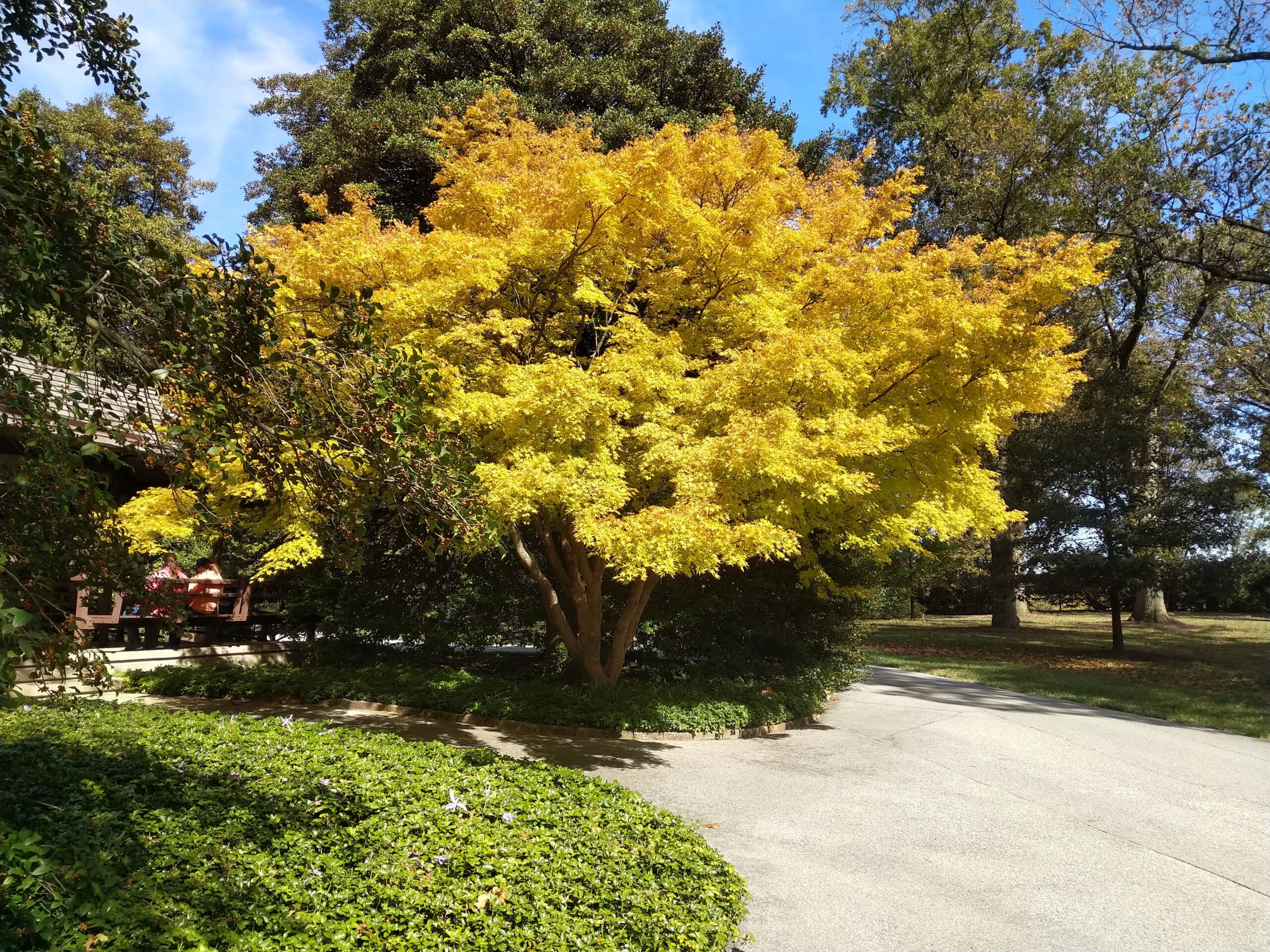
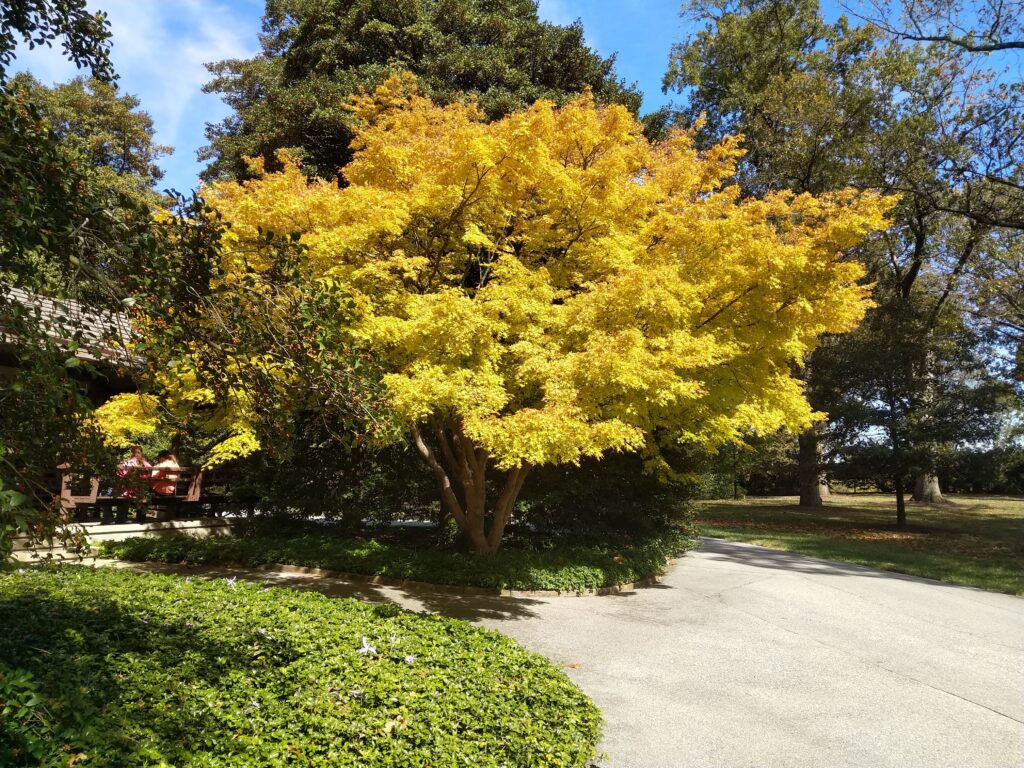
Few ornamental trees capture the imagination quite like the Japanese maple (Acer palmatum). With its refined structure, delicate foliage, and remarkable seasonal colour shifts, it has become a favourite feature in gardens across Ontario—despite its origins being half a world away.
A Brief Origin Story — How Japanese Maples Found a Home in Ontario
Originally native to Japan, Korea, and parts of China, Acer palmatum has been cultivated for centuries for its elegance and diversity. Its introduction to North American horticulture began in the late 1800s, and it quickly became a coveted ornamental specimen.
Ontario gardeners embraced the species thanks to:
- Adaptability to cooler climates (many cultivars thrive in Zones 5–6, common across Southern Ontario)
- Manageable size, ideal for urban and suburban lots
- Exceptional colour and form, offering something distinct from native maples
Today, you’ll find Japanese maples in residential gardens, commercial landscapes, botanical collections, and public spaces throughout the province.
Growing and Caring for Acer palmatum in Ontario
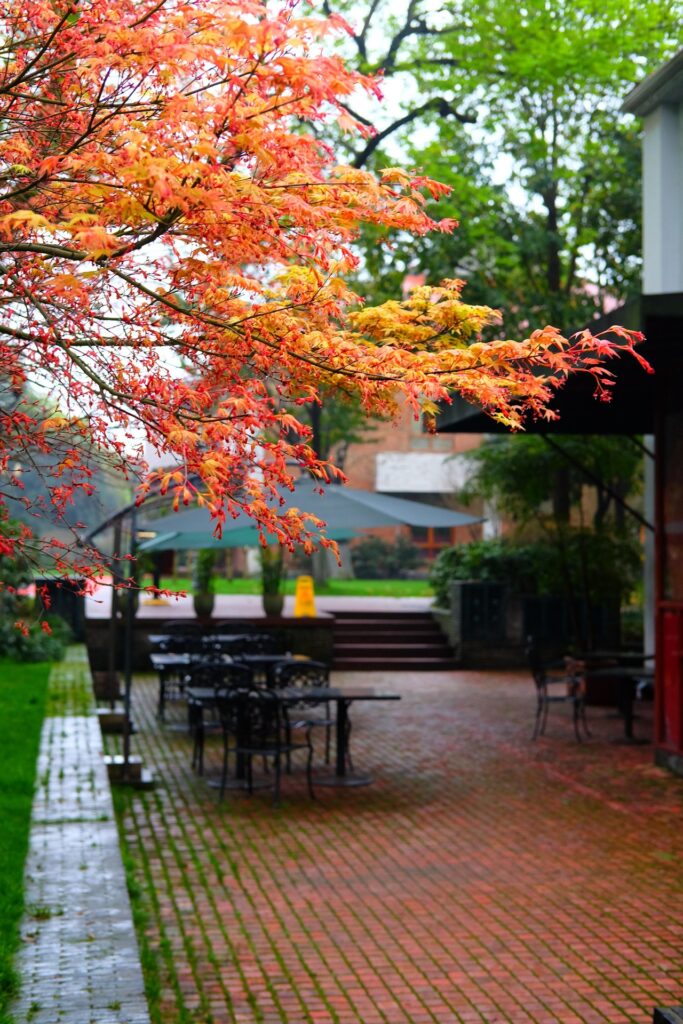
While Acer palmatum is not difficult to grow, it does appreciate a bit of thoughtful care—especially in Ontario’s sometimes unpredictable climate.
- Light Conditions
Most cultivars thrive in partial sun to dappled shade.
- Red-leaf types often hold colour better with some direct sun.
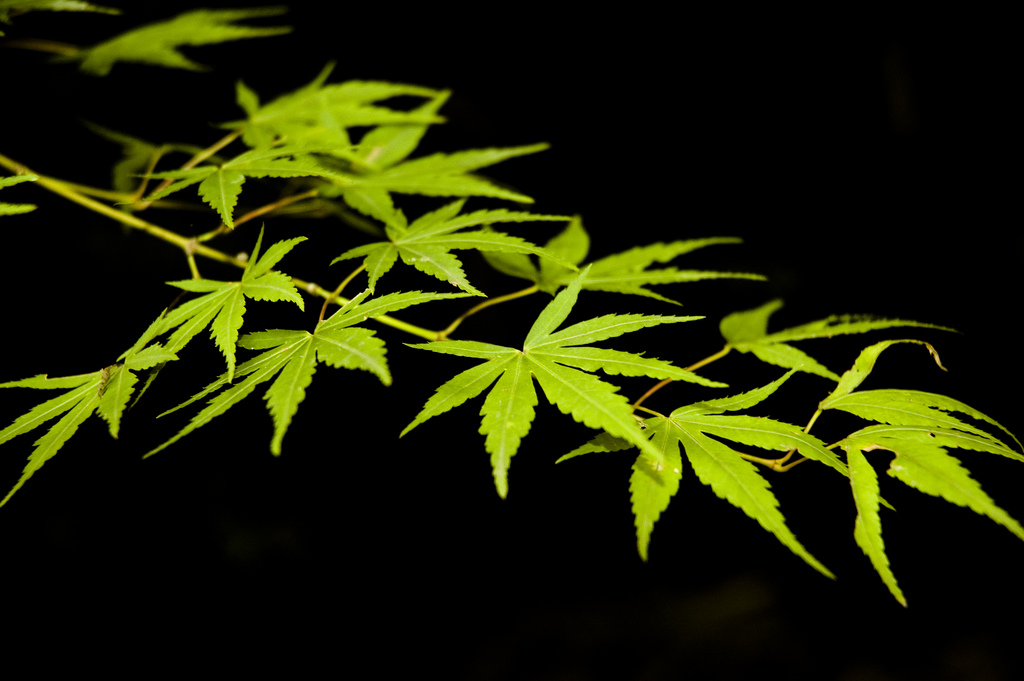
- Delicate laceleaf varieties prefer afternoon shade to avoid leaf scorch.
- Soil
Japanese maples love:
- Moist, well-drained soil
- Slight acidity
- Organic matter
Avoid heavy clay unless amended, as poor drainage can lead to root decline.
- Water
Consistent moisture is key—especially during hot, dry spells.
Young trees need regular watering until established.
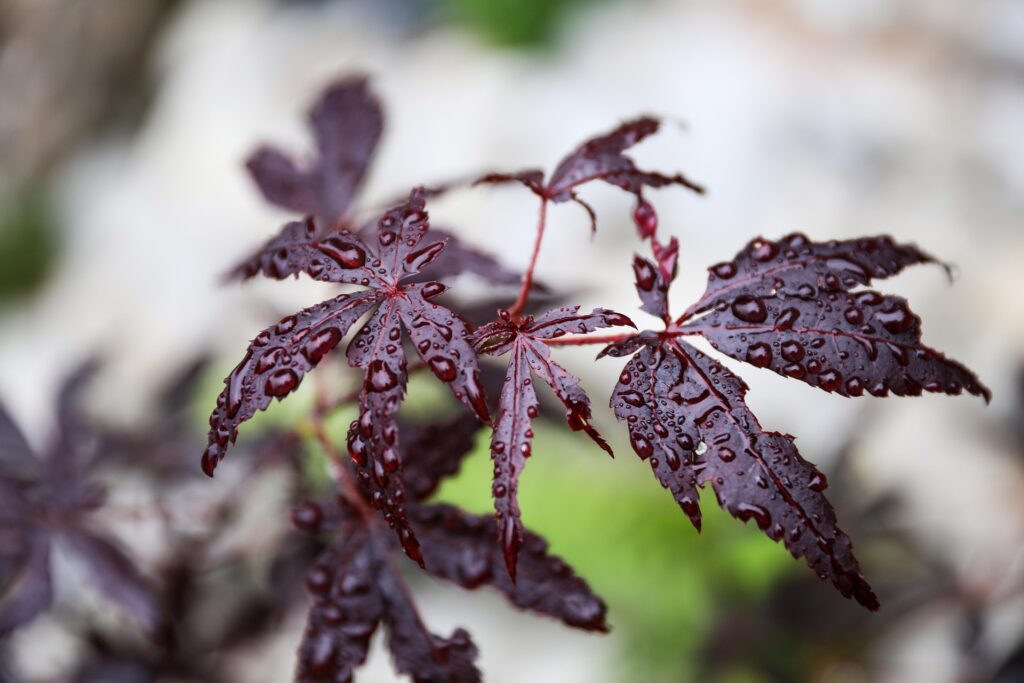
- Winter Protection
Although hardy, they benefit from:
- A mulch layer over the root zone
- Shelter from harsh winter winds
- Avoiding southwest exposures, which can cause bark cracking during freeze-thaw cycles
-
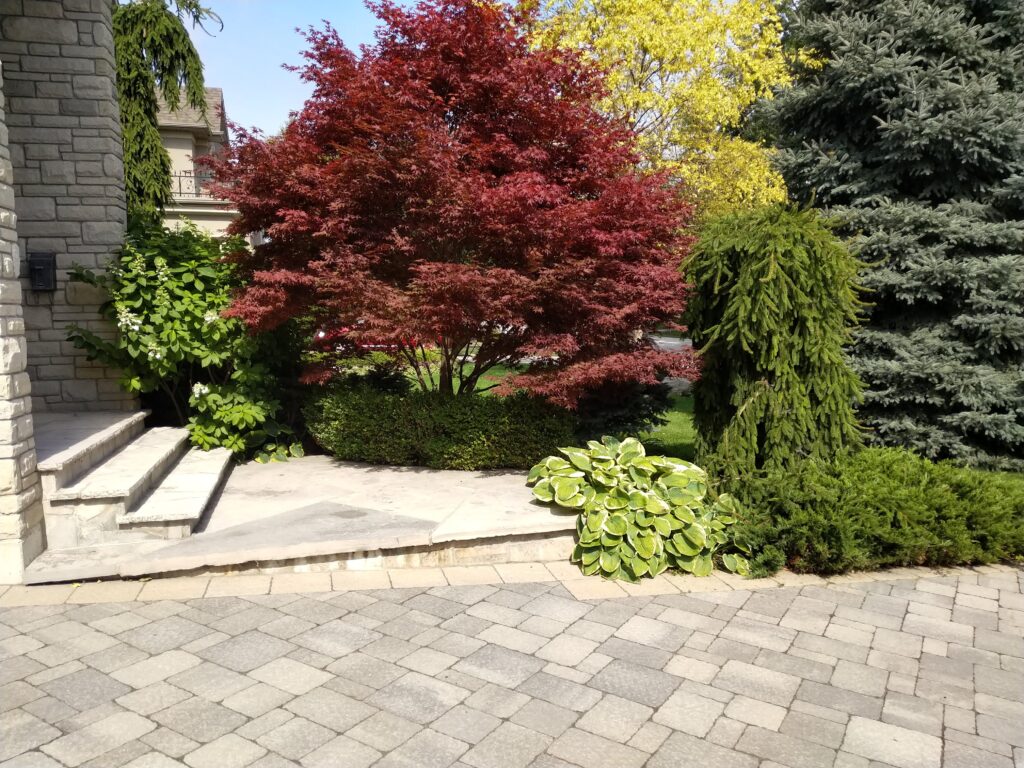
Prune to maintain a healthy form and pleasing shape.
- Pruning
Minimal pruning is best. Shape lightly in late winter or midsummer, avoiding heavy cuts which can trigger dieback.
Having made the previous statement, Matt pollards several of his clients’ Japanese Maples. Matt will be making a post about that process in the next couple of weeks!
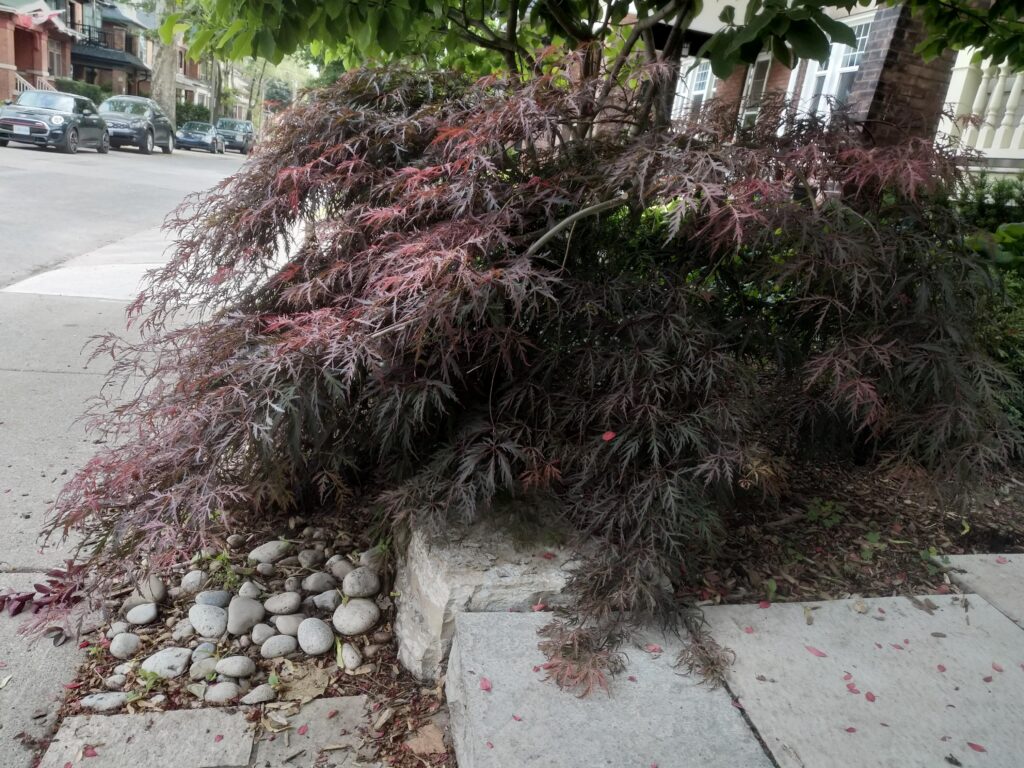
Landscape Uses — Why Designers Love Japanese Maples
Japanese maples are incredibly versatile. They can serve as:
- Specimen trees to anchor a front entry or focal garden
- Patio or courtyard accents in containers
- Understory features in woodland-style gardens
- Soft structural elements in Asian-inspired landscapes
- Colour and texture highlights among evergreens or perennials
Their modest size—often between 2 and 6 metres—makes them ideal for today’s smaller urban lots.
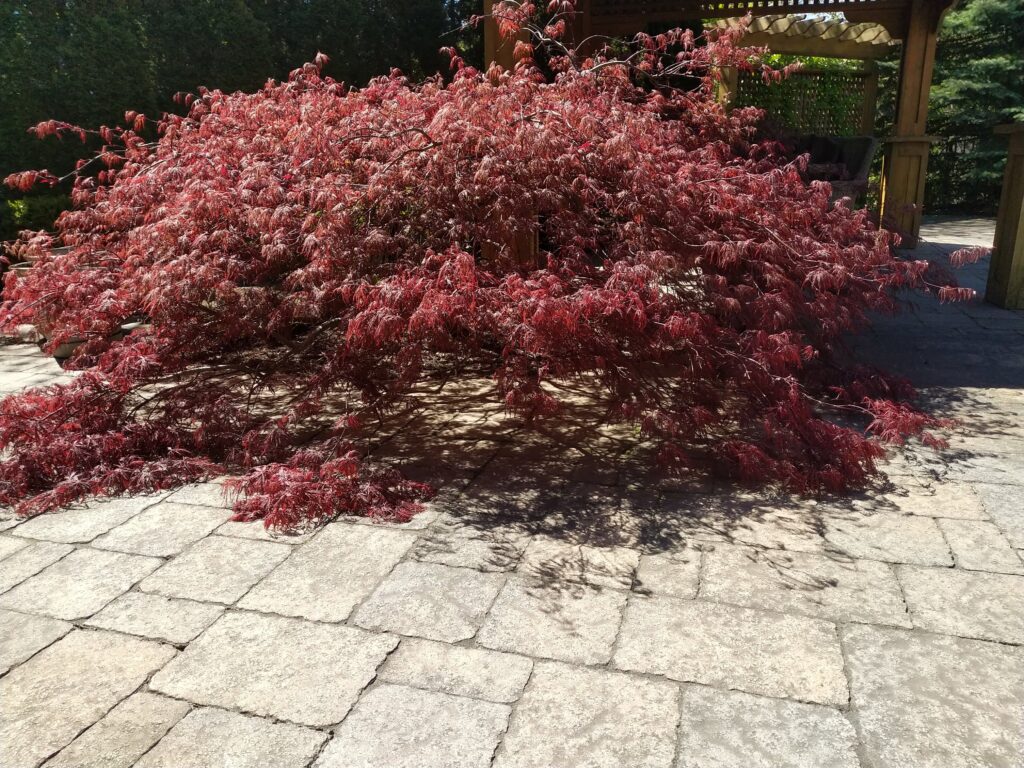
A World of Cultivars — Over a Thousand Forms to Choose From
One of the most fascinating things about Acer palmatum is its astonishing cultivar diversity. There are hundreds—if not thousands—of named varieties, offering differences in:
- Leaf shape
- Colour (spring, summer, and fall)
- Growth habit (upright, weeping, dwarf, mounded)
- Bark colour
- Overall size
Whether you want bold red foliage, fine lace-like leaves, or a compact tree for a tight space, there’s a Japanese maple to match almost any design vision.
Popular Cultivars for Ontario Gardens
Here are a few favourites that consistently perform well in our region:
🍁 ‘Bloodgood’
- Upright form
- Deep red foliage from spring to fall
- Hardy and dependable
One of the most widely planted choices.
🍁 ‘Crimson Queen’
- Weeping, laceleaf type
- Stunning cutleaf foliage with rich red tones
Perfect for foundation plantings and water features.
🍁 ‘Butterfly’
- Variegated green and white leaves with pink edges
- Upright, compact form
A showstopper in partial shade.
🍁 ‘Emporer I’ (or ‘Emperor One’)
- Similar to ‘Bloodgood’ but leafs out later—helpful for avoiding spring frost damage
- Strong red colour and vigorous growth
🍁 ‘Sango-kaku’ (Coral Bark Maple)
- Green-yellow foliage
- Bright coral-red branches that glow in winter
A four-season standout.
🍁 ‘Viridis’
- Green weeping laceleaf
- Beautiful soft texture and excellent fall golden tones
A great option when red foliage isn’t desired.
Your Turn — What’s Your Experience With Japanese Maples?
Do you grow Acer palmatum in your garden?
Have a favourite cultivar that performs well in Southern Ontario?
Thinking of planting one but have questions?
👉 Share your comments, experiences, or questions below—We’d love to hear from you!