Witch hazels are among the most captivating shrubs or small trees in the landscape—offering fragrance, unusual ribbon‑petaled flowers, and exceptional fall or winter interest when most plants are dormant. North Americans know them best for their medicinal uses, but gardeners know them as four-season performers loaded with charm and history.
Below is a guided tour through the three most commonly grown types: the North American native Hamamelis virginiana (common witch hazel), the Ozark-native H. vernalis, and the many hybrid forms of H. × intermedia that shine in winter gardens.
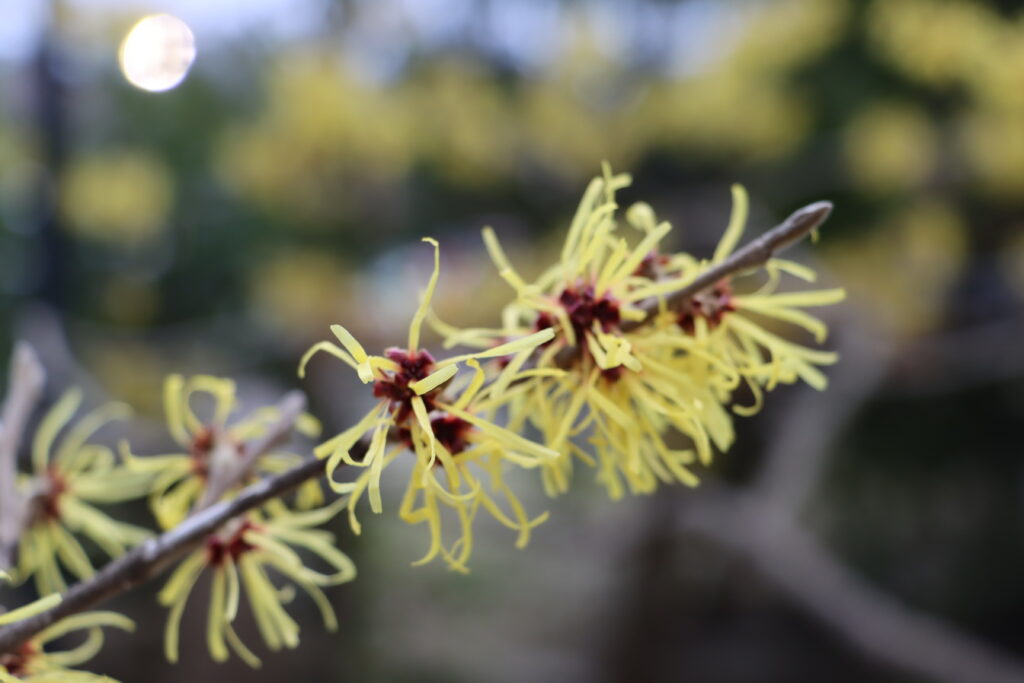
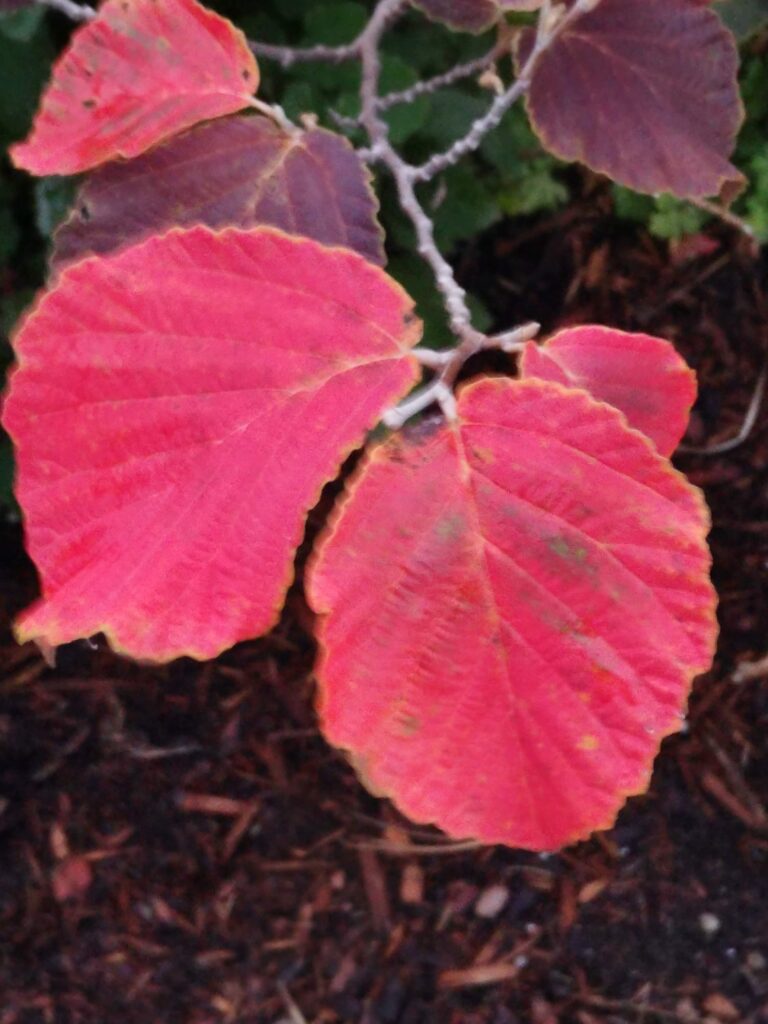
🌿 Hamamelis virginiana — The Native Witch Hazel
Bloom time: Autumn (October–December)
Origin: Eastern North America
Height & spread: 10–20 ft tall; 10–15 ft wide
Fragrance: Light to moderate
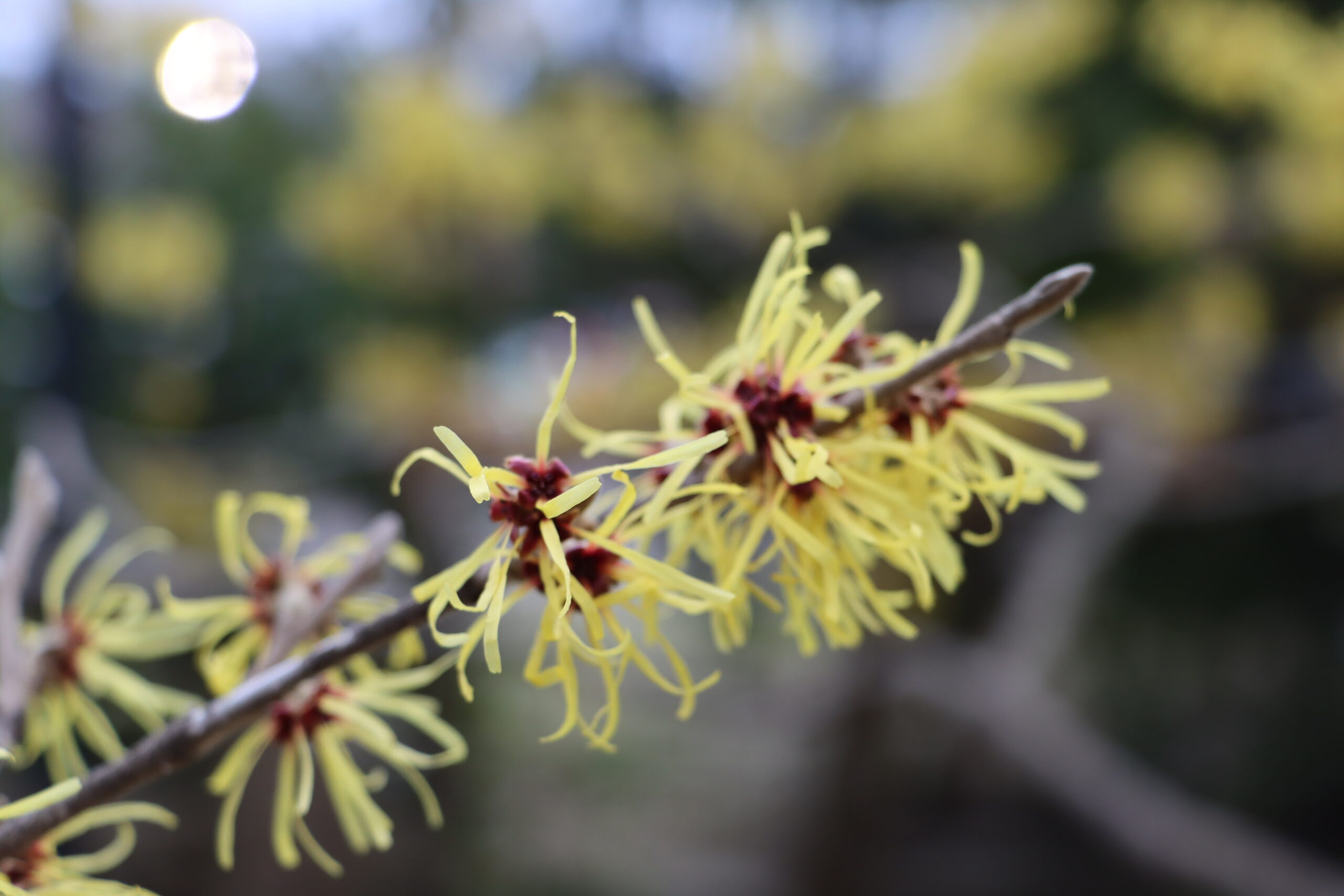
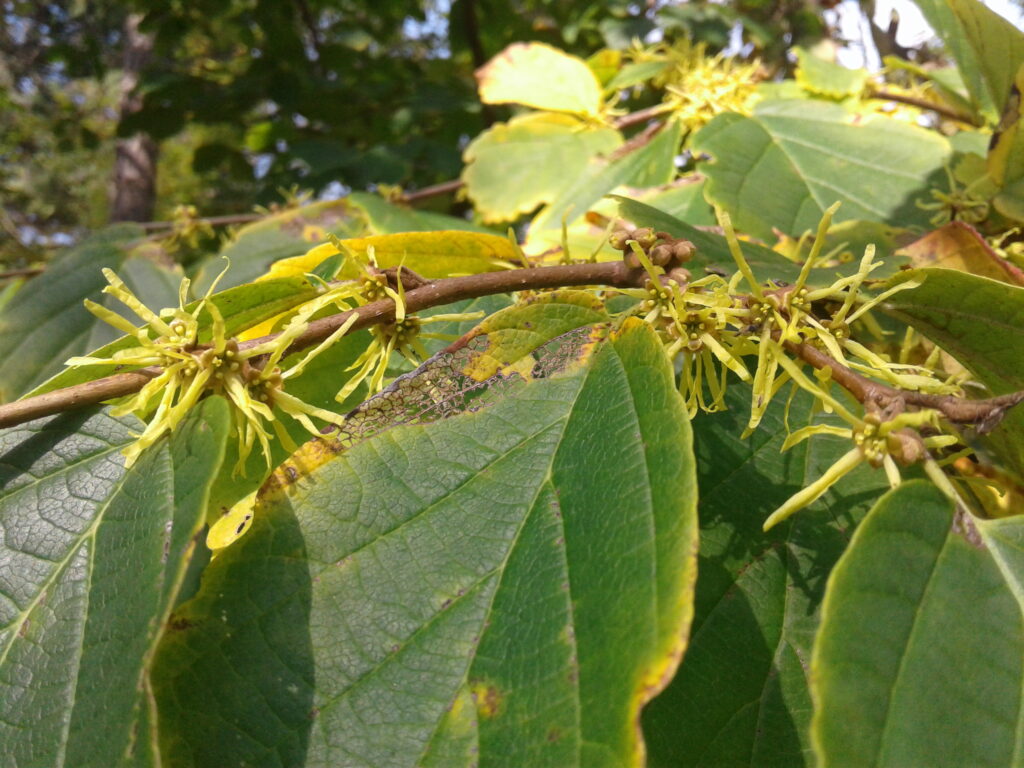
This is the only witch hazel that flowers in the fall while the leaves are still on the plant. Just as the forest canopy turns gold, H. virginiana sends out spidery yellow petals—often glowing on grey November days when nothing else is blooming.
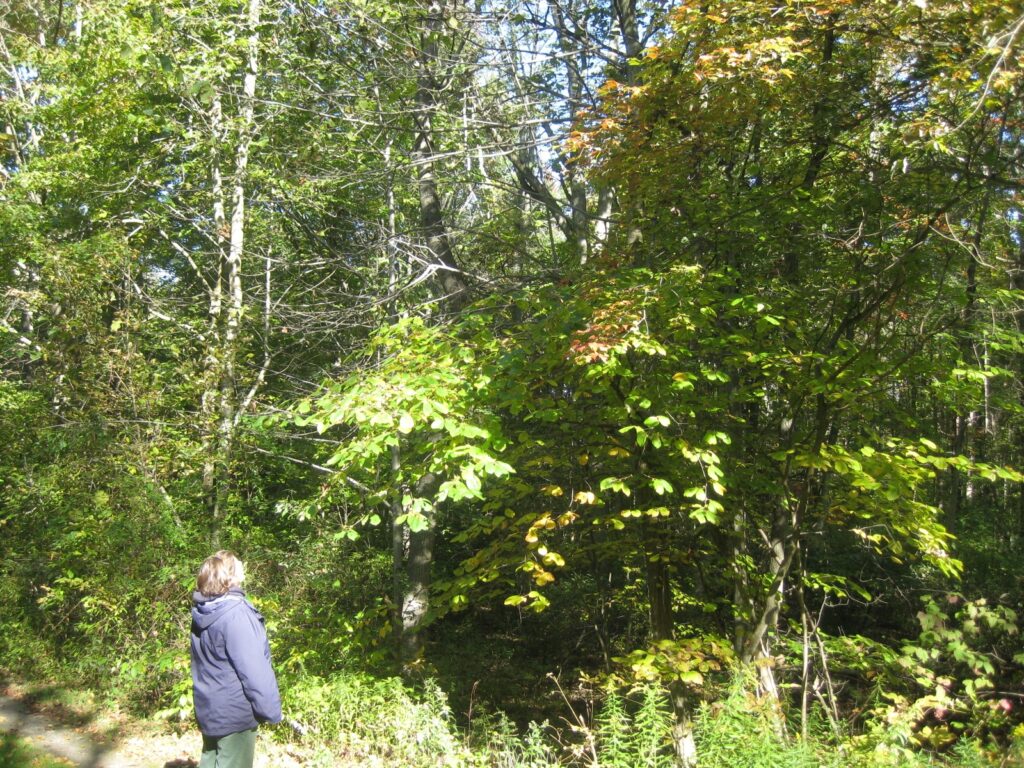
Care & Culture
- Light: Full sun to part shade
- Soil: Prefers moist, well-drained, slightly acidic soils
- Moisture: Tolerant of average garden moisture; naturally grows along forest edges and streambanks
- Maintenance: Very low—mostly a plant‑and‑enjoy species
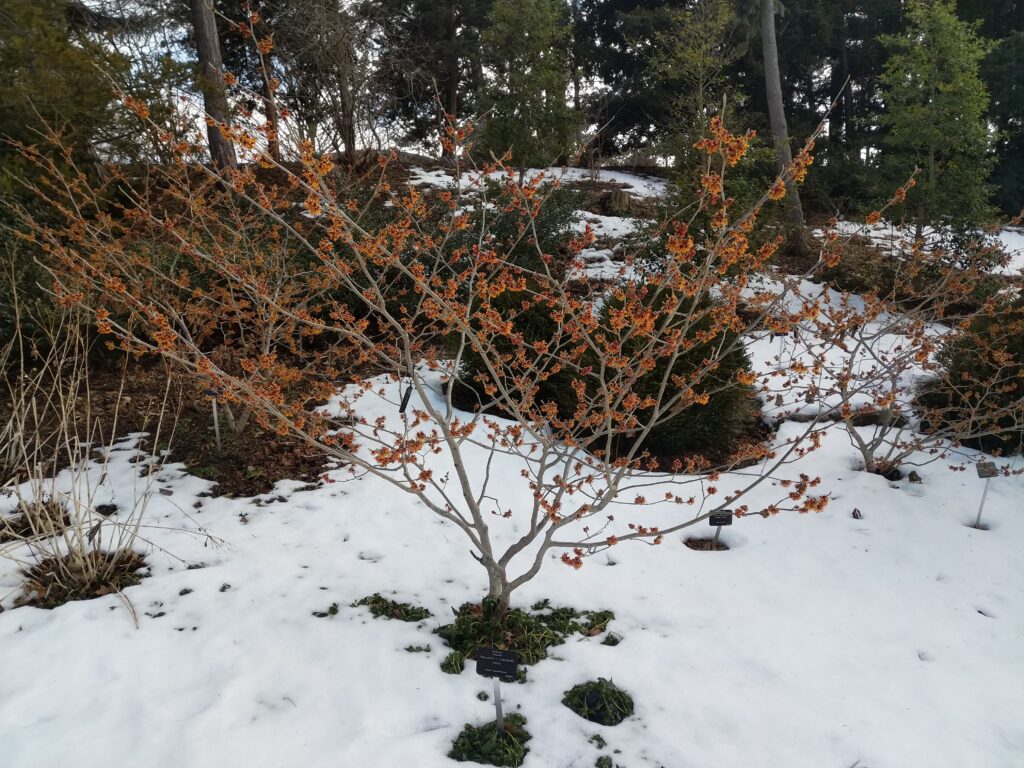
Folklore & Traditional Uses
Hamamelis virginiana is the species historically used to produce witch hazel extract, valued for skin tonics and wound care. Early European settlers observed Indigenous peoples distilling bark and twigs for medicinal uses. It is also strongly associated with dowsing and water divining, where forked branches were used as “witching sticks.”
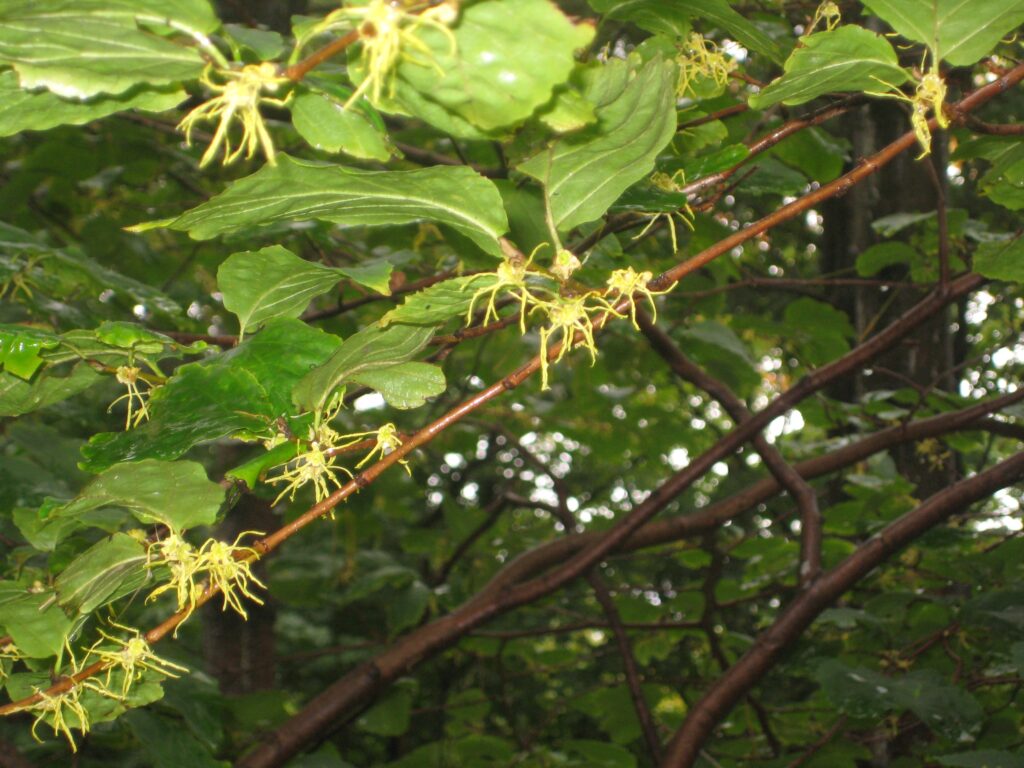
Where It Shines in the Landscape
- Naturalized woodland edges
- Shadier gardens where fall interest is needed
- Mixed borders for late-season bloom
- Great near walking paths where fragrance is appreciated during autumn strolls
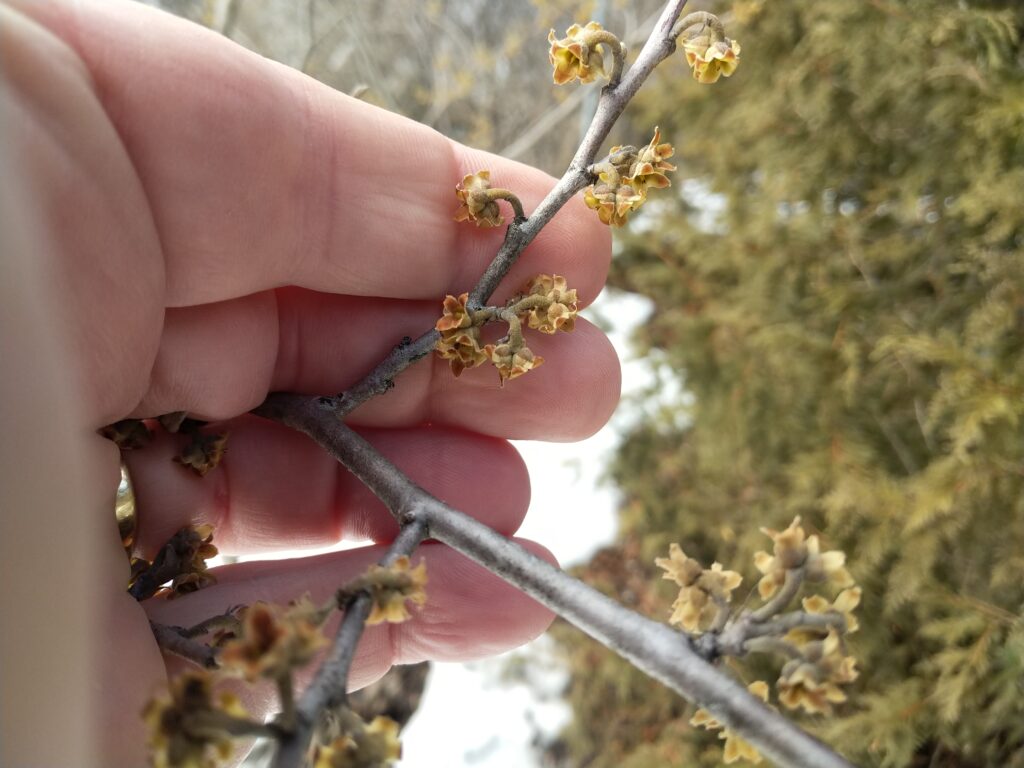
🌼 Hamamelis vernalis — The Ozark Witch Hazel
Bloom time: Late winter (January–March)
Origin: Missouri, Arkansas, Oklahoma
Height & spread: 6–10 ft tall; 8–12 ft wide
Fragrance: Strong spicy scent
H. vernalis erupts into color in late winter, sometimes through snow. The flowers range from yellow to coppery-red, often with a strong, spicy perfume.
Care & Culture
- Extremely cold-hardy
- Performs well in full sun for best flowering
- Thrives in moist, slightly acidic soils
- More compact and dense than H. virginiana—ideal where space is limited
Landscape Uses
- Winter‑interest hedges or screens
- Foundation plantings
- Courtyards or entryways where winter scent can be enjoyed
- Excellent for smaller urban gardens
❄️ Hamamelis × intermedia — The Show-Stopping Hybrid Witch Hazels
Bloom time: Deep winter to early spring (January–March)
Origin: Hybrid of H. japonica × H. mollis
Height & spread: 12–20 ft tall; 10–15 ft wide
Fragrance: Many cultivars very fragrant
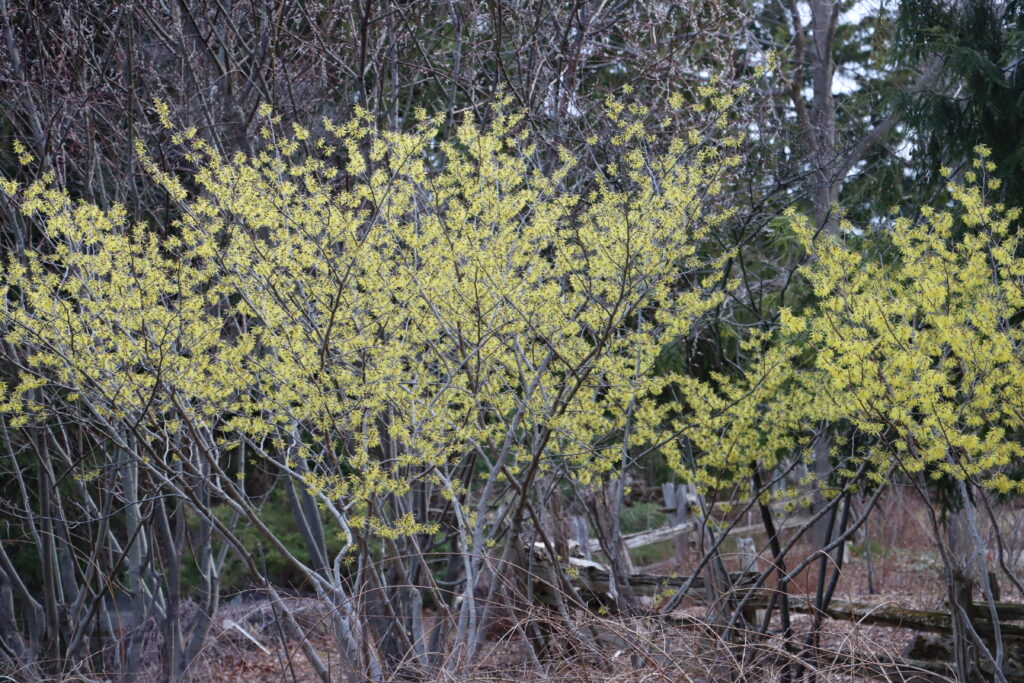
This group includes most of the ornamental cultivars prized in modern gardens. Their flowers are larger, more colorful, and often more fragrant than the species. Common cultivars include:
- ‘Jelena’ — copper-orange flowers
- ‘Arnold Promise’ — bright yellow, late-blooming
- ‘Diane’ — rich red blooms
- ‘Pallida’ — pale sulfur-yellow with a strong scent
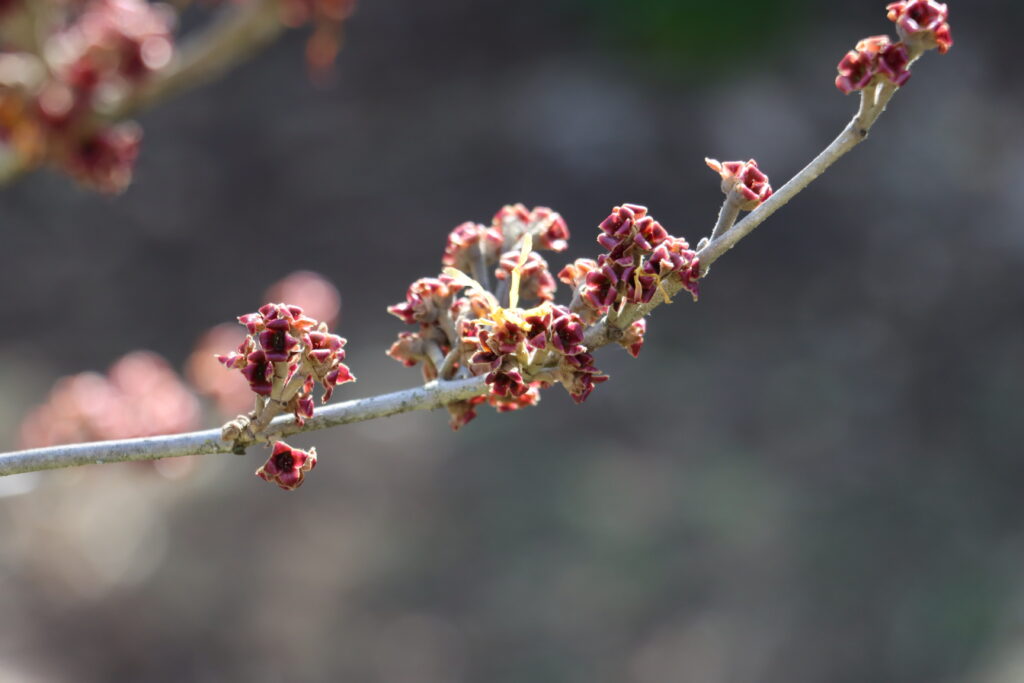
These hybrids are renowned for their spectacular winter fireworks—long, ribbon-like petals that curl and unfurl depending on temperature. They also offer excellent fall color in the orange–red range.
Care & Culture
- Prefer full sun for best bloom and fall color
- Moist, acidic, well-drained soil
- Mulch to maintain consistent moisture
- Minimal pruning—only remove crossing or damaged wood right after flowering
Landscape Uses
- Four-season focal points
- Winter garden accents
- Specimen shrubs near windows or paths
- Pair beautifully with hellebores, early bulbs, and ornamental grasses
🌟 Choosing the Right Witch Hazel for Your Garden
| Species | Best Feature | Bloom Season | Ideal For |
| H. virginiana | Native, medicinal history, late fall color | Oct–Dec | Woodland edges, naturalized areas, fall interest |
| H. vernalis | Compact, extremely hardy, strong fragrance | Jan–Mar | Small gardens, winter scent, hedges |
| H. × intermedia | Largest flowers and color range | Jan–Mar | Specimens, winter gardens, all-season structure |
🌱 Growing Tips for All Witch Hazels
- Plant them where you will SEE them in late fall or winter—near windows, paths, or entryways
- Keep soil consistently moist, especially while establishing
- Avoid aggressive pruning; they prefer a natural vase-shaped form
- Give them room—these shrubs become beautiful small trees when allowed to mature