A Unique, Compact Willow With Four‑Season Interest
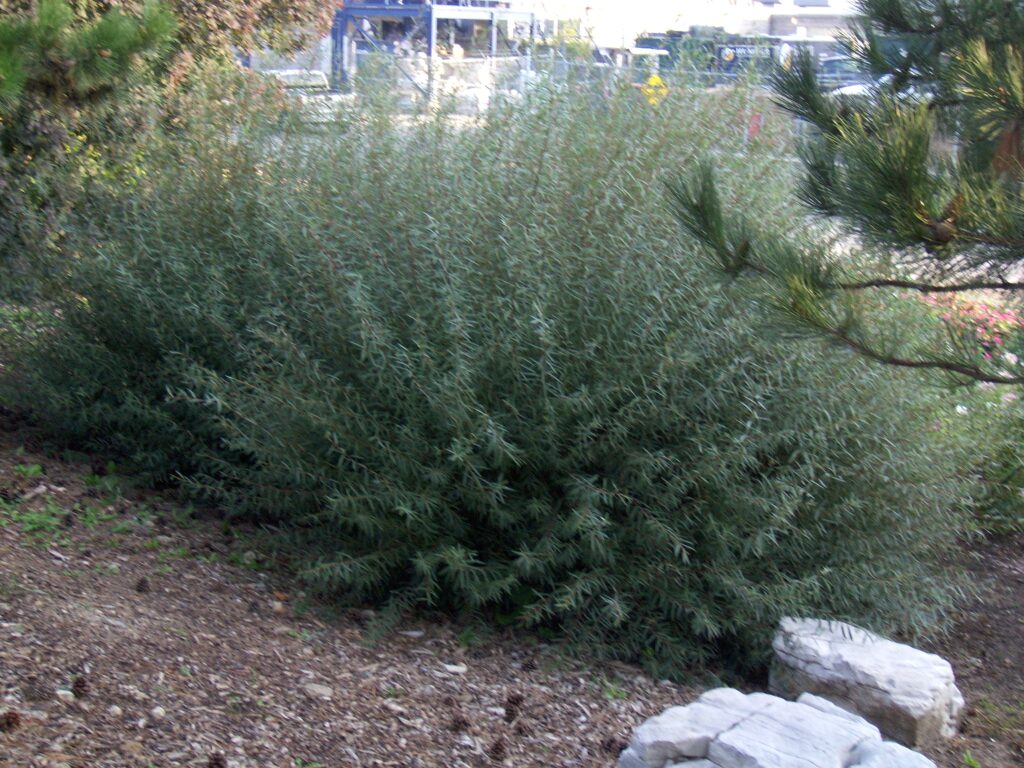
Salix purpurea ‘Nana’, commonly known as the Dwarf Arctic Willow, is one of the most charming and underused shrubs in the landscape. Unlike the large, unruly willows many gardeners picture, this cultivar is compact, rounded, and incredibly elegant, typically reaching 3–5 feet in height.
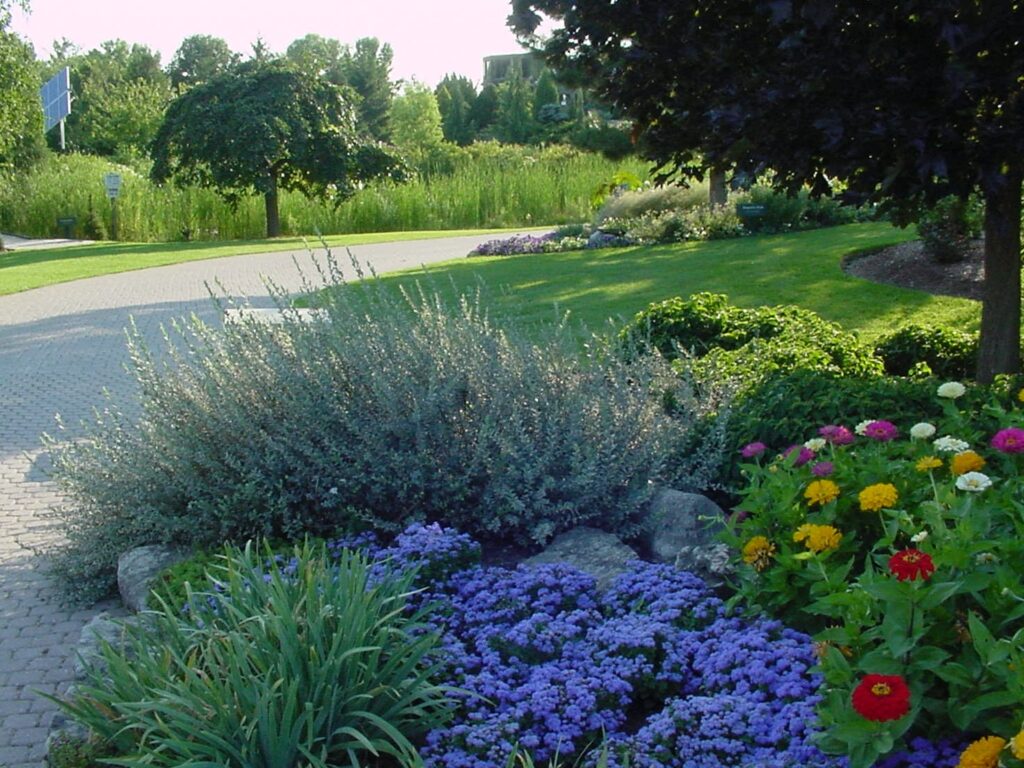
Its standout features include:
- Fine, narrow blue‑green foliage
- Attractive red‑purple stems
- A naturally rounded, dome‑shaped habit
- Excellent response to pruning, especially coppicing
I have one in my own garden, and it’s a plant I look forward to working with every spring. A quick coppicing transforms it from winter sticks into a fresh flush of vibrant young stems by early summer.
How to Care for Salix purpurea ‘Nana’
This willow is not demanding, but it does appreciate the right conditions.
Light
- Full sun is ideal
- Tolerates light shade but colour and density improve with sun
Soil
- Prefers moist, well‑drained soil. Although my soil is a heavy clay, (verging on shale!) and does very well.
- More tolerant of wet conditions than many shrubs
- Not fussy about soil pH
Water
- Moderate moisture
- Appreciates consistent watering in the first year
- Once established, relatively drought tolerant (better than many willows)
Growth Habit
- Dense, rounded, often described as “tufted” or “mounded”
- Responds extremely well to hard spring pruning
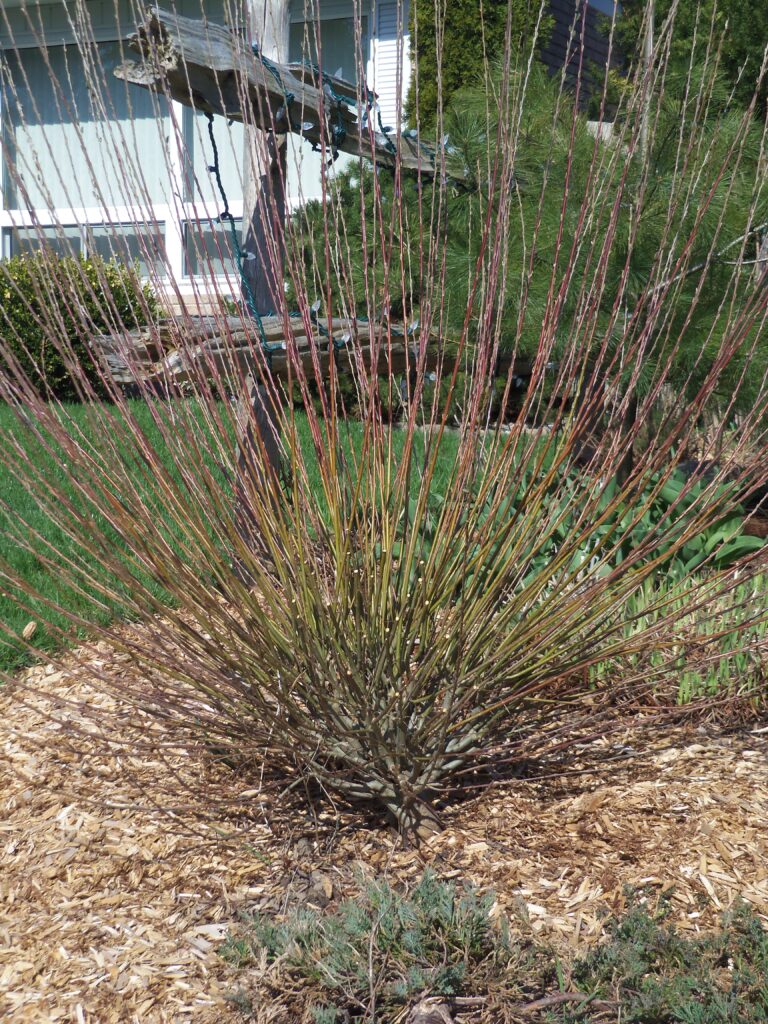
Why I Coppice My Salix purpurea ‘Nana’ Every Spring
Coppicing is the practice of cutting a woody plant back to just a few inches above the ground each spring to encourage vigorous new growth.
🌱 Why coppice this shrub?
- New stems are stronger in colour
- The plant maintains a compact, ball‑shaped form
- Reduces any winter dieback
- Improves summer foliage density
- Keeps an older plant looking youthful and tidy
Coppicing is easy:
In early spring, before buds break, cut the entire shrub to 4–6 inches above ground level. It will push new shoots quickly, rejuvenating the entire plant.
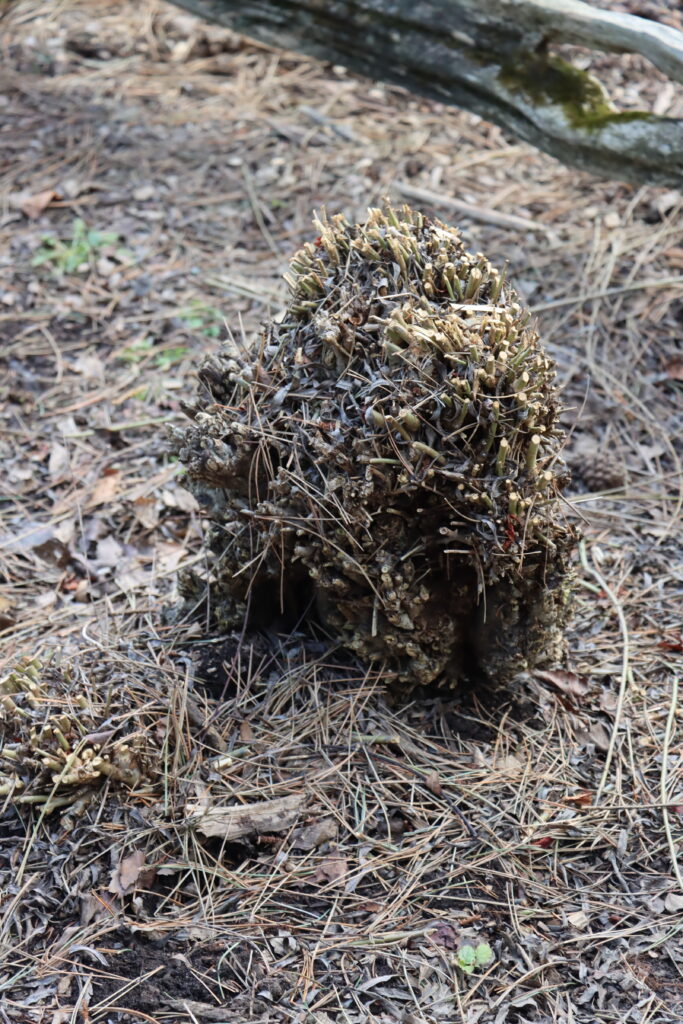
If you prefer a more natural look, you can skip coppicing, but annual pruning will still help maintain shape and density.
Landscape Uses for Salix purpurea ‘Nana’
This shrub offers versatility in both modern and traditional designs.
Top Uses
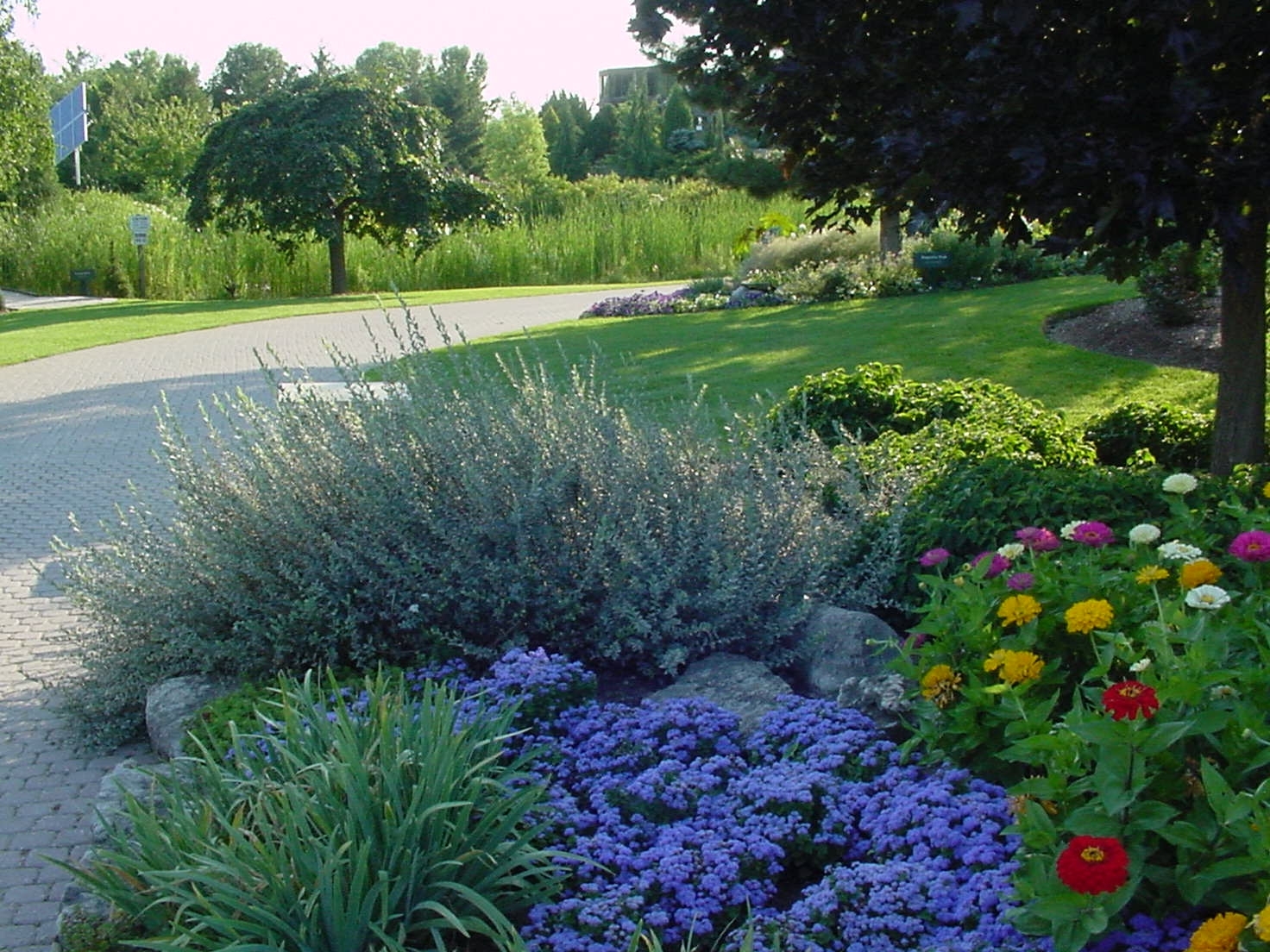
- Low, informal hedges
- Foundation planting with winter interest
- Accent shrub in mixed borders
- Mass planting for structure and texture
- Rain gardens and wetter sites
- A four‑season alternative to boxwood (especially in colder regions)
Its fine texture pairs beautifully with grasses, hydrangeas, spireas, and perennials with larger leaves.
Pests and Diseases
Salix purpurea ‘Nana’ is relatively low‑maintenance, but as a willow, it may encounter occasional issues:
Possible Pests
- Aphids
- Willow leaf beetle
- Caterpillars
- Sawfly larvae
These rarely cause severe damage on a healthy plant.
Potential Diseases – POTENTIAL – I’ve never had issues!
- Rust
- Leaf spot
- Canker – on occasion
- Powdery mildew (less common on this cultivar)
Proper airflow and annual pruning significantly reduce disease pressure.
Quick Facts About Salix purpurea ‘Nana’
- Height: 3–5 feet
- Shape: Rounded, compact
- Colour: Blue‑green leaves, purple stems
- Hardiness: Zone 4 (sometimes Zone 3)
- Best pruned: Early spring
- Excellent for coppicing
Thinking of Adding This Shrub to Your Garden?
If you’re curious about growing Salix purpurea ‘Nana’, or want advice on where it fits best in a design, I’d love to hear from you.
👇 Leave a comment or send me your questions anytime.
🌿 If you’re planning a landscape project, book a FREE landscape consultation—let’s design a space you’ll love.