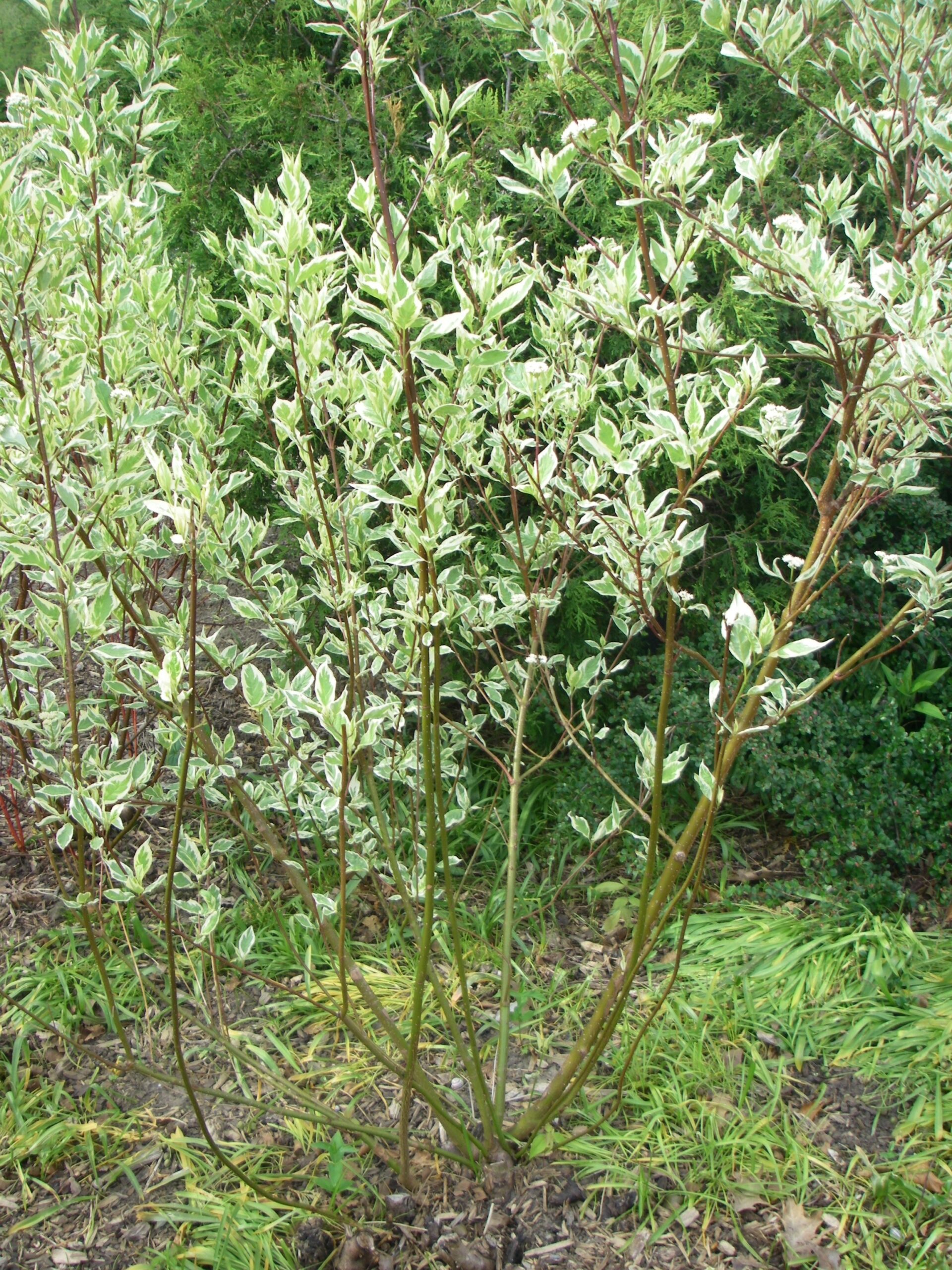
Salix purpurea ‘Nana’: A Compact, Character‑Rich Shrub for Modern Landscapes

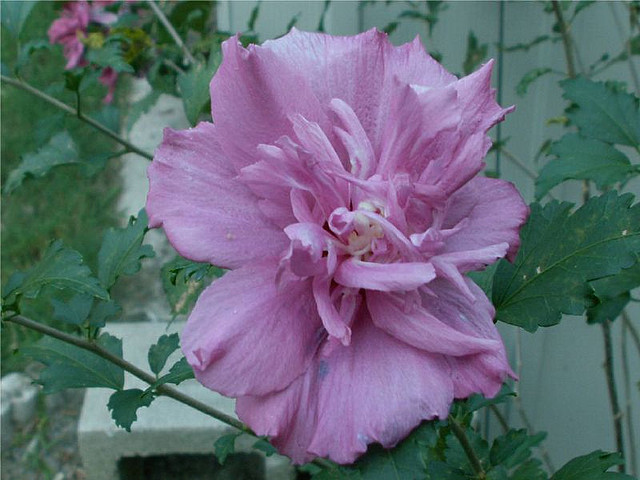
Learn all about Salix purpurea ‘Nana’—a compact, colourful willow perfect for Canadian landscapes. Discover its care needs, how to coppice it, best landscape uses, and potential pests and diseases.

Taxus cuspidata ‘Capitata’: A Classic Evergreen With a Deep Canadian Landscape History

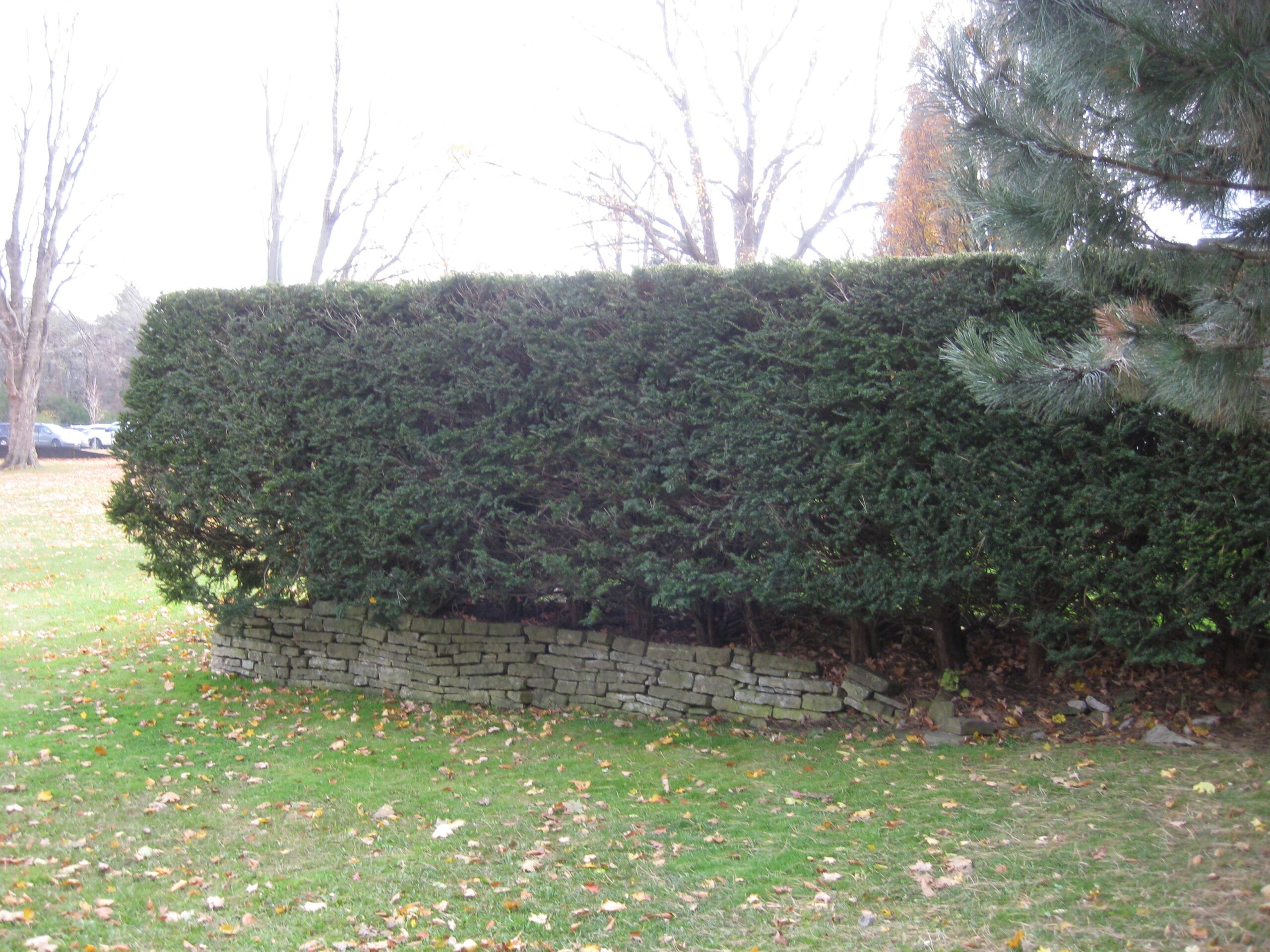
Discover the history, care tips, landscape uses, and fun facts about Taxus cuspidata ‘Capitata’ (Upright Japanese Yew). Learn why this hardy evergreen has been a Canadian landscape favourite for over a century—and how to grow it successfully in your own garden.

Euonymus fortunei ‘Emerald Gaiety’: History, Landscape Use, Care & Pest Pressures

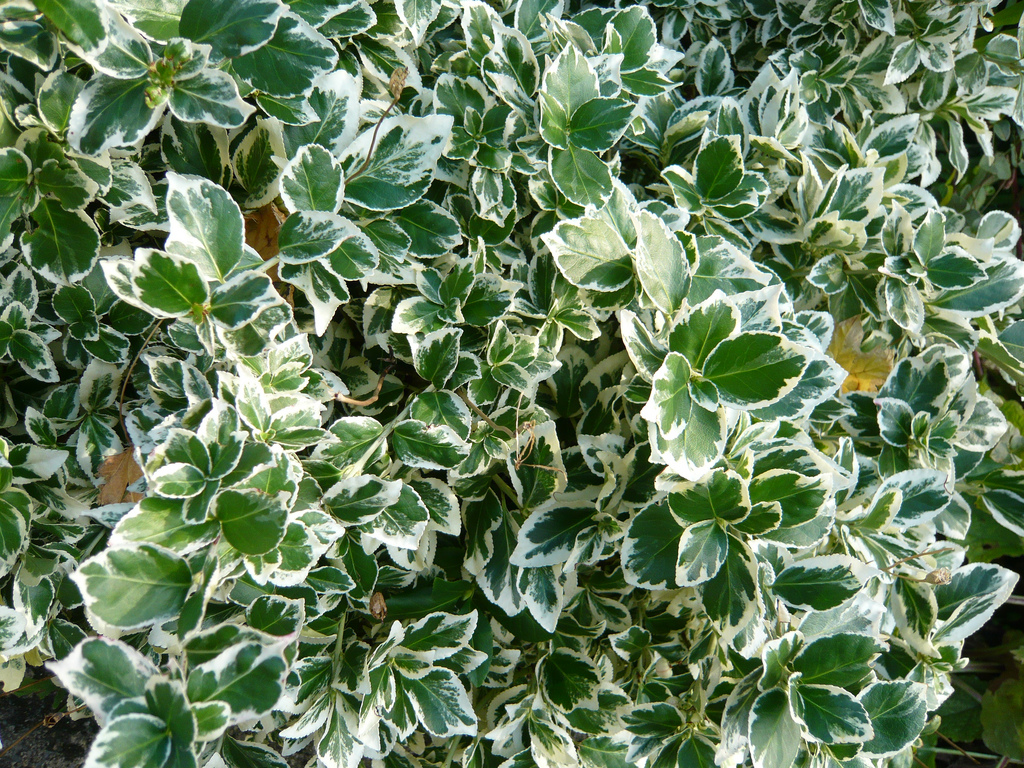
Discover the history of Euonymus fortunei ‘Emerald Gaiety,’ including the origin of the name Fortune, its best landscape uses, care requirements, pest pressures, and recommended companion cultivars. Learn how to grow this versatile variegated evergreen and share your own experiences.

Buxus ‘Green Gem’: Origins, Growth, Uses & The Future of Boxwood in the Landscape

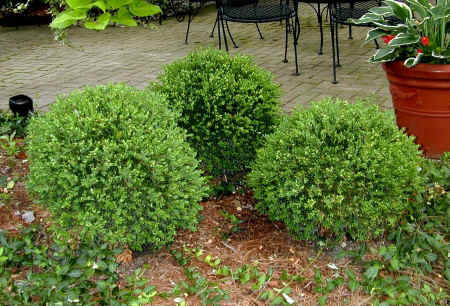
Buxus ‘Green Gem’ is a hardy, compact boxwood developed by Sheridan Nurseries in Canada. Learn its origins, best landscape uses, growing tips, pest challenges, and why the Box Tree Moth may threaten its future in modern landscapes.

Why Spraying Dormant Oil and Lime Sulphur in Late Winter Is One of the Smartest Things Ontario Gardeners Can Do

Late winter is the perfect time to protect your trees and shrubs with a dormant spray. I just published a new blog post explaining why dormant oil and lime sulphur are so effective here in Ontario, and which pests and diseases they help control.

Pseudotsuga menziesii: A Complete Guide to Using Douglas‑fir in the Ontario Landscape

Douglas‑fir (Pseudotsuga menziesii) and its hardy cousin, Pseudotsuga menziesii var. glauca, are two of the most underrated evergreen trees for Ontario landscapes. Known for their soft needles, elegant form, and impressive year‑round colour, these conifers thrive when planted in the right location. The Rocky Mountain variety, in particular, offers exceptional cold hardiness and adaptability, making it a strong alternative to common spruces and pines. In this post, we explore where Douglas‑fir performs best in Ontario, the pests and diseases to watch for, and a few fun pieces of trivia—including why this iconic tree isn’t actually a true fir.

Abies concolor in the Ontario Landscape: A Complete Guide

Abies concolor, or White Fir, brings soft blue‑green needles and a clean citrus fragrance to Ontario landscapes. Hardy to Zone 3 and tolerant of drought once established, it thrives in well‑drained, slightly acidic soils and full sun. Its low pest pressure—limited mainly to issues like adelgids, budworms, and occasional root rot in wet soils—makes it a reliable, underused alternative to blue spruce.