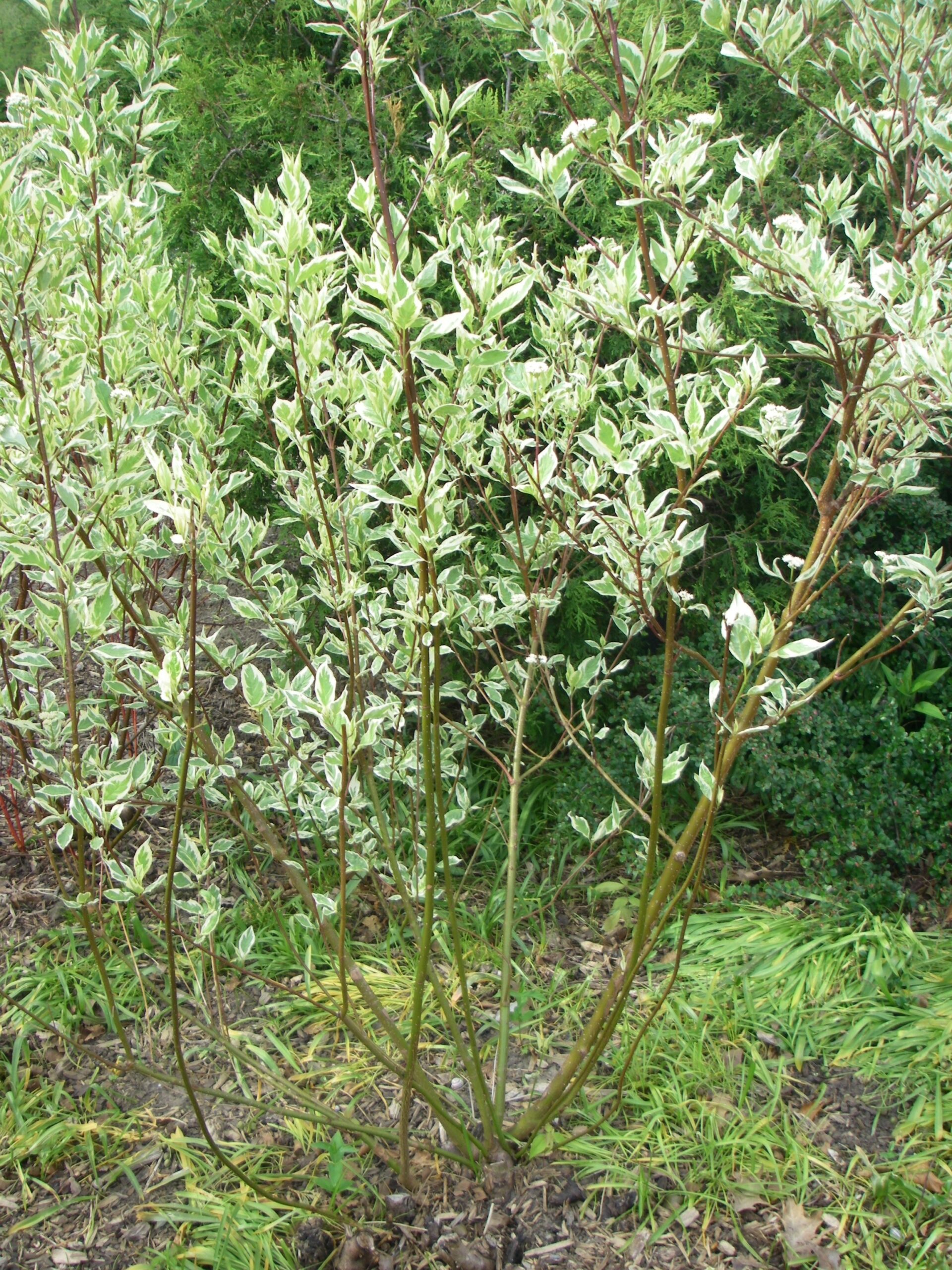
Cornus alba ‘Elegantissima’, a variegated cultivar of the Tatarian dogwood, traces its origins back to eastern and central Asia, where the species Cornus alba grows naturally across regions including Siberia, Manchuria, and northern Korea.
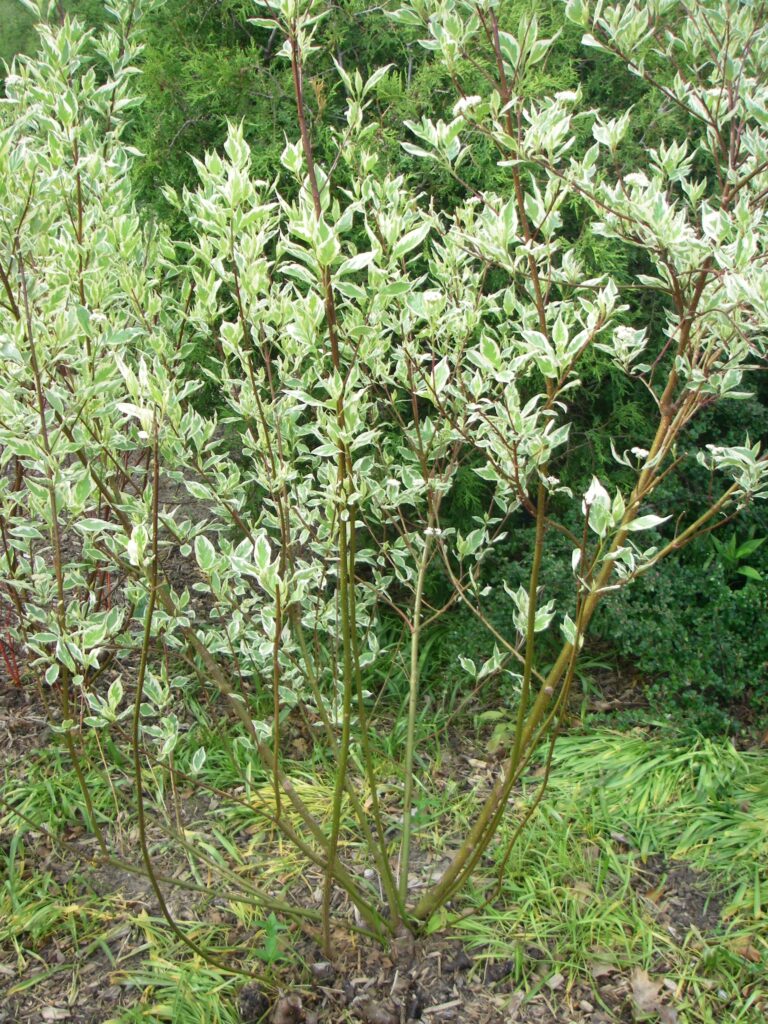
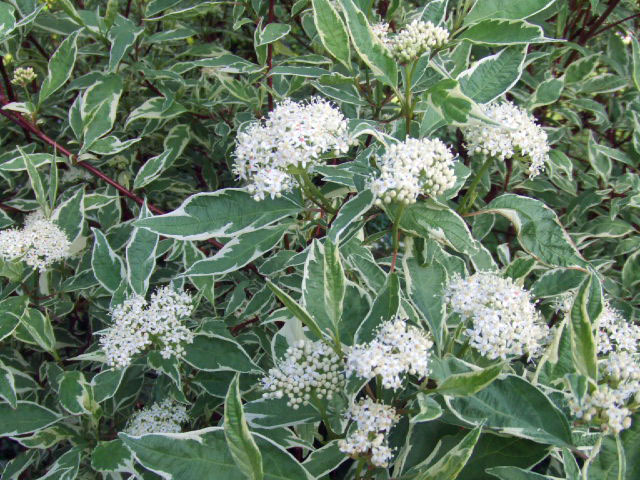
This cultivar is especially valued for its creamy-white leaf margins and vibrant red winter stems, making it one of the most widely grown ornamental dogwoods in gardens and nurseries.
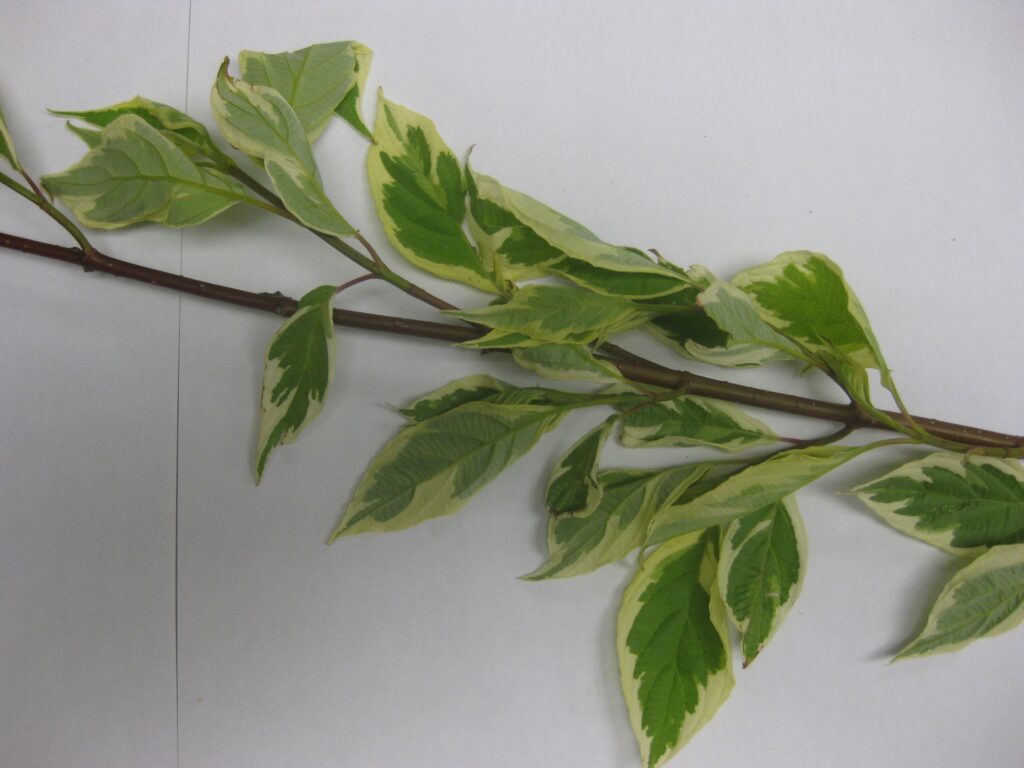
Quick Facts:
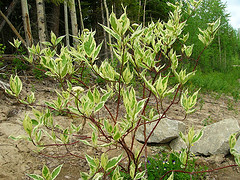
- Height: 6–8 ft
- Spread: 6–8 ft
- Light: Full sun to part shade
- Soil: Moist, well-drained
- Interest: Red stems, variegated foliage
- Hardiness: Zone 3–7
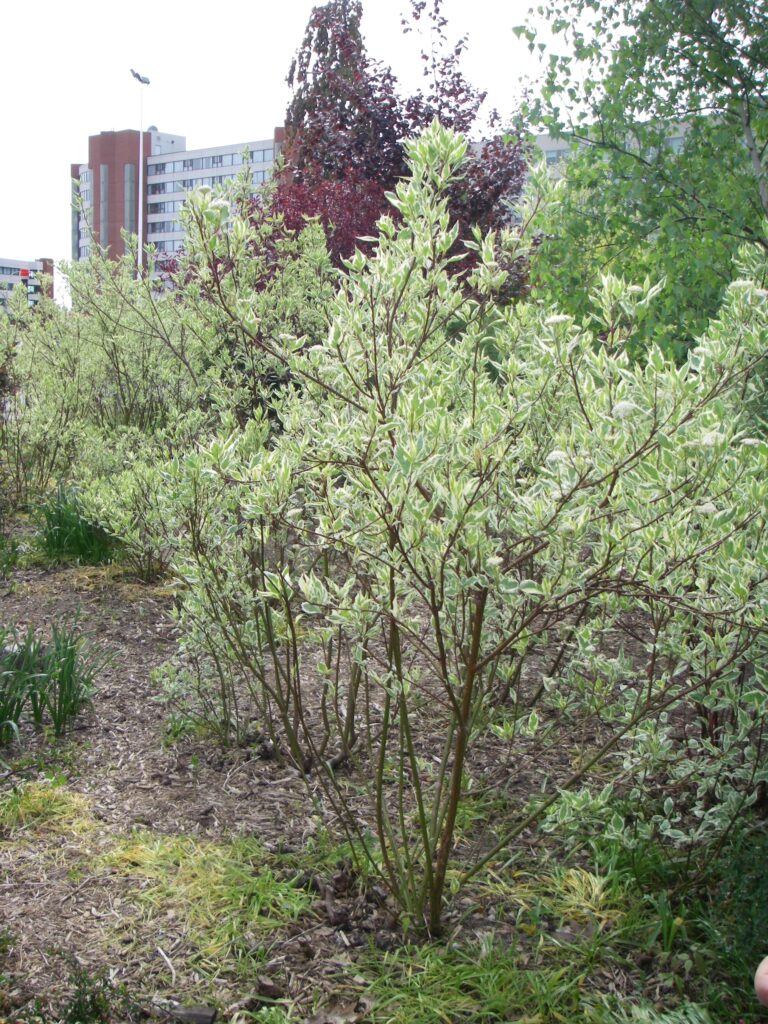
Best Uses in the Landscape
‘Elegantissima’ earns its popularity because it shines in multiple settings:
🌿 Four-Season Interest
Its green leaves edged in white look fresh all summer, turn warm tones in fall, and the red stems add essential color to winter landscapes.
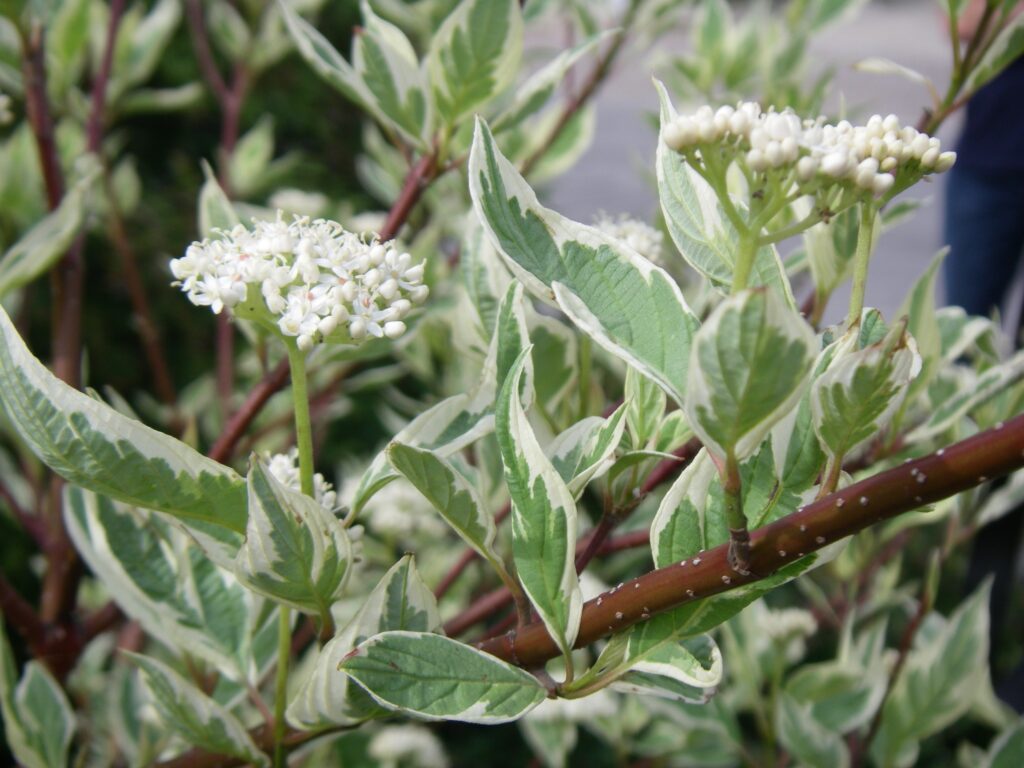
🌱 Ideal Landscape Roles
- Hedges and Screens: Excellent in mass plantings or as a naturalistic screen thanks to its suckering growth habit.
- Erosion Control: Thrives in moist soils and forms stabilizing thickets.
- Winter Accent Shrub: Perfect near patios, walkways, or mixed borders where its winter stems can be fully appreciated.
- Specimen or Border Plant: Works beautifully in shrub borders and mixed ornamental plantings, especially where year-round interest is desired.
🌞 Site Preferences
‘Elegantissima’ grows best in full sun to part shade and tolerates a wide range of soils, from moist to periodically dry.
For the most vivid stem color, grow it in full sun and prune out older stems in early spring.
Pests, Diseases & Other Considerations
Like the species, this cultivar is generally hardy and reliable, but there are a few things to keep in mind:
🧪 Disease Pressures
Cornus alba can be susceptible to:
- Dogwood anthracnose – the most serious concern. Its an advantageous disease and really only attacks when the conditions are correct. Not much can be done to prevent although air circulation should reduce the impact of anthracnose.
- Powdery mildew
These diseases tend to worsen when plants are stressed, especially in hot summer climates south of USDA Zone 7.
🪲 Pest Pressures
Potential insect issues include:
- Leaf miners
- Scale insects
🐾 Wildlife Interactions
- Frequently resistant to deer and rabbits, making it suitable for wildlife-prone areas.
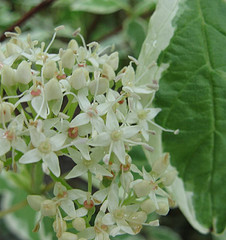
- Berries attract birds, adding ecological value.
⚠️ Other Notes
- The shrub suckers aggressively, which helps in mass plantings but may require judicious pruning in smaller gardens.
- Here is a link to a post of ours about spring pruning – may help you out!
What Do You Think?
Have you grown Cornus alba ‘Elegantissima’ in your own garden or used it in a landscape design?
I’d love to hear your experiences—how it performed, where you planted it, and any tips you’d share with fellow gardeners.
Feel free to add your insights or ask any questions in the comments!