Pseudotsuga menziesii: A Complete Guide to Using Douglas‑fir in the Ontario Landscape

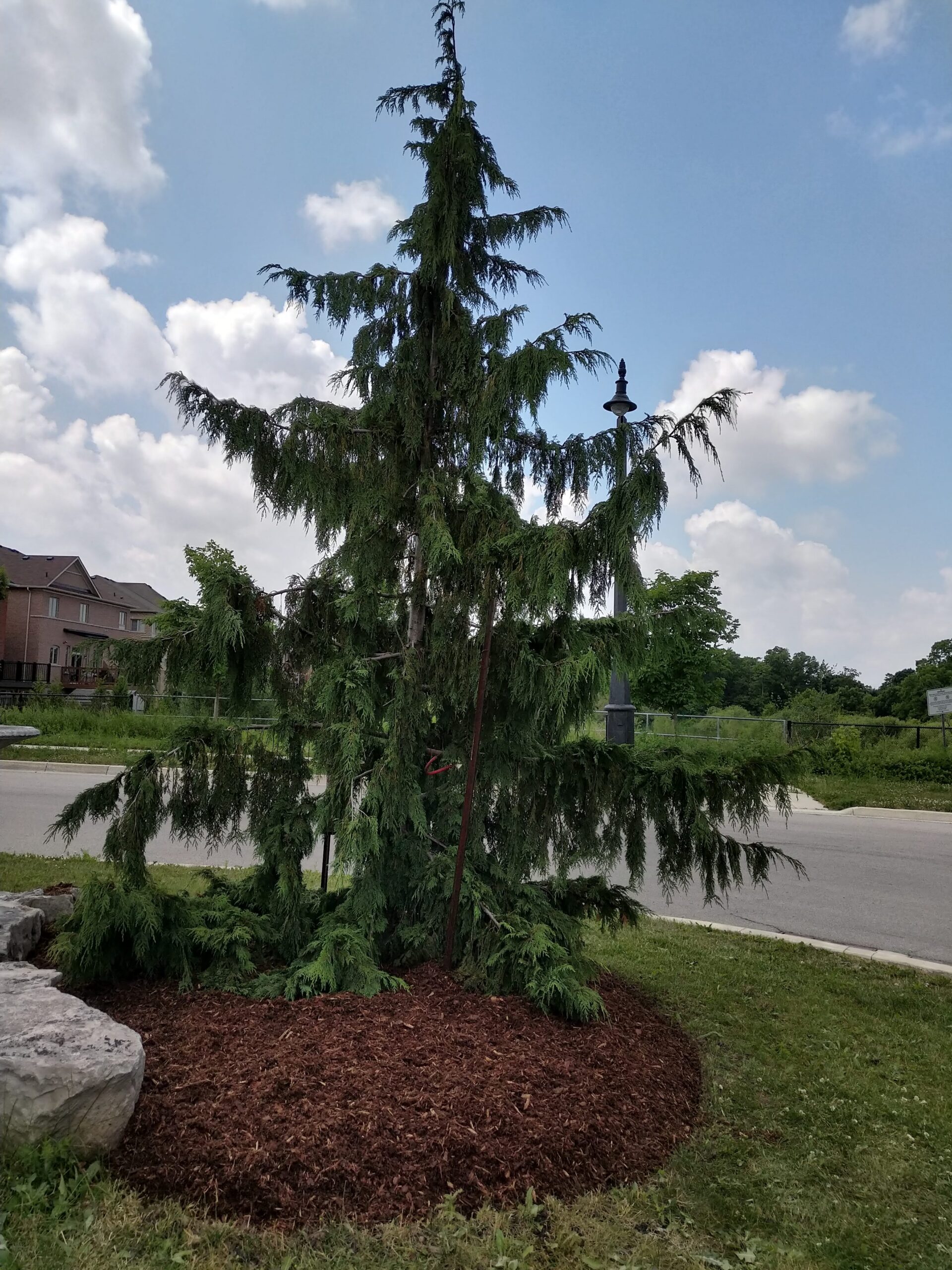
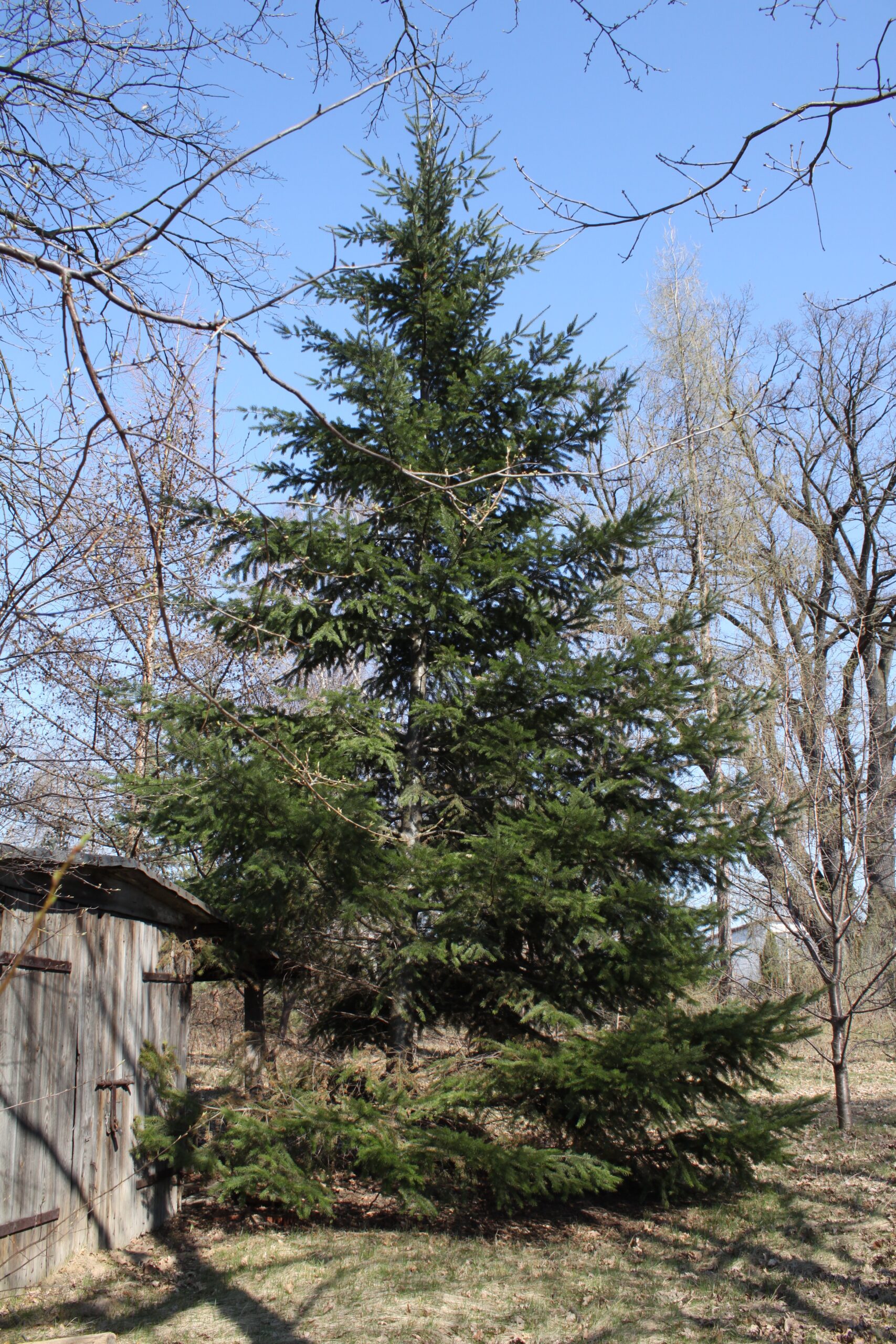
Douglas‑fir (Pseudotsuga menziesii) and its hardy cousin, Pseudotsuga menziesii var. glauca, are two of the most underrated evergreen trees for Ontario landscapes. Known for their soft needles, elegant form, and impressive year‑round colour, these conifers thrive when planted in the right location. The Rocky Mountain variety, in particular, offers exceptional cold hardiness and adaptability, making it a strong alternative to common spruces and pines. In this post, we explore where Douglas‑fir performs best in Ontario, the pests and diseases to watch for, and a few fun pieces of trivia—including why this iconic tree isn’t actually a true fir.

Abies concolor in the Ontario Landscape: A Complete Guide

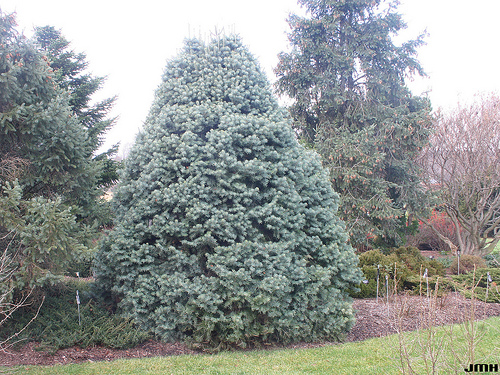
Abies concolor, or White Fir, brings soft blue‑green needles and a clean citrus fragrance to Ontario landscapes. Hardy to Zone 3 and tolerant of drought once established, it thrives in well‑drained, slightly acidic soils and full sun. Its low pest pressure—limited mainly to issues like adelgids, budworms, and occasional root rot in wet soils—makes it a reliable, underused alternative to blue spruce.

Abies balsamea (Balsam Fir): A Canadian Classic Worth Knowing

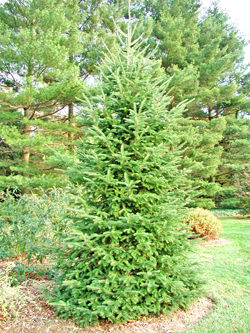
There’s something unmistakably nostalgic about Abies balsamea, the balsam fir. Its resinous scent lingers in the air long after you brush past it—a classic northern fragrance that feels like winter cabins, quiet forests, and home.

Restorative Pruning: How to Rejuvenate Overgrown Trees and Shrubs the Right Way

Restorative pruning is the art and science of bringing neglected, overgrown, or damaged plants back to health. By selectively removing dead, crossing, or poorly structured branches, we guide trees and shrubs toward stronger form, better light penetration, and renewed growth. In this post, we explore when restorative pruning is needed, how to approach it safely, and the techniques that produce long-lasting results—ensuring your landscape thrives for years to come.

Porcelain Vine (Ampelopsis glandulosa var.brevipedunculata): Why This Beautiful Plant Is a Hidden Threat

Porcelain vine (Ampelopsis brevipedunculata) may look stunning with its colorful berries, but don’t be fooled—this ornamental climber has invasive tendencies that can harm local ecosystems. While not officially listed as invasive in Ontario, it is in neighboring regions, making it a risky choice for your garden. Learn why you should avoid planting porcelain vine, how to safely remove it, and discover eco-friendly alternatives to keep your landscape beautiful and sustainable.

Why Native Plants Are the Secret to a Thriving Southern Ontario Landscape

Discover the benefits of using native plants in your garden. Learn why species like white oak (Quercus alba) are essential for beauty, biodiversity, and sustainability in southern Ontario landscapes.

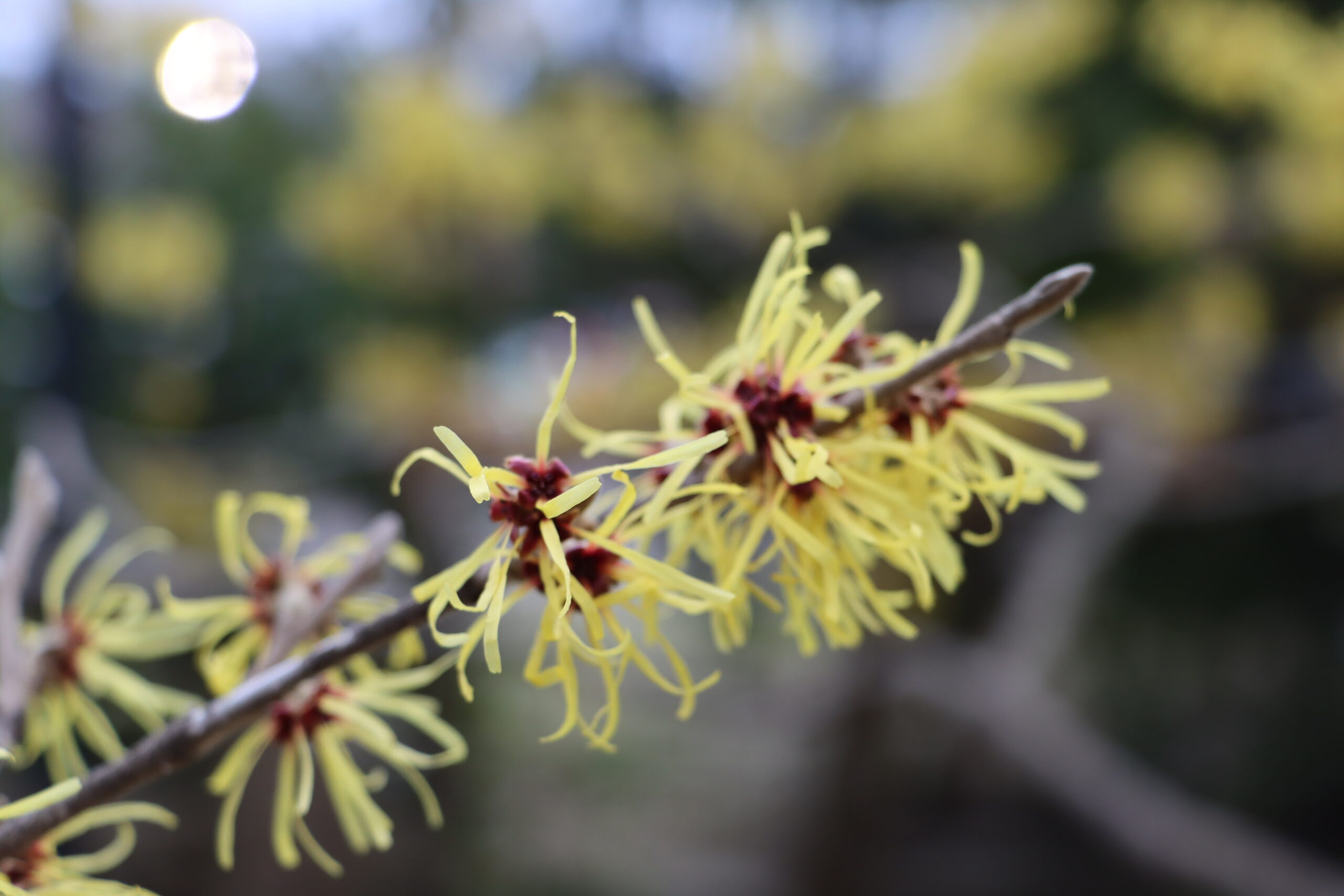
Witch-Hazel Showdown: Hamamelis virginiana vs. Hamamelis × intermedia

Discover the beauty and benefits of witch-hazel! In this article, we compare *Hamamelis virginiana*, the North American native with historic medicinal uses, and *Hamamelis × intermedia*, the vibrant hybrid known for its winter blooms and fragrance. Learn about their origins, care tips, and which one is best for your garden.

Winter Interest in the Landscape: How to Keep Your Garden Beautiful Year-Round

Winter doesn’t have to mean a dull garden. With the right plants and design elements, your landscape can stay vibrant and inviting all year long. From evergreens and red-twig dogwood to ornamental grasses and birch trees, discover how to add color, texture, and structure to your outdoor space—even in the snow. Learn why winter interest matters and how thoughtful design can make your garden beautiful in every season.

From Myth to Modern Gardens: Why Oaks Belong in Your Landscape

Why Oaks Make Outstanding Shade Trees Few trees command as much respect in the landscape as the mighty oak. Known for their strength, longevity, and stately presence, oaks are a top choice for creating natural shade in gardens, parks, and residential properties. Here’s why they deserve a spot in your landscape—and a few fascinating facts … Read more