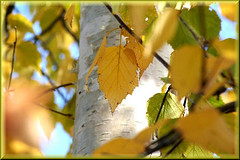
Few trees are as instantly recognizable—or as deeply woven into the history of Ontario’s natural and cultural landscape—as Betula papyrifera, commonly known as Paper Birch, White Birch, or Canoe Birch. Its brilliant white bark, iconic peeling texture, and ecological importance have made it a beloved species across the province.

A Brief History of Paper Birch in Ontario
Paper Birch is native across nearly all of Ontario, appearing everywhere except along the shores of Hudson Bay. Its adaptability to a wide range of soil types and moisture levels helped it prosper in forests, open woodlands, and even disturbed sites such as post‑fire landscapes.
Historically, Paper Birch played an invaluable role for Indigenous communities, who used its flexible, waterproof bark to craft canoes, baskets, cradles, soap, and even shampoo. Its wood also found uses in toboggans, utensils, and other durable items.
Beyond its cultural significance, the species contributes richly to wildlife habitat. Birds, including woodpeckers and sapsuckers, nest in Paper Birch cavities, while numerous mammals and birds feed on its buds, seeds, and bark.
Today, Paper Birch remains a widely used ornamental species in Ontario landscapes, valued for its striking bark and tolerance for various growing conditions—so long as it receives ample sunlight.

Major Pests: A Focus on Bronze Birch Borer
The most significant pest affecting Paper Birch in Ontario is the Bronze Birch Borer (Agrilus anxius), a native wood‑boring insect that primarily targets stressed or aging birch trees.
How the Pest Affects Birch
Bronze Birch Borer larvae tunnel beneath the bark, disrupting the tree’s water‑ and nutrient‑conducting tissues. Symptoms usually begin in the upper crown, progressing to dieback, bark ridging, and the presence of small D‑shaped exit holes produced by emerging adults.
Outbreaks are becoming more common as climate‑related stressors—such as drought and irregular freeze‑thaw cycles—increase tree vulnerability.
Legal and Recommended Control Measures in Ontario
Ontario provides clear guidance for managing insect pests in urban trees, including birches. Cultural practices that keep trees healthy are the first line of defense:
- Cultural & Preventive Measures
Ontario’s official guidance emphasizes:
- Improving soil aeration, moisture, and organic matter.
- Avoiding stress (e.g., soil compaction, drought).
- Following best practices for pruning, watering, and mulching.
Healthy trees are far less susceptible to Bronze Birch Borer attack.
- Pest Management Programs
While Bronze Birch Borer itself is not a regulated pest in the way Emerald Ash Borer is, Ontario supports management strategies that include:
- Monitoring for early signs of infestation.
- Exclusion and suppression strategies for landscape pests.
- Maintaining tree vigor to prevent colonization.
- Legal Restrictions
Although Bronze Birch Borer is native and not regulated like Emerald Ash Borer, Ontario’s integrated pest guidance notes that movement of infested wood from regulated pest zones (e.g., EAB‑regulated areas) is restricted to slow the spread of invasive pests more broadly. For birch owners, this reinforces the importance of:
- Proper disposal of pruned or removed wood.
- Avoiding transport of potentially infested firewood.

Conclusion: A Tree Worth Celebrating—With Care
Betula papyrifera is more than an ornamental feature—it’s a species woven into Ontario’s ecological and cultural identity. With thoughtful care and awareness of key pests like Bronze Birch Borer, homeowners can continue to enjoy the beauty of Paper Birch for years to come.
If you’re considering adding Paper Birch to your landscape—or want help assessing the health of an existing tree—I’m happy to offer a free landscape consultation. Feel free to reach out anytime!