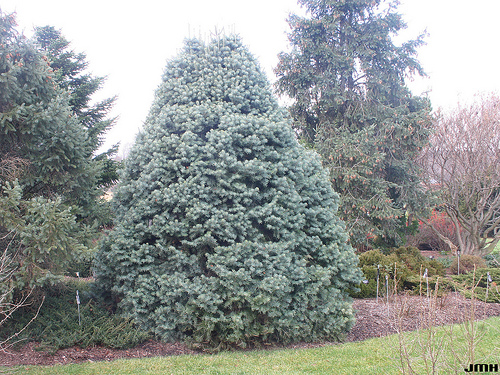
Abies concolor in the Ontario Landscape: A Complete Guide

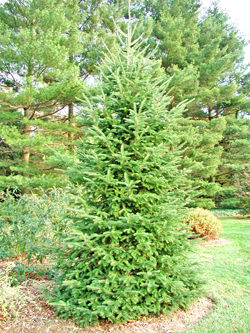
Abies concolor, or White Fir, brings soft blue‑green needles and a clean citrus fragrance to Ontario landscapes. Hardy to Zone 3 and tolerant of drought once established, it thrives in well‑drained, slightly acidic soils and full sun. Its low pest pressure—limited mainly to issues like adelgids, budworms, and occasional root rot in wet soils—makes it a reliable, underused alternative to blue spruce.

Abies balsamea (Balsam Fir): A Canadian Classic Worth Knowing

There’s something unmistakably nostalgic about Abies balsamea, the balsam fir. Its resinous scent lingers in the air long after you brush past it—a classic northern fragrance that feels like winter cabins, quiet forests, and home.

Eastern White Pine (Pinus strobus): Care, Landscape Uses & Fascinating Facts

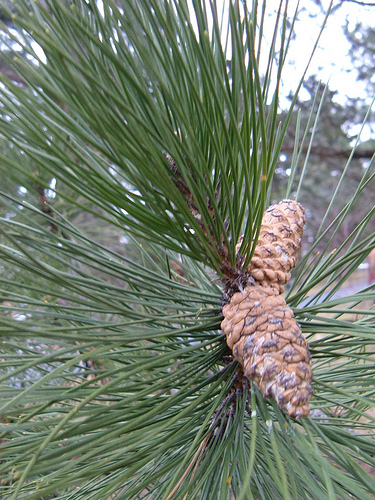
The Eastern White Pine is one of North America’s most iconic native conifers, admired for its soft, feathery needles, stately form, rapid growth, and ecological importance. Whether you’re a homeowner, landscaper, nursery professional, or horticulturist, this species delivers exceptional beauty and environmental value.   White Pine Care Guide Planting Requirements Light: Thrives in full sun, … Read more

Pinus nigra in Canada: A Hardy but Imperfect Landscape Pine

Although Pinus nigra (Austrian pine) is widely planted across Canada, especially in Ontario, it’s not without issues. I’ve never been its biggest fan, but there’s no denying its usefulness in challenging Canadian landscapes where few conifers tolerate urban stress, road salt, or poor soils. Below is a fresh, Canadian‑context overview of its origins, hardiness, landscape … Read more

Restorative Pruning: How to Rejuvenate Overgrown Trees and Shrubs the Right Way

Restorative pruning is the art and science of bringing neglected, overgrown, or damaged plants back to health. By selectively removing dead, crossing, or poorly structured branches, we guide trees and shrubs toward stronger form, better light penetration, and renewed growth. In this post, we explore when restorative pruning is needed, how to approach it safely, and the techniques that produce long-lasting results—ensuring your landscape thrives for years to come.