Rudbeckia ‘Goldsturm’: A Reliable Burst of Late-Summer Colour
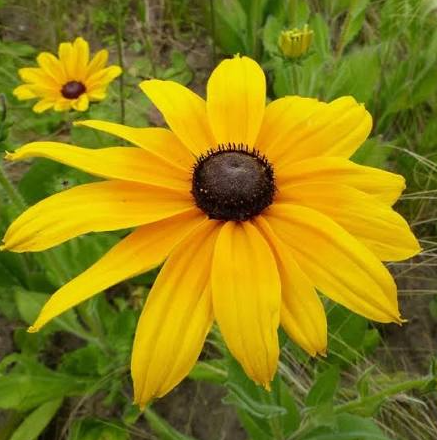
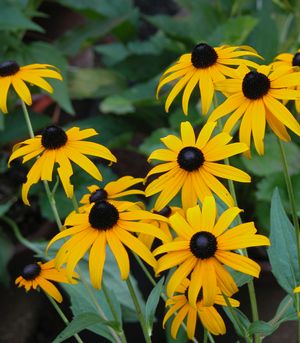
Few perennials are as recognizable and dependable as Rudbeckia fulgida var. sullivantii ‘Goldsturm’, commonly known as Black-Eyed Susan ‘Goldsturm’. With its golden-yellow petals surrounding a dark central cone, this award-winning perennial lights up gardens from midsummer through fall when many other plants are beginning to fade.
Its long bloom period, ease of care, drought tolerance, and value to pollinators have made it a staple in residential, commercial, and municipal landscapes across North America.
Origins of ‘Goldsturm’
Rudbeckia fulgida is a North American native perennial found naturally in meadows, open woods, glades, wetlands, and thickets throughout the eastern United States.
The cultivar ‘Goldsturm’, whose name translates from German as “golden storm,” was introduced into cultivation in 1937 and quickly became one of the most popular perennial selections in the gardening world. It received the Royal Horticultural Society’s Award of Garden Merit in 1993 and was named Perennial Plant of the Year in 1999.
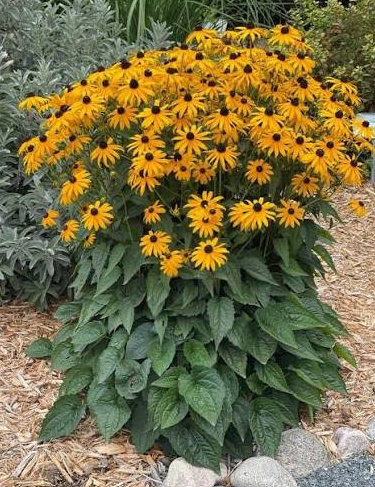
Why ‘Goldsturm’ Makes an Excellent Landscape Plant
Long Blooming Season
One of the greatest strengths of ‘Goldsturm’ is its exceptionally long flowering period.
Its cheerful yellow blooms typically appear from:
- Mid-summer
- Late summer
- Early fall
providing colour when many spring-flowering perennials have already finished.
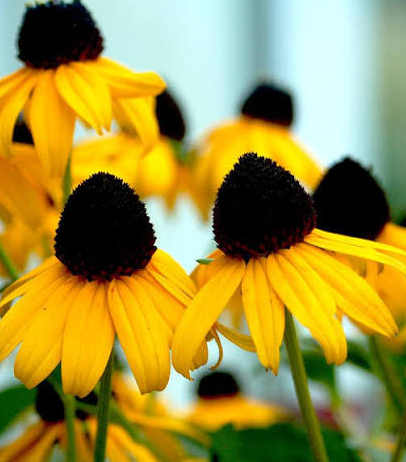
Pollinator Friendly
The flowers attract:
- Bees
- Butterflies
- Beneficial insects
After flowering, the seed heads remain attractive and provide food for birds, particularly finches.
Tough and Adaptable
‘Goldsturm’ is prized for its ability to tolerate:
- Heat
- Humidity
- Drought
- Clay soils
- Urban conditions
Once established, it performs reliably even in challenging growing environments.
Award-Winning Performance
Few perennials can match its proven record of garden performance, reliability, and widespread popularity.
Landscape Uses
Perennial Borders
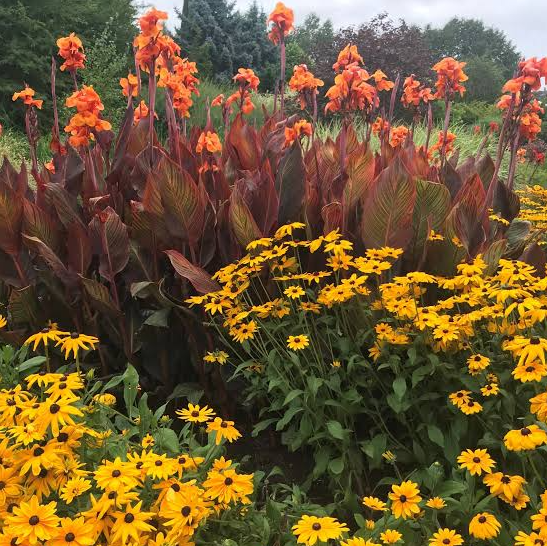
‘Goldsturm’ creates a brilliant splash of colour in mixed perennial beds where it combines beautifully with ornamental grasses, asters, sedum, and catmint.
Pollinator Gardens
Its nectar-rich flowers support a wide variety of pollinating insects throughout summer.
Naturalized Plantings
Because it spreads slowly through rhizomes, it works exceptionally well in naturalized landscapes and meadow gardens.
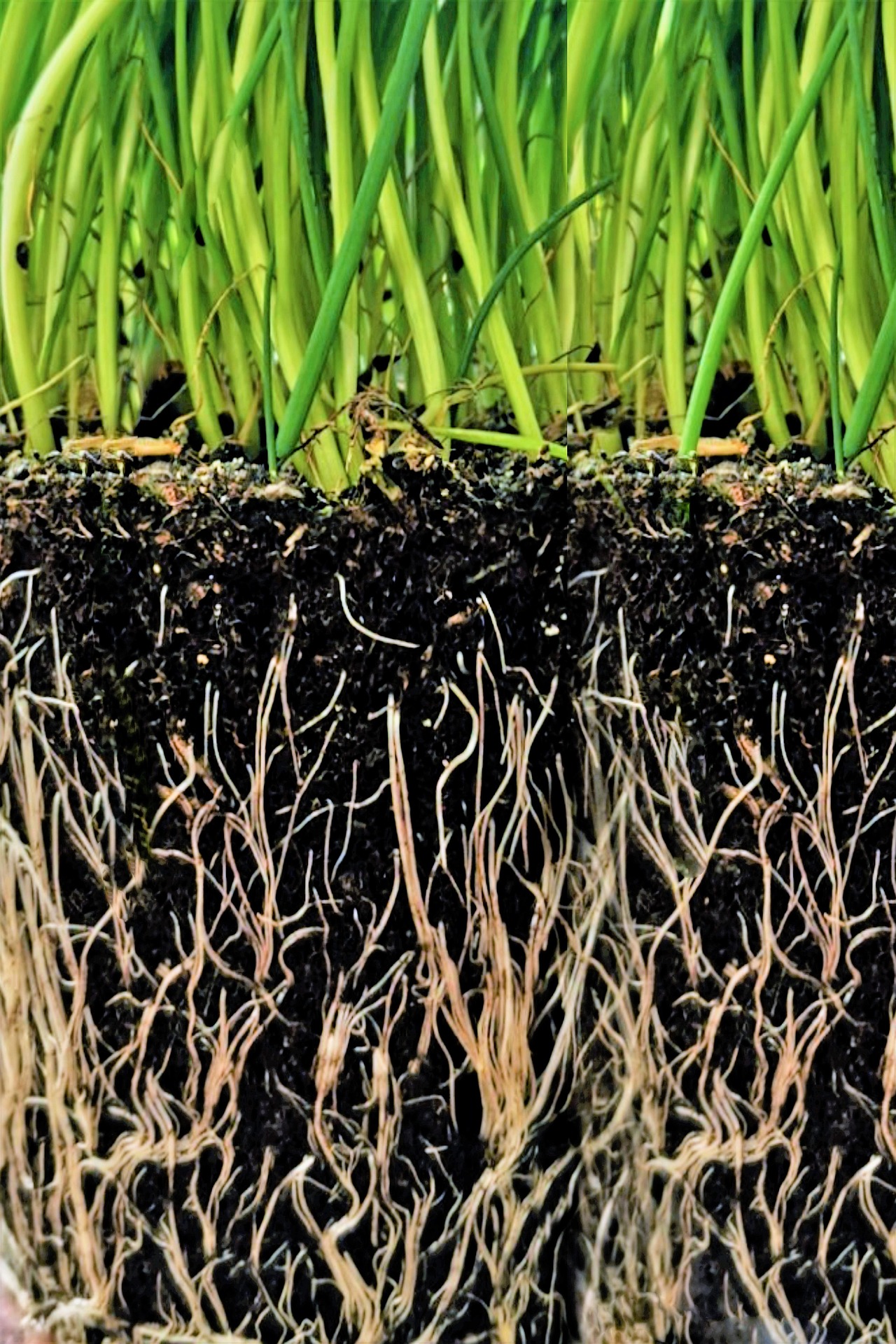
Note: A rhizome is a horizontal underground root-like stem that grows beneath the soil surface. Unlike roots, rhizomes contain buds and growing points that can produce new shoots, leaves, and roots. This allows certain plants to spread outward and form larger colonies over time.
Mass Plantings
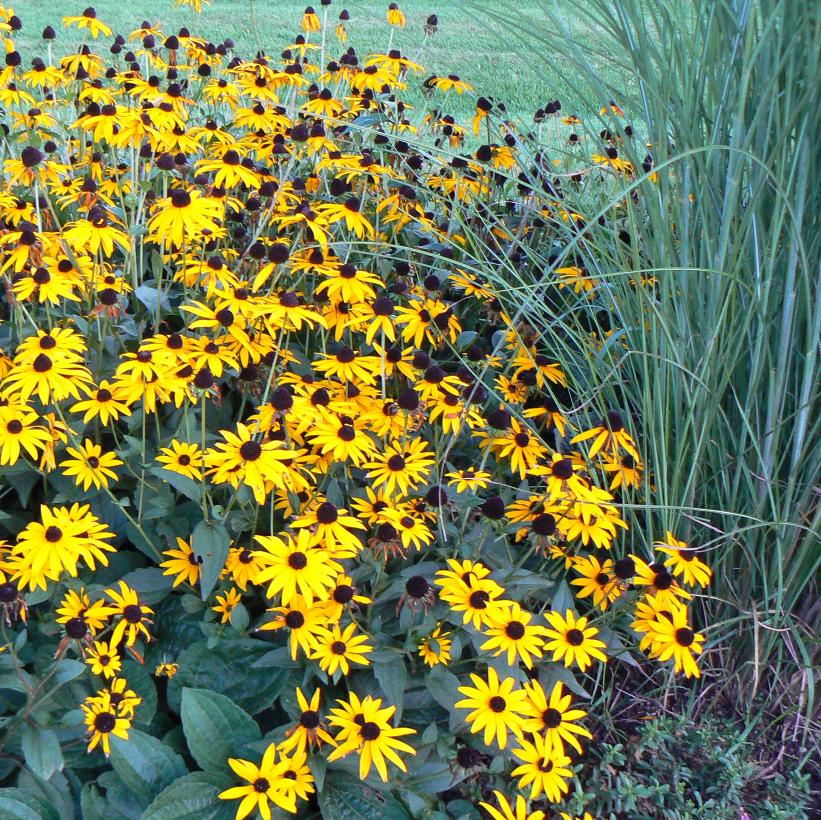
Large drifts of ‘Goldsturm’ create a dramatic visual effect in commercial landscapes, parks, and residential gardens.
Rain Gardens
Its adaptability to varying moisture levels makes it suitable for many rain garden applications.
Plant Characteristics
- Botanical Name: Rudbeckia fulgida var. sullivantii ‘Goldsturm’
- Common Name: Black-Eyed Susan
- Plant Type: Herbaceous perennial
- Height: 60–90 cm (2–3 feet)
- Spread: 30–60 cm (1–2 feet)
- Flower Colour: Golden yellow with dark brown center cone
- Bloom Time: June to September (often later)
- Hardiness: USDA Zones 3–9
How to Care for Rudbeckia ‘Goldsturm’
Sunlight
For the strongest flowering and best plant structure, provide:
Full Sun
The plant tolerates light shade but produces the most flowers in sunny locations.
Soil Requirements
‘Goldsturm’ grows well in:
- Loam
- Clay
- Average garden soil
- Well-drained soils
It is highly adaptable but performs best when drainage is adequate.
Watering
During establishment, water regularly.
After establishment, the plant becomes moderately drought tolerant and typically requires little supplemental irrigation except during prolonged dry periods.
Fertilizing
Heavy fertilization is generally unnecessary.
A yearly application of compost or a balanced slow-release fertilizer in spring is often sufficient.
Maintenance and Pruning
One reason for ‘Goldsturm’s’ popularity is its low-maintenance nature.
Recommended care includes:
- Deadheading spent flowers to encourage additional blooms
- Dividing overcrowded clumps every few years
- Cutting back old stems in late fall or early spring
- Maintaining good air circulation around plants
These simple practices help keep plants vigorous and attractive.
Common Pests and Diseases
‘Goldsturm’ is generally considered a durable and trouble-free perennial.
However, occasional issues may include:
Powdery Mildew
Most likely in humid weather or crowded plantings with poor airflow.
Leaf Spot Diseases
Angular leaf spot and Septoria leaf spot can occasionally occur, particularly in humid climates.
Crown Rot
Poorly drained soils can lead to crown or root problems. Good drainage is essential.
Fortunately, serious pest infestations are uncommon, making this one of the easiest perennials to grow successfully.
Why We Love ‘Goldsturm’
✅ Long bloom period
✅ Bright colour when other plants fade
✅ Pollinator friendly
✅ Bird-friendly seed heads
✅ Drought tolerant once established
✅ Deer resistant
✅ Easy care
✅ Excellent cut flowers
✅ Reliable return year after year
Conclusion
Rudbeckia fulgida ‘Goldsturm’ remains one of the finest landscape perennials available today. Its vibrant golden flowers, pollinator value, adaptability, and ease of care make it an excellent choice for borders, naturalized plantings, pollinator gardens, and commercial landscapes. If you’re looking for a perennial that delivers dependable late-season colour with minimal maintenance, ‘Goldsturm’ is truly a golden choice.