When most people think of flowering indoor plants, they often picture orchids or peace lilies. Yet one of the most striking and reliable indoor plants for commercial settings is the bromeliad.
With their bold architectural form, tropical appearance, and colorful flower bracts that can last for months, bromeliads are becoming increasingly popular in offices, hotels, healthcare facilities, and corporate reception areas.
For businesses looking to enhance their interior spaces through biophilic design, bromeliads offer an ideal combination of beauty, practicality, and low-maintenance care.
What Is a Bromeliad?
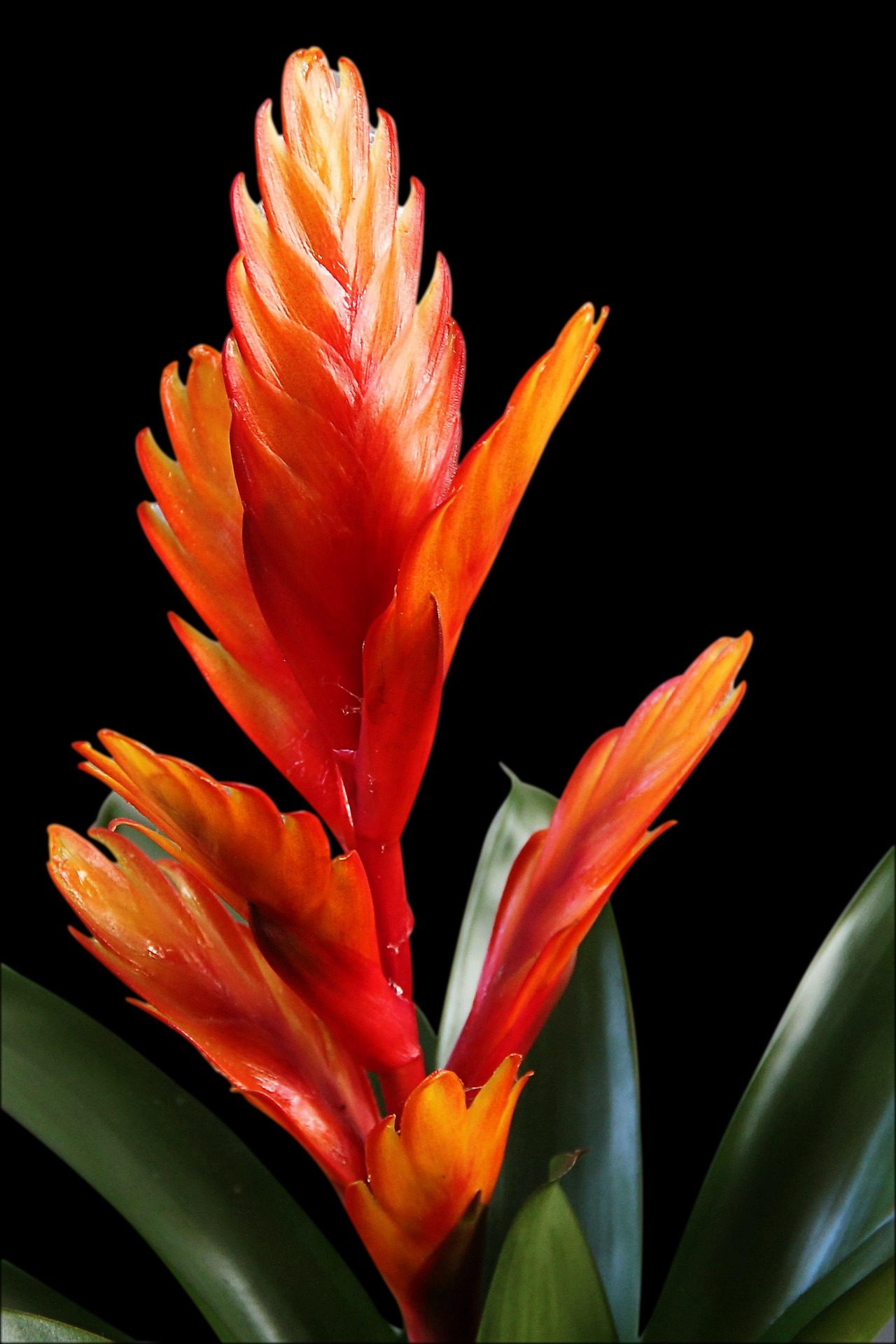
Bromeliads are a diverse family of tropical plants native to Central and South America. They are known for their distinctive rosette-shaped foliage and vibrant flower spikes that come in shades of red, pink, orange, yellow, purple, and even multicolored combinations.
Popular indoor bromeliad varieties include:
- Guzmania
- Vriesea
- Neoregelia
- Aechmea
- Tillandsia
- Cryptanthus
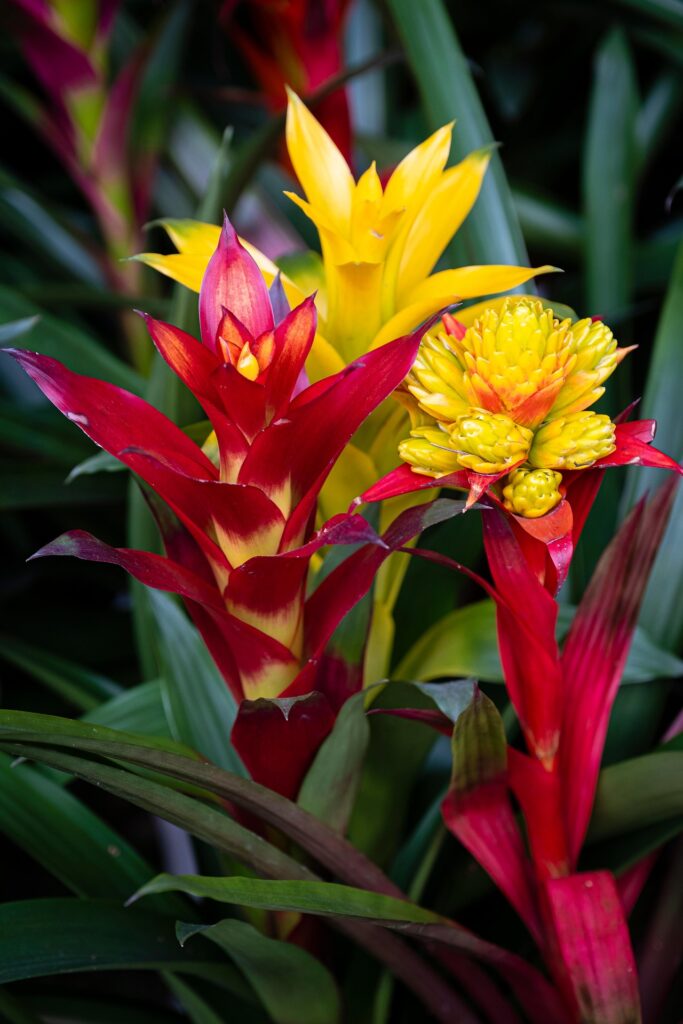
Each variety offers unique colours and growth habits, making bromeliads suitable for a wide range of interior design styles.
Why Bromeliads Make Excellent Office Plants
Long-Lasting Colour
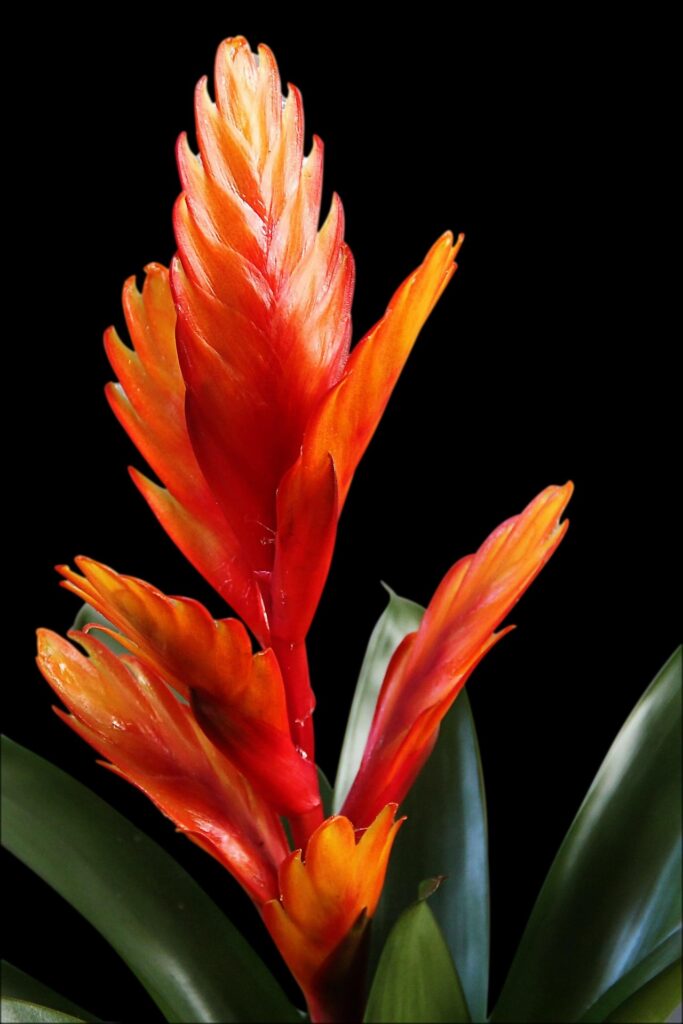
Unlike many flowering houseplants that bloom for only a few weeks, bromeliads provide colour for months at a time.
The brightly coloured structures often mistaken for flowers are actually specialized bracts that retain their appearance long after traditional flowers would fade.
For offices seeking year-round visual impact, few plants offer such a long-lasting display.
Low Maintenance Requirements
One of the biggest challenges in commercial interiors is maintaining healthy plants with minimal disruption to daily operations.
Bromeliads are remarkably easy to care for and do not require constant attention.
They thrive with:
- Moderate watering
- Bright indirect light
- Typical indoor temperatures
- Average indoor humidity levels
This makes them ideal for busy office environments where plant care may be limited.
Perfect for Reception Areas
Reception spaces often serve as a company’s first impression.
A vibrant bromeliad displayed on a reception desk, coffee table, or decorative planter immediately adds colour, sophistication, and warmth.
Their tropical appearance creates an inviting atmosphere while projecting professionalism and attention to detail.
Compact Growth Habit
Unlike plants that quickly outgrow indoor spaces, bromeliads remain relatively compact.
Their manageable size makes them ideal for:
- Reception desks
- Boardroom tables
- Executive offices
- Waiting rooms
- Break rooms
- Shelving displays
Even small offices can enjoy the benefits of living plants without sacrificing valuable workspace.
Support for Biophilic Design
Modern workplace design increasingly incorporates the principles of biophilia, which refers to our natural human connection to nature.
Research and experience have shown that incorporating natural elements into indoor environments can help create spaces that feel more welcoming, comfortable, and enjoyable.
Bromeliads contribute to biophilic design by introducing:
- Living greenery
- Vibrant natural colour
- Organic forms and textures
- Connections to tropical landscapes
These features help soften commercial interiors often dominated by hard surfaces, screens, and artificial materials.
Bromeliads and Workplace Wellness
Office environments can sometimes feel sterile and uninspiring. Introducing living plants can significantly improve the atmosphere.
Bromeliads help create spaces that feel:
- More welcoming
- More vibrant
- Less institutional
- More visually appealing
Employees and visitors alike tend to respond positively to spaces that incorporate natural elements.
This makes bromeliads a valuable addition to:
- Corporate offices
- Medical clinics
- Dental offices
- Hotels
- Financial institutions
- Government offices
- Educational facilities
How to Care for Bromeliads Indoors
One of the reasons bromeliads are so popular in interiorscaping is that they are surprisingly forgiving.
Light Requirements
Bromeliads prefer:
- Bright indirect light
- Filtered sunlight
- Locations near windows without intense afternoon sun
Direct sunlight can scorch foliage, while extremely low light may reduce colour intensity.
In most office environments, a location near an east- or north-facing window works exceptionally well.
Watering
Bromeliads are unique because many varieties collect water in their central cup or “tank.”
For best results:
- Keep a small amount of clean water in the central cup
- Refresh the water regularly
- Water the growing medium lightly when it begins to dry
- Avoid keeping the soil constantly wet
Overwatering is one of the most common causes of problems.
Humidity
Most bromeliads tolerate normal indoor humidity levels but appreciate occasional misting in particularly dry environments.
Offices with modern climate control systems are generally suitable.
Temperature
Bromeliads thrive in temperatures comfortable for people.
Ideal temperatures range from:
- 18°C to 27°C (65°F to 80°F)
Avoid placing them near cold drafts, heating vents, or frequently opening exterior doors.
Fertilization
Bromeliads require very little fertilizer.
A diluted balanced houseplant fertilizer applied occasionally during active growth is usually sufficient.
Overfertilizing can damage the plant and diminish bloom quality.
What Happens After Flowering?
One of the most interesting aspects of bromeliads is their life cycle.
Each plant flowers once in its lifetime. However, after blooming, the plant produces offsets known as “pups.”
These young plants grow around the base of the mother plant and can eventually mature into beautiful flowering plants of their own.
With proper care, a single bromeliad can generate multiple new plants, providing years of enjoyment.
Common Problems
Fortunately, bromeliads are relatively trouble-free.
Potential issues include:
Overwatering
Symptoms include:
- Soft foliage
- Crown rot
- Yellowing leaves
Always avoid soggy soil.
Insufficient Light
Plants may become dull in colour or fail to develop strong flowering displays.
Mineral Build-Up
Using softened or heavily treated water can sometimes cause leaf damage.
If possible, use filtered, distilled, or rainwater.
A Reliable Source for Quality Bromeliads
For businesses and plant enthusiasts in the Greater Toronto Area, we often source bromeliads from Valleyview Gardens in Markham, a well-known garden centre recognized for its extensive selection of tropical and indoor plants. Their greenhouse regularly carries a diverse assortment of bromeliads in a range of colours and sizes, making it easier to find the perfect plant for office interiors, reception areas, and commercial spaces.
Final Thoughts
Few plants combine tropical beauty, vibrant colour, and easy care as successfully as bromeliads. Their long-lasting displays, compact size, and low maintenance requirements make them one of the best indoor plants for offices and commercial interiors.
Whether you’re enhancing a reception area, brightening a conference room, or incorporating biophilic design into your workplace, bromeliads offer a professional, elegant solution that delivers impact without demanding extensive care.
For businesses seeking to create healthier, more welcoming environments, bromeliads are a colorful investment that continues to impress long after they arrive.