When winter strips most landscapes of colour, Cornus sanguinea ‘Midwinter Fire’ steps into the spotlight. This exceptional ornamental shrub is celebrated for its fiery stems that glow in shades of yellow, orange, and crimson throughout the coldest months of the year. Its vibrant winter display, combined with easy care and year-round appeal, has made it one of the most popular dogwoods for modern landscapes.
Whether used as a focal point, mass planting, or naturalized specimen, ‘Midwinter Fire’ provides visual interest long after other garden plants have gone dormant.
Origins and Background
‘Midwinter Fire’ is a cultivated selection of Cornus sanguinea, commonly known as the European bloodtwig dogwood. The species is native to Europe and parts of western Asia, where it naturally grows in hedgerows, woodland edges, and open countryside.
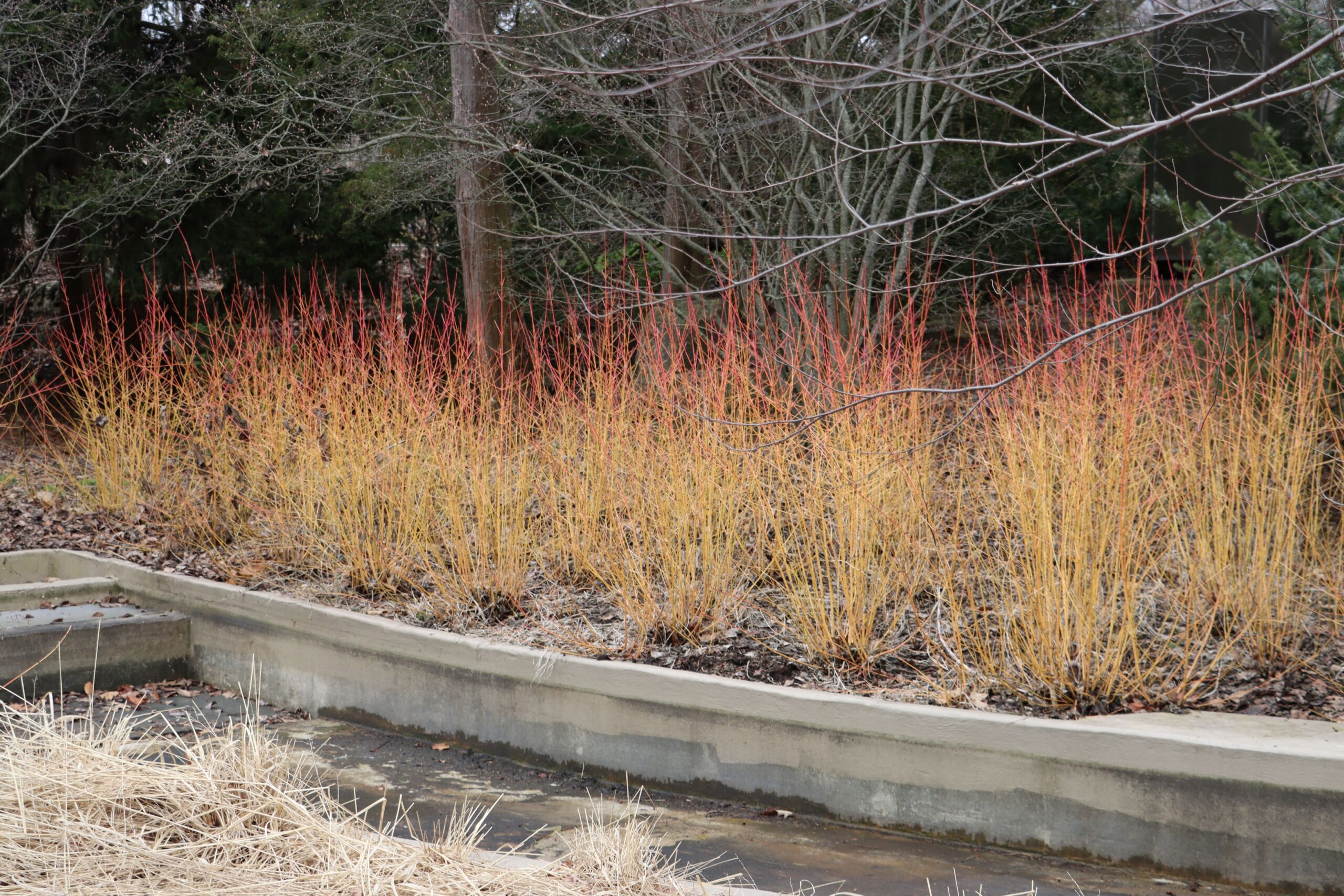
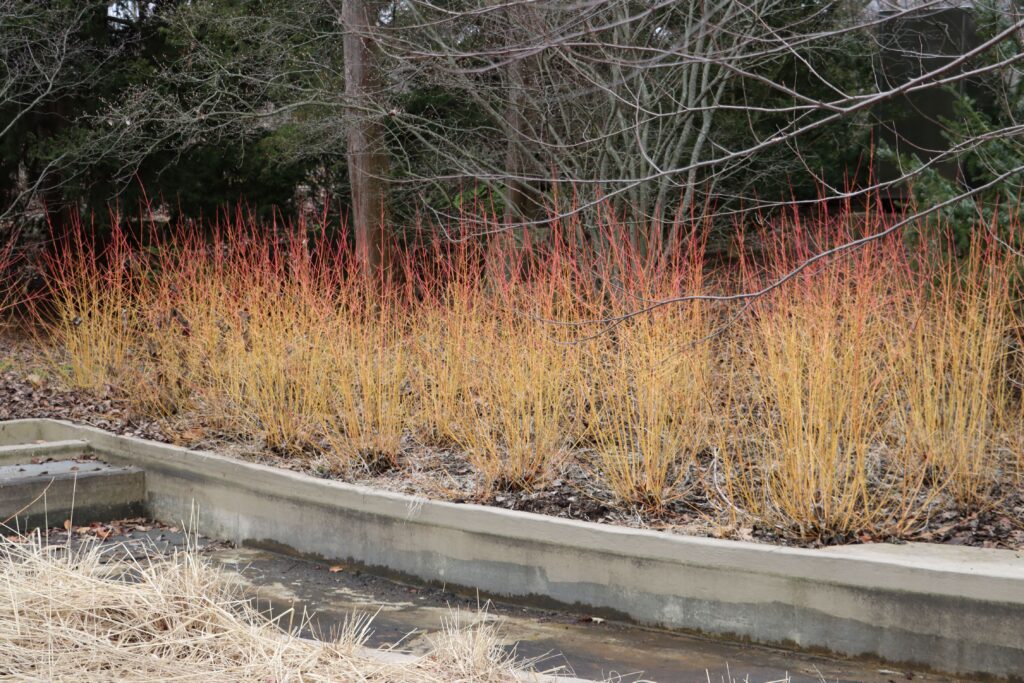
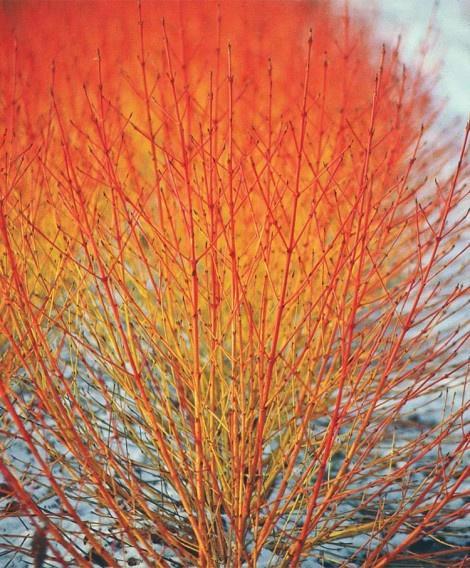
This cultivar was selected specifically for its outstanding stem colour. Unlike the species, which typically develops reddish stems, ‘Midwinter Fire’ displays a striking gradient of colour. The stems emerge golden yellow near the base, transition through bright orange, and finish with vivid red tips, creating the appearance of glowing flames in the winter garden.
Plant Characteristics
- Botanical Name: Cornus sanguinea ‘Midwinter Fire’
- Common Name: Midwinter Fire Dogwood
- Plant Type: Deciduous shrub
- Mature Height: 5 to 6 feet (1.5 to 1.8 metres)
- Mature Spread: 5 to 6 feet (1.5 to 1.8 metres)
- Hardiness: USDA Zones 4 to 7
- Growth Rate: Moderate
- Light Requirements: Full sun to partial shade
In late spring, the shrub produces clusters of small creamy-white flowers. These are followed by dark purple-black berries in summer that attract birds. Autumn brings golden-yellow to orange foliage before the leaves drop, revealing the spectacular winter stems.
Landscape Uses
Winter Interest Gardens
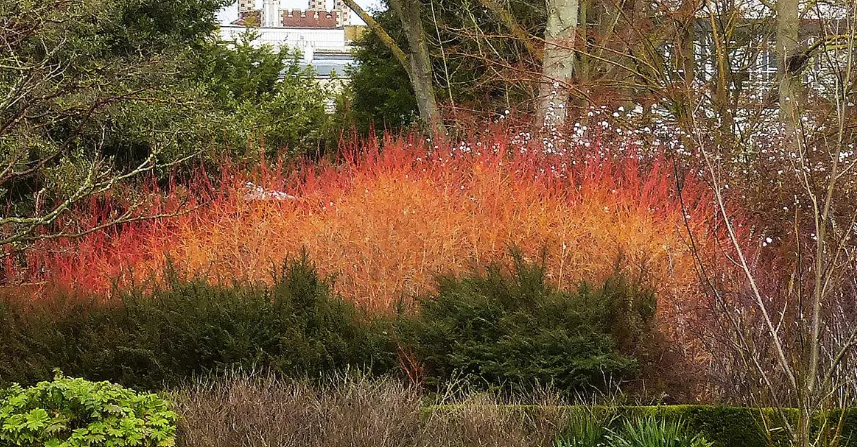
The primary appeal of ‘Midwinter Fire’ lies in its winter colour. Few shrubs can rival its ability to brighten a dormant landscape. The stems become especially dramatic when backlit by low winter sunlight or contrasted against snow-covered ground.
Mixed Shrub Borders
This dogwood combines beautifully with evergreen plants such as:
- Spruce
- Juniper
- Yew
- Cedar
- Boxwood
The dark foliage of evergreens enhances the brilliance of the colourful stems during winter.
Mass Plantings
Planting several specimens together creates an impressive display of warm colour. Groupings of three, five, or more shrubs provide the greatest visual impact and can be seen from considerable distances.
Foundation Plantings
Its manageable size makes it well suited for foundation beds where it adds seasonal interest without overwhelming nearby structures.
Rain Gardens
Because it tolerates moist soil conditions, ‘Midwinter Fire’ is often used in rain gardens, bioswales, and other naturalized areas designed to manage stormwater runoff.
Wildlife Gardens
The flowers attract pollinating insects, while the berries provide food for birds. Dense branching also offers shelter for wildlife throughout the year.
Erosion Control
Its suckering habit allows it to stabilize slopes and banks, making it a useful shrub for erosion-prone landscapes.
Growing Conditions
Sunlight
For the brightest stem colour, plant ‘Midwinter Fire’ in full sun. While it will tolerate partial shade, reduced sunlight often results in less intense winter colour.
Soil
This shrub adapts well to a wide variety of soil types, including:
- Clay soils
- Sandy soils
- Loamy soils
It performs best in fertile, moisture-retentive, well-drained soil rich in organic matter.
Watering
Newly planted shrubs require regular watering during establishment. Once mature, they are reasonably tolerant of short dry periods but perform best when soil moisture remains consistent.
Pruning and Maintenance
One of the keys to maintaining brilliant winter colour is proper pruning. The brightest stems develop on young growth.
Renewal Pruning
Every two to three years, cut the shrub back close to the ground in early spring. This encourages vigorous new stems that will provide the strongest colour the following winter.
Selective Pruning
For gardeners who prefer a more natural appearance, remove roughly one-third of the oldest stems each spring. This maintains the shrub’s shape while continually encouraging new colourful growth.
Mulching
A layer of organic mulch around the root zone helps:
- Conserve soil moisture
- Suppress weeds
- Regulate soil temperature
- Improve soil quality over time
Potential Pests
Cornus sanguinea ‘Midwinter Fire’ is generally considered a low-maintenance shrub with few serious pest problems. However, occasional issues may include:
- Aphids
- Scale insects
- Spider mites
- Dogwood sawfly larvae
Most infestations are minor and can be managed through proper cultural care and regular monitoring.
Potential Diseases
Like many dogwoods, this cultivar can occasionally be affected by:
- Anthracnose
- Leaf spot
- Powdery mildew
- Stem cankers
Maintaining good air circulation, avoiding prolonged drought stress, and removing damaged branches can help prevent most disease issues.
Why Choose Cornus sanguinea ‘Midwinter Fire’?
Few shrubs offer such exceptional four-season interest. In spring, it produces delicate flowers. Summer brings attractive green foliage and berries. Autumn delivers warm foliage colour. Winter reveals its signature display of glowing stems that illuminate the landscape when colour is often scarce.
For gardeners seeking a hardy, adaptable, and visually striking shrub, Cornus sanguinea ‘Midwinter Fire’ remains one of the best choices available. Its fiery winter stems ensure that even the coldest months of the year can be filled with colour and beauty.