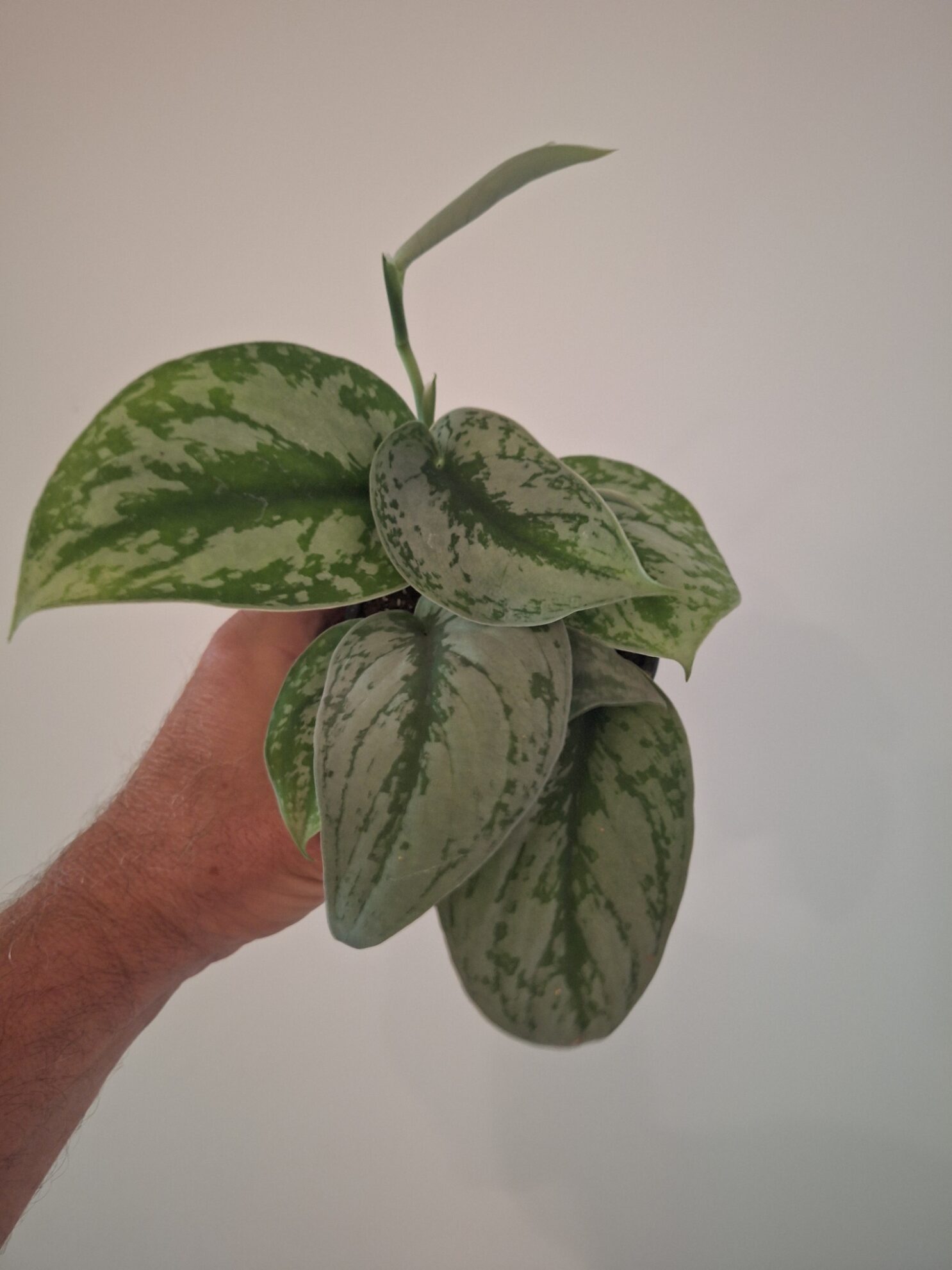
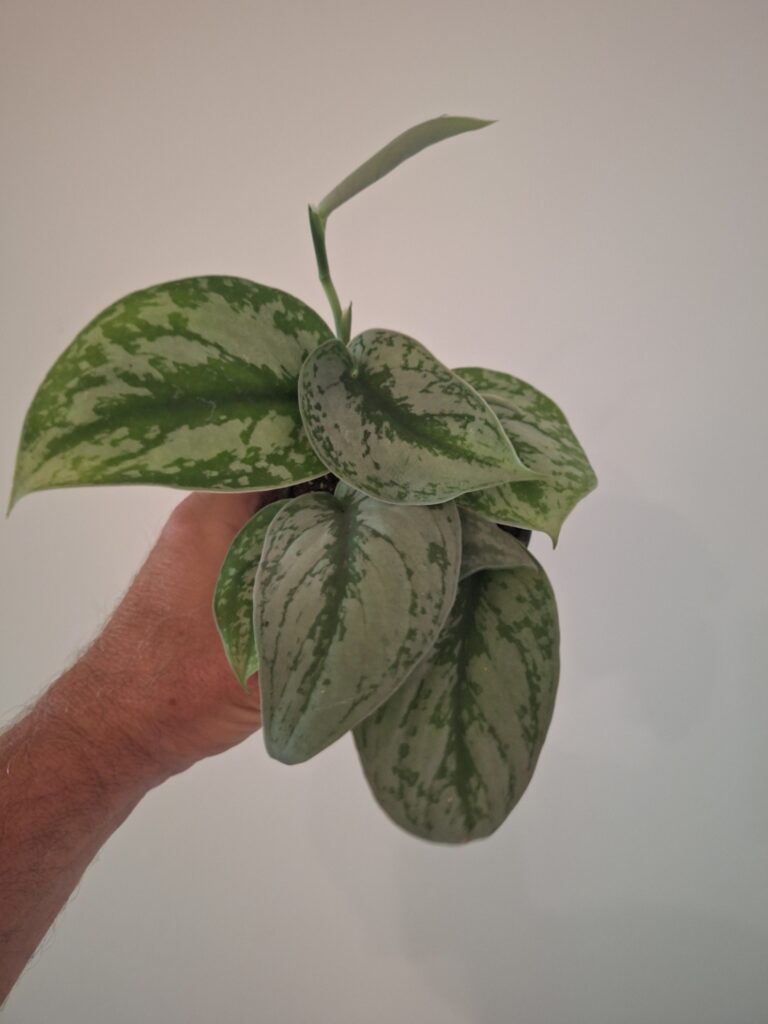
While preparing for a recent presentation, I stopped by Valleyview Gardens to pick up several plants to use as door prizes and giveaways. One plant that immediately caught my eye was the beautiful Satin Pothos – Scindapsus pictus. With its striking silver-spotted foliage and easy-going nature, it is easy to understand why this plant has become a favourite among both novice and experienced indoor gardeners.
Despite its common name, Satin Pothos is not a true pothos. It belongs to the genus Scindapsus, but its trailing growth habit and durability have earned it a place alongside some of the most popular houseplants in the world.
Origins and Natural Habitat
Satin Pothos is native to the tropical rainforests of Southeast Asia, including regions of Bangladesh, Thailand, Malaysia, the Philippines, Indonesia, and surrounding areas. In its natural habitat, it grows as a climbing vine beneath the forest canopy, attaching itself to tree trunks and branches using aerial roots.
The dappled light of the rainforest floor has shaped the plant’s adaptive nature. This explains why Satin Pothos performs so well indoors, where light levels are often lower than those found outdoors.
Why Satin Pothos Is So Popular
What makes Satin Pothos truly special is its foliage. The heart-shaped leaves have a rich green colour with a soft, almost velvety appearance. Silver speckles and patches scattered across the leaf surface create a shimmering effect that seems to glow under indoor lighting.
Key features include:
- Attractive silver-variegated foliage
- Elegant trailing or climbing growth habit
- Low maintenance requirements
- Tolerance of average household conditions
- Suitable for beginners
- Excellent office plant
- Adaptable to hanging baskets and decorative containers
Its sophisticated appearance allows it to fit equally well in contemporary, traditional, or tropical interior designs.
Interior Plant Uses
Hanging Baskets
Satin Pothos is exceptionally attractive when grown in hanging baskets. Its cascading vines can eventually reach several feet in length, creating a lush waterfall of foliage.
Shelf and Cabinet Displays
The trailing stems soften hard edges on bookshelves, cabinets, and plant stands, making it a popular choice for interior decorators.
Office Environments
Because it tolerates moderate light levels and occasional neglect, Satin Pothos is an excellent plant for offices, reception areas, and conference rooms.
Living Walls
The plant’s climbing nature makes it suitable for green wall installations and vertical gardening projects.
Tabletop Displays
Young plants remain compact and attractive in decorative pots, making them ideal for desks, coffee tables, and side tables.
Growing Requirements
Light
Satin Pothos prefers bright, indirect light.
Ideal locations include:
- East-facing windows
- Bright north-facing rooms
- Locations near south or west windows with filtered light
Avoid prolonged direct sunlight, which can scorch the leaves and reduce their attractive colouration.
While it tolerates lower light conditions, growth will slow and silver markings may become less pronounced.
Watering
One of the most common mistakes with Satin Pothos is overwatering.
Allow the top 1 to 2 inches of soil to dry before watering thoroughly. The plant prefers slightly moist soil but dislikes sitting in water.
Signs of overwatering include:
- Yellowing leaves
- Soft stems
- Root rot
Signs of underwatering include:
- Curling leaves
- Drooping foliage
- Crispy leaf edges
A consistent watering routine usually keeps the plant healthy and thriving.
Soil Requirements
Satin Pothos grows best in a well-draining potting mix.
We use ProMix BX for most of our interior plants.
Temperature and Humidity
As a tropical plant, Satin Pothos prefers warm temperatures.
Ideal conditions include:
- Temperatures between 18°C and 27°C
- Moderate to high humidity
- Protection from cold drafts
While it adapts well to average household humidity levels, increased humidity often results in larger leaves and more vigorous growth.
Fertilizing
Feed Satin Pothos monthly during spring and summer using a balanced liquid houseplant fertilizer at half strength.
Reduce or eliminate fertilization during fall and winter when plant growth naturally slows.
Pruning and Training
Regular pruning encourages fuller growth and prevents stems from becoming leggy.
Trim vines just above a leaf node to promote branching.
Plants can also be trained to climb:
- Moss poles
- Trellises
- Decorative supports
Climbing plants often develop larger leaves than those allowed to trail.
Propagation
One of the easiest houseplants to propagate, Satin Pothos can be multiplied from stem cuttings.
Simply:
- Cut a healthy stem below a node.
- Remove lower leaves.
- Place the cutting in water or moist potting mix.
- Wait for roots to develop.
This makes it an excellent plant for sharing with friends, family, or fellow plant enthusiasts.
Potential Pests
Although generally trouble-free, Satin Pothos can occasionally attract:
- Spider mites
- Mealybugs
- Scale insects
- Fungus gnats
Regular inspection and proper watering practices help prevent most pest problems.
Potential Diseases
Most disease issues are related to excessive moisture and poor drainage.
Potential concerns include:
- Root rot
- Fungal leaf spots
- Stem rot
Ensuring proper drainage and avoiding overwatering are the best preventative measures.
Benefits of Growing Satin Pothos Indoors
Beyond its visual appeal, Satin Pothos offers several advantages:
- Enhances interior aesthetics
- Adds a tropical feel to living spaces
- Requires minimal maintenance
- Suitable for beginners
- Adaptable to various light conditions
- Easy to propagate and share
- Provides year-round greenery
Why Satin Pothos Deserves a Place in Your Office
Among the plants I selected from Valleyview Gardens for my presentation giveaways, Satin Pothos stood out as one of the most versatile and attractive choices. Its silver-speckled leaves, forgiving nature, and elegant trailing growth make it a plant that almost anyone can enjoy successfully.
Whether displayed in a hanging basket, trained up a moss pole, or allowed to spill gracefully from a shelf, Scindapsus pictus brings a touch of tropical sophistication to any indoor space. For gardeners looking for an easy-care houseplant that combines beauty with reliability, Satin Pothos is an outstanding choice.