What Is Restorative Pruning?
Restorative pruning, also called renewal pruning, is a technique used to bring neglected or overgrown shrubs back to health and beauty. Unlike light maintenance pruning, which focuses on shaping and removing minor growth, restorative pruning involves removing older, unproductive stems to stimulate vigorous new growth. This process restores the plant’s natural form, improves air circulation, and encourages abundant flowering in future seasons.
Why Do Shrubs Need Restorative Pruning?
Several factors can lead to shrubs requiring renewal pruning:
Years of Neglect
Shrubs left unpruned for multiple seasons often develop dense, tangled growth. This blocks sunlight and airflow, leading to weak stems and fewer blooms.
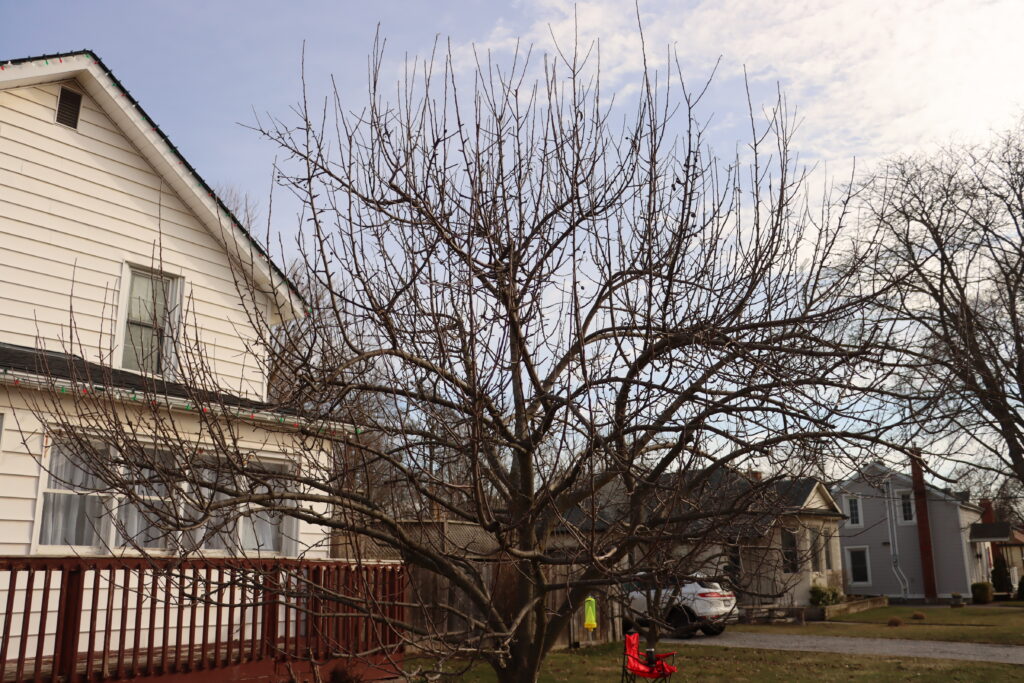
Restorative pruning regains control over the plants, allowing them to grow healthfully. Once the overgrowth is brought under control, seasonal pruning will keep their growth in check.
Improper Pruning Practices
Shearing shrubs into tight shapes or pruning at the wrong time can stress plants, reduce flowering, and encourage excessive woody growth. This is an exceptionally poor maintenance practice. In the trade, we call this “lollipopping”.
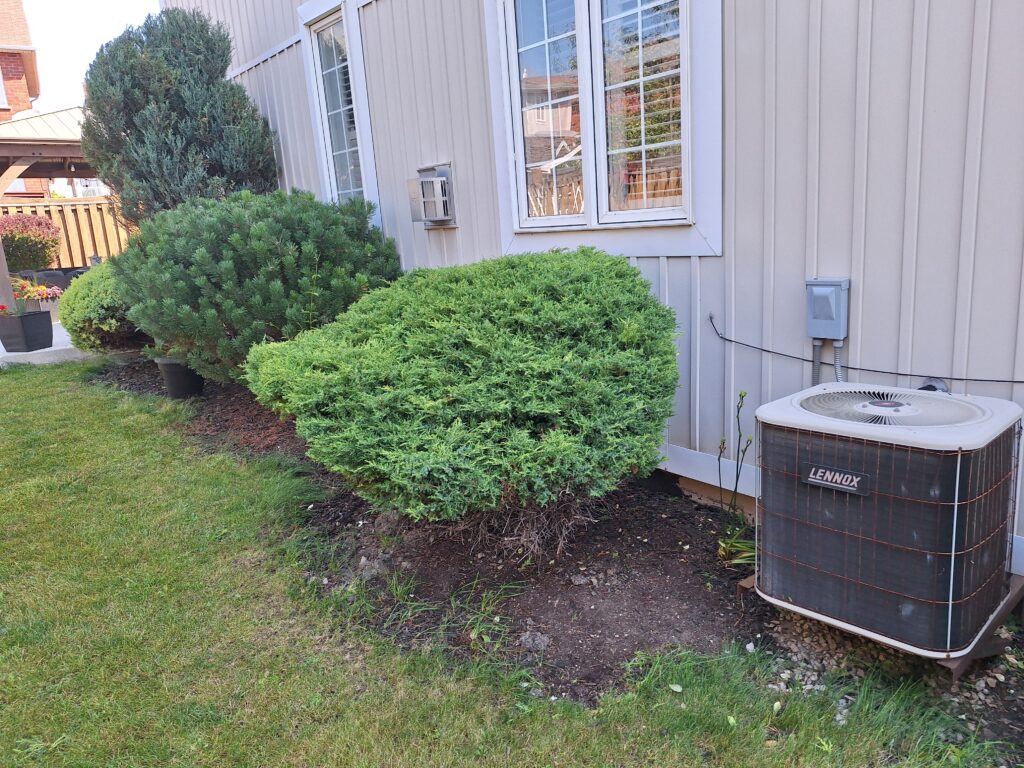
Age of the Plant
Older shrubs accumulate dead or unproductive wood, which needs removal to maintain vigor.
Environmental Stress
Storm damage, pests, or disease can leave shrubs with uneven growth or dead sections that require corrective pruning.
Overcrowding
When shrubs grow too close together, they compete for light and nutrients, resulting in poor structure and reduced flowering. This is a common occurrence as landscape designers tend to over-plant gardens to give their client’s an “instant landscape”.
Timing Matters
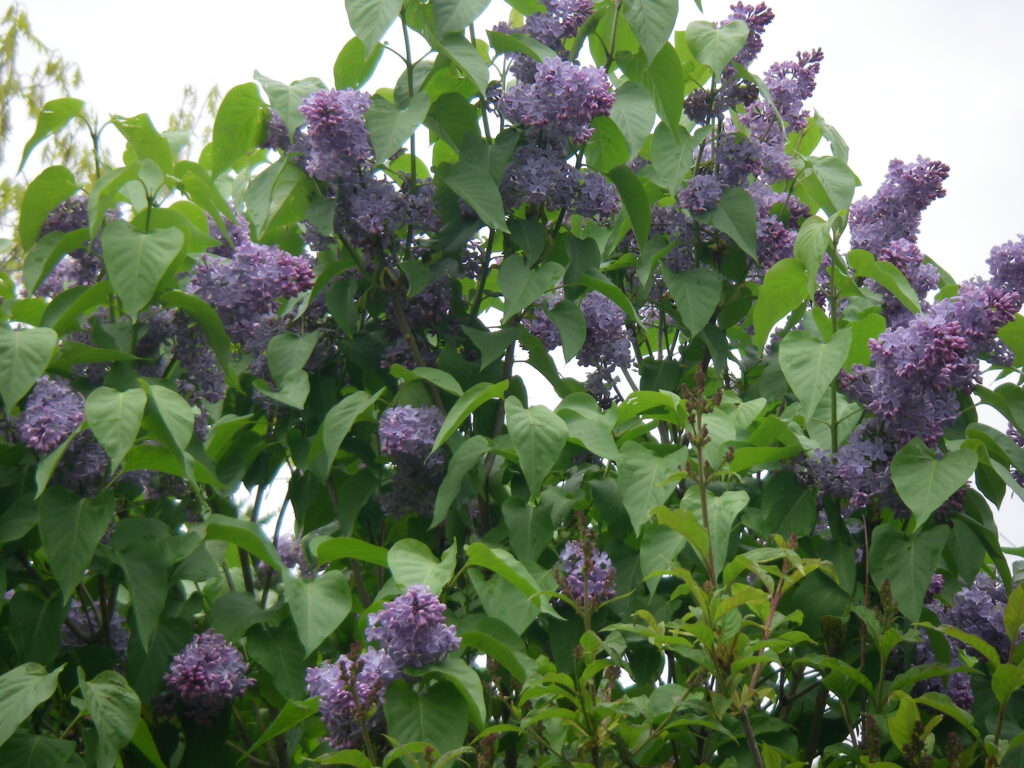
- Spring-flowering shrubs (e.g., lilac, forsythia, rhododendron):
- Bloom on old wood (last year’s growth).
- Prune immediately after flowering, not when dormant, to avoid cutting off next year’s buds. This pruning also stimulates productive growth in the plant potentially improving the next season’s bloom.
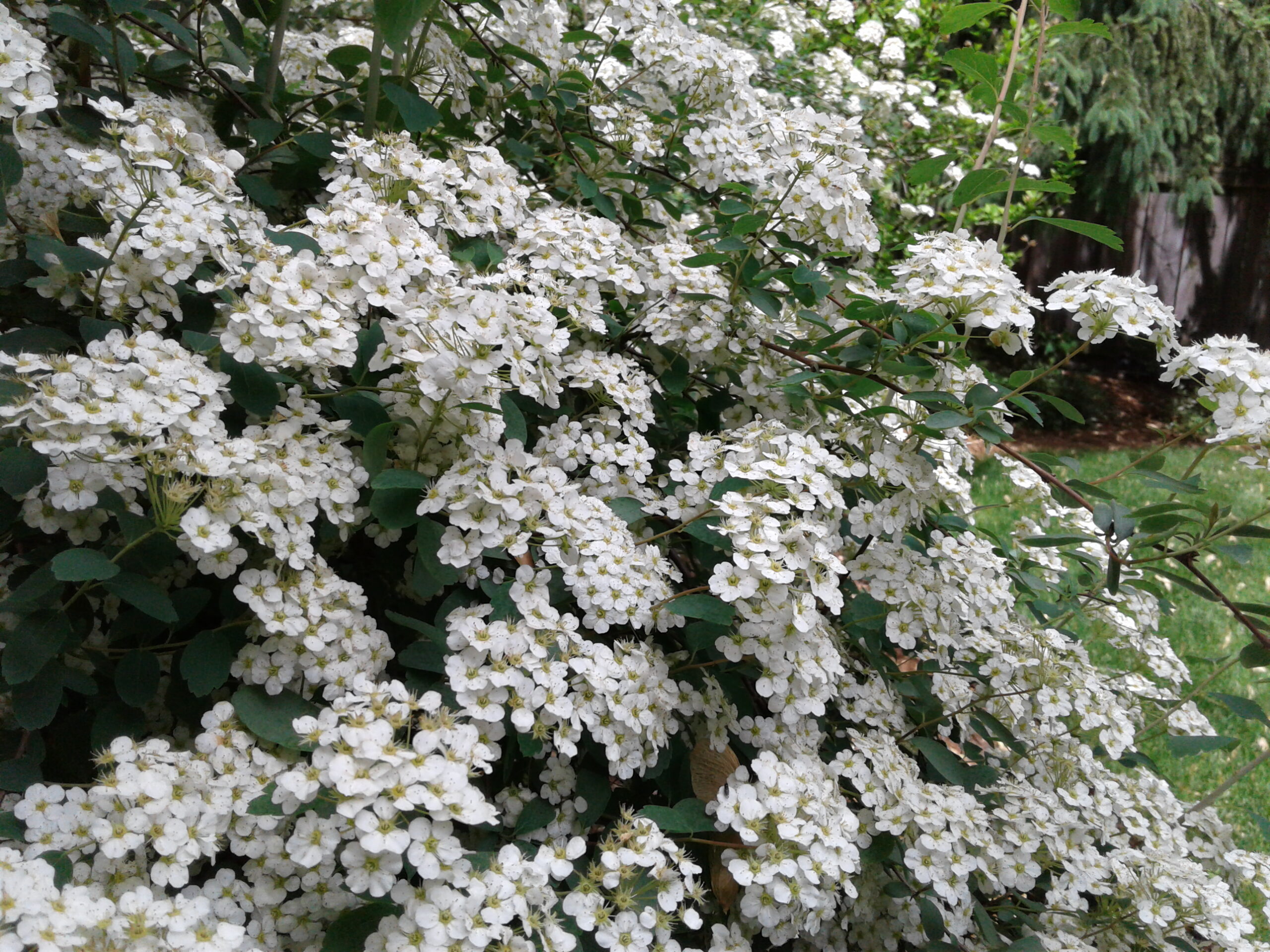
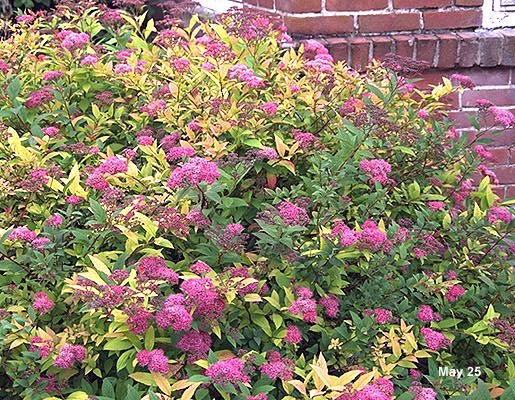
- Summer-flowering shrubs (e.g., potentilla, spiraea, roses):
- Bloom on new wood (current season’s growth).
- Prune in late winter or early spring before new growth starts. For shrubs such as potentilla, the more and more vigorous the growth is, the better the blooming.
The Process of Restorative Pruning
- Step 1: Assess the plant
- Look for dead, diseased, or crossing branches.
- Remove any dead or diseased material.
- Step 2: Remove oldest stems
- Cut 1/3 of the oldest stems to the base each year for 2–3 years (gradual renewal).
- Step 3: Thin and shape
- Open up the center for air circulation and light penetration.
- Step 4: Avoid shearing
- Focus on selective cuts rather than hedge trimming.
- Many people prefer the “manicured” look of a sheared shrub but the look is not sustainable. It eventually results in an unhealthy plant that will likely need severe restorative pruning or replacement
With plants that should have one main leader (apical dominance) we may have to perform a more involved pruning called Subordination Pruning. I’ll likely write a post about that unique technique in the near future.
Expectations
- Flower loss the first season:
- Spring bloomers likely will lose flowers because old wood is removed.
- Long-term benefits:
- Regular pruning after renewal keeps shrubs healthy and blooming well. The goal is to end up with a shrub that blooms well every year.
Extra Tips
- Use sharp, clean tools to ensure clean cuts which heal quickly. Clean cuts prevent disease. And use good tools. Bite the bullet and invest in he best quality tool that fits your budget.
- Fertilize and mulch after pruning to support recovery. Fertilizing can be a topdressing of compost or a HIGH quality slow release fertilizer developed for woody plants.
- For severely neglected shrubs, consider cutting back to 6–12 inches (“hard pruning” also called coppicing) but only for species that tolerate it (e.g., spiraea, potentilla—not lilacs or rhododendrons).
As always call on us if you have any comments or questions. We are here to help.
matt@verdantlandscaping.ca
905-299-9403