Juniperus squamata ‘Blue Star’: A Favourite Among Landscape Professionals
Few evergreen shrubs offer the distinctive colour and architectural appeal of Juniperus squamata ‘Blue Star’. Its bright blue foliage stands out in the landscape throughout the year, providing contrast against green shrubs, flowering perennials, ornamental grasses, and natural stone.
Blue Star Juniper has become a favourite among homeowners, designers, and landscape contractors (and ME!) because it combines beauty with durability. Once established, it requires relatively little maintenance while delivering reliable performance in a wide range of growing conditions.
Whether used as a specimen plant, massed in groupings, or incorporated into a rock garden design, Blue Star Juniper adds texture, colour, and four-season interest to the landscape.
Origins and Background
Juniperus squamata, commonly known as Single-Seed Juniper or Flaky Juniper, is native to mountainous regions of Central Asia, the Himalayas, western China, Afghanistan, and parts of northern Asia. In its natural habitat, it grows on rocky slopes, exposed mountain terrain, and well-drained soils where it is subjected to challenging environmental conditions.
The cultivar ‘Blue Star’ originated as a naturally occurring mutation of Juniperus squamata ‘Meyeri’, another popular blue-foliaged juniper. Plant breeders recognized its dense, compact growth habit and unusually vivid blue colour and introduced it into cultivation.
Since then, Blue Star has become one of the most widely planted dwarf junipers in North America and Europe. Its compact size and attractive foliage make it particularly valuable in landscapes where space is limited but visual impact is desired.
Plant Characteristics
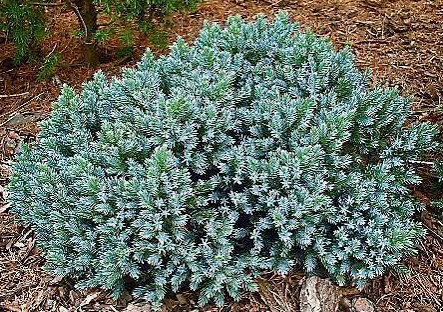
Blue Star Juniper is a slow-growing evergreen shrub that forms a dense, rounded mound.
Mature Size
- Height: 60 to 90 cm (2 to 3 feet)
- Spread: 90 to 150 cm (3 to 5 feet)
Foliage
- Striking silvery-blue needles
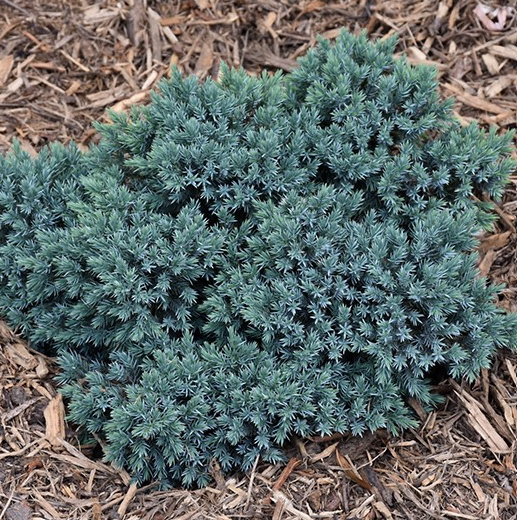
- Dense, star-shaped clusters of foliage
- Exceptional year-round colour
- Maintains colour through winter
The unique needle arrangement gives the plant its common name, creating a star-like appearance across the surface of the shrub.
Growth Rate
- Slow growing
- Dense and compact habit
- Long-lived in the landscape
- Minimal pruning required
Its slower growth rate makes it an excellent choice for landscapes where predictable size and low maintenance are priorities.
Why Blue Star Juniper Stands Out
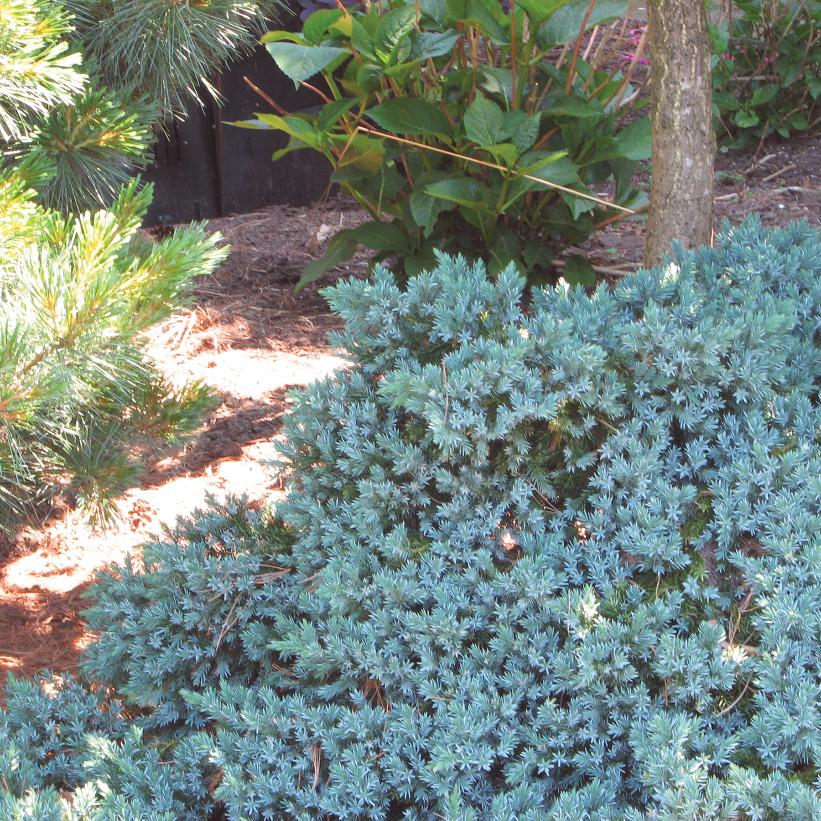
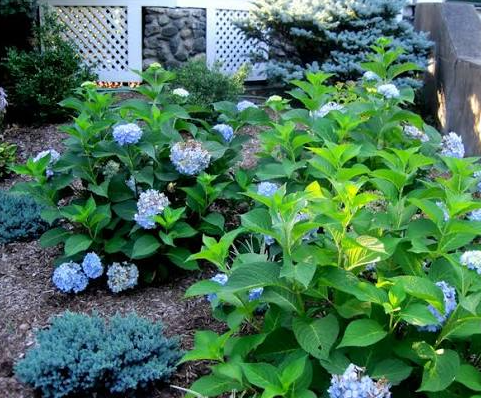
The primary attraction of Blue Star Juniper is its remarkable foliage colour. While many evergreen shrubs provide shades of green, Blue Star offers cool blue tones that add sophistication and visual contrast.
The colour pairs beautifully with:
- Ornamental grasses
- Hydrangeas
- Purple-leaved shrubs
- Natural boulders
- Perennial gardens
The blue foliage is especially striking when covered with a light dusting of snow during winter.
Ideal Growing Conditions
Full Sun Is Essential
Blue Star Juniper performs best when planted in:
- Full sun
- A minimum of six hours of direct sunlight daily
Insufficient sunlight can cause reduced density, weaker growth, and less vibrant foliage colour.
Soil Requirements
One of Blue Star’s greatest strengths is its adaptability.
It grows successfully in:
- Sandy soils
- Gravelly soils
- Rocky sites
- Loam soils
- Moderately poor soils
Excellent drainage is critical. Like many junipers, Blue Star does not tolerate continuously wet soil.
Drought Tolerance
Once established, Blue Star Juniper is highly drought tolerant.
This makes it an excellent choice for:
- Xeriscaping
- Water-wise gardens
- Slopes
- Parking lot islands
- Commercial landscapes
- Difficult growing sites
Its ability to thrive with minimal supplemental irrigation makes it a sustainable landscape choice.
Landscape Uses
Rock Gardens
Blue Star Juniper is often considered one of the finest conifers for rock gardens.
Its compact size and striking blue foliage provide a natural complement to:
- Decorative stone
- Gravel mulch
- Boulders
- Alpine plantings
Foundation Plantings
The low-growing habit makes it ideal for foundation beds where larger shrubs may eventually become overgrown.
Blue Star provides year-round structure without obstructing windows or walkways.
Specimen Plant
Because of its unique colour and rounded form, Blue Star performs exceptionally well as a focal point.
A single plant can create a strong visual statement in smaller gardens.
Mixed Shrub Borders
Its cool blue colouring creates contrast within mixed shrub plantings, helping break up large masses of green foliage.
Container Gardens
Younger specimens can be grown successfully in large containers, adding evergreen structure to patios, balconies, and entrances.
Commercial Landscapes
Property managers often choose Blue Star Juniper because of its:
- Low maintenance requirements
- Drought tolerance
- Attractive appearance
- Year-round interest
It is frequently used around office buildings, municipalities, and retail developments.
Care and Maintenance
Watering
Water regularly during the establishment period.
Once established:
- Water deeply but infrequently
- Avoid overwatering
- Allow soil to dry between irrigations
Excess moisture causes more problems than drought.
Fertilization
Blue Star Juniper generally requires little feeding.
A light application of a balanced slow-release fertilizer in spring is usually sufficient if growth appears weak.
Overfertilization can lead to excessive, less attractive growth.
Pruning
Very little pruning is needed.
Simply remove:
- Dead branches
- Damaged branches
- Occasional irregular growth
Avoid severe pruning into old wood, as junipers often do not regenerate well from older stems.
Mulching
A layer of mulch helps:
- Conserve soil moisture
- Moderate soil temperature
- Suppress weeds
Keep mulch away from the crown of the plant to prevent moisture-related issues.
Common Pests
Blue Star Juniper is generally considered a dependable and resilient shrub, but occasional pest problems may occur.
Spider Mites
Spider mites are the most common pest affecting junipers.
Symptoms include:
- Foliage bronzing
- Yellowing needles
- Fine webbing
- Reduced vigour
Problems are most common during hot, dry weather.
Scale Insects
Scale insects may occasionally appear on stems and branches.
Signs include:
- Yellowing foliage
- Reduced growth
- Branch decline
Early detection helps prevent serious infestations.
Common Diseases
Root Rot
Root rot is often the result of poorly drained soils.
Symptoms include:
- Browning foliage
- Dieback
- Reduced vigour
- Plant decline
Proper drainage is the most effective prevention.
Tip Blight
Tip blight can occasionally affect new growth.
Symptoms include:
- Browning shoot tips
- Dead branch ends
- Thinning foliage
Good air circulation and proper spacing can help reduce disease pressure.
Deer Resistance
Blue Star Juniper is often considered moderately deer resistant.
While no landscape plant is completely immune to browsing, the aromatic foliage and prickly texture make it less appealing than many deciduous shrubs and perennials.
It can be a valuable option in landscapes where deer pressure is a concern.
Why Blue Star Juniper Is One of My Favourite Junipers
Blue Star Juniper combines many of the qualities that landscape professionals value most:
- Exceptional blue foliage colour
- Four-season landscape interest
- Compact size
- Minimal maintenance
- Drought tolerance
- Adaptability to challenging sites
- Attractive form and texture
- Excellent longevity
- Strong performance in residential and commercial landscapes
The combination of durability and beauty is difficult to match. Few evergreen shrubs provide such distinctive colour while remaining so reliable and easy to grow.
Final Thoughts
Juniperus squamata ‘Blue Star’ continues to be one of the most popular dwarf conifers in modern landscape design. Its brilliant blue foliage, compact habit, and ability to thrive in difficult conditions make it a versatile choice for a wide range of applications.
Whether planted in a rock garden, foundation bed, commercial landscape, or mixed border, Blue Star Juniper delivers year-round visual appeal with surprisingly little maintenance. For gardeners seeking a hardy evergreen that offers both colour and character, Blue Star remains one of the finest junipers available.