Meet Hydrangea paniculata ‘Bouncy’
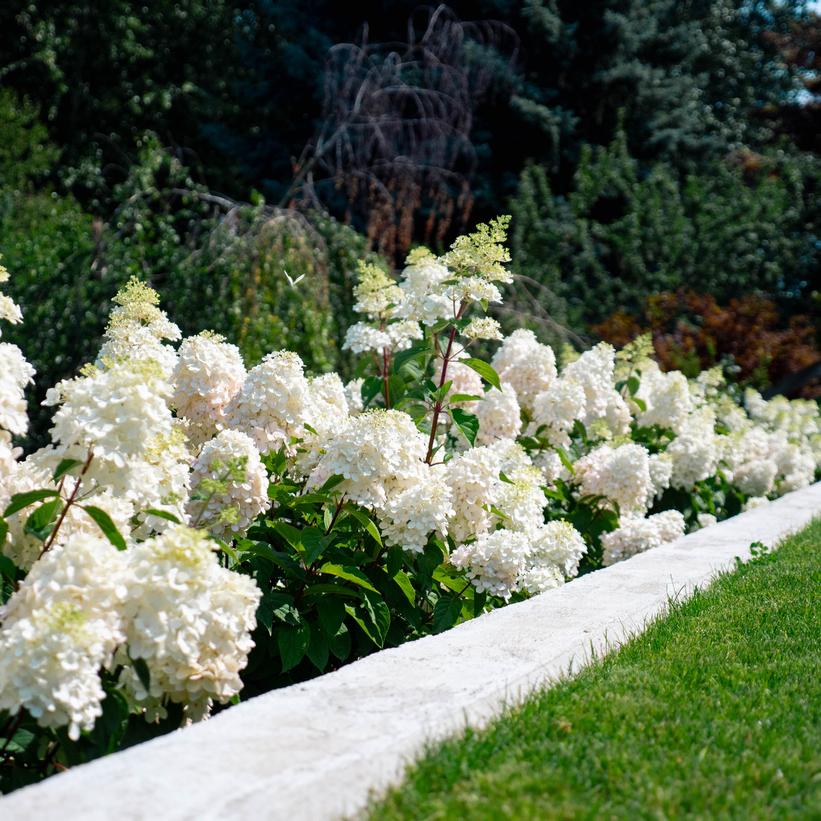
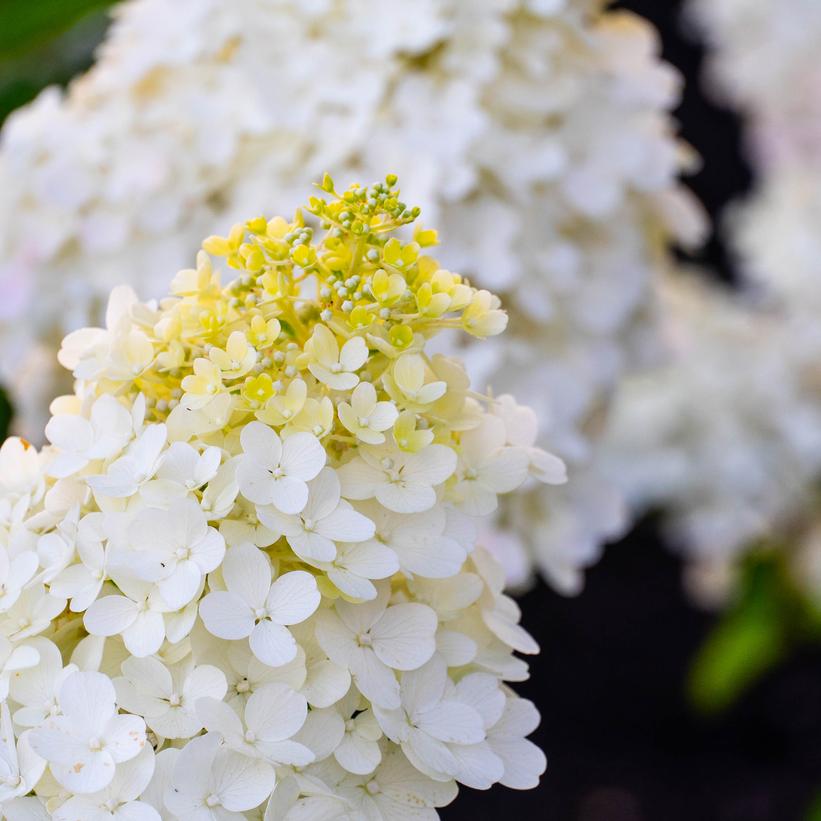
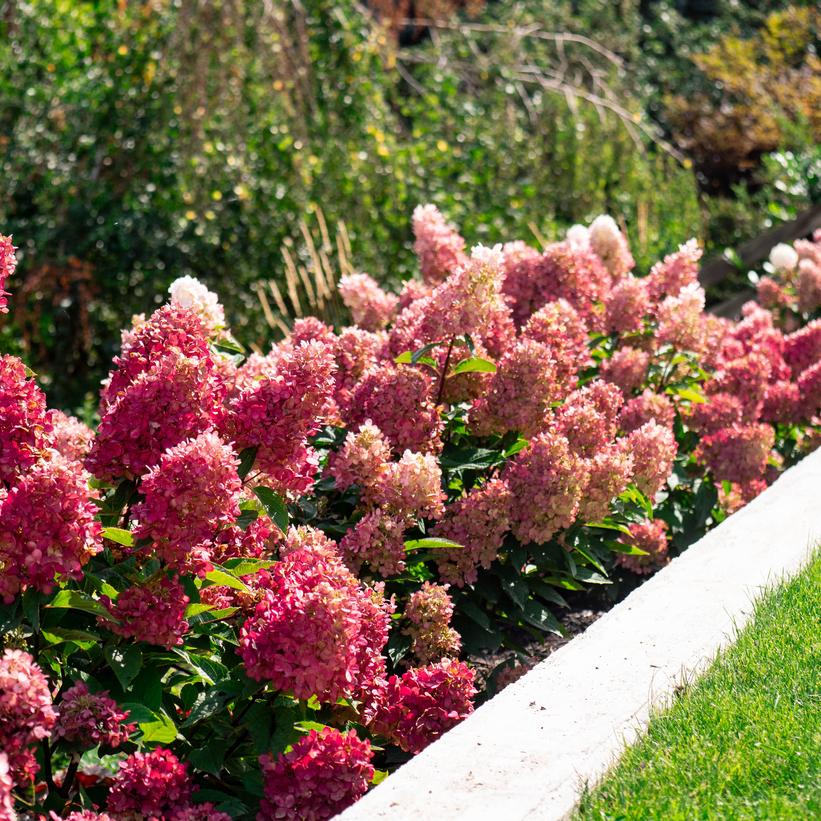
Hydrangea paniculata ‘Bouncy’ is one of the newest introductions in the world of panicle hydrangeas, bred to solve one of the most common complaints gardeners have with large-flowered hydrangeas: flopping stems. This exceptional cultivar produces impressive 12–15-inch white flower panicles on remarkably strong, dark red stems that remain upright through rain, wind, and summer storms. As the season progresses, the blooms mature from creamy white to attractive rosy pink tones, extending the ornamental display well into autumn.
With a mature size of approximately 4–5 feet tall and wide, ‘Bouncy’ fits comfortably into residential landscapes while still providing substantial visual impact. It is hardy in Zones 3–8 (some sources indicate 4–9), making it suitable for gardens across much of Canada and the northern United States.
Origins and Plant Background
‘Bouncy’ is a patented cultivar marketed through the Bloomin’ Easy plant collection. Its botanical name is Hydrangea paniculata ‘Bokomabo’ Like all panicle hydrangeas, it traces its ancestry to species native to China, Japan, and parts of eastern Asia.
Panicle hydrangeas have become increasingly popular because they offer exceptional cold hardiness, reliable flowering, and adaptability to a wide range of landscapes. Unlike many bigleaf hydrangeas, paniculata varieties bloom on new wood, providing dependable flowers even after harsh winters.
Why Gardeners Love ‘Bouncy’
Strong Stems That Resist Flopping
The defining feature of ‘Bouncy’ is its “spring-loaded” stems. Heavy summer rains that can flatten other hydrangea cultivars have little effect on this plant. The sturdy stems keep the large flower heads upright and attractive throughout the growing season.
Long Bloom Season
Flowers begin appearing in mid-summer as showy white panicles with subtle green highlights. As temperatures cool, blooms gradually transition to varying shades of pink and rose, creating months of interest.
Reliable Flowering
Since flowers develop on current-season growth, winter injury rarely impacts bloom production. This makes ‘Bouncy’® an excellent choice for northern climates.
Pollinator Value
The flowers attract bees, butterflies, and other beneficial pollinators, adding ecological benefits to their ornamental appeal.
Landscape Uses
Hydrangea ‘Bouncy’ is highly versatile in the landscape.
Foundation Plantings
Its tidy habit and manageable size make it ideal for planting near homes, commercial buildings, and entrances.
Mixed Shrub Borders
Pair it with ornamental grasses, coneflowers, black-eyed Susans, Russian sage, or dwarf evergreens for season-long interest.
Hedges and Screens
Planted 4–5 feet apart, ‘Bouncy’ creates a flowering hedge that delivers summer and fall colour.
Cottage Gardens
Its large blooms add a traditional cottage-garden charm while requiring far less maintenance than older hydrangea selections.
Cut Flower and Dried Flower Gardens
The sturdy stems and long-lasting blooms make excellent fresh-cut flowers and attractive dried arrangements.
Urban Landscapes
Its compact size and durability make it particularly valuable for smaller residential properties and commercial plantings.
Growing Conditions
Light
For best flowering and strongest stems, provide:
- Full sun in cooler regions
- Morning sun with some afternoon shade in hotter climates
Soil
Avoid sites that remain waterlogged, as excessive moisture can encourage root problems.
Water
Provide regular watering during establishment and extended dry periods. Once established, panicle hydrangeas are more drought-tolerant than many other hydrangea species but still perform best with consistent moisture.
Pruning Guide
One of the greatest advantages of panicle hydrangeas is their simple pruning requirements.
When to Prune
The ideal time is:
- Late winter
- Very early spring before growth begins
Since flowers form on new wood, pruning will not remove the upcoming season’s flower buds.
How to Prune
- Remove dead, damaged, or crossing branches.
- Thin out weak stems.
- Reduce overall size by approximately one-third if desired.
- Encourage strong structure by maintaining several healthy framework stems.
Avoid excessive summer pruning, which can reduce plant vigor and flowering potential.
Pest and Disease Pressures
‘Bouncy’ is generally considered a low-maintenance and trouble-free hydrangea.
Potential issues may include:
Aphids
Occasionally found on young stems and foliage. Usually controlled naturally by beneficial insects.
Powdery Mildew
Can occur during humid weather, particularly where air circulation is poor. Proper spacing and pruning help reduce the risk.
Leaf Spot
Minor leaf spotting may occur under prolonged wet conditions. Good sanitation and proper watering practices can help.
Root Rot
Most commonly associated with poorly drained soils. Avoid planting in locations where water remains after rainfall.
Deer
Like many hydrangeas, deer may browse the foliage when food sources are limited, although severe damage is not always common.
Final Thoughts
Hydrangea paniculata ‘Bouncy’ is a welcome addition to the expanding lineup of modern panicle hydrangeas. Its combination of strong stems, abundant blooms, long-lasting colour, cold hardiness, and easy maintenance makes it an excellent choice for homeowners, landscape contractors, and garden designers alike.
Whether used as a specimen plant, a flowering hedge, or part of a mixed border, ‘Bouncy’ delivers reliable summer-to-fall beauty with very little effort.
Need Help Choosing the Right Hydrangea?
Every landscape is unique, and selecting the right plant for the right place can make all the difference. If you’re considering adding hydrangeas or other ornamental shrubs to your garden, we’re always happy to help. From plant selection and design advice to planting and long-term care recommendations, our team is ready to help you create a beautiful and successful landscape. Contact us anytime—we love talking plants! 🌿