Anthuriums are tropical plants loved for their glossy foliage and vibrant spathes, making them popular as indoor plants and cut flowers. Native to the rainforests of Central and South America, these plants thrive in warm, humid conditions—perfect for adding a lush, exotic vibe to your home or office.
What is Anthurium hookeri ‘Bird’s Nest’?
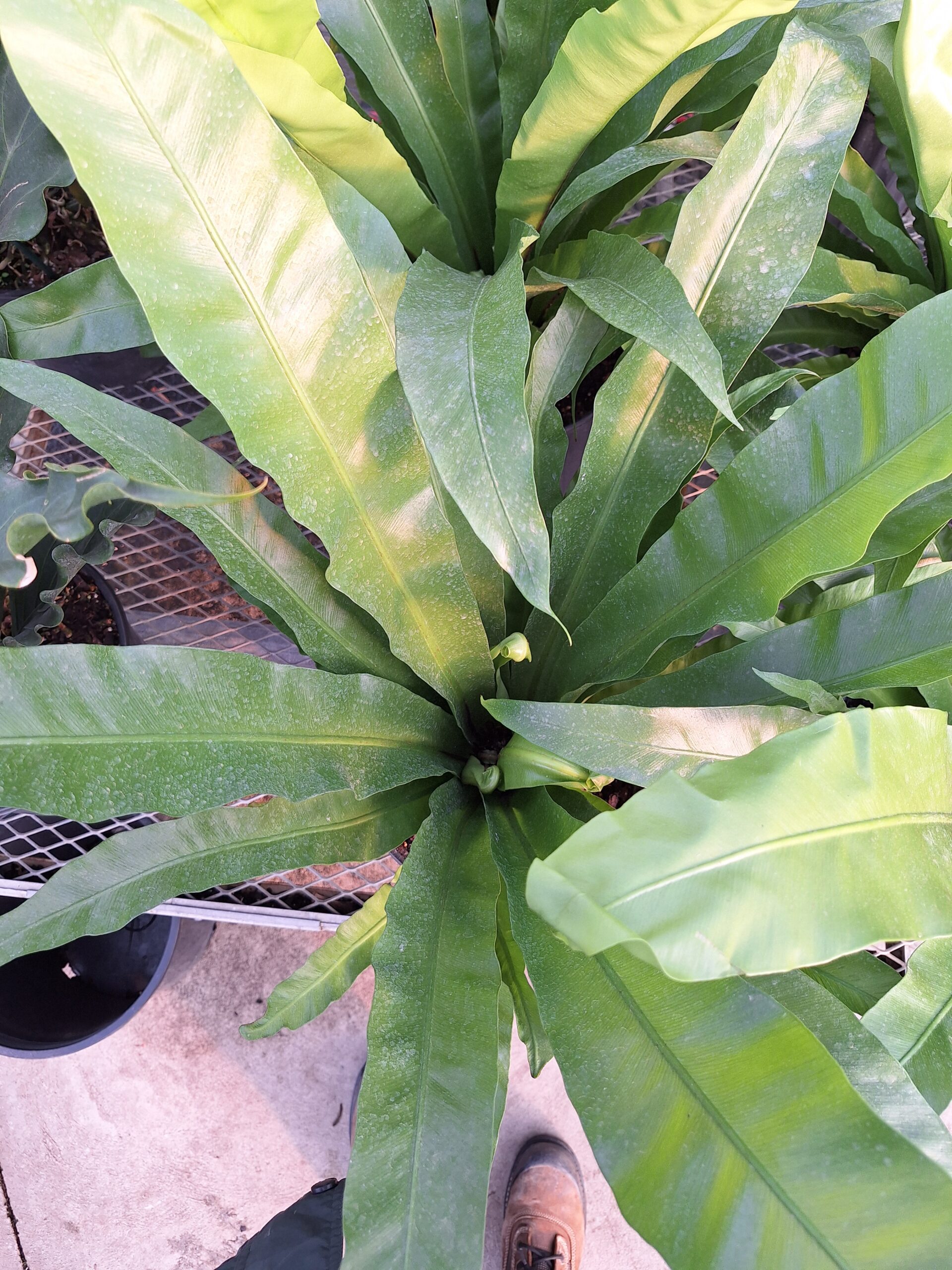
The Bird’s Nest Anthurium (Anthurium hookeri) is a stunning foliage plant that stands out for its large, leathery leaves arranged in a rosette pattern. Unlike flowering Anthuriums, this variety is prized for its bold foliage, making it a favorite for interior plant design and tropical décor.
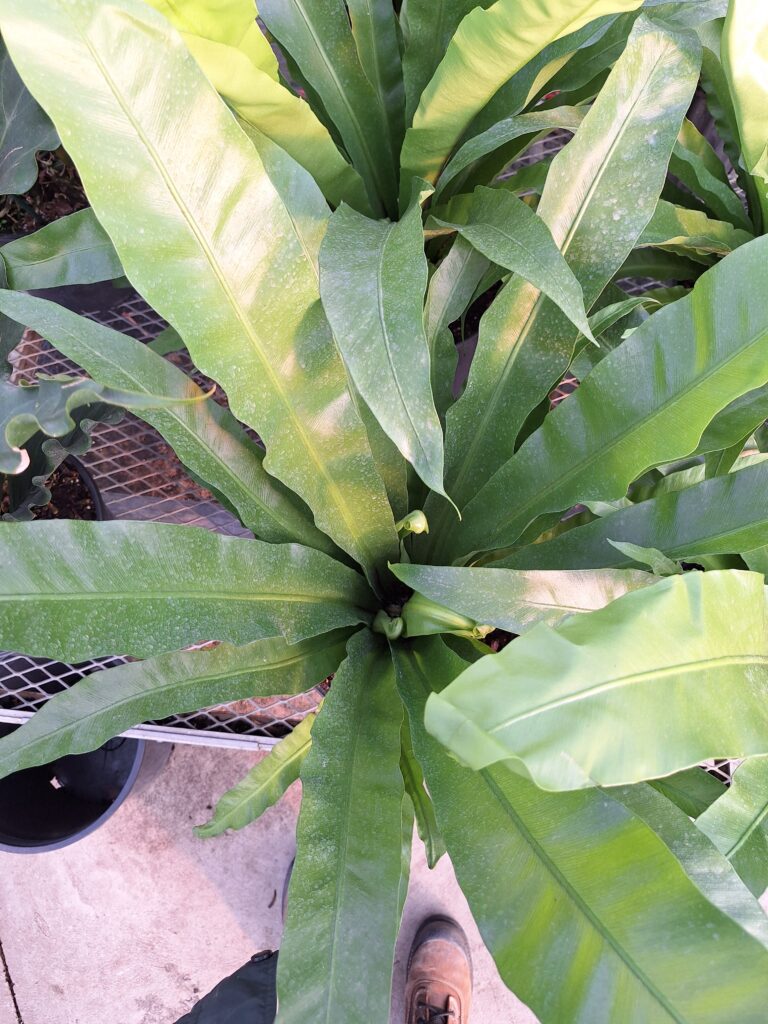
Origins of Anthurium
This species originates from tropical regions of the Caribbean and South America, where it grows under tree canopies in humid environments. Its natural habitat explains why it loves bright, indirect light and high humidity indoors.
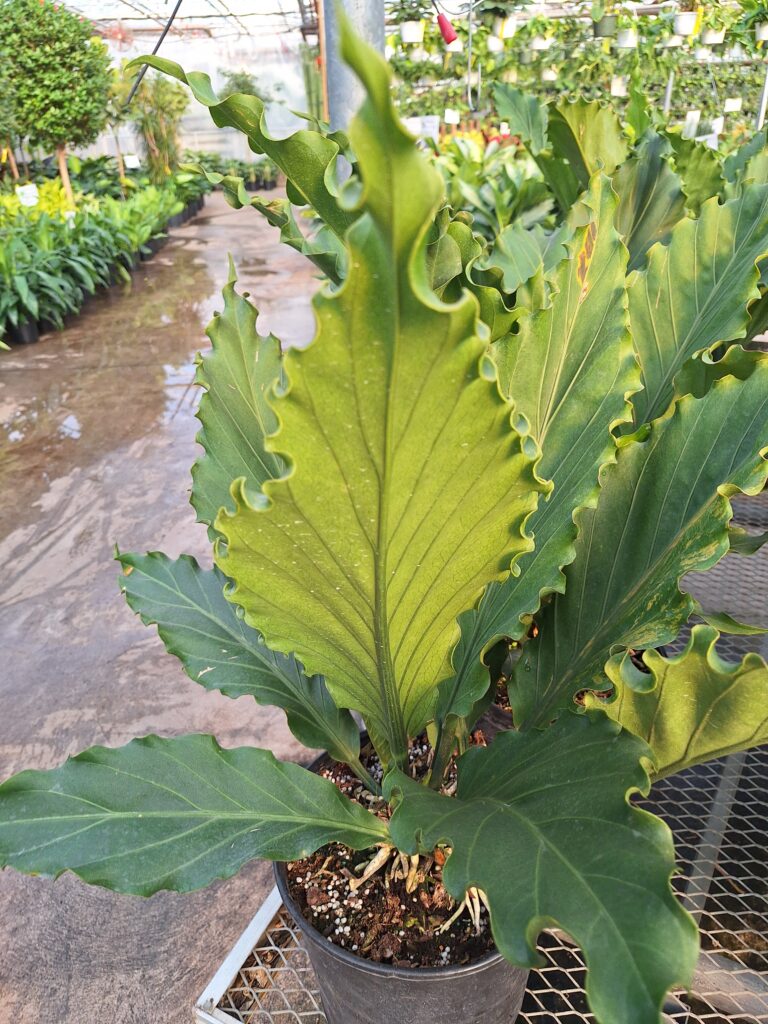
Why Choose Anthurium for Your Space?
- Cut Flower Use: Flowering Anthuriums are a staple in floral arrangements thanks to their long-lasting blooms and exotic appeal.
- Interior Plant Use: Anthurium hookeri is ideal for modern interiors, adding texture and drama to homes, offices, and commercial spaces.
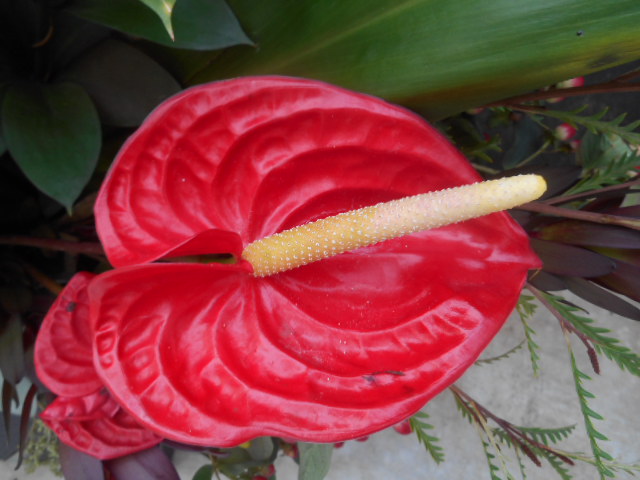
Anthurium hookeri Care Tips
To keep your Bird’s Nest Anthurium healthy and thriving indoors, follow these care guidelines:
- Light: Bright, indirect sunlight is best. Avoid harsh direct rays.
- Water: Keep soil evenly moist but not soggy. Let the top inch dry before watering.
- Humidity: High humidity is essential—mist regularly or use a humidifier.
- Temperature: Prefers 18°C–27°C.
- Soil: Use a well-draining mix rich in organic matter (similar to orchid mixes).
- Fertilizer: Feed monthly during the growing season with a balanced, water-soluble fertilizer.
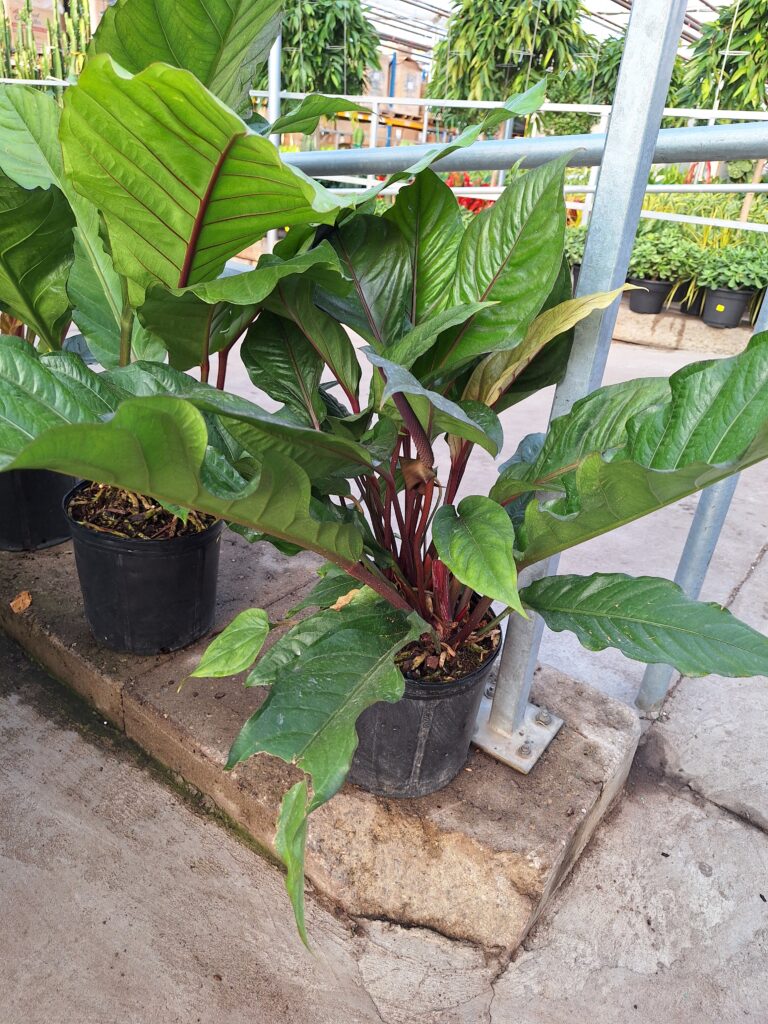
Common Questions About Anthurium Care
- How often should I water my Anthurium? – As it dries out
- Can Anthurium hookeri grow in low light? – They can survive but they will not thrive!
- What’s the best soil mix for Anthuriums? – We use soilless mix for most of our plants.
Have more questions? We’d love to help!
📧 Matt@VerdantLandscaping.ca
📞 905-299-9403