Many homeowners focus on what they can see above the ground when evaluating their lawn. However, the real secret to a healthy lawn lies beneath the surface. That’s where topdressing comes in.
Topdressing is the process of applying a thin layer of material over an existing lawn. Turfgrass professionals have long recognized topdressing as an important cultural practice that helps improve turf health, soil quality, and overall lawn performance.
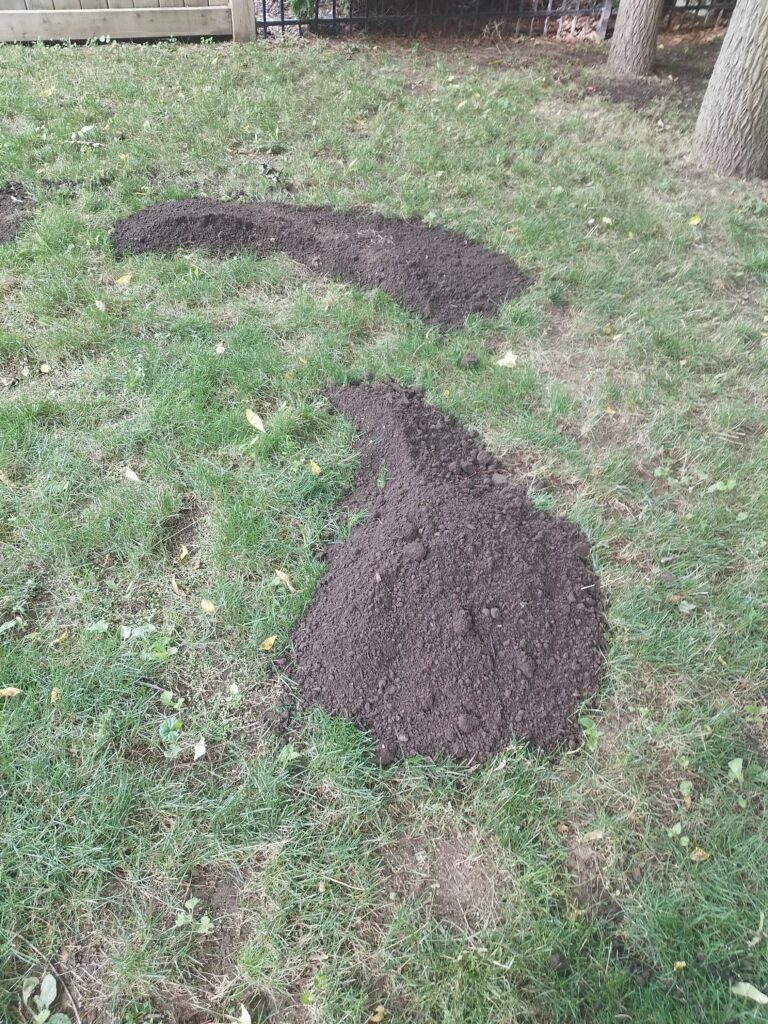
At Verdant Landscape and Design Inc., we use an organic composted manure blend as our preferred topdressing material. Unlike sand-based topdressing commonly used on golf courses, organic topdressing helps add valuable organic matter to residential soils, improving their ability to support healthy turf growth.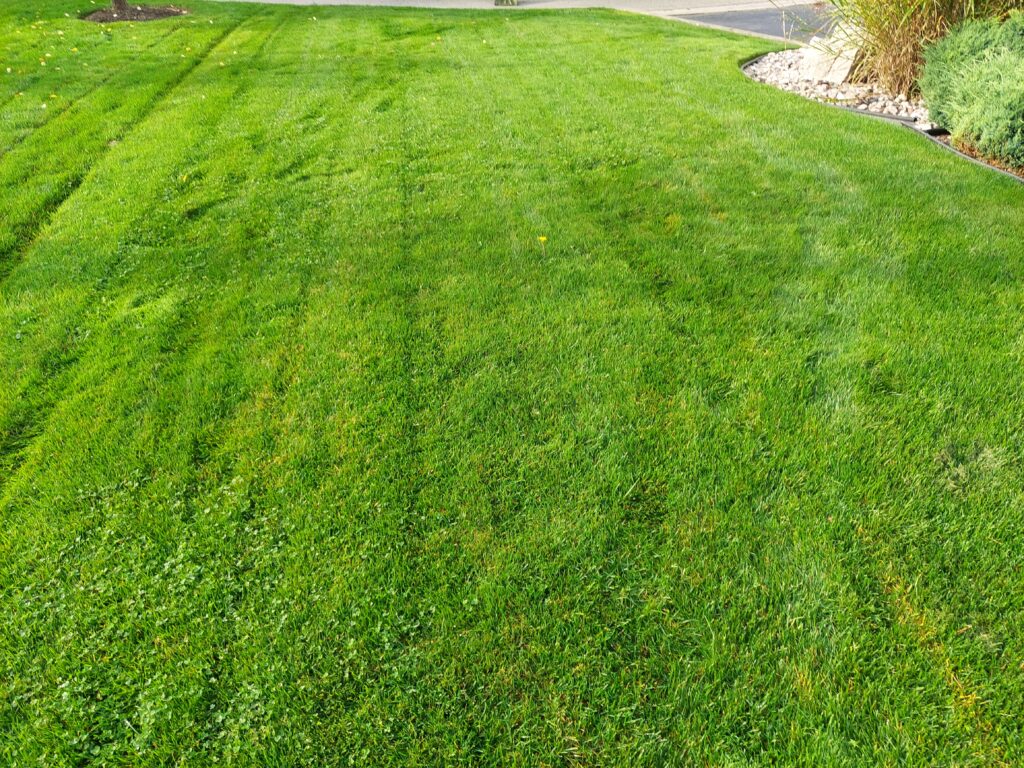
Why Topdress a Lawn?
Topdressing provides several important benefits:
Improves Soil Structure
Many Ontario lawns suffer from compacted soils, especially in newer subdivisions where topsoil may be limited. The addition of organic matter helps improve soil structure, creating better conditions for root growth, water movement, and air exchange.
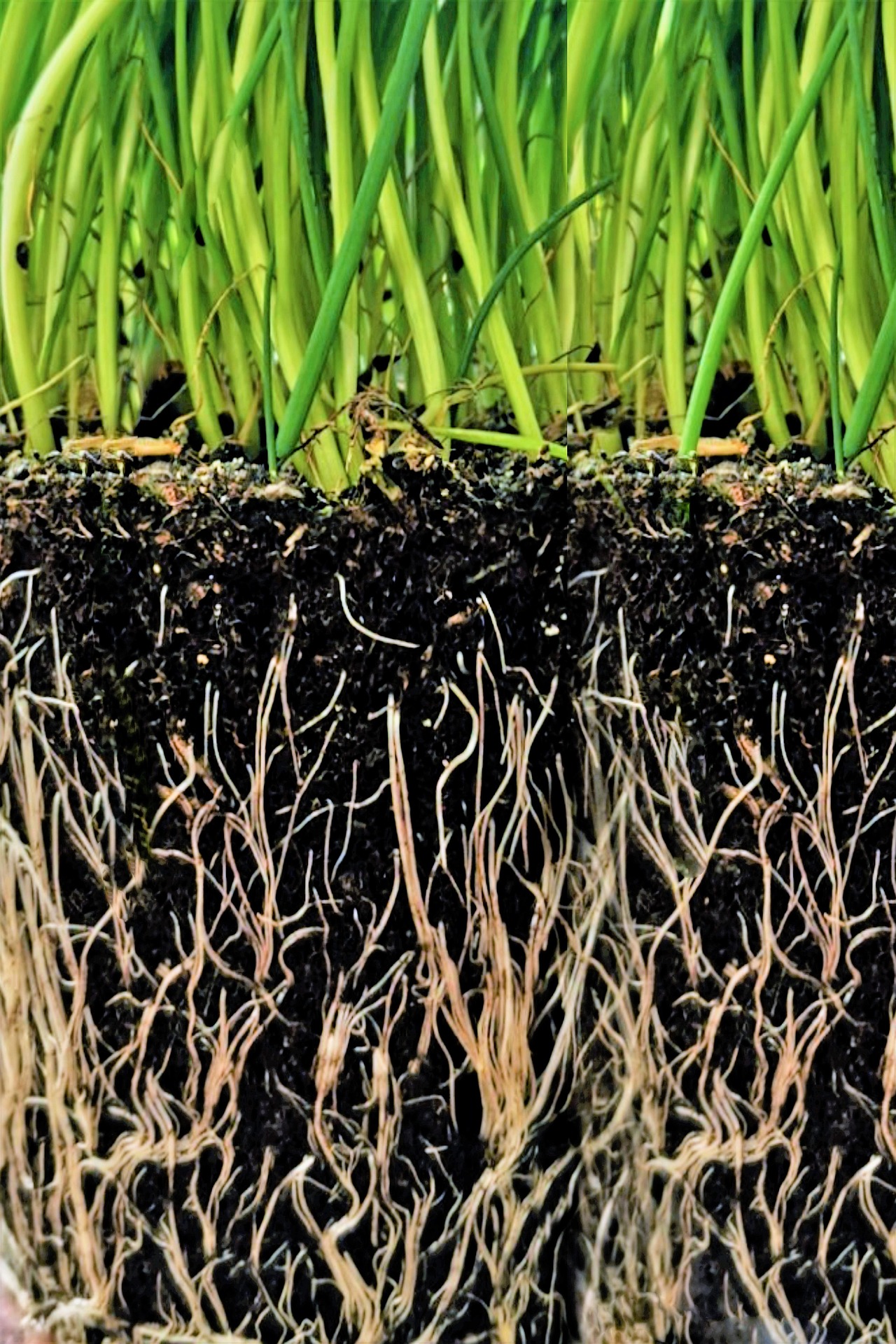
Encourages Stronger Root Systems
Healthy roots create healthier grass. By improving the growing environment beneath the turf, topdressing helps roots grow deeper and become more resilient during periods of heat and drought.
Enhances Soil Biology
Composted organic materials contribute valuable organic matter that supports beneficial soil microorganisms. These microorganisms play an important role in nutrient cycling and overall soil health.
Smooths Uneven Areas
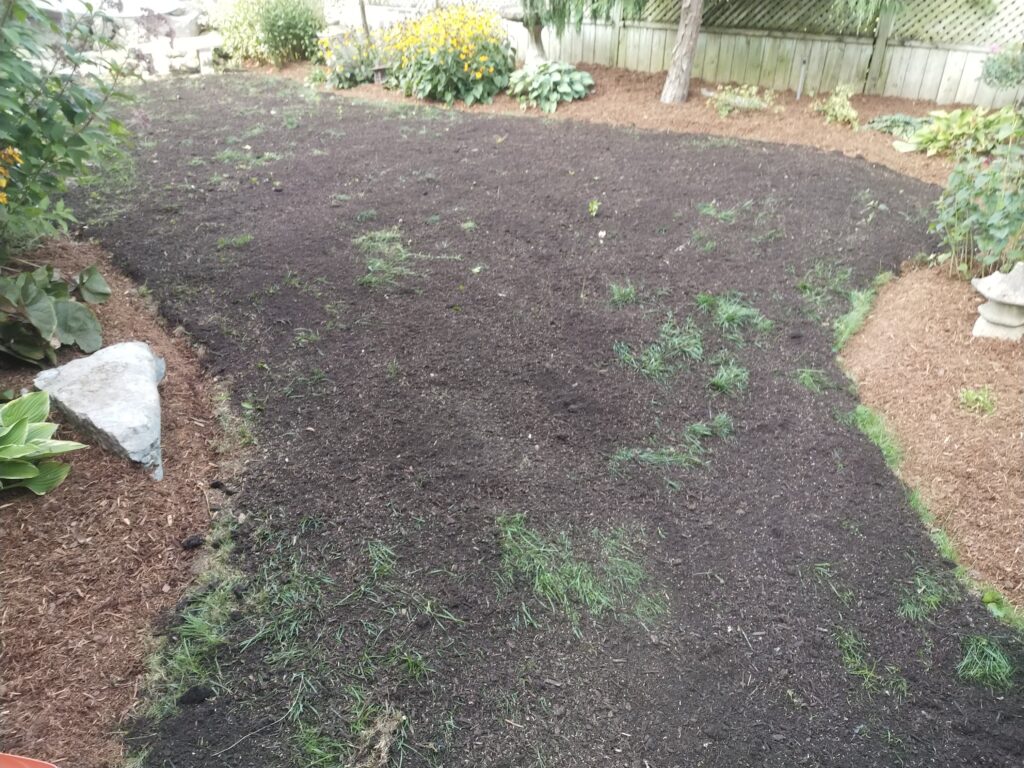
A properly applied topdressing can gradually help level minor surface irregularities, creating a smoother lawn and a better mowing surface.
Helps Manage Thatch
Topdressing can play an important role in managing excessive thatch accumulation and improving overall turf quality by encouraging decomposition and supporting healthy growth.
Why We Overseed at the Same Time
Topdressing and overseeding are natural partners.
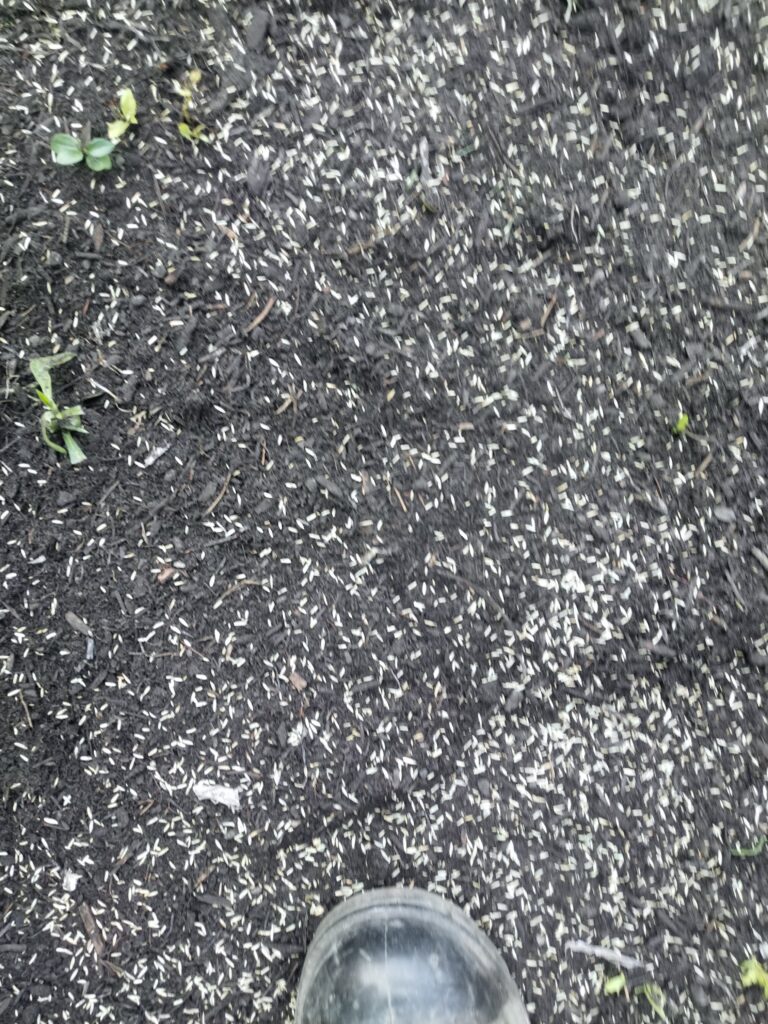
After applying grass seed, the topdressing layer helps create excellent seed-to-soil contact while retaining moisture around the seed during germination. This significantly improves the chances of successful establishment.
Overseeding can:
- Increase turf density
- Fill in thin or damaged areas
- Improve resistance to weeds
- Introduce newer, improved grass varieties
- Enhance drought tolerance and overall lawn performance
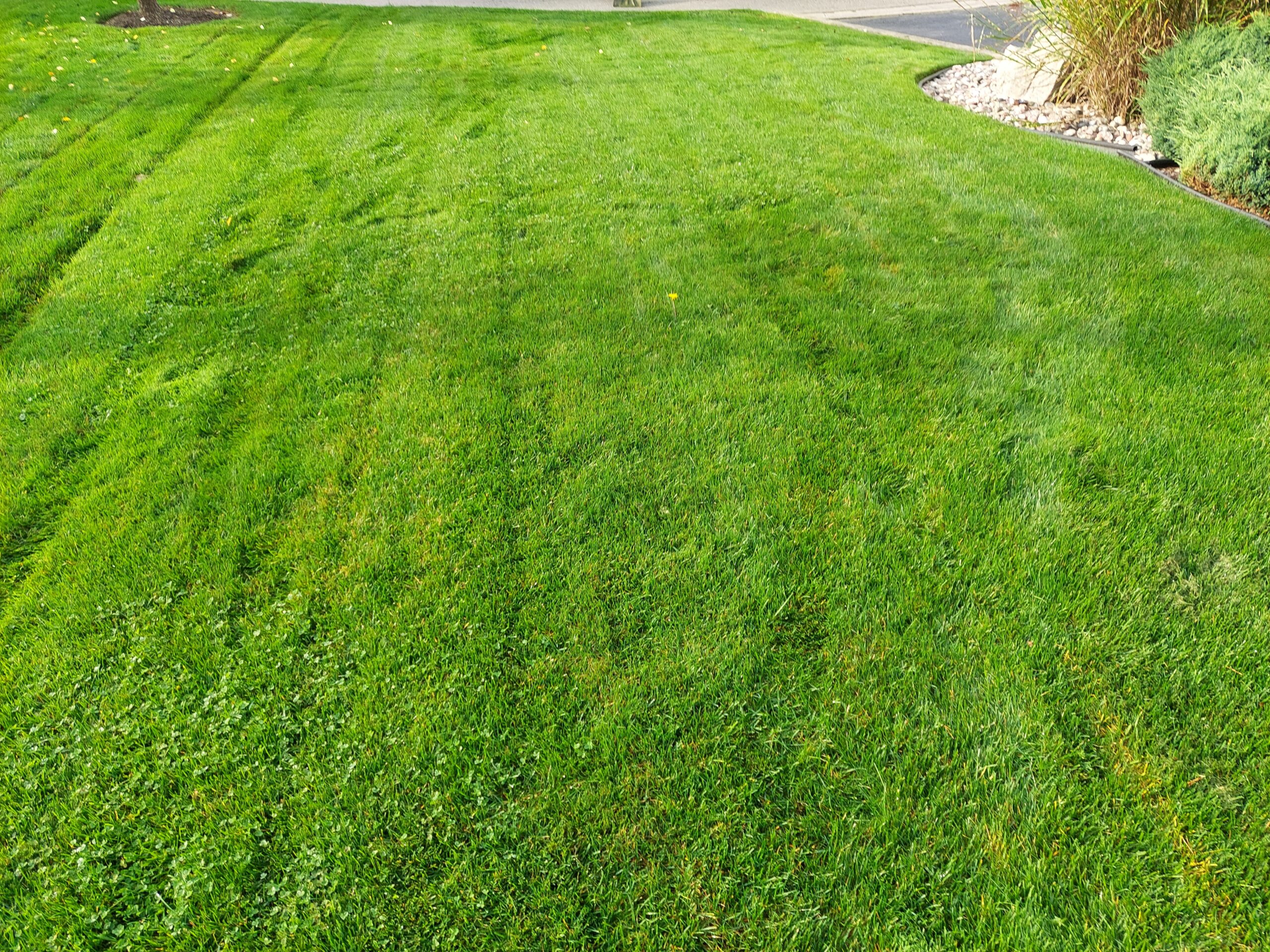
Together, overseeding and topdressing help create a thicker, healthier lawn while improving the soil beneath it.
When Should Topdressing Be Done?
Early Fall
This is generally our preferred timing.
Cooler temperatures, warm soil, reduced weed pressure, and typically more consistent moisture create ideal conditions for seed germination and turf recovery. Fall also allows new grass plants time to establish before the stresses of the following summer.
Spring
Spring can also be effective, particularly if winter damage needs to be repaired. However, young grass plants must compete with spring weeds and prepare for summer heat, making fall the preferred season whenever possible.
Our Approach
Our typical topdressing program includes:
- Assessing the lawn’s condition.
- Aerating where needed to relieve compaction. Only if necessary.
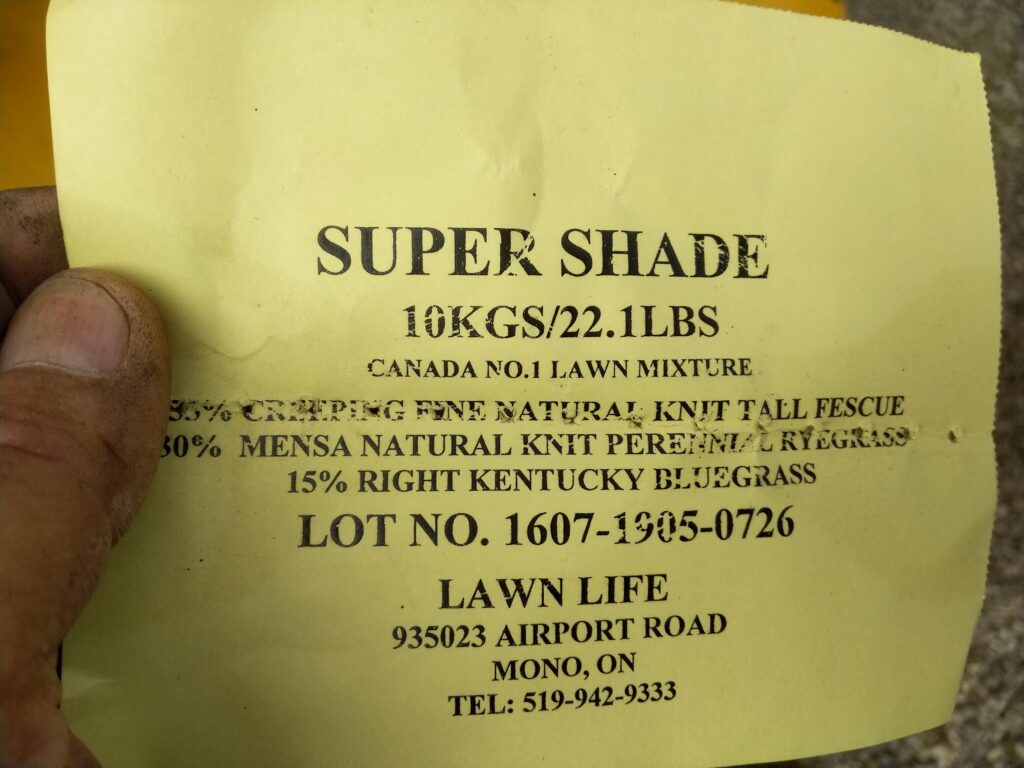
- Overseeding with quality turfgrass seed.
- Applying a thin layer of organic composted manure topdressing.
- Providing aftercare recommendations to ensure successful establishment.
This integrated approach helps improve the existing lawn while building healthier soil for the future.
Building a Better Lawn from the Ground Up
A beautiful lawn doesn’t happen by accident. It starts with healthy soil, strong roots, and good cultural practices. Topdressing with organic composted manure, combined with overseeding, is one of the most effective ways to improve lawn health naturally and sustainably.
Think of topdressing as a nutritious meal for your lawn. It feeds the soil, supports healthy growth, and helps create the conditions needed for long-term success. The results may not appear overnight, but over time you’ll notice a lawn that is thicker, greener, and more resilient.
After all, the healthiest lawns are built from the ground up.