A healthy green lawn does not require constant watering or high water bills, but many homeowners still believe that more water automatically leads to better growth, which often causes more harm than good. Overwatering is one of the most common mistakes, and it can weaken your lawn instead of improving it.
Eco-friendly irrigation focuses on using water wisely so your lawn stays green, strong, and sustainable without unnecessary waste.
Why Too Much Water Damages Your Lawn
Giving your lawn too much water can create several problems that are not always visible right away but slowly affect the health of your grass.
Excess water can:
- Prevent roots from growing deep into the soil
- Lead to fungal growth and lawn diseases
- Wash away important nutrients
- Create soft, weak grass that depends on frequent watering
A professional lawn care service always focuses on balanced watering instead of excess watering, because strong lawns grow from healthy root systems.
Water Deeply but Less Often
Instead of watering your lawn every day, it is far better to water it deeply a few times per week so that the moisture reaches deeper into the soil and encourages roots to grow downward.
This approach helps your lawn:
- Develop stronger roots
- Handle heat and dry weather better
- Maintain a healthier and greener appearance
Most experienced lawn irrigation services recommend watering two to three times per week, depending on the season and soil type, rather than using light daily watering.
Choose the Right Time to Water
Watering at the right time of day can make a big difference in how much water your lawn actually absorbs.
The best time to water is early in the morning because:
- Temperatures are lower
- Evaporation is minimal
- Water can soak into the soil properly
Watering during the middle of the day leads to fast evaporation, while watering late at night can increase the risk of fungus since the grass stays wet for too long.
Upgrade to Smart Irrigation Systems
Traditional sprinkler systems often operate on fixed schedules, which means they continue to run even when your lawn does not need water, such as after rainfall or during cooler days.
Modern irrigation systems use smart technology to adjust watering based on real conditions.
These systems can:
- Detect weather changes and rainfall
- Measure soil moisture levels
- Adjust watering zones based on sunlight and shade
Many professional landscaping services now recommend smart irrigation systems because they reduce water waste while improving lawn health over time.
Fix Uneven Water Distribution
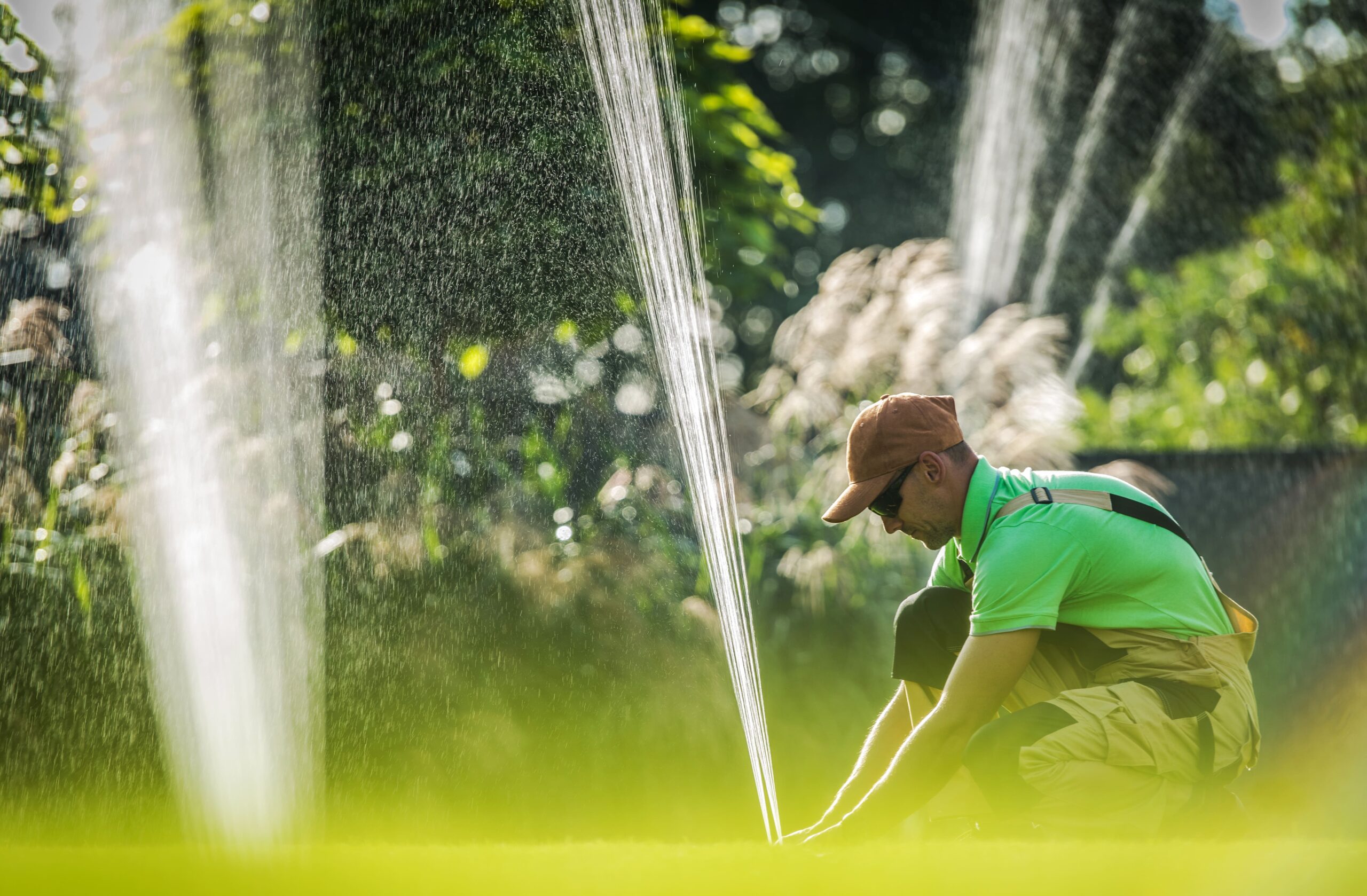
If your lawn has areas that look dry while others seem overly wet, your irrigation system is likely not distributing water evenly.
This can happen due to:
- Damaged or clogged sprinkler heads
- Incorrect spray angles
- Inconsistent water pressure
Fixing these issues ensures that every part of your lawn receives the right amount of water, which improves growth and reduces waste.
A reliable lawn maintenance service can inspect your system and make the necessary adjustments for proper coverage.
Select the Right Irrigation Method
Different areas of your property may require different watering methods, and choosing the correct system can help reduce unnecessary water use.
For example:
- Sprinkler systems work well for large lawn areas
- Drip irrigation is ideal for plants and garden beds
- Soaker hoses are useful for smaller or narrow spaces
Using the right method for each area ensures that water is delivered directly where it is needed without excess runoff.
Many lawn irrigation services help homeowners choose systems that match their property layout and usage.
Use Mulch to Retain Moisture
Adding mulch around plants and garden beds is a simple but effective way to reduce water loss and keep soil moisture stable.
Mulch helps by:
- Slowing down evaporation
- Keeping soil temperatures balanced
- Reducing the need for frequent watering
This small step can make a noticeable difference in how often you need to water your lawn and plants.
Adjust Irrigation Based on Seasons
Your lawn’s water needs change throughout the year, so keeping the same watering schedule in every season can lead to waste or damage.
During cooler months, your lawn requires less water, while in hotter months, it may need deeper watering but not more frequent watering.
Observing your lawn regularly helps you understand when to adjust your irrigation schedule based on weather and soil conditions.
A professional lawn care service will always tailor watering plans to seasonal changes for better results.
Improve Soil with Aeration
Compacted soil can block water from reaching the roots, which reduces the effectiveness of your irrigation system.
Aeration helps by creating small openings in the soil, allowing water, air, and nutrients to move more freely.
This process improves:
- Water absorption
- Root growth
- Overall lawn health
Many landscaping services include aeration as part of regular lawn care because it supports long-term results.
Consider Rainwater Collection
Using rainwater is an eco-friendly way to reduce your dependence on treated water while still keeping your lawn healthy.
You can collect rainwater using simple systems like barrels connected to roof drainage, and then reuse that water for irrigation.
This approach:
- Lowers water costs
- Reduces waste
- Supports sustainable lawn care
Final Thoughts
A greener lawn does not come from using more water, but from using water more effectively and understanding what your lawn truly needs.
By making simple changes such as watering at the right time, fixing uneven irrigation, and upgrading to smarter systems, you can maintain a healthy lawn while reducing water use.
Working with experienced lawn maintenance service providers, along with trusted landscaping services and lawn irrigation services, ensures that your lawn receives proper care without unnecessary waste, helping you achieve long-lasting results with less effort.