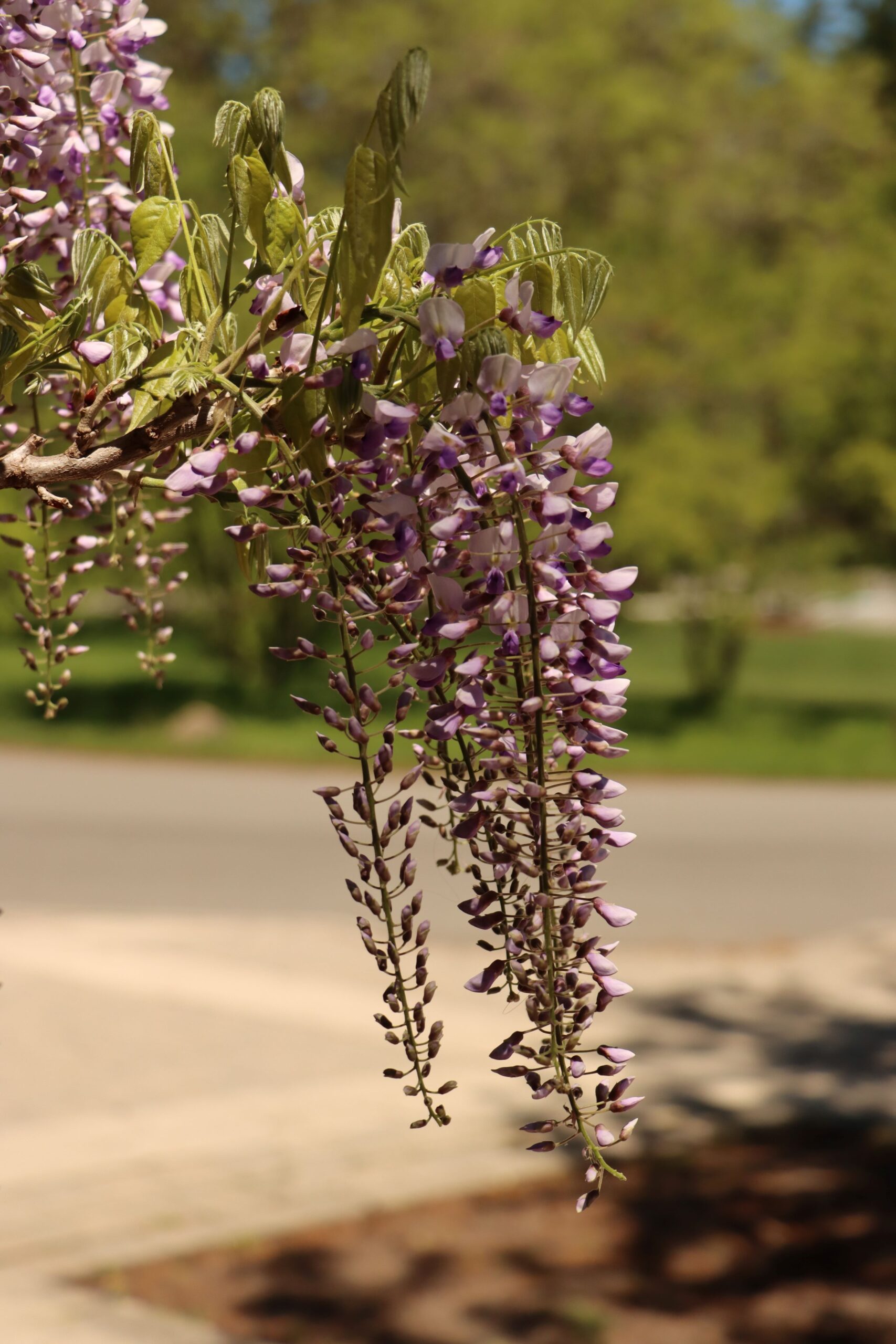
Wisteria is a high-impact ornamental vine widely used in southern Ontario for vertical design. It thrives in sunny, sheltered locations and is commonly seen:
- Climbing over pergolas, arbors, and trellises
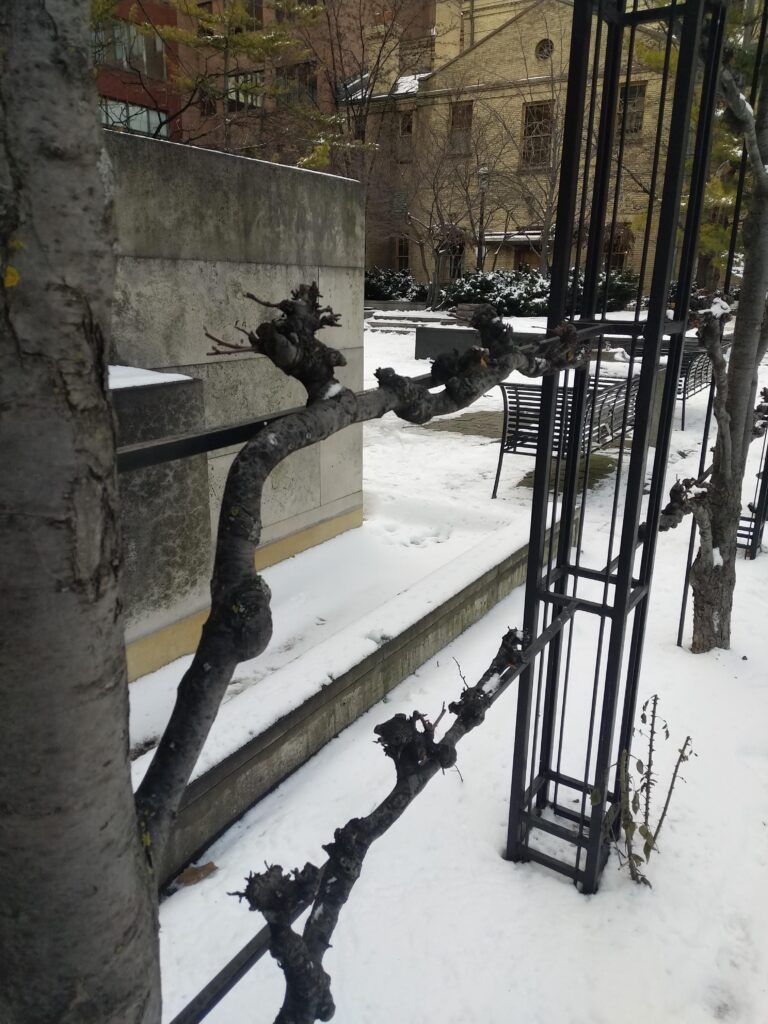
- Trained along walls and fences
- Shaped into standards (tree form) for formal gardens
- Occasionally grown through sturdy trees for naturalized effects
This versatility makes it attractive for both residential and commercial landscapes. Its cascading, fragrant blooms typically appear in late spring, delivering a dramatic seasonal display.
However, Ontario growers must balance aesthetics with control—wisteria is vigorous and can quickly outgrow its space.
Growing Wisteria as a Standard (Tree Form)
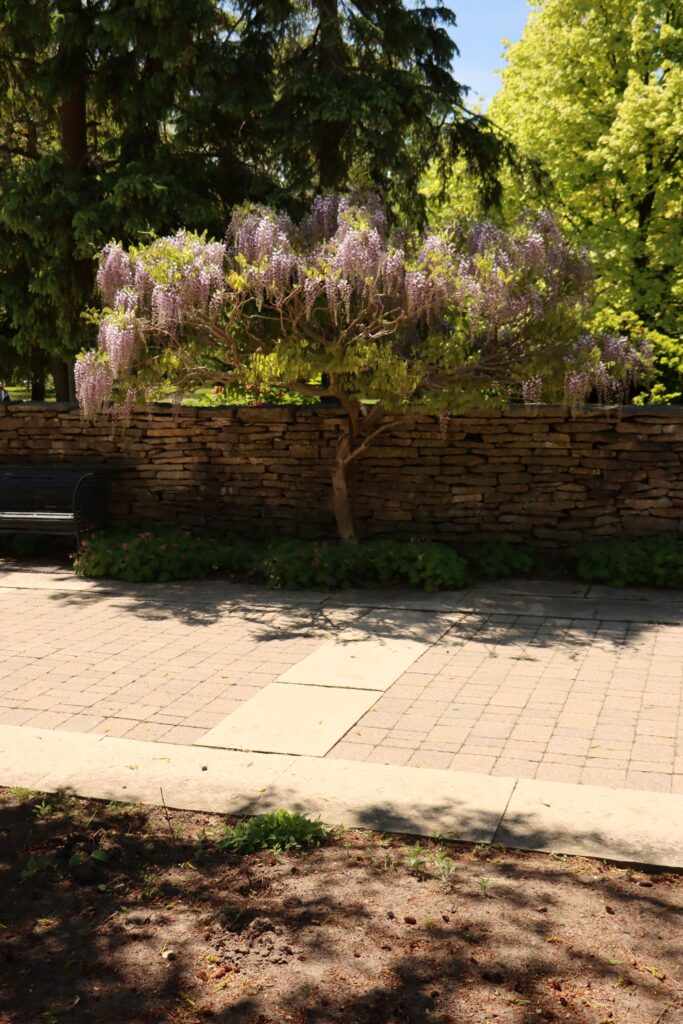
Wisteria can be trained into a single-stemmed standard, creating a small ornamental tree—ideal for patios, courtyards, or formal plantings.
Key considerations:
- Start with a strong central leader
- Stake and prune to create a clear trunk
- Develop a rounded canopy through selective pruning
- Expect reduced flowering compared to climbing forms
This technique requires discipline but offers a refined alternative to the traditional vine habit.
How to Prune Wisteria Properly
Pruning is essential to keep wisteria flowering and under control. Without it, plants become overly vegetative with fewer blooms.
The Two (or more) – Prune System
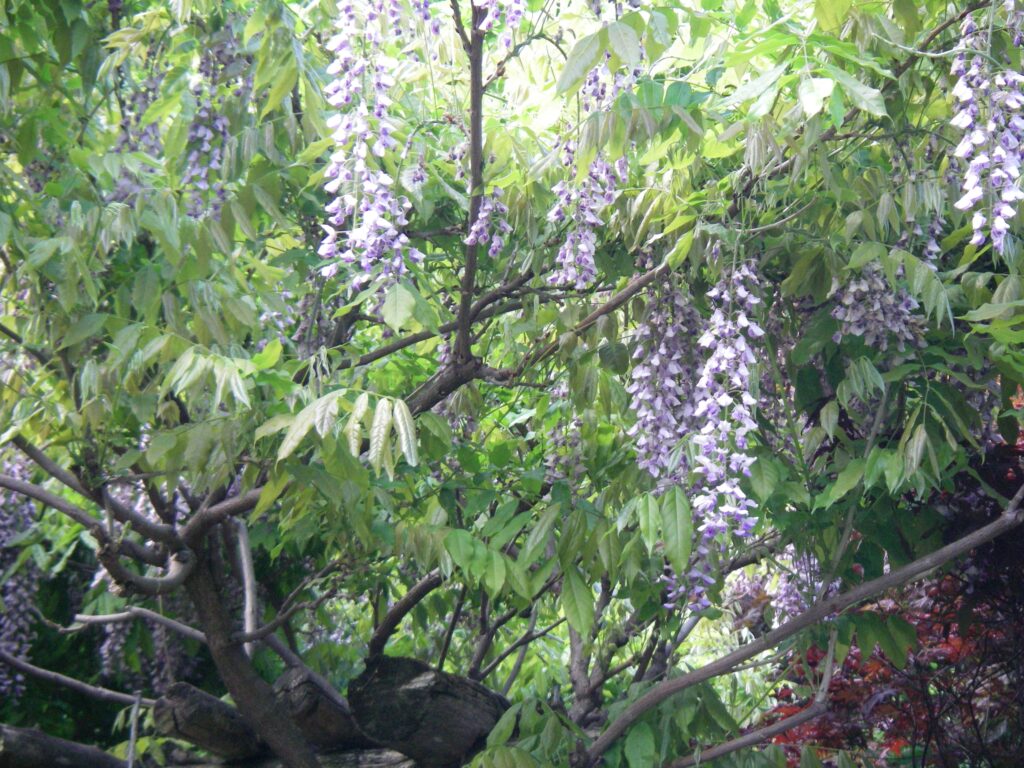
- Summer pruning (July–August):
- Cut long, “whippy” shoots back to about 5–7 leaves
- Controls size and directs energy into flower bud formation
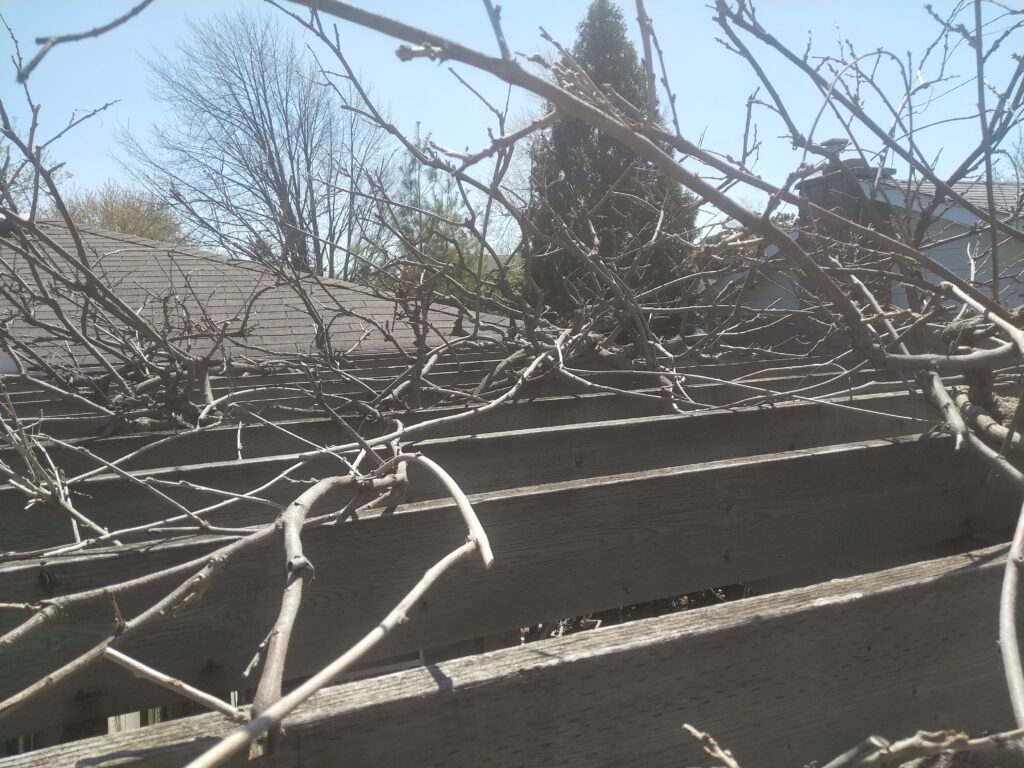
- Winter pruning (January–February):
- Cut the same shoots back further to 2–3 buds
- Encourages compact growth and better flowering
This twice-yearly approach is widely recommended to maintain structure and maximize blooms.
Additional pruning tips:
- Remove dead, damaged, or crossing branches
- Maintain a strong framework of main stems
- Avoid heavy nitrogen fertilization, which reduces flowering
Common Pests and Problems
While relatively hardy, wisteria can experience pest issues in Ontario landscapes.
Common pests include:
- Aphids – cause leaf distortion and sticky residue
- Spider mites – thrive in dry conditions and cause leaf yellowing
- Japanese beetles – skeletonize leaves
Management strategies:
- Monitor regularly, especially in hot weather
- Use strong water sprays or insecticidal soap
- Encourage beneficial insects
These pests can weaken plants if left untreated but are typically manageable.
Is Wisteria Invasive in Ontario?
This is an important and often misunderstood question.
- Chinese (Wisteria sinensis) and Japanese (Wisteria floribunda) species are known to be aggressive and invasive in parts of North America
- They can:
- Smother trees
- Outcompete native plants
- Form dense, woody thickets
However:
- Wisteria is not currently listed among Ontario’s regulated invasive plants
- Climate limits its spread compared to warmer regions
Best Practice for Ontario Landscapes
- Consider planting American wisteria (Wisteria frutescens) or Kentucky wisteria (Wisteria macrostachya)
- These native or near-native options are:
- Less aggressive
- Easier to manage
- Cold-hardy and suitable for Ontario conditions
Folklore and Cultural Significance
Wisteria carries rich symbolism, especially in Asian cultures:
- In Japan, it represents longevity, endurance, and love
- Associated with spring festivals and romantic imagery
- Often planted in temples and traditional gardens
In Victorian flower language, wisteria symbolized:
- Devotion and deep affection
- The enduring nature of relationships
This cultural depth adds another layer of appeal beyond its ornamental qualities.
Final Thoughts for Ontario Gardeners
Wisteria is both a stunning and demanding plant. In Ontario landscapes, it can be a showpiece—but only with proper management.
Key takeaways:
- Choose the right species (consider native types)
- Prune consistently—twice per year
- Provide strong structural support
- Monitor for pests and aggressive growth
Handled well, wisteria becomes a legacy plant—something that only improves with time and careful horticulture.