A healthy lawn depends on proper watering. Choosing the right irrigation system matters. Two common methods are sprinkler systems and drip irrigation. Each has pros and cons. Understanding them helps you pick the best fit for your yard.
Sprinkler Irrigation
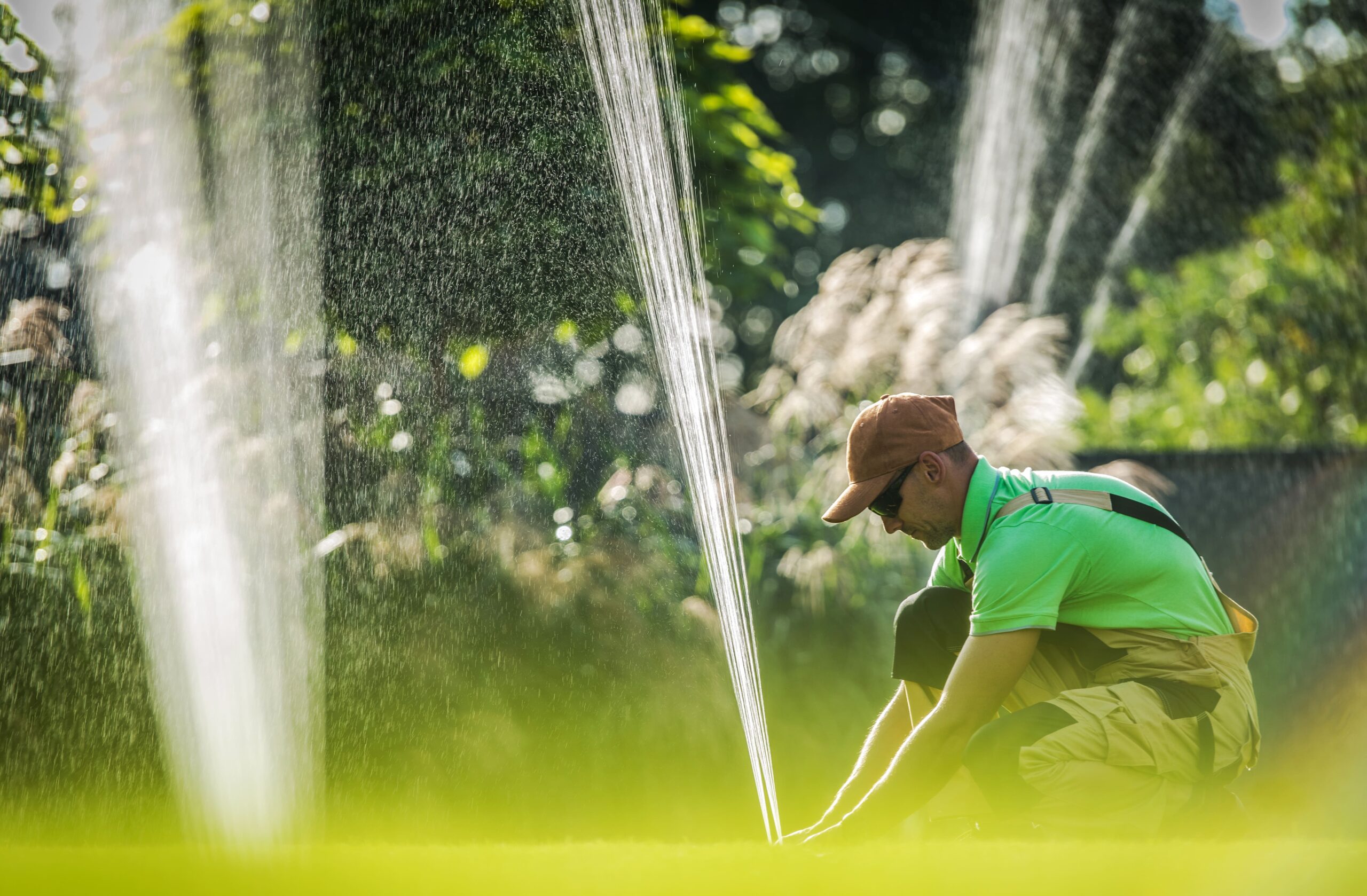
Sprinkler systems distribute water over a wide area using overhead heads or pop-up nozzles. They mimic rainfall and work for lawns, flower beds, and shrubs.
Advantages of Sprinklers:
- Covers Large Areas: Ideal for lawns and bigger properties.
- Even Watering: Water spreads evenly across grass and garden beds.
- Easy Automation: Can be set on timers for regular watering.
Disadvantages of Sprinklers:
- Water Loss: Some water evaporates or drifts in wind.
- High Usage: Sprinklers often use more water than drip systems.
- Maintenance Needs: Heads can clog, break, or misalign.
Sprinklers are best when you need broad coverage and convenience for grass and open spaces.
Drip Irrigation
Drip irrigation delivers water directly to plant roots using tubing, emitters, or soaker hoses. It is often used in gardens, flower beds, and vegetable patches.
Advantages of Drip:
- Water Efficiency: Directly targets roots, reducing waste.
- Prevents Disease: Leaves foliage dry, reducing fungus and mildew.
- Flexibility: Works well on slopes or irregular garden shapes.
Disadvantages of Drip:
- Limited Coverage: Not ideal for large lawns.
- Clogging Risk: Emitters can get blocked by dirt or debris.
- Installation: Can be more time-consuming than sprinklers.
Drip irrigation works best for flower beds, vegetable gardens, and areas needing precise watering.
Comparing Cost and Maintenance
Sprinklers often cost more upfront for large lawns but require less daily attention. Repairs include head replacement and occasional pipe checks.
Drip systems may be cheaper for small areas but require regular inspection to prevent clogs. Maintenance includes cleaning filters and checking tubing for leaks.
Over time, drip systems save water, which can reduce utility bills. Sprinklers may cost more in water usage, especially in hot, dry summers.
Water Efficiency and Environmental Impact
Drip irrigation is more efficient than sprinklers. It reduces runoff, evaporation, and water loss. Sprinklers can waste up to 30% of water in windy or hot conditions.
Choosing a system that suits your yard helps conserve water. Homes in Milton, Hamilton, and surrounding areas benefit from tailored lawn irrigation services that optimize efficiency.
When to Use Sprinkler vs Drip
- Large Lawns: Sprinklers cover wide areas quickly.
- Flower Beds or Vegetables: Drip systems deliver water directly to roots.
- Sloped or Uneven Terrain: Drip irrigation prevents runoff.
- Mixed Yards: Combining both systems can be ideal.
A hybrid approach can maximize efficiency. For example, sprinklers can water grass, while drip systems hydrate garden beds.
Local Expertise Matters
Homeowners in Milton or Hamilton may face unique weather and soil conditions. Experienced lawn irrigation services in Milton and lawn irrigation services in Hamilton can recommend systems suited to local conditions. Professionals ensure correct layout, proper installation, and ongoing maintenance.
Proper installation prevents problems like overwatering, under-watering, or system damage. It also helps plants thrive and keeps water bills low.
Final Thoughts
Both sprinkler and drip irrigation systems have strengths and weaknesses. The choice depends on yard size, plant types, and water efficiency goals.
Sprinklers offer convenience and broad coverage, while drip systems provide precision and water savings. Combining both can be the most practical solution.
Consulting trusted local providers ensures the system meets your property’s needs. Correct design and installation make your lawn healthier, reduce maintenance, and save water for years to come.
Choosing the right irrigation method improves plant health, enhances property appeal, and reduces environmental impact.