
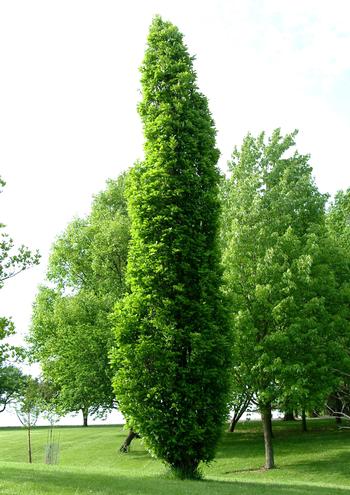
Pruning trees is a crucial aspect of tree care that ensures their health, safety, and aesthetic appeal. In Ontario, Canada, proper pruning practices are essential to maintain the vitality of urban trees and prevent diseases such as oak wilt. I am going to explore the best timing for pruning, the importance of following International Society of Arboriculture (ISA) best practices, the benefits of hiring trained professionals, and the environmental significance of urban trees.
Best Timing for Pruning Trees in Ontario
Timing is everything when it comes to pruning trees. Pruning at the wrong time can lead to irreversible damage and increase the risk of disease. For deciduous trees, especially oaks, the best time to prune is during the late fall or winter when the trees are dormant. This period minimizes the risk of spreading oak wilt, a fungal disease that can devastate oak populations. Oak wilt is most prevalent in the spring and early summer, so avoiding pruning during these times is crucial.

Coniferous trees, on the other hand, are best pruned in early spring before the growing season begins. This timing helps manage disease and ensures the trees’ structural integrity.
ISA Best Practices for Tree Pruning
The International Society of Arboriculture (ISA) has established best practices for tree pruning to ensure the health and longevity of trees. These practices include:
- Pruning Objectives: Clearly define the purpose of pruning, whether it’s for safety, health, or aesthetics.
- Pruning Cuts: Make proper cuts just beyond the branch collar to promote healing and prevent disease.
- Pruning Techniques: Avoid harmful practices such as topping or excessive crown thinning.
Following ISA guidelines helps maintain the structural integrity of trees and promotes healthy growth.
Importance of Hiring Trained Professionals
Pruning trees is not a simple task and requires expertise to avoid damaging the tree. Hiring a certified arborist ensures that the pruning is done correctly and safely. Certified arborists have extensive knowledge of tree biology, health, and proper pruning techniques. They can identify early signs of disease, nutrient deficiencies, and structural issues, ensuring that your trees receive the best care possible.
Environmental Significance of Urban Trees
Urban trees play a vital role in enhancing the environment and improving the quality of life in cities. They provide numerous benefits, including:
- Air Quality Improvement: Trees absorb pollutants and carbon dioxide, helping to clean the air.
- Temperature Regulation: Trees provide shade and release moisture, reducing the urban heat island effect.
- Water Management: Trees reduce runoff and improve water quality by filtering rainwater.
- Biodiversity Support: Trees provide habitats for various species, contributing to urban biodiversity.
By maintaining healthy urban trees through proper pruning, we can ensure these benefits continue to enhance our environment.
Proper pruning of trees, is essential for their health and the overall well-being of urban environments. By following the best timing for pruning, adhering to ISA best practices, and hiring trained professionals, we can ensure that our trees thrive and continue to provide their invaluable environmental benefits. Let’s commit to responsible tree care and appreciate the vital role trees play in our cities.
Feel free to share your thoughts or ask any questions about tree pruning! 🌳

1 thought on “Proper Pruning of Trees: Best Practices and Environmental Importance”
Comments are closed.