Fasciation on Smoke Tree: Causes, Is It Harmful, and How to Manage It
Ever noticed a smoke tree (Cotinus coggygria), or another plant such as willow, with stems that look flattened, ribbon-like, or oddly crested? That’s fasciation—a natural growth anomaly that can turn ordinary plants into conversation pieces. In this post, we’ll explain what causes fasciation, whether it’s dangerous, how to control it, and highlight examples where fasciation is actually valued in ornamental horticulture (including willows).
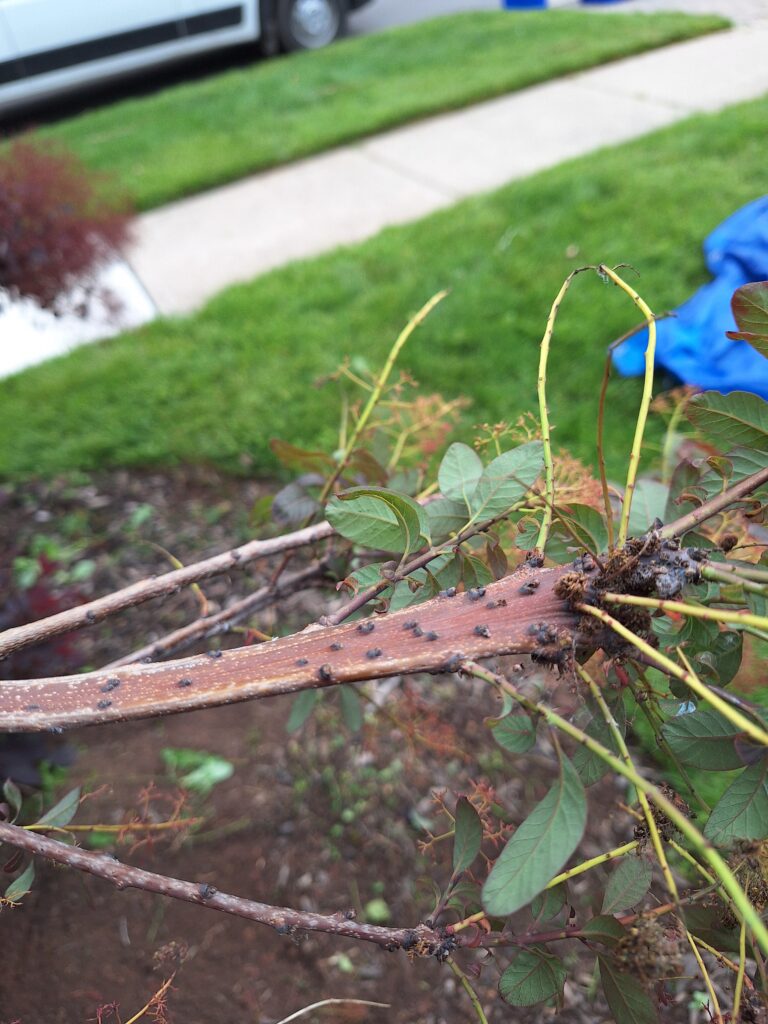
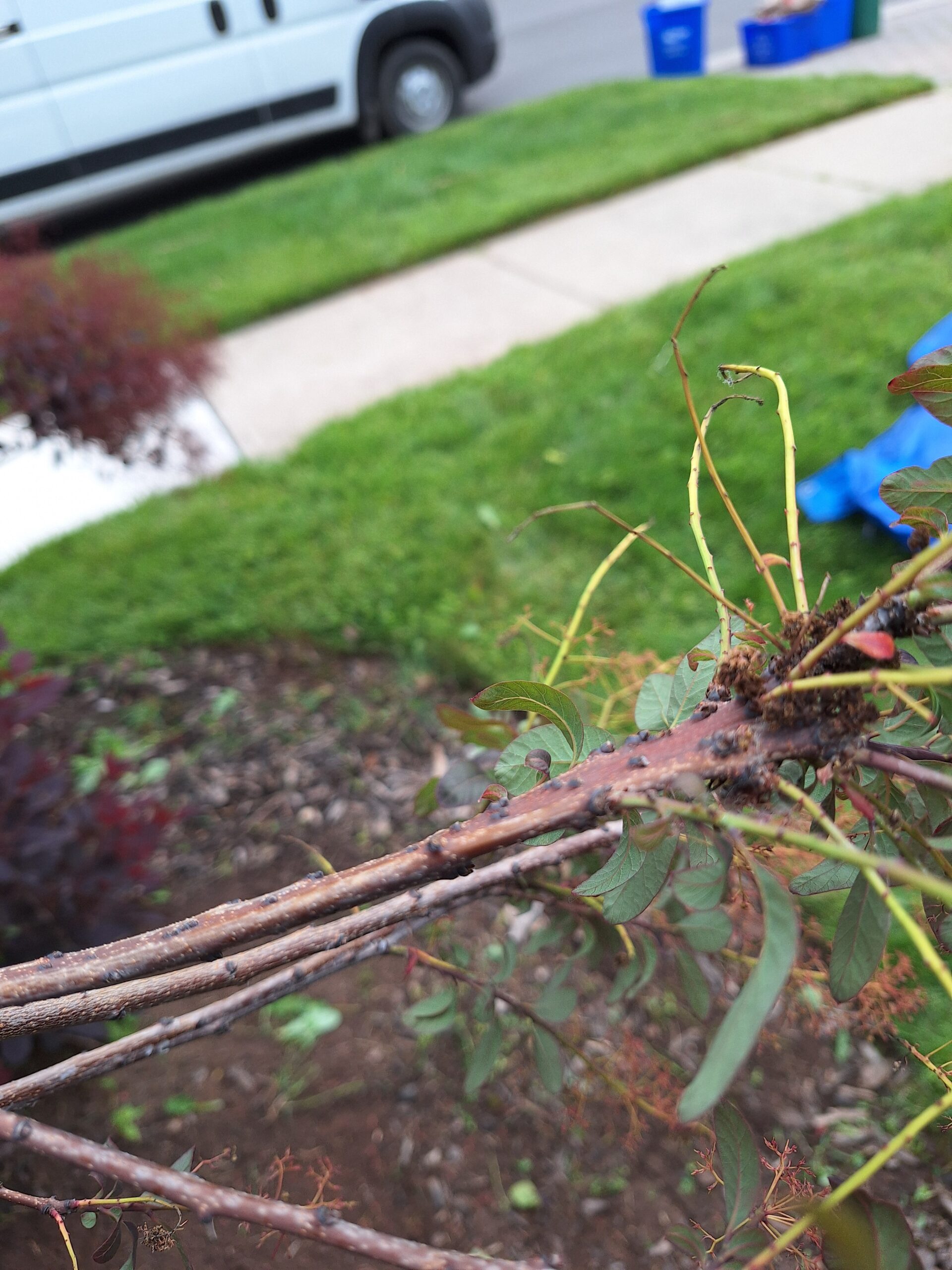
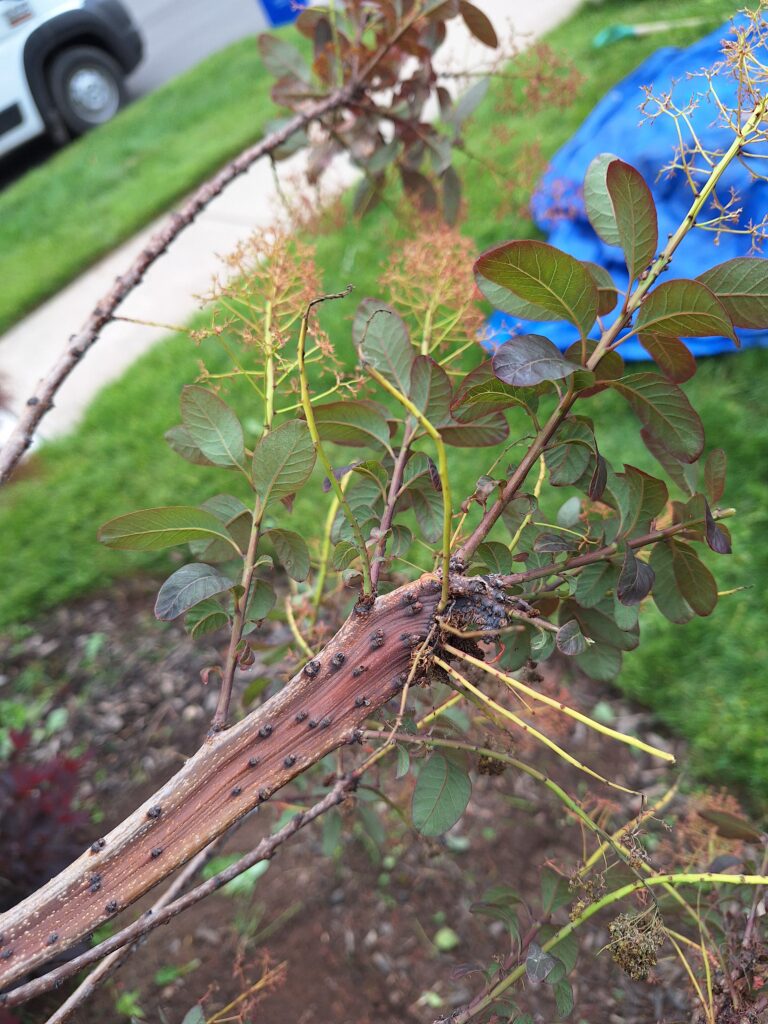
📸 Note: The photos in this post were taken earlier this season—I re-discovered them while scrolling through my camera roll and had to share!
What Is Fasciation?
Fasciation is an abnormal growth pattern where the plant’s meristem (growing tip) becomes elongated or fused, producing flattened, fan-like, or crested stems, and sometimes distorted flowers or seed heads. On smoke tree, fasciation typically shows up as ribbon-like stems or unusual panicles that look “smokier” but less symmetrical.
What Causes Fasciation?
Fasciation can arise from one or more of the following:
- Genetic predisposition – Some plants (and cultivars) are more prone to occasional fasciation due to underlying genetics.
- Hormonal imbalance – Disruptions in growth regulators (like auxin and cytokinin) can misdirect how cells divide and elongate, leading to flattened or crested stems.
- Physical injury to the meristem – Damage from pruning cuts, rubbing, animal browsing, or insect feeding can trigger fasciated growth as the plant attempts to “repair” the growing tip.
- Pathogens – Certain bacteria (notably Rhodococcus fascians) <I had to look that up, I went down a bit of a rabbit hole writing this!>, and rarely viruses, can cause fasciation by altering hormone levels and tissue development.
- Environmental stress – Frost, sudden temperature fluctuations, drought stress, or nutrient imbalance may contribute—often as a compounding factor alongside injury or genetics.
Bottom line: Fasciation is usually non-contagious unless a pathogen is involved.
Is Fasciation Dangerous or Detrimental?
- Generally not dangerous. Most fasciation is cosmetic and doesn’t threaten the plant’s survival. Your smoke tree can remain vigorous, especially if the anomaly is isolated to a few stems.
- Potential downsides:
- Structural weakness in flattened shoots that may break in wind or under heavy bloom.
- Reduced reproductive success if flowers or seed structures are heavily distorted.
- Pathogen-related cases can weaken plant vigor and, in rare situations, spread to susceptible hosts.
- Aesthetic value: Many gardeners choose to leave fasciated stems because they look striking and unique—almost sculptural.
How to Control or Manage Fasciation
Your approach depends on your goals and tolerances (and the cause):
- If you like the look:
- Leave it. Enjoy the architectural interest.
- Support if needed. Stake or prune lightly to reduce breakage.
- If you prefer a uniform form:
- Selective pruning. Cut out affected stems back to healthy wood.
- Timing: Prune during dormant season or after bloom; avoid heavy summer pruning that can stress the plant further.
- Sanitation: Clean tools with 70% alcohol or 10% bleach solution between cuts—especially if you suspect a pathogen.
- If you suspect a pathogen (e.g., R. fascians):
- Remove and dispose of affected material (do not compost if disease is suspected).
- Sanitize tools as above.
- Improve plant vigor: Proper watering (deep, infrequent), mulch, and balanced nutrition to support recovery.
- Monitor nearby plants for similar symptoms.
- Cultural best practices:
- Avoid injury to the growing tips during pruning or maintenance.
- Maintain soil health: organic matter, appropriate pH, and steady moisture.
- Reduce stress: adequate spacing, airflow, and protection from mechanical damage.
Fasciation Celebrated: Ornamental Examples
Fasciation isn’t always a flaw—in fact, it’s sometimes the feature:
- Crested cacti & succulents – “Cristate” forms (e.g., crested Echinopsis or Euphorbia) are prized collectibles with spectacular fan-like growth.
- Fasciated willow (Salix) – Certain willows can exhibit flattened, ribbon-like shoots (sometimes marketed for their quirky stems), and coppiced willows occasionally show fasciation used in floristry and winter twig displays.
- Celosia (cockscomb) – The cristata forms are classic garden ornaments with crested, brain-like blooms—fasciation turned into art.
- Ornamental fasciation in perennials – Occasional fasciated stems in delphiniums, foxglove, asters, and ferns are often photographed and celebrated by gardeners for their novelty.
Frequently Asked Questions (FAQ)
Does fasciation spread? Usually no—unless a pathogen is the cause. Mechanical or genetic fasciation is not infectious.
Will my smoke tree grow out of it? Often yes. Many plants return to typical growth in subsequent seasons.
Can fertilizer fix fasciation? Fertilizer doesn’t “cure” fasciation. Focus on balanced nutrition and reducing stress; avoid over-fertilizing, which can exacerbate weak, sappy growth.
Should I prune fasciated stems right away? Prune if they’re unsightly, weak, or hazardous. Otherwise, consider leaving them for interest and monitoring over time.
Final Thoughts
Fasciation is usually a curiosity rather than a crisis. Whether you embrace the sculptural look or prune for uniformity, the key is identifying whether a pathogen is involved and maintaining overall plant health. In the right context, fasciation can even be a design asset—especially in winter gardens and twig displays.
Information on Spring Pruning.
Information on Proper Pruning.
Work With Verdant Landscaping
Have a fasciated smoke tree (or any plant puzzle) you’d like a professional eye on? We can help diagnose, prune, and design with these unique forms in mind.
📞 905-299-9403\ 📧 matt@verdantlandscaping.ca\ 🌐 www.verdantlandscaping.ca