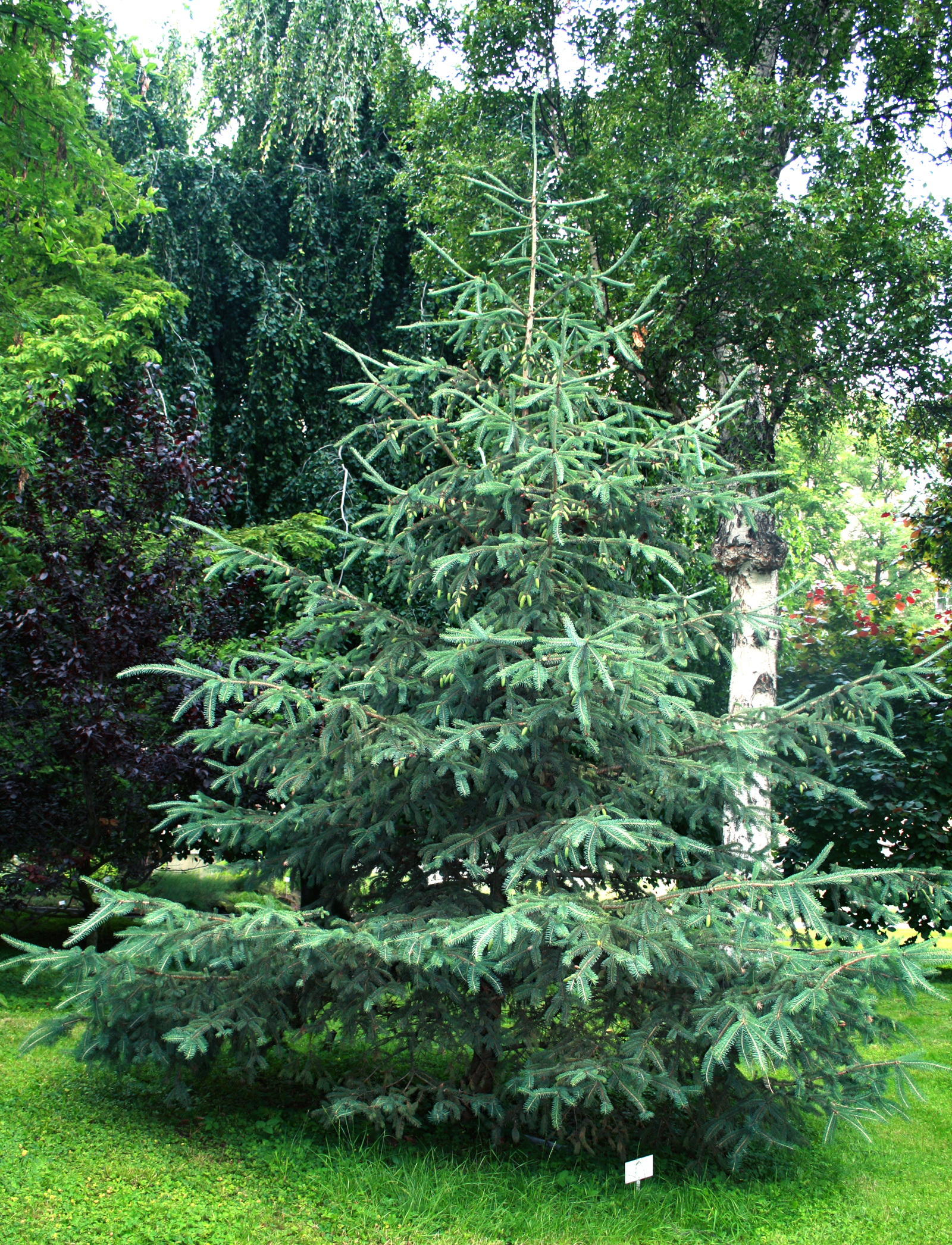
Picea glauca, commonly known as white spruce, is one of the most important native conifers in North America. Found across Canada and the northern United States, it is admired for its hardiness, adaptability, and elegant pyramidal form. Whether used as a specimen tree, windbreak, or part of a naturalized planting, white spruce remains one of the most reliable evergreens in landscape design.
This is a complete guide to its landscape uses, care requirements and pests.
🌲 Origins & Natural Habitat
White spruce is native to northern North America, widely distributed across Alaska, Canada, and the northern U.S.. It thrives in cold climates, which is why it performs exceptionally well throughout Ontario.
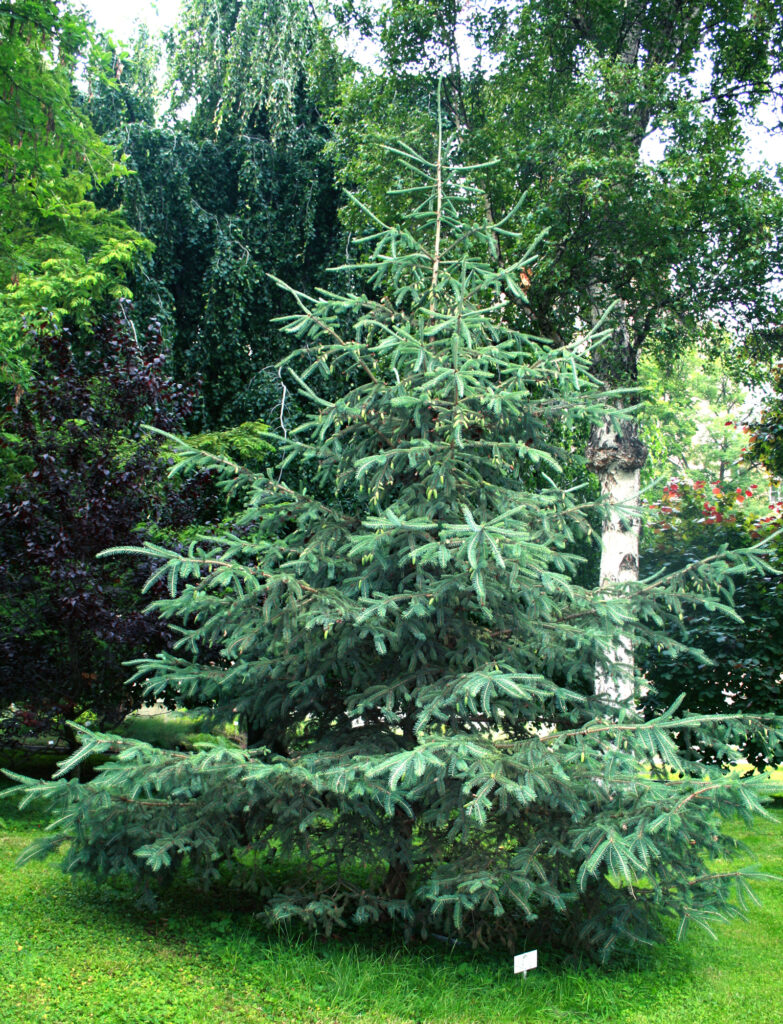
In nature, it reaches 40–60 ft tall and 10–20 ft wide, forming dense forests that support a wide range of birds and wildlife.
🌳 Landscape Uses
White spruce may be native, but it also fits beautifully into modern landscapes. Popular uses include:
- Privacy Screens & Windbreaks
Its dense, uniform branching makes it excellent for:
- Reducing wind exposure
- Buffering noise
- Long-term privacy plantings
As a hardy northern species, it remains attractive and full even through harsh winters.
- Large Specimen Tree
Its clean pyramidal shape, blue-green needles, and year‑round presence make it a strong focal point in:
- Front yards
- Acreage properties
- Naturalized gardens
- Native & Ecological Gardens
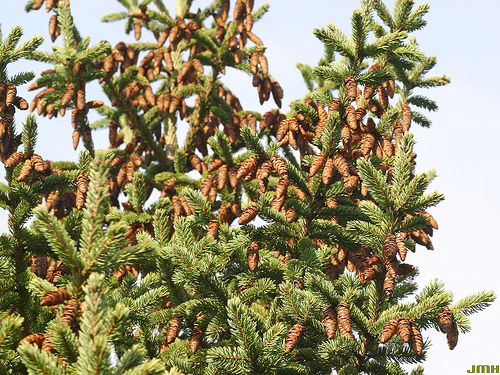
White spruce supports birds and mammals with year‑round shelter and seeds, contributing to local biodiversity.
- Urban Landscapes
Contrary to its rugged reputation, Picea glauca is widely used in parks and residential landscapes due to its adaptability and tidy structure. ]
🌱 How to Care for Picea glauca
Light
Prefers full sun, though it tolerates partial shade without significant decline.
Soil
- Moist, well‑drained soils are best
- Adapts to sandy, loamy, or clay soils
- Tolerates a wide pH range, making it more flexible than many conifers.
Water
White spruce appreciates regular moisture, especially:
- During establishment
- During hot or prolonged dry periods
While hardy, it can suffer from drought stress in warmer climates.
Temperature
This is a true northern species—it thrives in cold climates and struggles in hot, humid regions.
Pruning
Minimal pruning required. Remove:
- Dead branches
- Broken wood
- Lower limbs only if clearance is needed
🐛 Pests & Diseases
White spruce is generally more resistant than many landscape spruce species, but watch for:
Common Issues:
- Spider mites (hot, dry summers encourage outbreaks)
- Needle cast diseases (less severe than in Colorado spruce)
- Cytospora canker – usually seen in older, stressed trees
Ensuring proper siting and avoiding drought stress significantly reduces pest pressure.
🌟 Notable Cultivars in the Landscape Trade
White spruce has produced many excellent cultivars, offering various shapes, colours, and sizes.
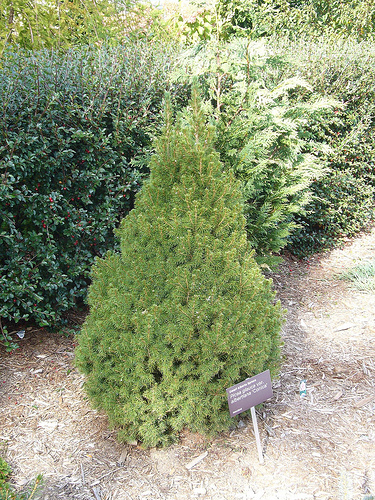
- ‘Conica’ (Dwarf Alberta Spruce)
- Perfect miniature cone shape
- Ideal for small gardens, entryways, and containers
- Extremely slow growing
- ‘Pendula’
- Weeping, elegant form
- Excellent as a specimen tree
- ‘Aurea’
- Yellow new growth
- Adds colour contrast
- ‘Coerulea’
- Bluish foliage tone
- Strong visual impact
- ‘Nana’
- Dwarf, rounded shape
- Great in rock gardens
These cultivars make Picea glauca incredibly versatile—from large native trees to compact architectural accents.
💬 Final Thoughts
Picea glauca remains one of the most adaptable and ecologically valuable evergreen trees for Canadian landscapes.
Its combination of:
- Native resilience
- Low maintenance needs
- Four‑season appeal
- Broad cultivar selection
makes it a staple for both traditional and contemporary design.
If you have any comments or questions, or if you’d like to book a meeting for a free landscape consultation, I’d love to hear from you.
Let’s grow something great together.