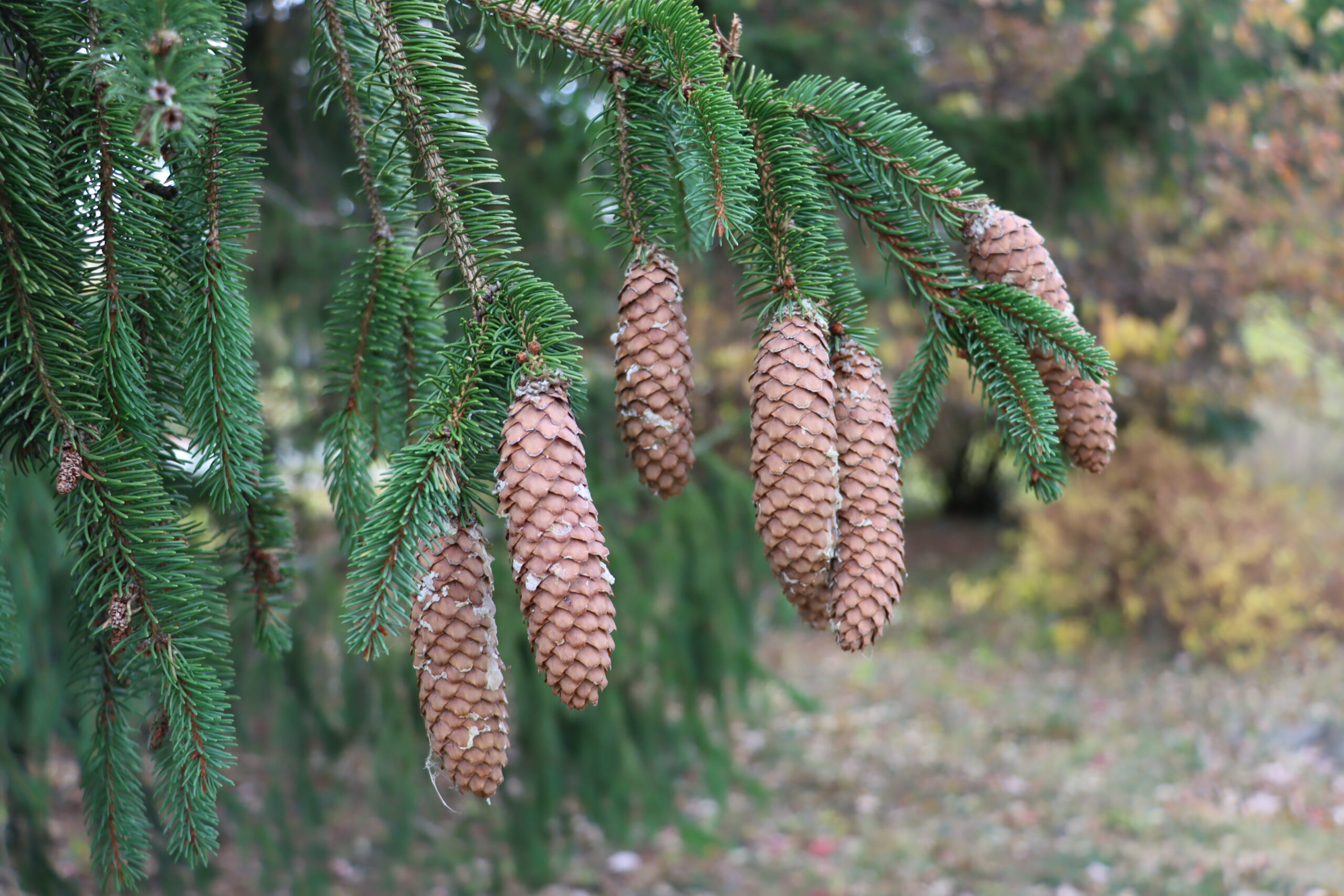
If you’re looking for a dependable, fast‑growing evergreen that delivers structure, screening, and year‑round appeal, Picea abies (Norway spruce) should be high on your list. Widely used across Europe and North America, this versatile conifer remains one of the best evergreen trees for privacy, wind protection, and landscape character. And with dozens of ornamental cultivars, Norway spruce has become just as popular in small urban gardens as it is on rural estates.
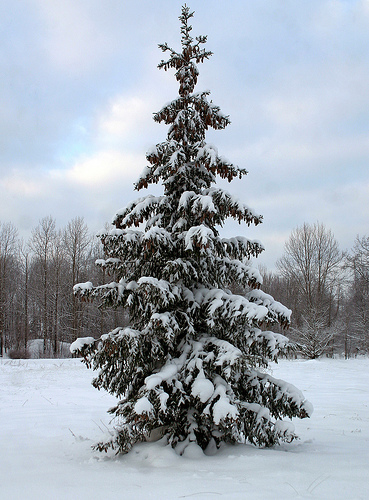
Below, you’ll find everything you need to know about using Norway spruce in the landscape, including care, pests, and the most important cultivars available to homeowners and professionals.
Origins of Picea abies (Norway Spruce)
Native to northern and central Europe, Picea abies dominates landscapes in:
- Norway
- Sweden
- Germany
- Poland
- The Alps
In the wild, Norway spruce can reach 40–60 m (130–200 ft) and live for centuries. Its adaptability, cold tolerance, and fast growth have made it one of the most widely planted spruce species in North America.
Landscape Uses: Where Norway Spruce Excels
- Privacy Screens and Windbreaks
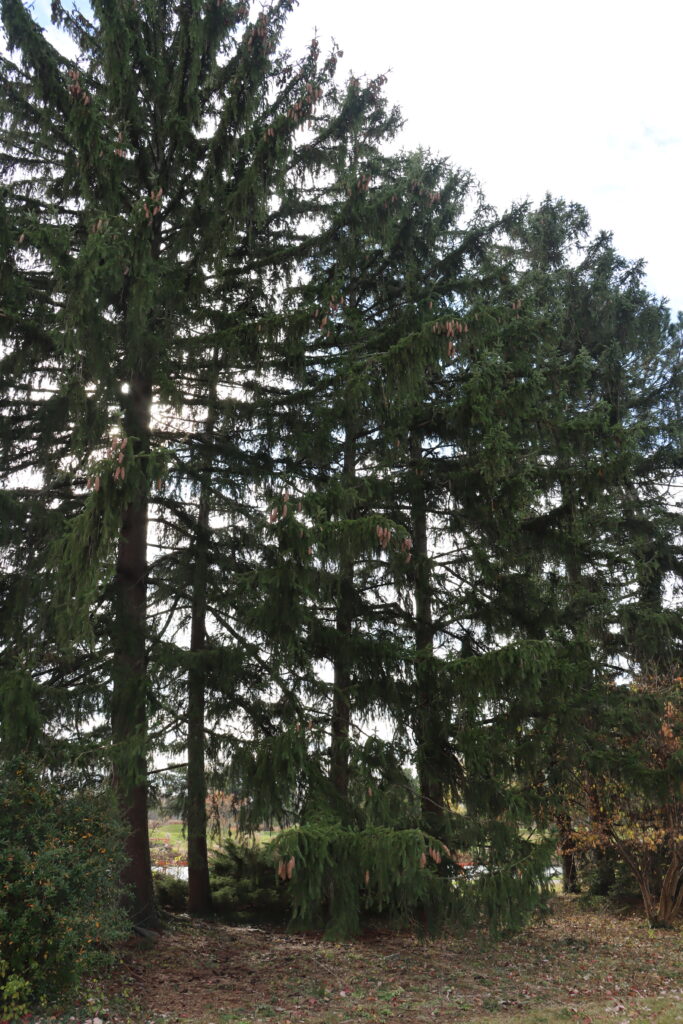
A major reason landscapers choose Norway spruce is its exceptional growth rate, often 30–60 cm (12–24 in) per year in youth. This makes it ideal for:
- Long-term privacy screens
- Shelterbelts
- Wind direction control
- Reducing road noise
Few evergreens fill space as quickly or as reliably.
- Large-Scale Specimen Trees
With its strong pyramidal branching and deep green needles, the species offers a dramatic silhouette—especially in winter. It’s perfect for:
- Parks
- Estate properties
- Rural landscapes
- Large front lawns
- Four‑Season Interest From Cultivars
Compact, pendulous, and sculptural cultivars have made Picea abies incredibly useful in:
- Foundation plantings
- Courtyards
- Rock gardens
- Modern minimalist landscapes
These specialty forms are among the most sought‑after conifers in the nursery trade.
How to Care for Picea abies (Norway Spruce)
Light Requirements
- Full sun for best density
- Tolerates light shade, but branches may thin
Soil Preferences
- Moist, well‑drained soil
- Performs well in sandy or loamy sites
- Avoid heavy clay with poor drainage
- Prefers slightly acidic soil
Watering
- Moderate water needs
- Be consistent while young
- Once established, more drought‑tolerant than many spruce species
Pruning
- Minimal pruning required
- Remove dead or damaged wood only
- Do not cut into old wood (spruces don’t regrow from bare branches)
Pests & Diseases: What to Watch For
Norway spruce is generally healthier and longer‑lived than Colorado blue spruce in Ontario landscapes.
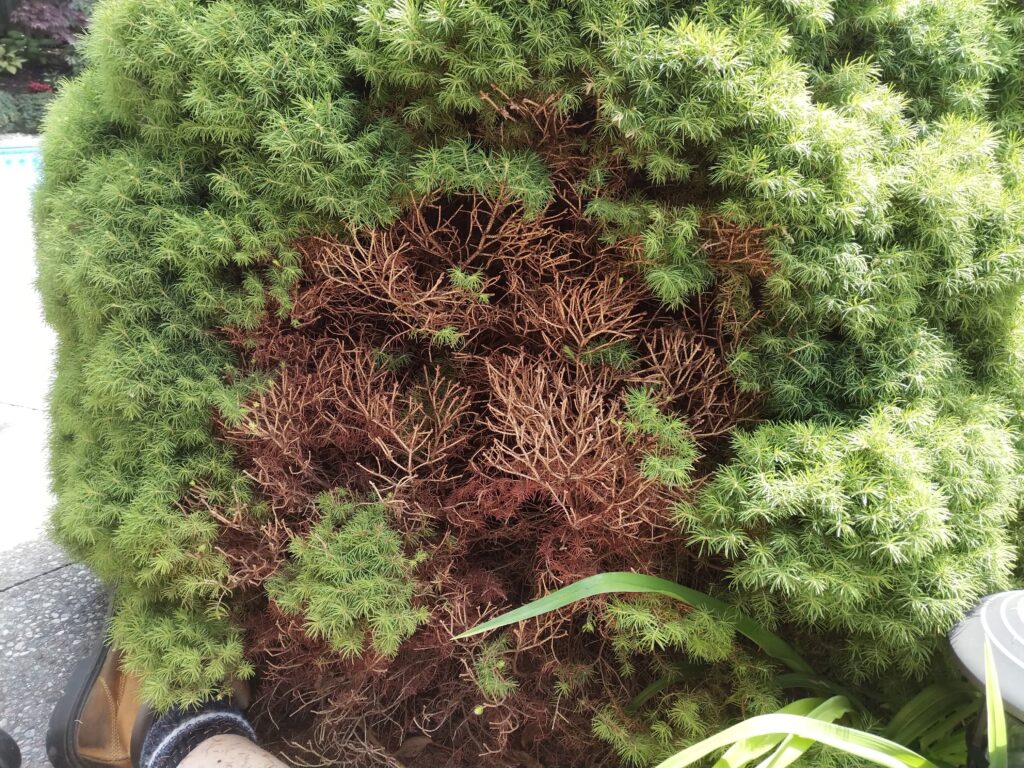
Common—but manageable—issues:
- Spider mites (hot, dry conditions)
- Rhizosphaera needle cast (less frequent than on blue spruce)
- Cytospora canker (older, stressed trees)
- Aphids / adelgids (usually cosmetic)
Strong resistance to:
- Major fungal diseases
- Environmental stress
- Needle blights that affect other spruces
This resilience makes Picea abies one of the best low‑maintenance evergreen trees available.
Popular Picea abies Cultivars for Modern Landscapes
Below are some of the most widely available and design‑friendly Norway spruce cultivars:
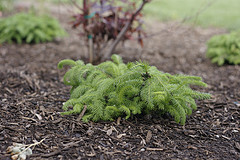
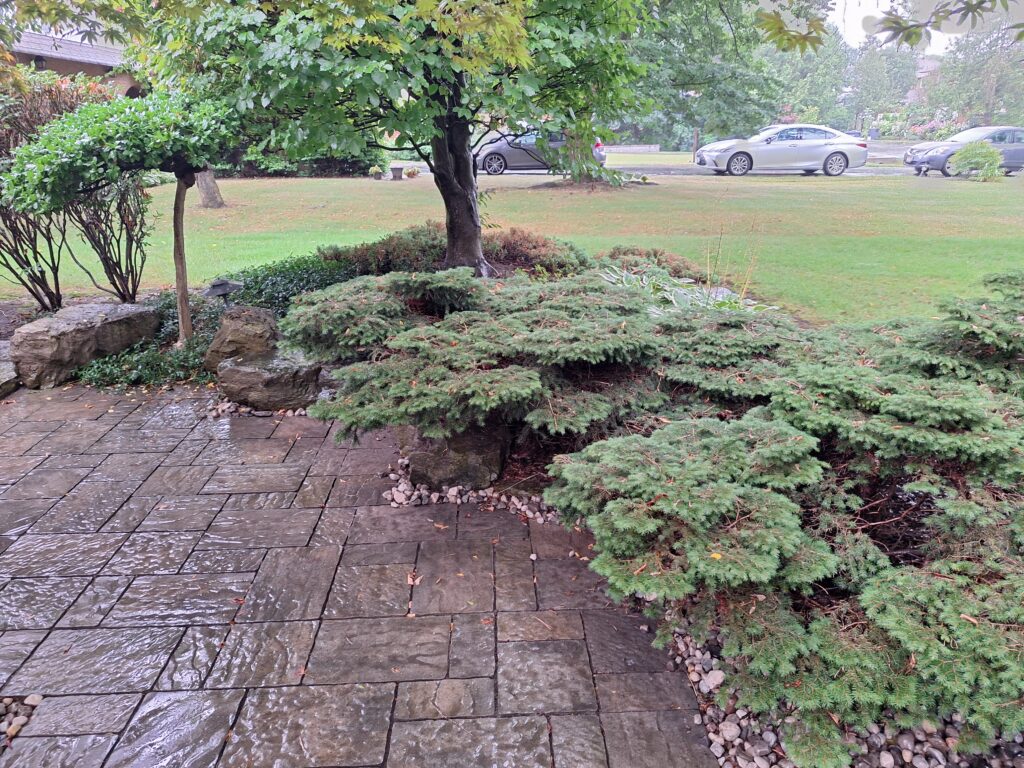
🌲 1. ‘Nidiformis’ (Bird’s Nest Spruce)
A low, mounded shrub with a recessed centre. Excellent for foundation plantings and mixed borders.
🌲 2. ‘Little Gem’
Extremely compact, slow‑growing bun form. Perfect for small spaces, rock gardens, and modern minimalist designs.
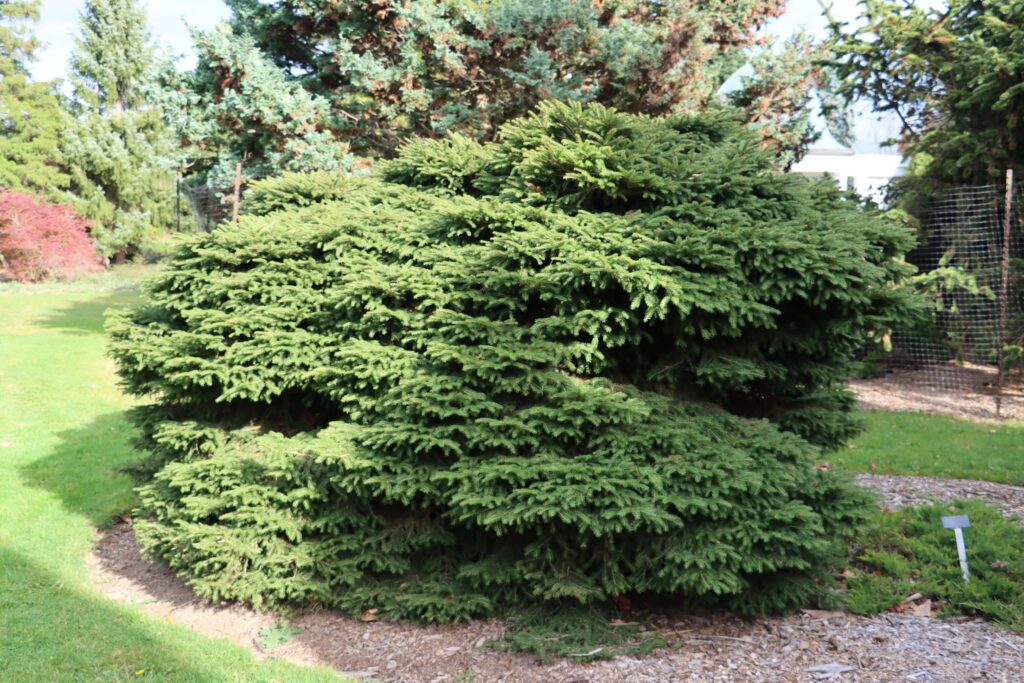
🌲 3. ‘Pumila’
A broader dwarf form—great texture, slightly larger than the true dwarfs.
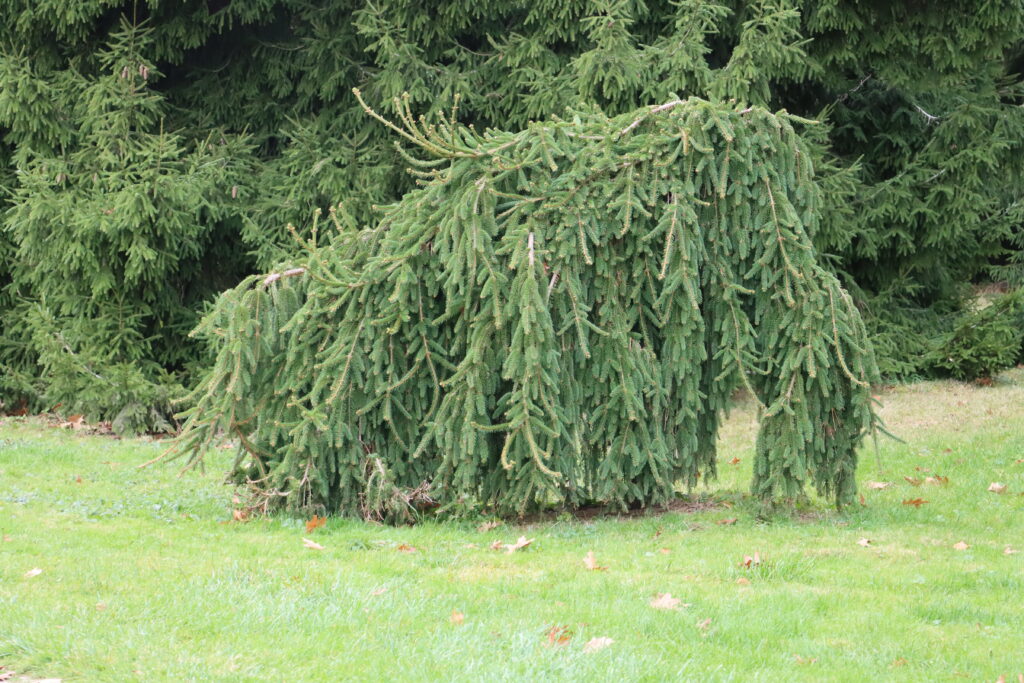
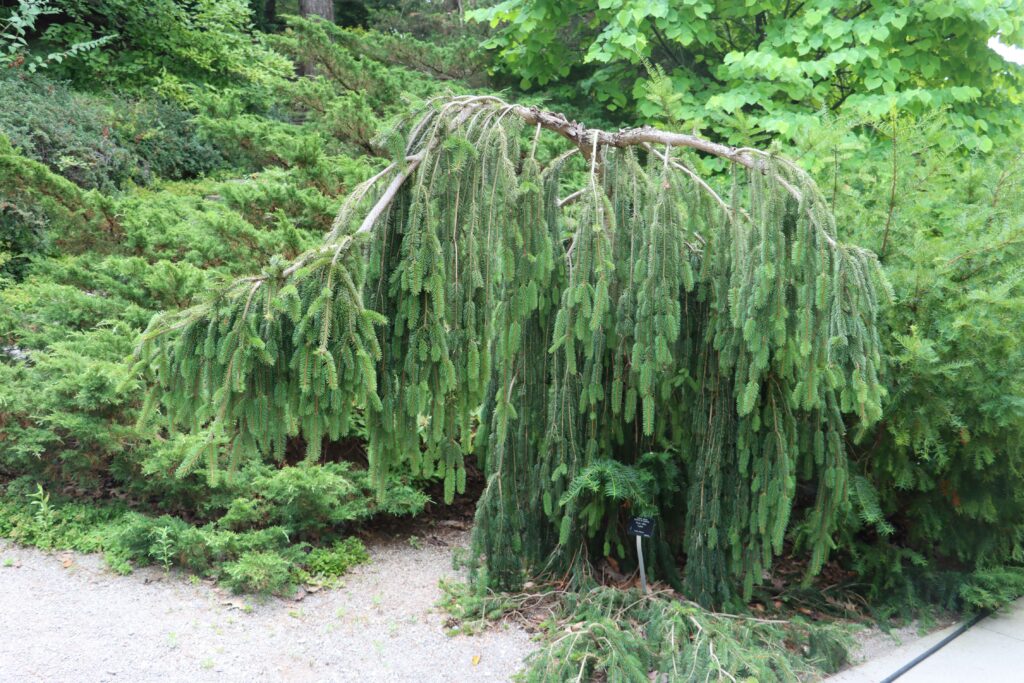
🌲 4. ‘Inversa’ (Weeping Norway Spruce)
A dramatic, strongly pendulous form. Shape varies based on staking—ideal for focal points.
🌲 5. ‘Pendula’
Another weeping form, denser and more architectural. Beautiful near entrances or patios.
🌲 6. ‘Acrocona’
Beloved for its vibrant rosy‑pink cones in spring. Irregular, picturesque habit.
🌲 7. ‘Cupressina’
Narrow, upright, columnar form. Excellent for tight spaces or vertical accents.
These cultivars expand the design versatility of Norway spruce far beyond the massive forest form most people imagine.
Final Thoughts
Whether you need fast privacy, a reliable windbreak, or a unique ornamental conifer, Picea abies remains one of the most adaptable and trustworthy evergreens in horticulture. With proper site selection and minimal care, Norway spruce can provide structure, shelter, and year‑round beauty for generations.