The reception area is often the first space visitors experience when entering a business. It sets the tone for the entire organization and communicates important messages about professionalism, attention to detail, and company culture.
While furniture, lighting, and artwork all contribute to the appearance of a reception area, one of the most effective yet often overlooked design features is the use of living plants. From improving aesthetics to supporting well-being and enhancing brand image, indoor plants provide benefits that extend far beyond decoration.
As businesses increasingly embrace biophilic design principles, living plants are becoming an essential component of modern reception areas.
The Power of First Impressions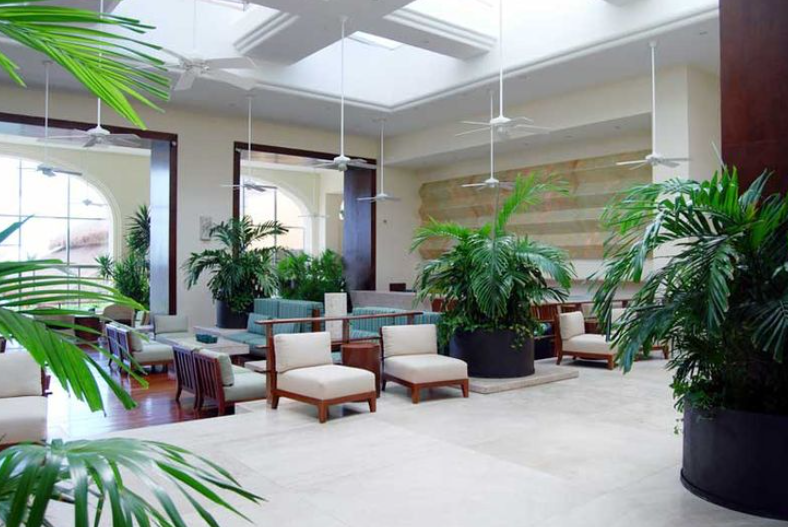
Research consistently shows that people form impressions within seconds of entering a space. A sterile or uninspiring reception area can unintentionally create feelings of discomfort or indifference. In contrast, a thoughtfully designed entrance featuring vibrant plants immediately conveys care, professionalism, and attention to detail.
Living plants soften hard architectural lines, introduce natural colour, and create visual interest. They help transform a functional waiting area into an inviting environment that reflects positively on the organization.
Whether a visitor is a customer, vendor, job applicant, patient, or business partner, the presence of healthy plants can contribute to a more positive first impression.
Understanding Biophilia
One of the primary reasons plants have such a profound impact on people is a concept known as biophilia.
Biophilia refers to humanity’s innate connection to nature – that fact is why I like camping so much. Despite spending much of our lives indoors, humans are biologically wired to respond positively to natural elements such as plants, trees, water, and natural light.
Biophilic design seeks to strengthen this connection by incorporating nature into built environments. Living plants are one of the easiest and most effective ways to introduce biophilic elements into interior spaces.
By adding plants to reception areas, businesses create environments that feel more comfortable, calming, and welcoming.
Creating a More Welcoming Environment
Many visitors experience some level of stress or anxiety when entering unfamiliar environments. This is particularly true in healthcare facilities, government offices, legal offices, financial institutions, and corporate headquarters.
Living plants help create a sense of comfort and relaxation. Their organic forms and natural colours can soften the atmosphere and reduce the sterile appearance often associated with commercial interiors.
A reception area filled with healthy greenery feels more human, approachable, and inviting than one dominated by hard surfaces and artificial materials.
Enhancing Corporate Image
Every detail of a reception area communicates information about a business.
Fresh, well-maintained plants can reinforce messages such as:
- Professionalism
- Attention to detail
- Commitment to employee wellness
- Environmental awareness
- High standards of maintenance
- Quality customer service
Clients often associate attractive spaces with successful organizations. Living plants help create an upscale appearance that can improve perceptions of the business without requiring major renovation expenses.
In competitive industries, even subtle improvements to customer perception can provide a valuable advantage.
Improving Employee Well-Being
Although reception areas are designed primarily for visitors, employees also interact with these spaces daily.
Receptionists and front-office staff often spend many hours working in these environments. Exposure to plants can help make workspaces feel more pleasant and less stressful.
Employees who regularly encounter natural elements may report greater satisfaction with their work environment. A visually appealing reception area can boost morale while contributing to a more positive workplace culture.
Since receptionists frequently serve as the public face of an organization, creating an enjoyable workspace for them can benefit both staff and visitors.
Supporting Indoor Environmental Quality
Plants contribute positively to indoor environments in several ways.
While modern HVAC systems handle most air management functions, plants can still play a supportive role by:
- Increasing humidity levels in dry indoor environments
- Trapping dust particles on foliage surfaces
- Contributing to a healthier-looking environment
- Creating a perception of improved air quality
Even when the measurable environmental improvements are modest, the psychological benefits associated with greenery can significantly enhance occupant comfort.
Reducing the Institutional Feel
Many commercial spaces suffer from an overly institutional appearance characterized by:
- Plain walls
- Artificial lighting
- Hard flooring
- Metal furnishings
- Minimal decoration
Plants introduce softness and visual balance. Their varying heights, textures, and colours create contrast and make interiors feel more dynamic and welcoming.
For healthcare facilities, educational institutions, and government buildings, plants can help reduce the impersonal atmosphere often associated with large public spaces.
Strengthening Brand Identity
Strategic plant design can complement a company’s branding efforts.
For example:
- Modern businesses may use large architectural plants such as fiddle leaf figs or rubber plants.
- Luxury hotels may feature elegant tropical specimens in decorative containers.
- Environmentally focused organizations may emphasize lush plant displays that reinforce sustainability values.
The choice of plants, containers, and placement can support the overall aesthetic and messaging of the organization.
Increasing Visitor Satisfaction
Visitors frequently spend time waiting in reception areas. Attractive surroundings can make waiting feel shorter and more pleasant.
Plants provide visual stimulation and create focal points that draw attention away from stress or boredom. A comfortable waiting environment can improve overall customer satisfaction and leave visitors with a more positive perception of the organization.
This can be especially important for:
- Medical offices
- Dental clinics
- Hotels
- Financial institutions
- Large corporate offices
- Professional service firms
Popular Plants for Reception Areas
Not all indoor plants are equally suited to reception environments. Popular choices often include:
Snake Plant (Sansevieria)
- Modern appearance
- Tolerates low light
- Requires minimal maintenance
ZZ Plant (Zamioculcas zamiifolia)
- Highly durable
- Thrives in challenging indoor conditions
- Attractive glossy foliage
Rubber Plant (Ficus elastica)
- Bold architectural presence
- Excellent statement plant
Dracaena Varieties
- Adaptable to interior environments
- Available in various sizes and forms
Peace Lily (Spathiphyllum)
- Attractive foliage and flowers
- Suitable for many office settings
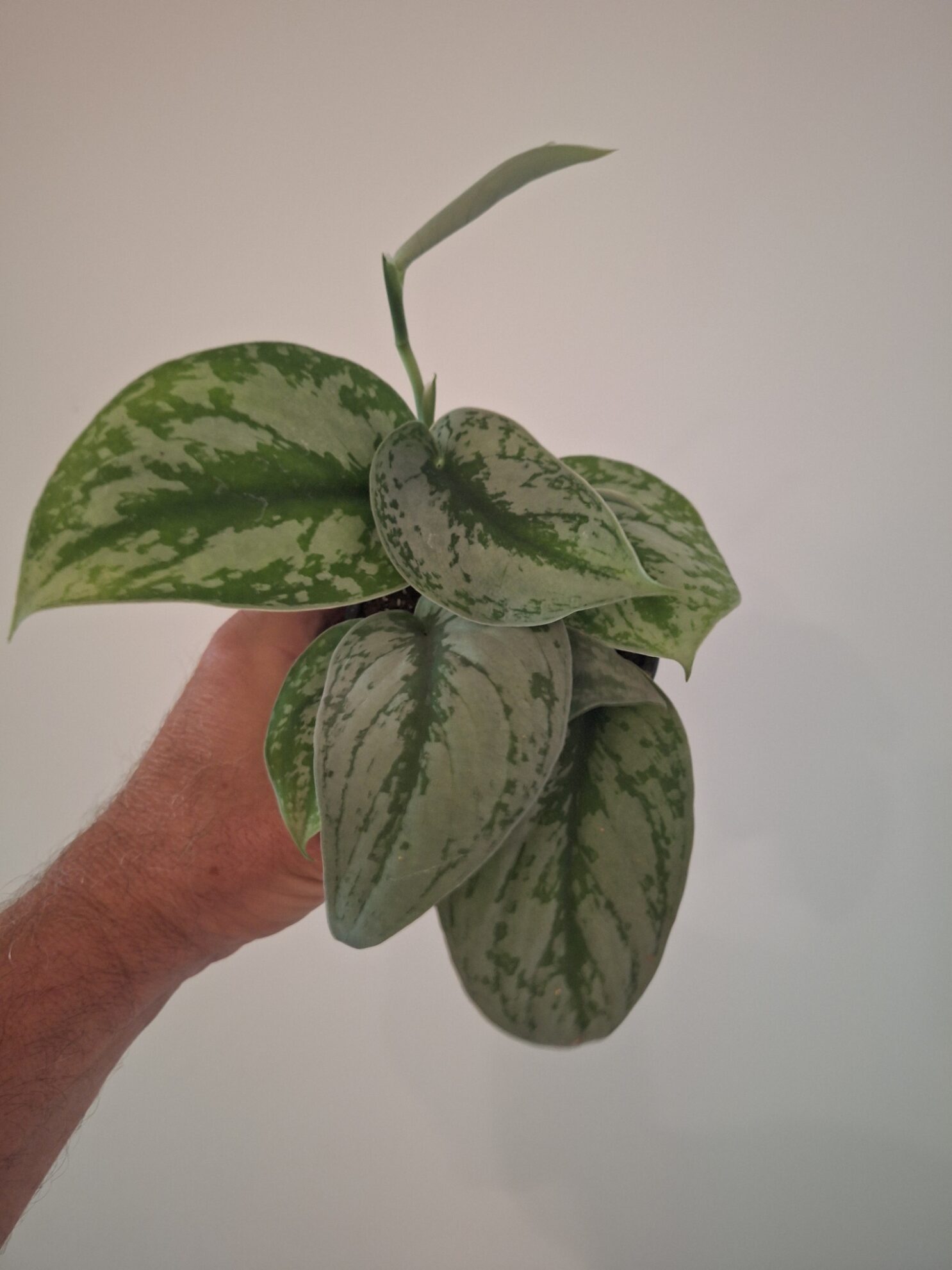
Pothos (Epipremnum aureum)
- Excellent trailing plant
- Ideal for shelves and planters
Large Tropical Specimens
- Fiddle Leaf Fig
- Kentia Palm
- Majesty Palm
- Schefflera
- Monstera
These plants help create a strong visual impact while remaining manageable for interior maintenance programs.
Professional Plant Care Matters
The benefits of indoor plants are only realized when plants are healthy and well-maintained.
Poorly maintained plants with yellowing leaves, pests, or declining foliage can create a negative impression that undermines the intended benefits.
Professional interior plant maintenance services help ensure that plants remain healthy, attractive, and aligned with the professional image of the organization.
The Future of Reception Area Design
As businesses continue to recognize the importance of employee wellness, customer experience, and biophilic design, living plants are becoming a standard feature in modern commercial interiors.
Reception areas are no longer simply waiting spaces. They serve as powerful tools for communication, branding, and relationship building.
A thoughtfully designed plant display can transform an ordinary entrance into a memorable, welcoming environment that reflects the values and professionalism of the organization.
Final Thoughts
Living plants do far more than beautify a reception area. They create positive first impressions, support biophilic design principles, strengthen brand image, enhance visitor experiences, and contribute to a healthier and more welcoming environment.
For businesses seeking an affordable way to elevate their space and improve the experience of everyone who walks through the door, incorporating living plants into the reception area is one of the smartest investments they can make.