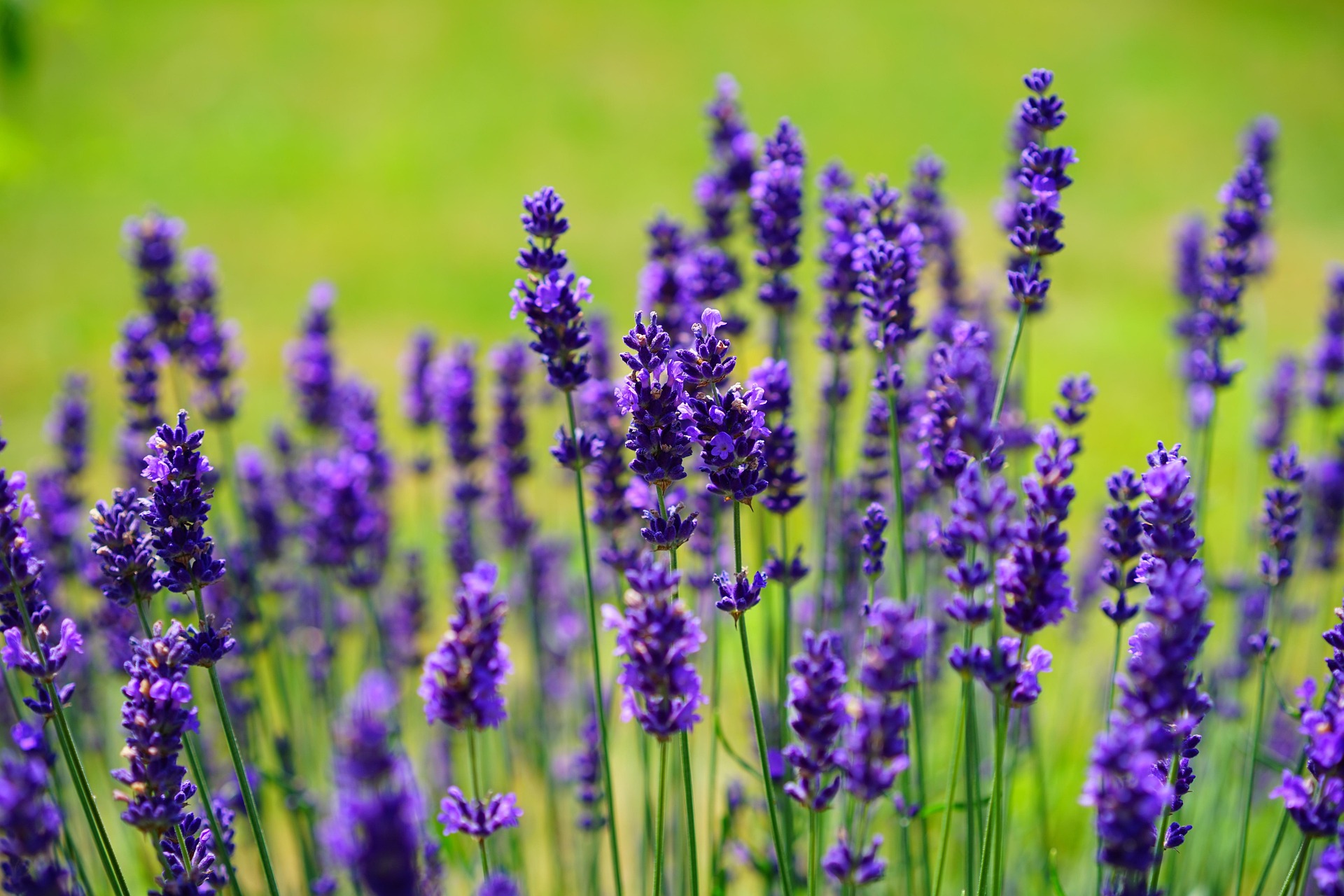
Few plants pull their weight in the landscape quite like Lavandula angustifolia ‘Hidcote Blue’. This compact English lavender has become a staple in gardens around the world, and for good reason. It offers stunning blue-violet blooms, silvery-green foliage, an intoxicating fragrance, and enough pollinator activity to make your garden feel like a busy airport for bees.
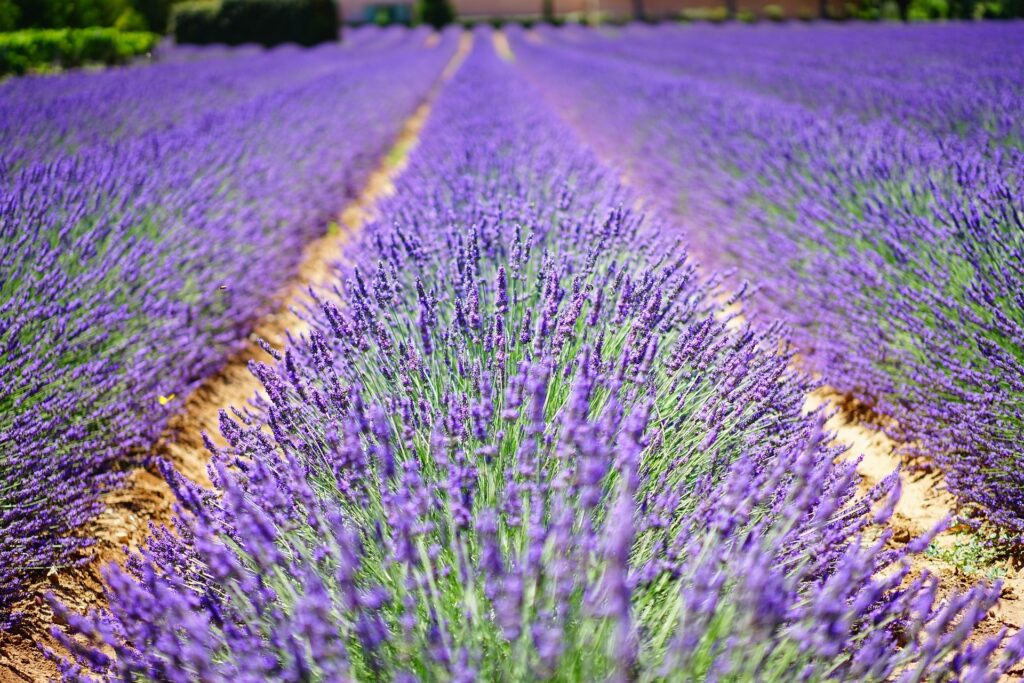
Originating from the famous Hidcote Manor Garden in England, ‘Hidcote Blue’ is prized for its densely packed flower spikes and compact habit. Typically growing 18 to 24 inches tall and wide, it fits comfortably into almost any sunny garden setting.
But don’t let its modest size fool you. This little powerhouse has been charming gardeners, herbalists, and folklore enthusiasts for centuries.
Landscape Uses: A Designer’s Dream
As landscape professionals, we’re always looking for plants that provide multiple seasons of interest with minimal fuss. ‘Hidcote Blue’ checks all the boxes.
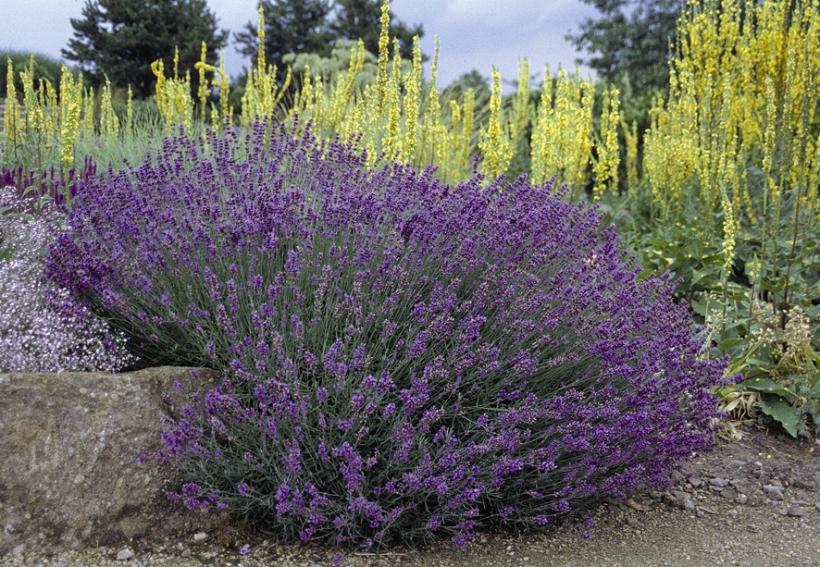
Borders and Edging
Its tidy, mounded habit makes it an excellent choice for edging walkways, patios, and perennial borders. A row of blooming lavender can turn an ordinary garden path into a sensory experience.
Cottage Gardens
If you’ve ever admired a classic English cottage garden overflowing with colour and fragrance, chances are lavender played a starring role. ‘Hidcote Blue’ blends beautifully with roses, catmint, salvia, echinacea, and ornamental grasses.
Pollinator Gardens
Bees absolutely adore lavender. Butterflies are frequent visitors as well. Planting ‘Hidcote Blue’ helps support beneficial pollinators while adding movement and life to the garden.
Herb and Kitchen Gardens
Lavender fits naturally into culinary and herb gardens where beauty and function overlap. It offers ornamental appeal while providing harvestable flowers.
Mass Plantings
A drift of blooming lavender is one of the most striking sights in the summer landscape. Mass plantings create waves of colour and fragrance that make a dramatic statement.
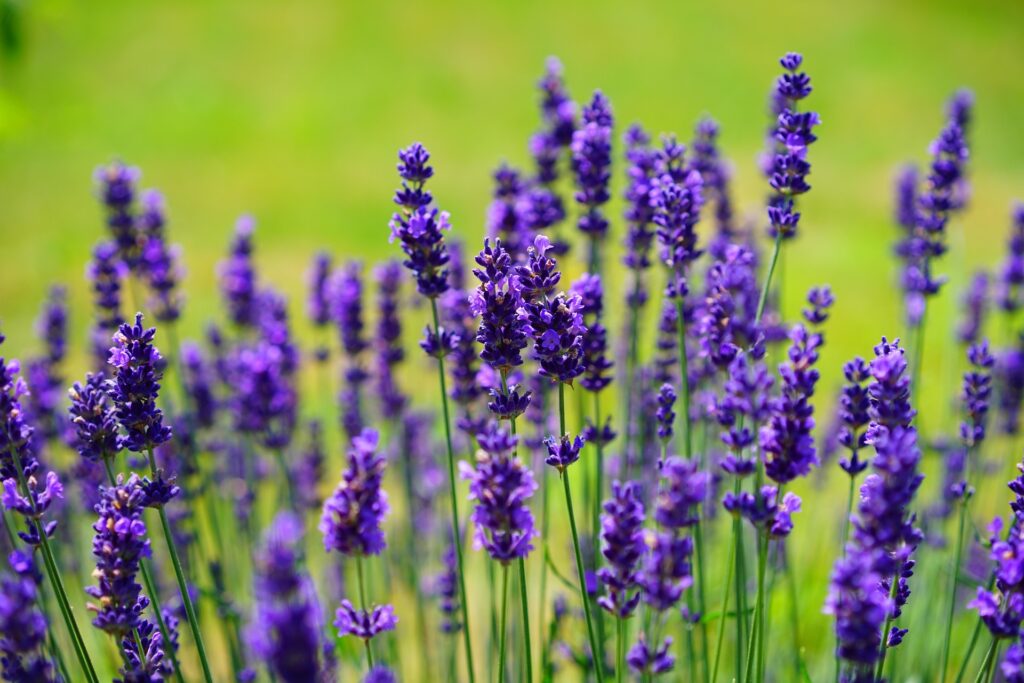
Containers
No garden? No problem. ‘Hidcote Blue’ performs wonderfully in containers, provided it receives plenty of sun and excellent drainage.
Growing Conditions
Like many Mediterranean plants, lavender appreciates conditions that might make other plants complain.
It prefers:
- Full sun (at least 6 hours daily)
- Well-drained soil
- Moderate fertility
- Drought conditions once established
In fact, gardeners often kill lavender with kindness. Overwatering and overly rich soil can shorten its lifespan far more quickly than a dry spell.
Think of lavender as that friend who doesn’t need constant attention and somehow still looks fantastic.
Medicinal and Traditional Uses
Lavender has been used medicinally for thousands of years.
Historically, the flowers and essential oils have been used to:
- Promote relaxation
- Reduce stress and anxiety
- Encourage restful sleep
- Scent linens and clothing
- Freshen indoor spaces
Many people place dried lavender sachets in drawers and closets to impart fragrance while discouraging moths.
Lavender essential oil remains one of the most widely used oils in aromatherapy today. Its calming fragrance has made it a favourite in spas, wellness centres, and households worldwide.
Of course, while lavender has a long history of traditional use, it should not be considered a substitute for professional medical advice.
Culinary Uses
Yes, you can eat lavender.
The flowers add a unique floral note to:
- Shortbread cookies
- Lemonade
- Teas
- Honey
- Syrups
A little goes a long way. Think “pleasant floral accent” rather than “tastes like perfume.”
One of the most famous culinary blends featuring lavender is Herbs de Provence, commonly used in French cooking.
Lavender in Folklore and Legend
Lavender carries almost as much folklore as it does fragrance.
Ancient Romans used lavender in baths, believing it promoted cleanliness and well-being. In fact, the name lavender comes from the Latin word lavare, meaning “to wash.”
Throughout the Middle Ages, lavender was thought to ward off evil spirits and bad luck. People often placed bunches of lavender near doorways or under pillows for protection.
Victorian-era gardeners viewed lavender as a symbol of devotion, purity, and serenity. It frequently appeared in nosegays and bouquets exchanged between loved ones.
Some folklore even suggested that carrying lavender could attract love or strengthen relationships. Whether or not that’s true, presenting someone with a healthy lavender plant certainly can’t hurt.
Why We Love ‘Hidcote Blue’
With hundreds of lavender cultivars available, why does ‘Hidcote Blue’ remain so popular?
Because it offers:
✅ Compact growth habit
✅ Excellent cold hardiness
✅ Deep violet-blue flowers
✅ Strong fragrance
✅ Pollinator attraction
✅ Drought tolerance
✅ Four-season interest in many landscapes
It’s one of those rare plants that looks just as comfortable in a formal garden as it does spilling casually through a cottage border.
Final Thoughts
If garden plants had personalities, Lavandula angustifolia ‘Hidcote Blue’ would be the charming guest everyone wants at the party. It’s attractive, hardworking, low maintenance, smells wonderful, and gets along with nearly everyone.
Whether you’re designing a pollinator garden, creating a fragrant walkway, enhancing a cottage-style landscape, or simply looking for a reliable perennial that punches above its weight, ‘Hidcote Blue’ deserves a spot in the garden.
After all, any plant that attracts bees, perfumes the air, inspires legends, and looks beautiful doing it has earned its place among the classics.