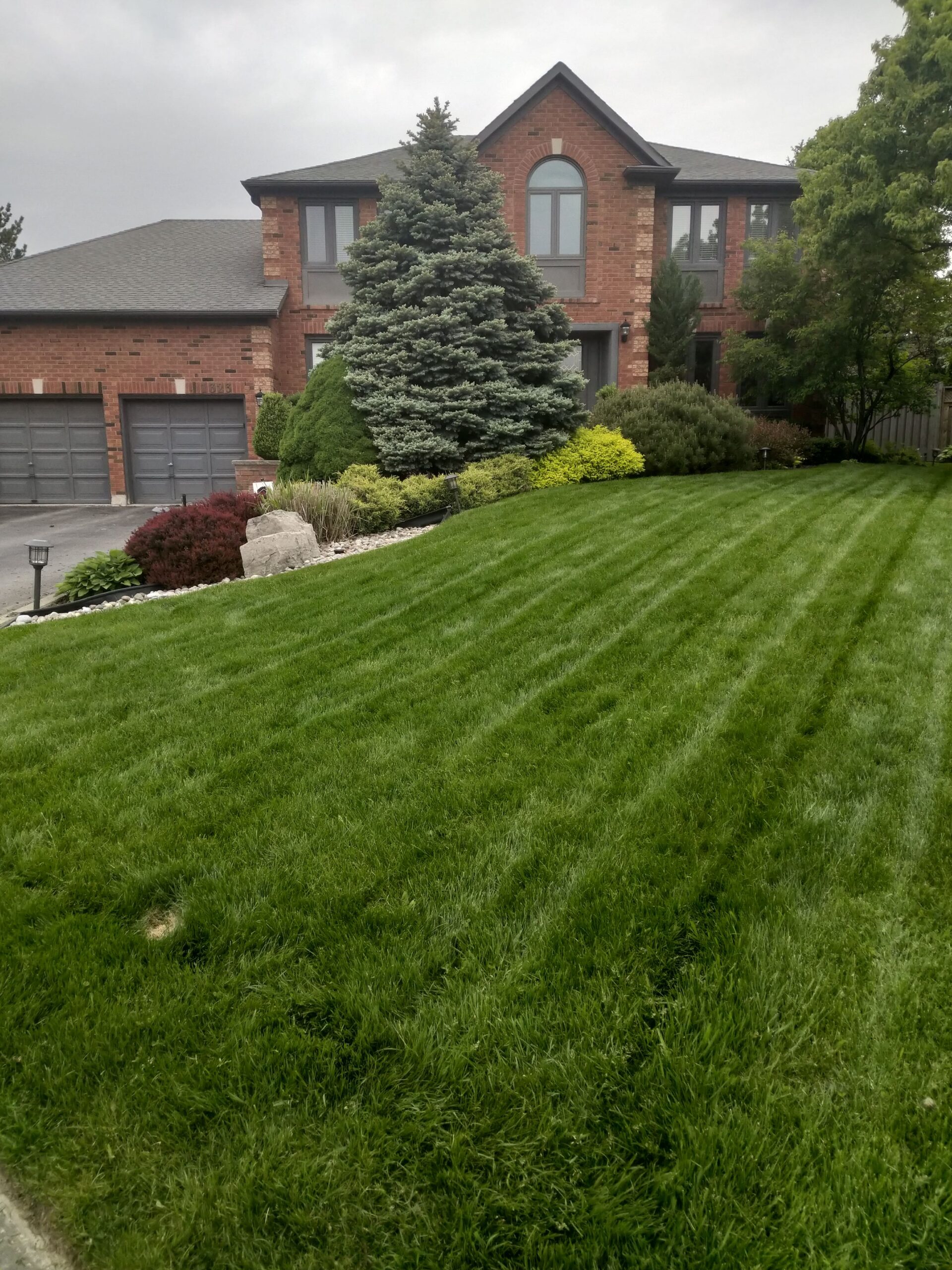
As August arrives, many Ontario lawns are showing the effects of summer stress. Heat, drought, foot traffic, and insect activity can leave turf looking thin, brown, and tired.
Fortunately, late summer is one of the best times of year to improve lawn health. Cool-season grasses such as Kentucky Bluegrass, Perennial Ryegrass, and Fine Fescue begin recovering as temperatures moderate, making August an ideal time for several important lawn care tasks.
If you’re looking to build a thicker, greener, and more resilient lawn, here are the lawn care priorities I recommend for August.
Apply a Late Summer Fertilizer
One of the most beneficial things you can do in August is apply a quality lawn fertilizer.
By late summer, many lawns have depleted much of their available nutrients. Fertilization helps stimulate recovery from summer stress and encourages the development of strong roots and healthy new growth.
Benefits of August fertilization include:
- Improved lawn colour
- Increased turf density
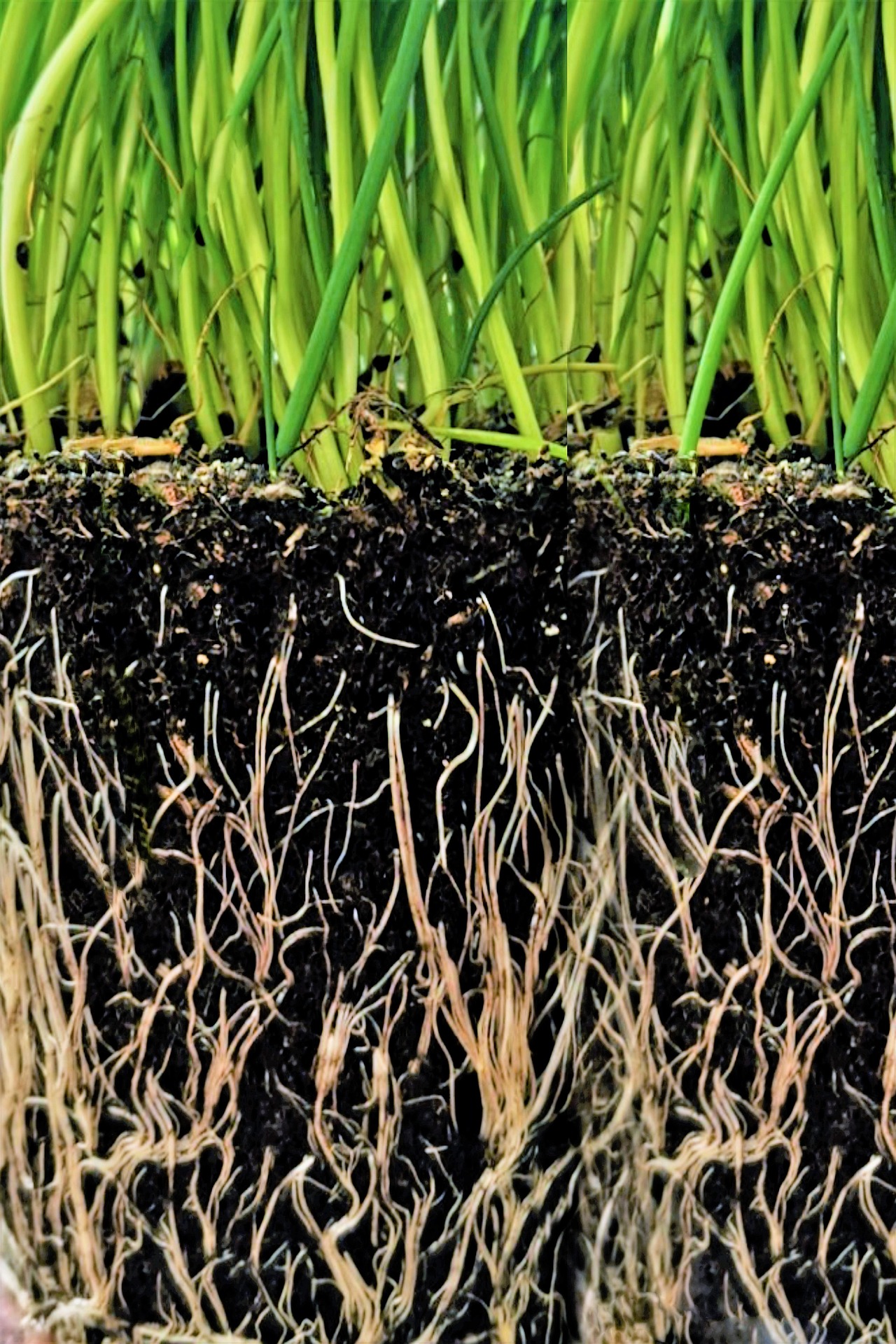
- Enhanced root development
- Better recovery from drought stress
- Improved competitiveness against weeds
Choose a fertilizer designed for late summer or early fall application and always follow label directions.
A well-fed lawn entering the fall growing season will typically outperform one that has been neglected throughout the summer.
Control Weeds If Necessary
August is also a good time to assess weed populations.
Many broadleaf weeds have survived summer conditions and may continue spreading into autumn if left unchecked.
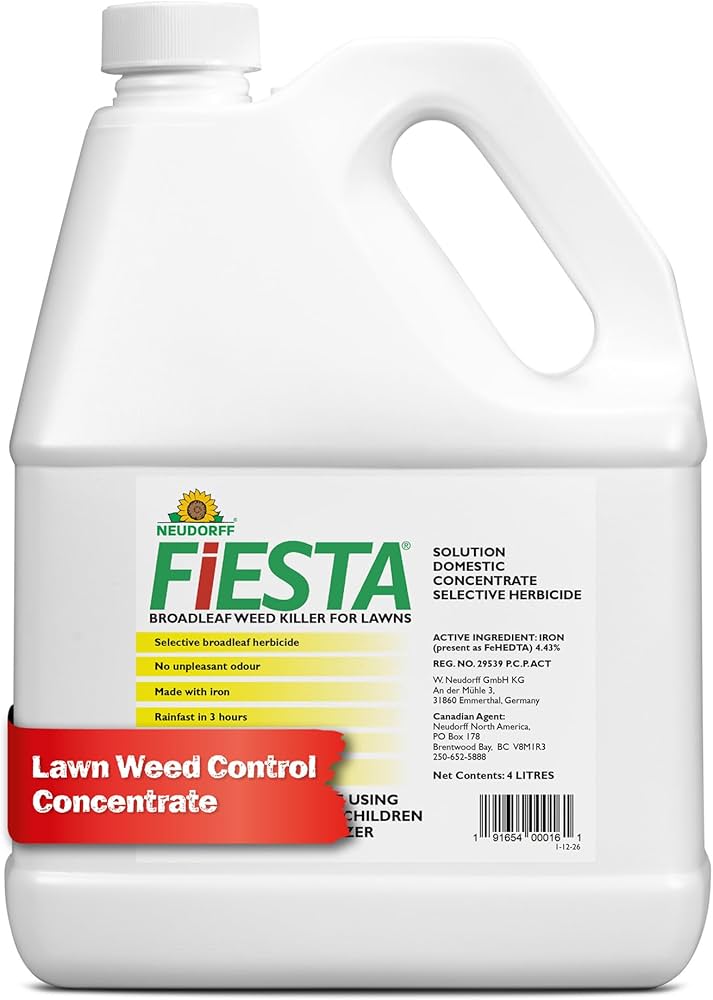
Common lawn weeds include:
- Dandelion
- Plantain
- Clover
- Black medic
- Creeping Charlie
Spot treatment is often more practical and environmentally responsible than blanket applications.
Keep in mind that weed control products can affect overseeding schedules. If you plan to overseed, carefully review product directions regarding waiting periods before applying seed.
In many cases, improving lawn density is one of the most effective long-term weed control strategies.
Topdress and Overseed Thin Areas
For many lawns, August and early September represent the best time of the year for overseeding.
Cooler temperatures, warmer soil, and more frequent rainfall create ideal conditions for seed germination and establishment.
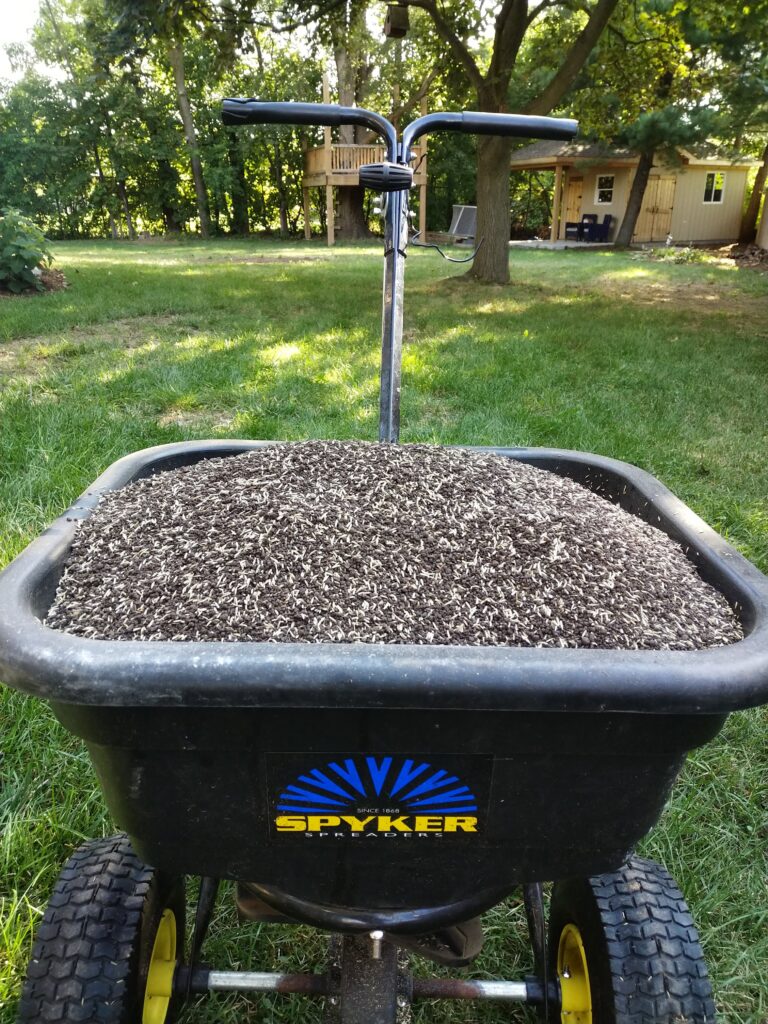
Overseeding helps:
- Fill thin areas
- Improve turf density
- Reduce weed invasion
- Introduce improved grass varieties
- Repair drought damage
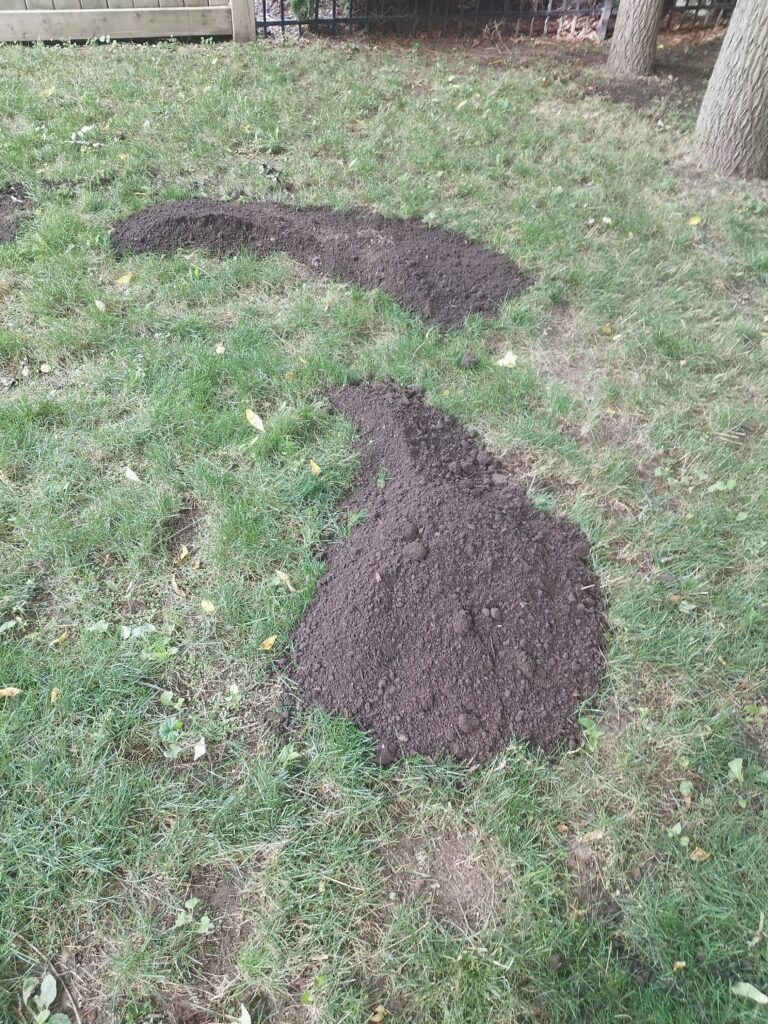
For best results:
- Mow the lawn slightly shorter than normal.
- Core aerate ONLY if the soil is compacted.
- Apply high-quality grass seed.
- Topdress with compost or quality lawn soil.
- Keep the seed consistently moist until germination occurs.
Why Topdressing Matters
Topdressing involves applying a thin layer of compost or quality soil over the lawn surface.
Benefits include:
- Improved soil structure
- Increased organic matter
- Better moisture retention
- Enhanced microbial activity
- Improved seed-to-soil contact during overseeding
Topdressing and overseeding are often performed together because they complement each other so well.
Monitor for Grub Damage
August is one of the key months to watch for grub activity.
Signs of grub damage include:
- Irregular brown patches
- Turf that lifts easily like a carpet
- Increased activity from skunks, raccoons, or birds digging in the lawn
Early detection allows homeowners to determine whether treatment is necessary and prevents minor problems from becoming major damage.
Adjust Watering Practices
Many homeowners water incorrectly during the summer.
Rather than frequent shallow watering, lawns generally benefit from deep, infrequent irrigation.
A good approach is to:
- Water early in the morning
- Apply enough water to moisten the root zone
- Allow the surface to dry between watering events
This encourages deeper root growth and improves drought tolerance.
As temperatures cool later in August, many lawns require less supplemental irrigation.
Continue Proper Mowing
Although growth may have slowed during hot weather, mowing remains important.
Maintain a mowing height of approximately:
- 7.5 to 10 cm (3 to 4 inches)
Longer grass blades:
- Shade the soil
- Reduce moisture loss
- Suppress weeds
- Support deeper rooting
Avoid removing more than one-third of the leaf blade during any single mowing.
Sharp mower blades are also essential to prevent tearing and unnecessary stress.
Inspect Lawn Edges and Garden Borders
August is an excellent time to tidy lawn edges and define garden beds.
Clean, crisp edges instantly improve curb appeal and help prevent grass from invading landscape beds.
This simple task often creates a more noticeable improvement than many homeowners expect.
Prepare for Fall Success
While spring often receives most of the attention, many lawn professionals consider late summer and early fall the most important period for cool-season lawn care.
By focusing on fertilization, weed management, aeration, topdressing, overseeding, proper mowing, and watering, homeowners can dramatically improve lawn health before winter arrives.
Final Thoughts
August is not the end of the lawn care season in Ontario. In many ways, it is the beginning of recovery and renewal. Taking action now can help repair summer damage, improve turf density, and create the strong root system needed for a healthy lawn next year.
A little effort in August often produces some of the most noticeable lawn improvements you’ll see all year. 🌱🍃