Interior plants have become a staple of modern workplaces. They add beauty, soften hard architectural lines, create a welcoming atmosphere, and help businesses project a professional image.
Yet despite the growing popularity of office plants, many businesses unknowingly make mistakes that result in struggling plants, increased costs, and a less-than-professional appearance.
The good news is that most of these issues are entirely avoidable. Here are some of the biggest mistakes businesses make with interior plants and how to avoid them.
- Choosing Plants Based on Appearance Alone
One of the most common mistakes is selecting plants simply because they look attractive.
A beautiful tropical plant may catch your eye at the garden centre, but if it requires high humidity and bright light, it may struggle in a typical office environment.
Instead, consider:
- Available light levels
- Temperature conditions
- Air circulation
- Maintenance requirements
- Available space
The best office plants are those that are both attractive and well-suited to the environment.
- Ignoring Light Conditions
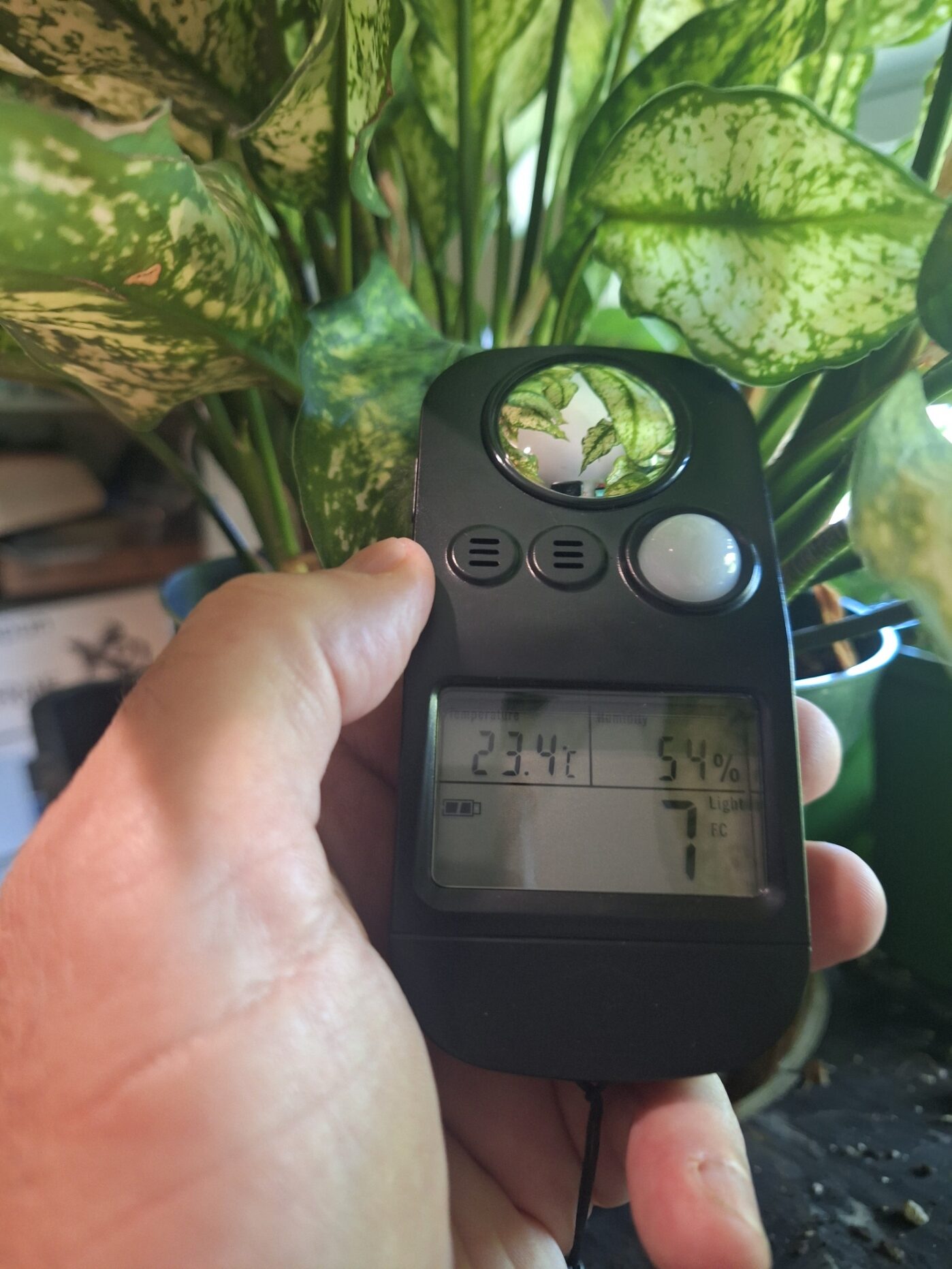
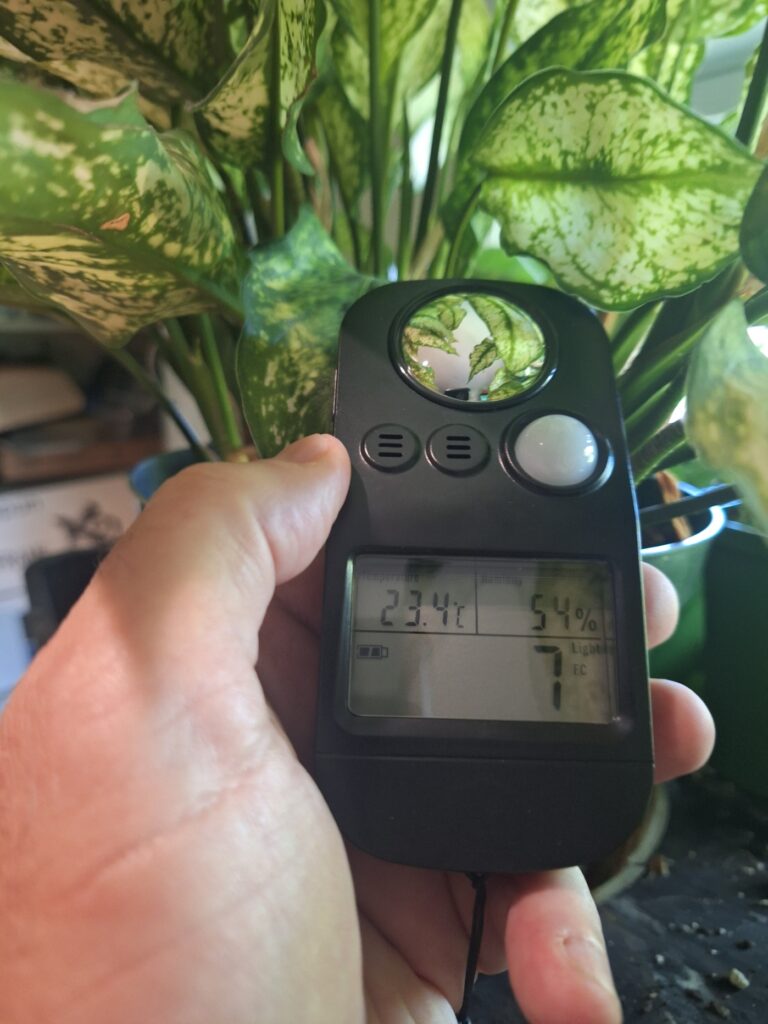
Light is the single most important factor affecting the health of interior plants.
Many businesses place plants where they look best rather than where they will grow best. A large plant may look impressive in a dark corner, but over time it may become thin, weak, and unhealthy.
Before selecting plants, assess:
- Natural light availability
- Window orientation
- Seasonal light changes
- Artificial lighting conditions
Matching plants to available light can dramatically improve their long-term performance.
- Treating All Plants the Same
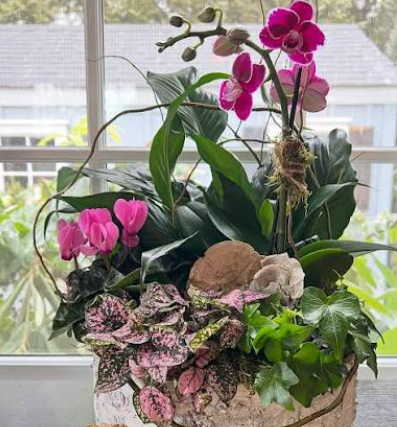
Not all plants have the same needs.
Some plants prefer consistently moist soil, while others thrive when allowed to dry between waterings. Some tolerate low light, while others require bright indirect light.
A one-size-fits-all approach often leads to problems.
Successful interior landscaping recognizes that each species has unique requirements.
- Overwatering
If there is one mistake responsible for more plant losses than any other, it is overwatering.
Many people assume a struggling plant needs more water when the opposite is often true.
Symptoms of overwatering include:
- Yellow leaves
- Root rot
- Fungus gnats
- Wilting despite moist soil
- Leaf drop
Healthy roots require oxygen as much as they require water.
- Underwatering and Neglect
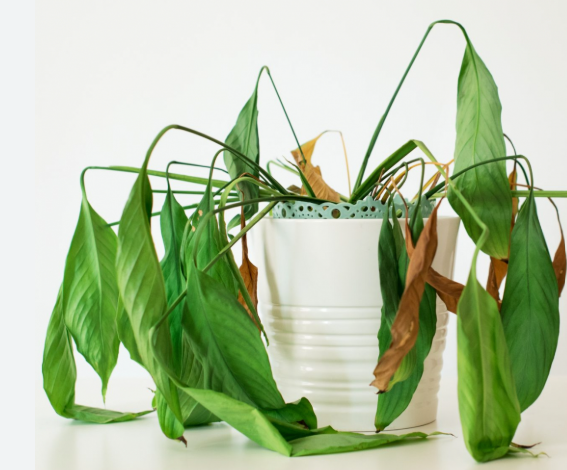
While overwatering is common, neglect can be equally damaging.
Busy offices sometimes forget about plants entirely until obvious signs of stress appear.
Symptoms of underwatering include:
- Dry soil
- Brown leaf tips
- Drooping foliage
- Premature leaf drop
Consistent care is essential for long-term plant health.
- Choosing Plants That Outgrow the Space
A small plant purchased today can become a large maintenance challenge in the future.
Businesses often install rapidly growing plants without considering their mature size.
This can lead to:
- Crowded walkways
- Blocked windows
- Constant pruning
- Frequent replacement costs
Selecting plants with appropriate mature dimensions helps avoid future headaches.
- Neglecting Brand Alignment
Plants should support a company’s image and values.
An innovative technology company may benefit from striking architectural plants, while a wellness-focused organization may embrace lush biophilic designs.
When plants are selected without considering branding, businesses miss an opportunity to reinforce their identity.
Interior plants should be viewed as part of the overall customer and employee experience.
- Using Low-Quality Containers
The plant may be healthy, but unattractive containers can undermine the overall appearance.
Cheap, mismatched, or deteriorating planters can make an otherwise beautiful installation appear unprofessional.
Consider selecting containers that complement:
- Corporate colours
- Interior design themes
- Architectural styles
- Brand identity
The container is part of the presentation.
- Forgetting About Maintenance
Many businesses invest in plant installations without developing a maintenance plan.
Healthy interior plants require:
- Regular watering
- Pruning
- Cleaning
- Fertilization
- Pest monitoring
Without ongoing care, even the most beautiful installations will eventually decline.
Professional plant maintenance services often provide excellent value by protecting the investment and ensuring plants always look their best.
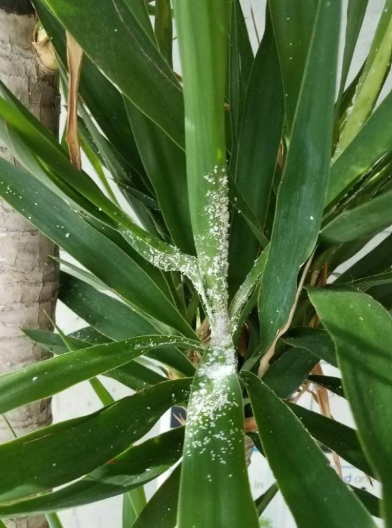
- Ignoring Pests Until It’s Too Late
Indoor plants can occasionally attract pests such as:
- Spider mites
- Mealybugs
- Scale insects
- Fungus gnats
Small infestations are typically easy to manage when caught early.
Regular inspections allow businesses to address issues before they become severe or affect multiple plants.
- Failing to Clean Plants
Dust accumulates on leaves surprisingly quickly, especially in offices.
Dirty foliage can:
- Reduce the plant’s ability to photosynthesize
- Diminish visual appeal
- Make the workspace appear neglected
Regular cleaning helps plants remain healthy and attractive.
- Viewing Plants as Décor Rather Than Living Assets
Perhaps the biggest mistake is treating plants as static decorative objects.
Plants are living elements that change and grow over time. When properly cared for, they become valuable assets that contribute to:
- Workplace aesthetics
- Employee satisfaction
- First impressions
- Brand image
- Customer experience
The most successful businesses recognize that interior plants deserve the same attention as other aspects of their workplace environment.
The Smart Approach to Interior Plants
Successful businesses approach interior plants strategically by:
✅ Selecting appropriate species
✅ Matching plants to lighting conditions
✅ Establishing maintenance routines
✅ Choosing quality containers
✅ Supporting brand identity
✅ Monitoring plant health regularly
✅ Planning for long-term growth
With thoughtful planning and proper care, interior plants can become one of the most effective and affordable ways to enhance a workplace.
Final Thoughts
Interior plants have the power to transform office spaces, strengthen brand image, and create memorable experiences for employees and visitors. However, success depends on much more than simply placing a few plants around the office.
By avoiding common mistakes such as poor plant selection, overwatering, inadequate maintenance, and neglecting brand considerations, businesses can enjoy beautiful, thriving plants that contribute positively to their workplace culture and corporate image.
When treated as a strategic investment rather than an afterthought, interior plants become an essential component of a professional, welcoming, and successful business environment. 🌿🏢