Indoor plants do more than beautify an office. They create a welcoming environment, enhance the customer experience, and contribute to a healthier, more productive workplace. Once a business decides to incorporate plants into its interior design, the next question arises:
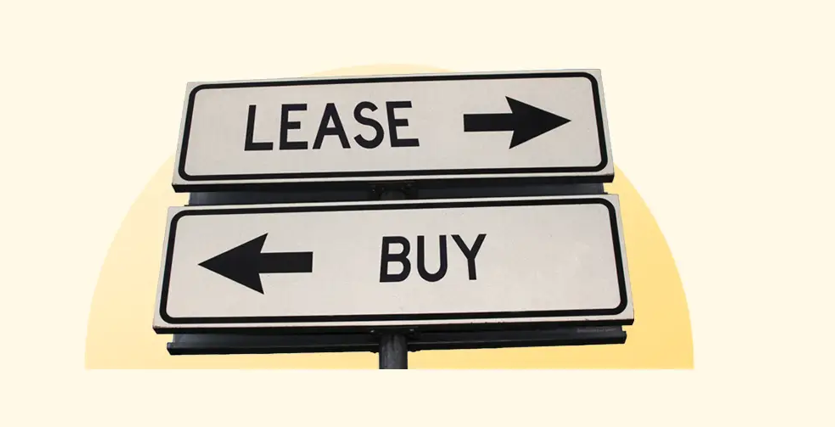
Should you lease plants or buy them outright?
Both options have advantages, and the right choice depends on your company’s budget, priorities, and available resources. Here’s a closer look at the pros and cons of each approach.
Understanding Interior Plant Leasing
Plant leasing is a service in which a professional interior plant company supplies, installs, and maintains plants for a monthly fee.
The leasing package typically includes:
- Plant selection and design
- Decorative containers
- Installation
- Regular maintenance visits
- Watering and fertilization
- Pest and disease management
- Replacement of declining plants
Rather than purchasing and caring for plants yourself, you essentially subscribe to a professionally managed greenery program.
Benefits of Plant Leasing
- Predictable Monthly Costs
Many businesses prefer operating expenses over large capital expenditures.
Instead of spending thousands of dollars upfront on plants and containers, leasing spreads costs into manageable monthly payments. This can help preserve cash flow, especially for startups, medical offices, restaurants, and growing businesses.
- Professional Maintenance Included
Even low-maintenance plants require proper care.
A leasing program removes the burden from employees, who often lack the time or expertise to keep plants healthy. Professional technicians ensure plants receive the correct watering, pruning, cleaning, and fertilization.
The result is consistently attractive displays that enhance your business image.
- Plant Replacement Guarantee
Plants occasionally decline despite professional care.
With a leasing program, replacement costs are usually covered by the service provider. This reduces risk and ensures your workplace always looks its best.
- Design Expertise
Interior plant professionals understand lighting conditions, traffic patterns, and aesthetic design principles.
They can recommend species that will thrive in your environment while complementing your décor and branding.
- Flexibility
As your business grows or relocates, leased plant programs can often be adjusted to match changing needs.
Additional plants, larger containers, or updated designs can be incorporated without requiring another major investment.
Drawbacks of Plant Leasing
- Ongoing Monthly Expense
Over many years, leasing may cost more than purchasing and maintaining plants yourself.
Businesses seeking the lowest possible long-term cost may view this as a disadvantage.
- No Ownership
At the end of the lease term, the plants remain the property of the leasing company.
Some organizations prefer building ownership of their assets rather than paying for a service indefinitely.
Understanding Plant Ownership
Plant ownership involves purchasing plants and containers outright.
The business assumes responsibility for:
- Plant selection
- Installation
- Watering
- Fertilization
- Pruning
- Pest management
- Replacement when necessary
Some businesses perform maintenance internally, while others hire a plant care company to service owned plants.
Benefits of Plant Ownership
- Long-Term Cost Savings
If plants are properly maintained and remain healthy for several years, ownership can become more economical than leasing.
Once the initial investment is made, ongoing expenses are generally limited to maintenance and occasional replacements.
- Asset Ownership
The plants and containers belong to your business.
Many organizations appreciate having complete control over their landscape and decorating assets.
- Greater Customization
Ownership allows businesses to choose any plant, container, or design style without being restricted by a lease program.
Plants can also be relocated, reused, or expanded as desired.
- Potential Tax Advantages
Depending on your situation and local tax regulations, purchased plants and containers may qualify as capital assets.
Business owners should consult their accountant regarding potential tax implications.
Drawbacks of Plant Ownership
- Larger Upfront Investment
Quality interior plants and decorative containers can represent a significant initial expense.
For larger offices, reception areas, hotels, or commercial buildings, startup costs can be substantial.
- Maintenance Responsibility
Healthy interior plants require consistent care.
Without professional attention, plants may suffer from improper watering, low humidity, insufficient light, or pest problems. Replacing neglected plants can quickly erode any anticipated savings.
- Replacement Costs
When plants decline or die, replacement costs fall entirely on the owner.
Businesses must budget for these unexpected expenses.
Which Option Is Best for Your Business?
Leasing May Be Ideal If:
- You want a completely hands-off solution.
- Consistent appearance is critical.
- You prefer predictable monthly expenses.
- Your staff lacks plant care knowledge.
- You frequently renovate, grow, or relocate.
Ownership May Be Ideal If:
- You have available capital for upfront purchases.
- You already employ facility staff capable of plant care.
- You plan to keep the same design for many years.
- You prefer building long-term assets.
- You are comfortable managing replacement costs.
A Hybrid Approach
Many businesses find the best solution is a combination of ownership and professional maintenance.
For example, a company may purchase feature plants and decorative containers outright while contracting a professional plant service company for ongoing care. This provides the benefits of ownership while ensuring the plants remain healthy and attractive.
Final Thoughts
The decision between plant leasing and plant ownership ultimately comes down to priorities.
If convenience, professional care, and predictable budgeting are most important, leasing is often the better choice. If long-term cost control and asset ownership are your primary goals, purchasing plants may provide greater value.
Regardless of which option you choose, healthy interior plants can transform your workplace, create a positive first impression, and contribute to a more enjoyable environment for employees and customers alike.
The real question isn’t whether your business should have interior plants. It’s whether you want to manage them yourself or leave that responsibility to the professionals.