Chlorophytum comosum – Spider Plant
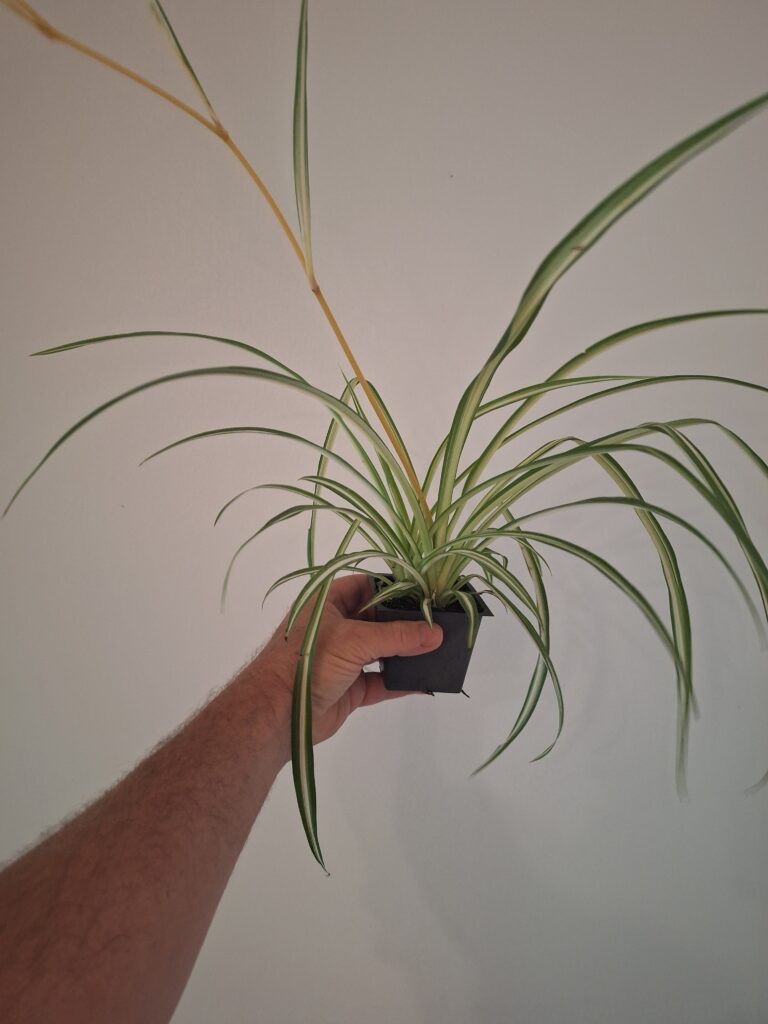
Few houseplants have earned a reputation as dependable and versatile as the Spider Plant. With its fountain-like foliage and charming plantlets that dangle from long stems, this classic houseplant has been decorating homes for generations.
Whether displayed in a hanging basket, tabletop planter, or decorative pot, the Spider Plant adds texture, movement, and fresh greenery to any room. Its forgiving nature makes it an ideal choice for busy homeowners, first-time plant parents, and anyone looking for a low-maintenance indoor plant.
History and Origins
The Spider Plant is native to tropical and southern regions of Africa, where it grows as a perennial groundcover in warm climates. In its natural environment, it thrives in dappled sunlight beneath shrubs and among other vegetation.
Introduced into cultivation during the nineteenth century, it quickly became a favourite houseplant around the world due to its adaptability and ease of propagation.
Today, it remains one of the most widely grown indoor plants thanks to its attractive foliage, vigorous growth, and remarkable tolerance for a range of indoor conditions.
Plant Description
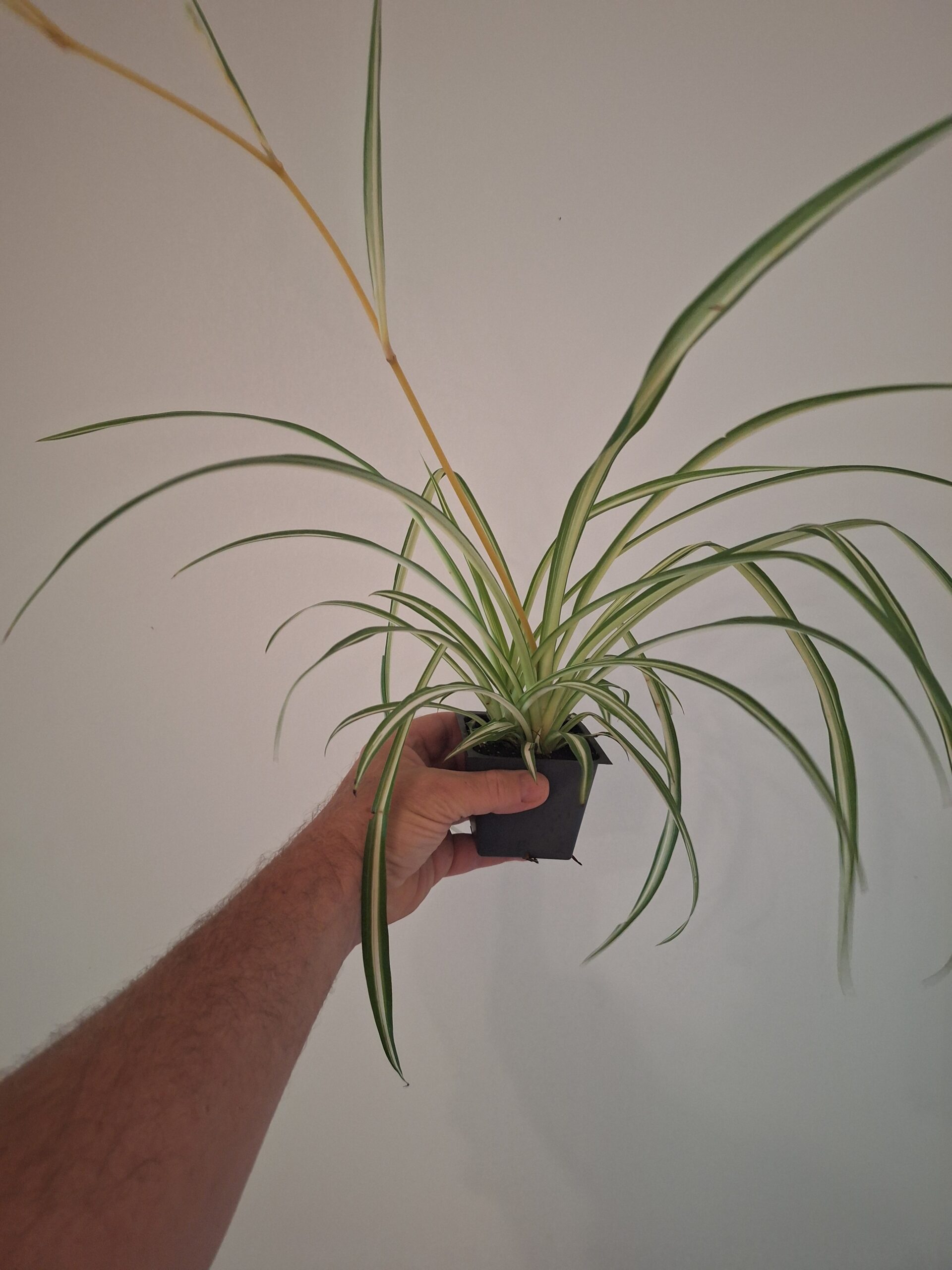
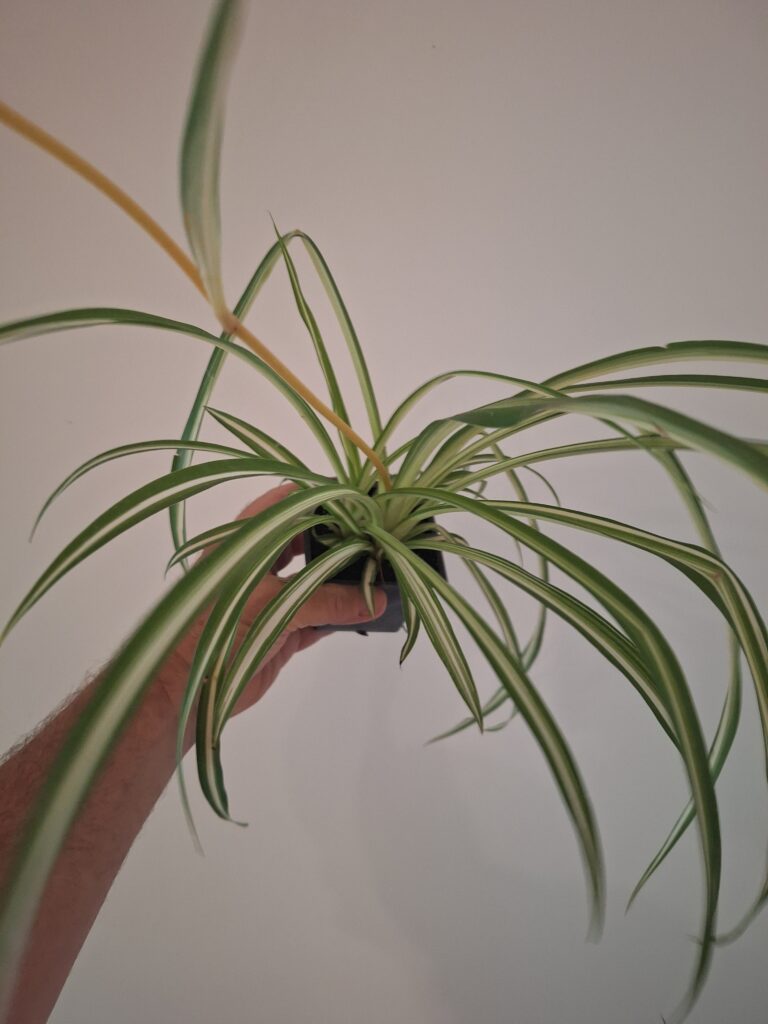
Spider Plants are evergreen perennials known for their graceful, arching leaves.
Key Features
- Narrow, arching foliage
- Green leaves often striped with creamy white
- Compact central crown
- Long stems that produce baby plants
- Fast growth under ideal conditions
- Excellent hanging basket plant
Most plants grow 20 to 45 cm (8 to 18 inches) tall and wide, while the foliage and flower stems can extend much farther.
The baby plants, often called “spiderettes” or “pups,” are one of the plant’s most recognizable characteristics and give the Spider Plant its common name.
Ideal Growing Conditions
Light Requirements
Spider Plants perform best in:
- Bright indirect light
- Filtered sunlight
- East-facing windows
- Bright rooms with good natural light
Bright conditions help maintain strong variegation and encourage the production of plantlets.
The plant can tolerate lower light levels, although growth may slow and variegation may become less pronounced.
Avoid prolonged direct afternoon sun, which can scorch the leaves.
Temperature
Spider Plants prefer average household temperatures.
Ideal temperatures range between:
- 16°C to 27°C (60°F to 80°F)
Avoid exposing plants to:
- Frost
- Cold drafts
- Sudden temperature fluctuations
- Heating vents
Stable temperatures encourage steady growth throughout the year.
Watering Requirements
Spider Plants prefer consistently moist but not soggy soil.
Watering Tips
- Water when the top few centimetres of soil feel dry.
- Water thoroughly until excess moisture drains away.
- Reduce watering during winter.
- Avoid leaving pots standing in water.
The thick roots store some moisture, making the plant reasonably tolerant of occasional missed waterings.
Overwatering is generally more damaging than slight underwatering.
Soil Requirements
Spider Plants thrive in:
- Well-draining potting soil
- Rich organic growing media
- Slightly acidic to neutral soil
A quality indoor plant potting mix works perfectly.
Containers should always have drainage holes to prevent waterlogged roots.
Fertilizing
Feed monthly during spring and summer using a balanced liquid houseplant fertilizer.
Avoid excessive fertilization, which can lead to:
- Brown leaf tips
- Salt buildup in the soil
- Reduced plant health
During autumn and winter, reduce feeding as growth naturally slows.
Repotting
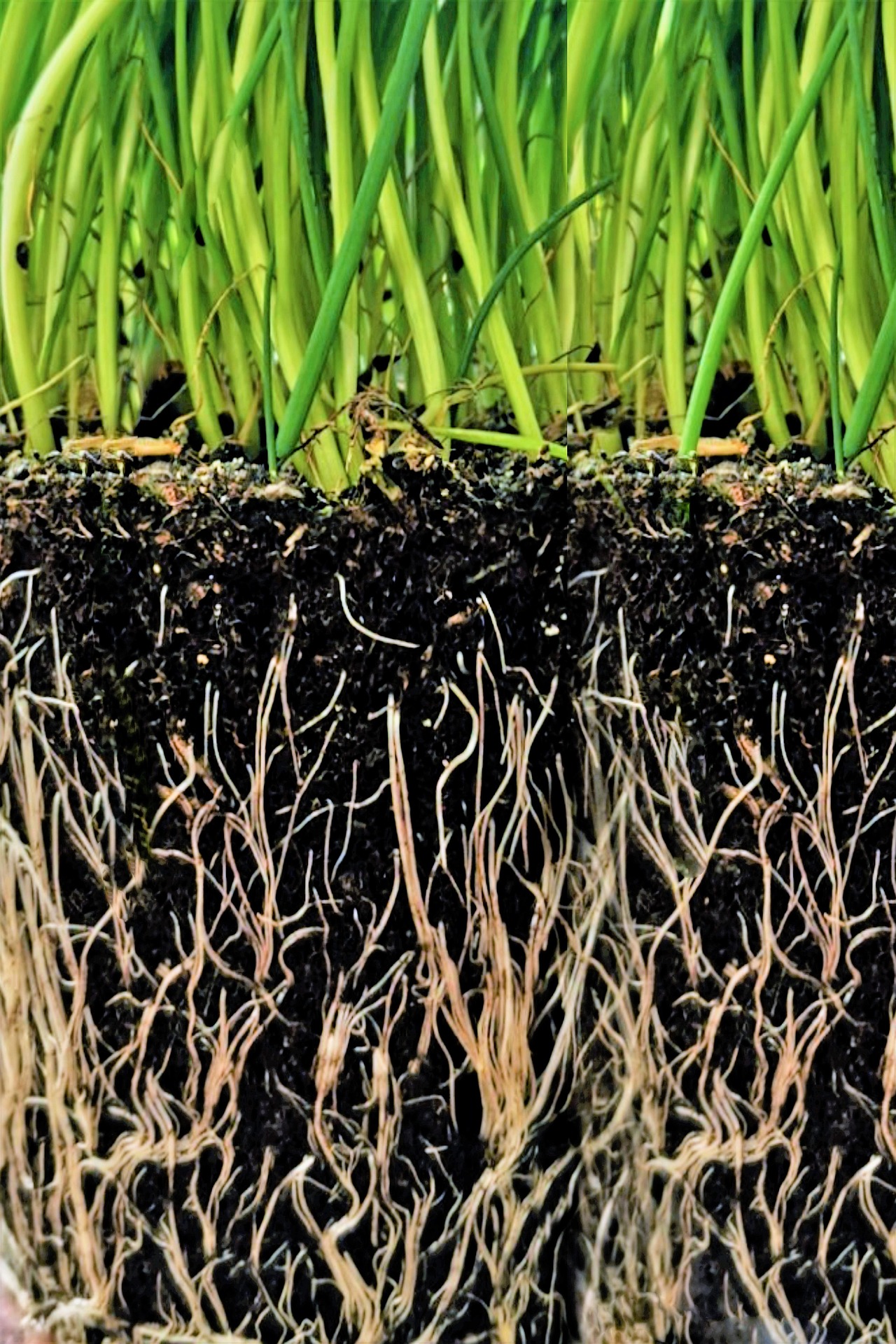
Spider Plants develop thick, fleshy roots and often become root-bound.
Repot every two to three years or when:
- Roots emerge from drainage holes
- Growth slows significantly
- The pot becomes crowded
Interestingly, Spider Plants often produce more flowers and plantlets when slightly root-bound.
Propagation
Spider Plants are among the easiest houseplants to propagate.
Propagation Methods
Plantlets
The simplest method involves rooting the baby plants that develop on long stems.
Simply:
- Cut the plantlet from the mother plant.
- Place it in water or moist potting soil.
- Allow roots to develop.
- Pot it up once established.
Division
Large mature plants can also be divided when repotting.
Propagation success rates are extremely high, making Spider Plants ideal for sharing with friends and family.
Common Pests and Problems
Spider Plants are generally trouble-free but may occasionally experience a few issues.
Potential Pests
- Spider mites
- Aphids
- Scale insects
- Mealybugs
Routine inspection usually keeps infestations under control.
Common Growing Problems
Brown Leaf Tips
The most common complaint among Spider Plant owners.
Possible causes include:
- Fluoride or chlorine in tap water
- Low humidity
- Salt buildup from fertilizer
- Inconsistent watering
Yellow Leaves
Usually linked to overwatering or poor drainage.
Slow Growth
May indicate insufficient light or overcrowded roots.
Root Rot
Almost always caused by excessive moisture and poorly drained soil.
Interesting Facts About Spider Plants
They Produce Baby Plants in Mid-Air
Few houseplants reproduce as dramatically as Spider Plants. Their dangling plantlets often create the appearance of spiders hanging on silken threads.
They Are Incredibly Long-Lived
A well-cared-for Spider Plant can thrive for decades and may even be passed down through generations.
They’re Ideal Hanging Basket Plants
The naturally arching foliage and dangling plantlets make them one of the best choices for suspended displays.
They Grow Quickly
Under bright conditions and proper care, Spider Plants can become impressively full and lush in a relatively short time.
They Are Among the Best Beginner Houseplants
Their tolerance for occasional neglect and wide range of acceptable growing conditions make them perfect for new indoor gardeners.
Why You Should Grow a Spider Plant
If you’re looking for a dependable, attractive, and easy-to-grow houseplant, Chlorophytum comosum is difficult to beat. Its graceful foliage, simple care requirements, and abundance of baby plants provide year-round interest with minimal effort.
Whether you’re building your first indoor plant collection or adding another classic favourite to your home, the Spider Plant is a timeless choice that delivers beauty, versatility, and long-lasting enjoyment.