If there is one shrub that proves fragrance still matters in the landscape, it is Philadelphus x ‘Snowbelle’, commonly known as Snowbelle Mock Orange. This compact flowering shrub fills the garden with the sweet citrus fragrance of orange blossoms in late spring and early summer, creating a sensory experience that few modern shrubs can match. Its manageable size, reliable hardiness, and masses of snowy-white flowers make it an excellent choice for Ontario landscapes.
Origins of ‘Snowbelle’
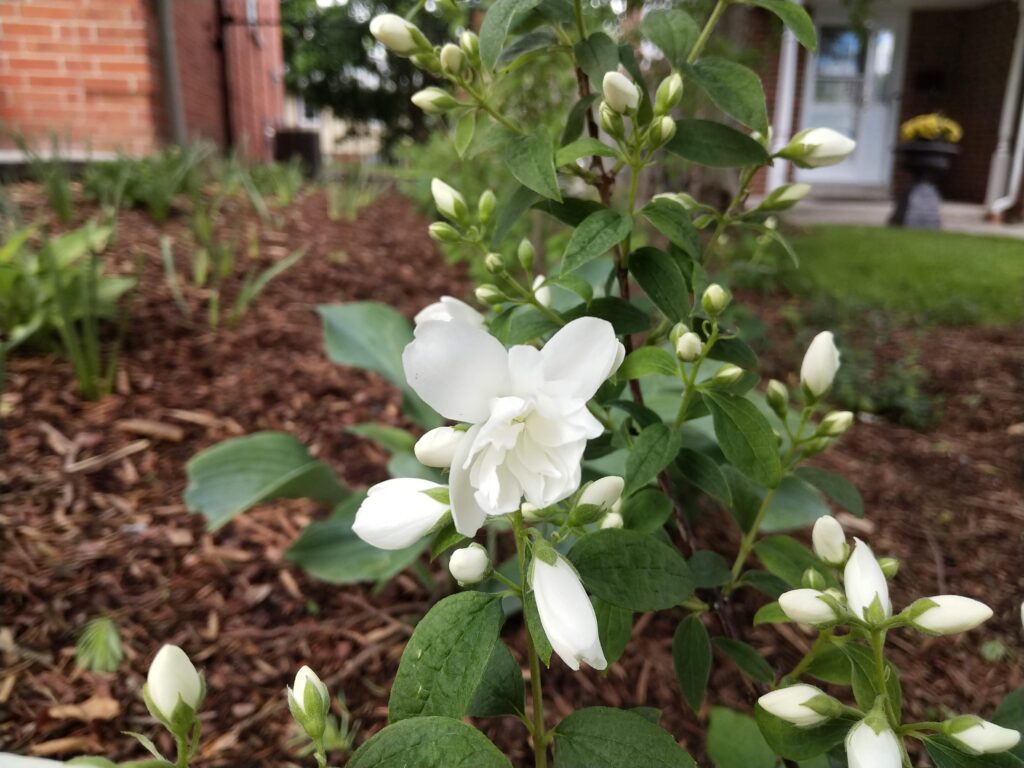
‘Snowbelle’ is a hybrid mock orange cultivar selected for its compact habit, abundant flowering, and double white blooms. It belongs to the genus Philadelphus, a group of approximately 40 species native to parts of Europe, Asia, North America, and Central America. The genus is prized for its highly fragrant flowers that resemble orange blossoms, which explains the common name “mock orange.”
Unlike older mock oranges that can become large and sprawling, ‘Snowbelle’ was bred to remain compact, typically growing 3 to 4 feet tall and wide, making it suitable for today’s smaller residential landscapes.
Why We Love It
Ontario gardeners often seek plants that can survive cold winters while providing beauty with minimal care. ‘Snowbelle’ checks every box.
Exceptional Winter Hardiness
‘Snowbelle’ performs well throughout most of Ontario and is hardy in Zones 4 to 8, tolerating both cold winters and summer heat.
Heavenly Fragrance
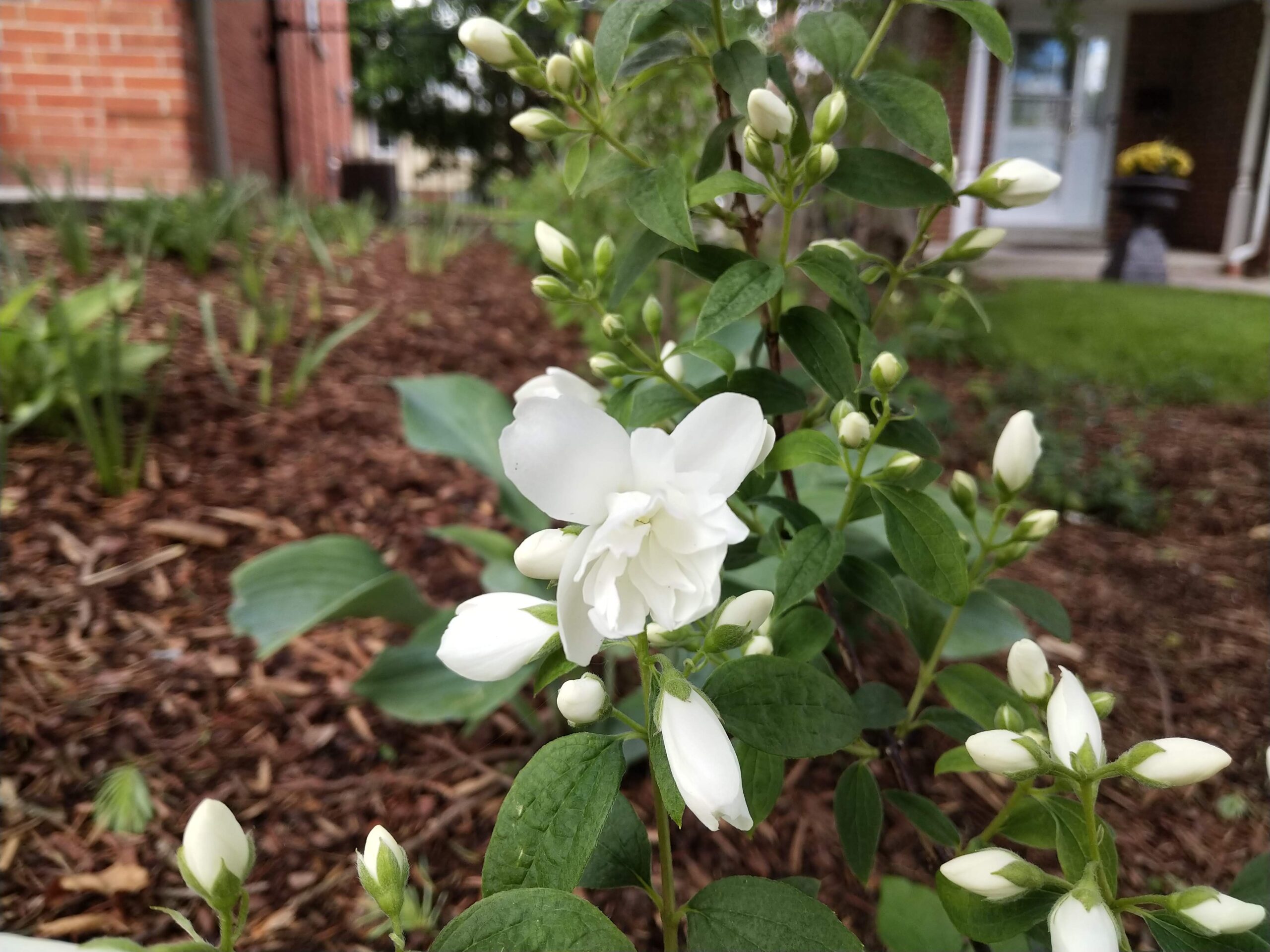
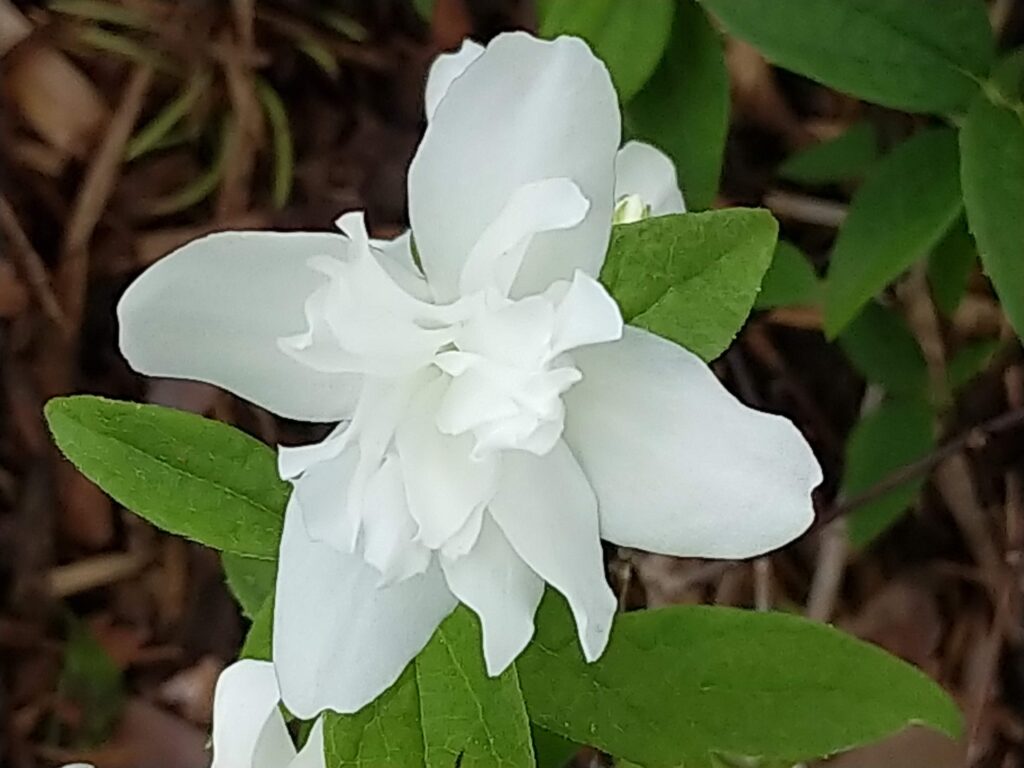
The double white flowers release a sweet citrus scent reminiscent of orange blossoms. The fragrance is often strongest during warm evenings, making it an ideal shrub near patios, walkways, decks, and outdoor seating areas.
Compact Size
Today’s urban and suburban gardens often lack room for large flowering shrubs. ‘Snowbelle’ delivers impressive floral displays without overwhelming the landscape.
Landscape Uses in Ontario
Foundation Plantings
Its tidy, rounded shape complements homes beautifully without blocking windows or entrances.
Cottage Gardens
Snowbelle’s romantic blooms fit perfectly among peonies, old-fashioned roses, catmint, salvia, and delphiniums.
Mixed Shrub Borders
Plant it alongside weigela, spirea, hydrangeas, ninebark, and dwarf conifers to create season-long interest.
Fragrance Gardens
Because fragrance is its greatest asset, consider planting it where people naturally gather or pass by frequently. A shrub that can be smelled is often more memorable than one that is merely seen.
Low Hedges and Screens
When planted in a row, Snowbelle creates an elegant flowering hedge that provides privacy while putting on a spectacular floral display each spring.
Flowers and Foliage
In late May and June, Snowbelle becomes covered in clusters of double white flowers. The blooms resemble miniature roses from a distance and contrast beautifully against the dark green foliage.
While the flowering period may last only a few weeks, the intensity of the bloom display makes it one of the highlights of the early summer garden.
Growing Conditions and Care
Sun Exposure
For maximum flowering, plant Snowbelle in full sun to partial shade. More sunlight generally results in heavier flowering and denser growth.
Soil
Snowbelle prefers:
- Well-drained soil
- Moderately moist conditions
- Organic-rich garden soils
However, it is adaptable and tolerates clay and a range of soil types provided drainage is adequate. Avoid wet feet!
Watering
Provide regular moisture during establishment. Once established, plants exhibit moderate drought tolerance, although flowering and vigor improve with consistent moisture.
Fertilizing
A spring application of compost or a balanced shrub fertilizer is generally sufficient. Excessive nitrogen can encourage leafy growth at the expense of flowers.
Pruning
One of the most important things gardeners should know is that Snowbelle flowers on old wood, meaning flower buds form on the previous year’s growth.
Prune immediately after flowering if shaping is needed. Delaying pruning until late summer, fall, or spring will remove flower buds and reduce next year’s bloom display.
Older plants can also be rejuvenated by removing several of the oldest stems at ground level after flowering.
Pests and Diseases
Snowbelle is generally considered a low-maintenance shrub with few serious problems.
Occasional issues may include:
- Aphids
- Scale insects
- Leaf miners
- Powdery mildew
- Leaf spot
- Canker diseases
These problems are rarely severe on healthy, properly sited plants. Good air circulation and proper watering practices help reduce disease pressure.
Folklore and Symbolism
Mock orange has a long history in traditional cottage gardens across Europe and North America. Because of its pure white flowers and intoxicating fragrance, it became associated with:
- Purity and innocence
- New beginnings
- Weddings and bridal gardens
- Hospitality and welcome
Victorian gardeners often planted fragrant shrubs such as mock orange near entrances and sitting areas so visitors could enjoy their perfume upon arrival. Some gardeners referred to mock orange as the “poor man’s orange blossom” because it delivered the fragrance of citrus flowers in climates too cold to grow orange trees.
Final Thoughts
Philadelphus x ‘Snowbelle’ is proof that a great landscape shrub doesn’t need flashy colours or exotic foliage to make an impact. Its compact size, exceptional fragrance, reliable hardiness, and masses of double white blooms make it one of the finest flowering shrubs for Ontario gardens. Whether used near a patio, along a walkway, or as part of a mixed border, Snowbelle rewards gardeners every spring with a memorable display that appeals to both the eyes and the nose.