Sedum ‘Autumn Joy’: Beauty from Summer Through Winter
Few perennials are as dependable and versatile as Sedum spectabile ‘Autumn Joy’, now often classified as Hylotelephium ‘Herbstfreude’ (Autumn Joy). This award-winning perennial is valued for its drought tolerance, strong architectural form, long-lasting flowers, and exceptional fall and winter interest.
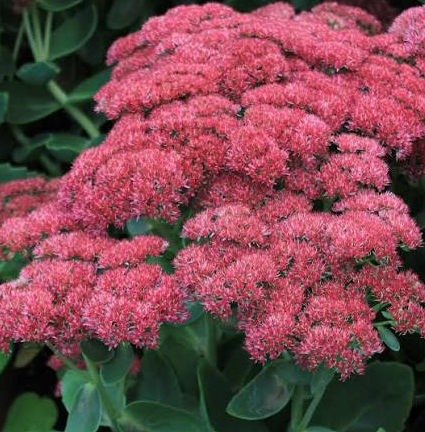
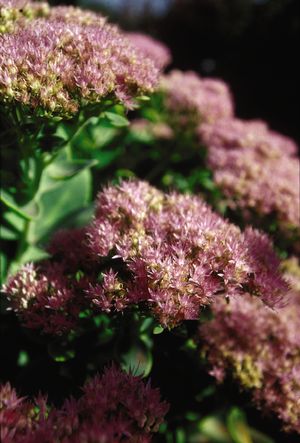
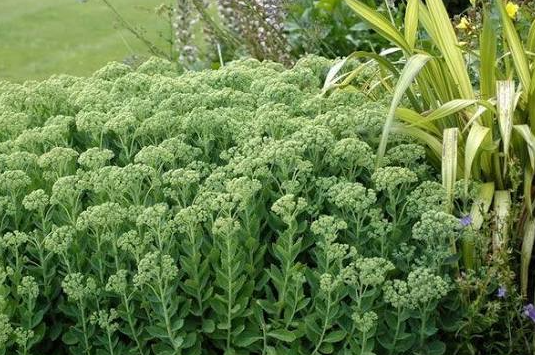
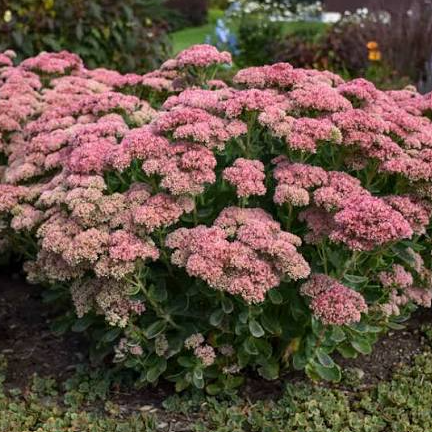
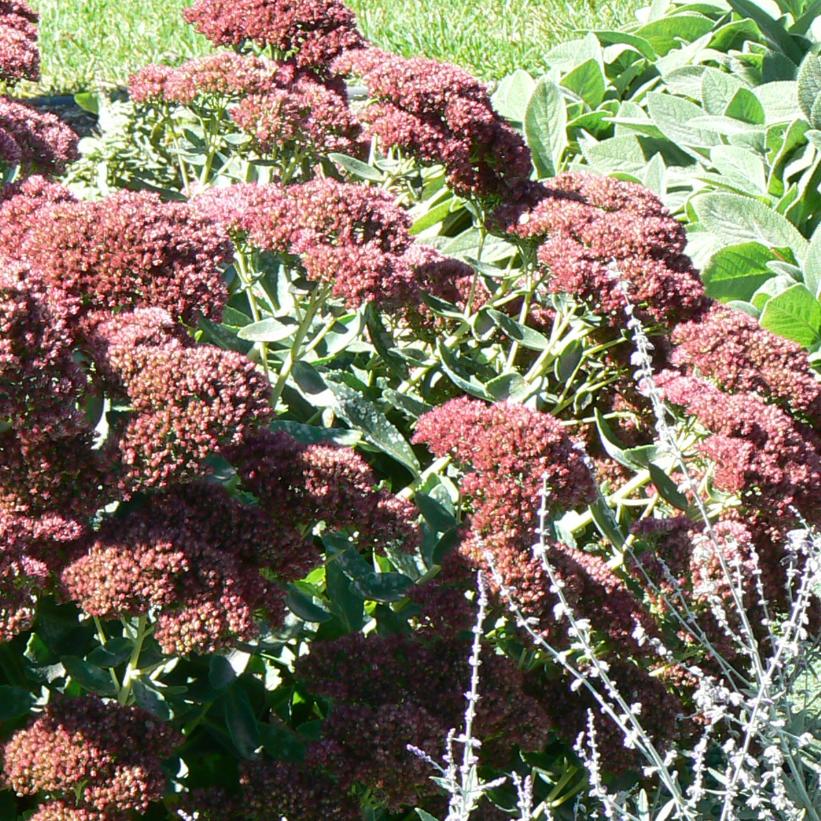
Unlike many perennials that peak in spring or early summer, Autumn Joy becomes increasingly attractive as the season progresses. Its fleshy blue-green foliage remains attractive throughout summer before giving way to large flower clusters that transform from pale pink to deep rose and eventually copper-red as autumn arrives.
Origins of Autumn Joy Sedum
Autumn Joy belongs to the stonecrop family (Crassulaceae), a group of succulent plants known for thriving in dry conditions. The cultivar was developed from species originating in Asia and was introduced into North American gardens during the mid-20th century. Over time, it became one of the most widely planted perennials in residential and commercial landscapes.
Today, many gardeners still refer to the plant as Sedum spectabile ‘Autumn Joy’, although modern botanical classifications may place it under the genus Hylotelephium.
Why Autumn Joy Makes an Excellent Landscape Plant
Four-Season Interest
One of Autumn Joy’s greatest strengths is its year-round appeal.
- Spring: Fresh blue-green succulent foliage emerges.
- Summer: Dense broccoli-like flower buds develop.
- Fall: Flowers turn pink, rose, and copper-red.
- Winter: Seed heads remain standing and add texture to snowy landscapes.
Few perennials offer such a long season of interest.
Exceptional Drought Tolerance
Because of its succulent leaves and stems, Autumn Joy stores water efficiently and thrives in hot, dry conditions. Once established, it requires very little supplemental watering.
Pollinator Attraction
The late-season flowers are highly attractive to:
- Bees
- Butterflies
- Beneficial insects
At a time when many other flowers are finishing, Autumn Joy provides an important nectar source.
Winter Food for Birds
After flowering, the seed heads remain attractive through winter and may provide food and shelter for birds and beneficial insects.
Landscape Uses
Perennial Borders
Autumn Joy’s upright habit and changing flower colours make it a standout feature in mixed perennial beds.
Pollinator Gardens
Its late-season blooms help support pollinators when nectar sources become scarce.
Rock Gardens
Because of its drought tolerance and preference for excellent drainage, it performs exceptionally well in rock gardens.
Xeriscapes
Autumn Joy is a natural fit for water-wise landscapes that require minimal irrigation.
Containers
The compact growth habit and architectural flowers make it an attractive component in large patio containers.
Plant Characteristics
- Botanical Name: Hylotelephium ‘Herbstfreude’ (formerly Sedum spectabile ‘Autumn Joy’)
- Common Name: Autumn Joy Sedum, Autumn Joy Stonecrop
- Plant Type: Herbaceous perennial succulent
- Height: 45–60 cm (18–24 inches)
- Spread: 45–60 cm (18–24 inches)
- Flower Colour: Pink aging to rose-red and copper
- Bloom Time: Late summer through fall
- Hardiness: USDA Zones 3–9
How to Care for Autumn Joy Sedum
Sunlight
For best flowering and sturdy stems, plant Autumn Joy in:
Full Sun
Insufficient sunlight can cause stems to become weak and floppy.
Soil Requirements
This plant prefers:
- Well-drained soil
- Sandy soil
- Gravelly soil
- Average garden soil
Poor drainage is the most common cause of plant failure.
Watering
Water regularly during establishment.
Once mature, Autumn Joy is highly drought tolerant and typically requires little supplemental irrigation. Overwatering is more harmful than underwatering.
Fertilizing
Very little fertilizer is required.
Rich soil or excessive fertilization can lead to weak stems and excessive growth, reducing the plant’s naturally compact habit.
Maintenance and Pruning
One reason Autumn Joy is so widely planted is its ease of maintenance.
Recommended practices include:
- Removing old stems in early spring.
- Dividing plants every few years if overcrowding occurs.
- Leaving flower heads standing through winter for added interest.
- Avoiding overly fertile conditions.
Many gardeners intentionally leave the dried seed heads in place until spring because they provide winter texture and beauty.
Common Pests and Diseases
Autumn Joy is generally one of the easiest perennials to grow.
Occasional problems include:
Aphids
May occasionally appear on new growth.
Slugs
Can damage young foliage during wet periods.
Mealybugs
Occasionally found in crowded or sheltered plantings.
Root Rot
The most serious issue occurs when plants are grown in poorly drained or constantly wet soils.
Powdery Mildew
Can occasionally develop where airflow is poor, though serious damage is uncommon.
Companion Plants
Autumn Joy pairs beautifully with:
- Echinacea (Purple Coneflower)
- Rudbeckia ‘Goldsturm’
- Salvia nemorosa
- Nepeta ‘Cat’s Pajamas’
- Ornamental grasses
- Asters
- Goldenrod
These combinations provide continuous colour from spring through fall and create excellent pollinator habitat.
Why We Love Autumn Joy
✅ Four-season interest
✅ Drought tolerance
✅ Pollinator attraction
✅ Winter texture and structure
✅ Deer resistance
✅ Easy maintenance
✅ Excellent cut and dried flowers
✅ Adaptable to many landscape styles
✅ Reliable performance year after year
Conclusion
Sedum ‘Autumn Joy’ remains one of the most valuable perennials available to gardeners and landscape professionals. Its unique combination of drought tolerance, seasonal colour changes, pollinator value, and winter interest makes it an outstanding choice for perennial borders, pollinator gardens, rock gardens, and low-maintenance landscapes. If you’re looking for a plant that provides beauty from spring through winter with minimal care, Autumn Joy truly lives up to its name.