Salvia nemorosa: A Long-Blooming Favourite for Modern Landscapes
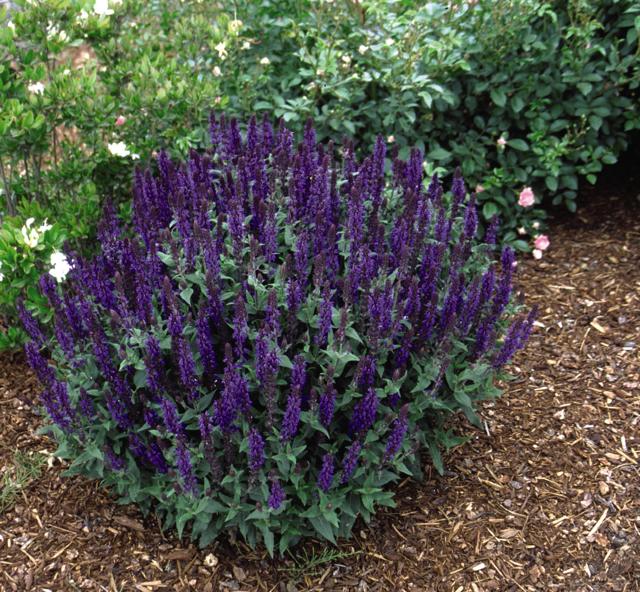
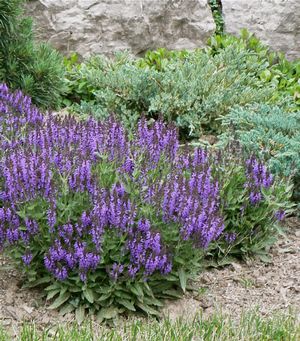
If you’re looking for a perennial that combines vibrant colour, drought tolerance, and pollinator appeal, Salvia nemorosa deserves a place in your garden. Commonly known as Woodland Sage or Meadow Sage, it produces upright spikes of purple, blue, pink, or white flowers that bloom for weeks and attract a wide variety of beneficial insects.
Its easy-care nature, extended flowering season, and adaptability have made it one of the most widely planted perennials in residential, commercial, and municipal landscapes.
Origins of Salvia nemorosa
Salvia nemorosa belongs to the mint family (Lamiaceae) and is native to parts of Europe and Western Asia, where it naturally grows in meadows, grasslands, and open woodland habitats.
The genus Salvia contains hundreds of species and includes familiar plants such as sage, rosemary, basil, oregano, and mint. Like many members of the mint family, Salvia nemorosa is valued for its aromatic foliage and long-lasting floral display.
The Many Cultivars of Salvia nemorosa
One of the reasons Salvia nemorosa has become such a landscape staple is the tremendous variety of cultivars available. Plant breeders have developed selections with different flower colours, heights, bloom periods, and growth habits, allowing gardeners and designers to find a Salvia suitable for almost any garden style.
Some of the most popular cultivars include:
- ‘May Night’ (Mainacht) – famous for its deep violet-blue flower spikes and exceptional reblooming ability.
- ‘Caradonna’ – prized for its rich purple flowers and dramatic dark stems.
- ‘Blue Hill’ – produces soft lavender-blue blooms that pair beautifully with yellow and white flowering plants.
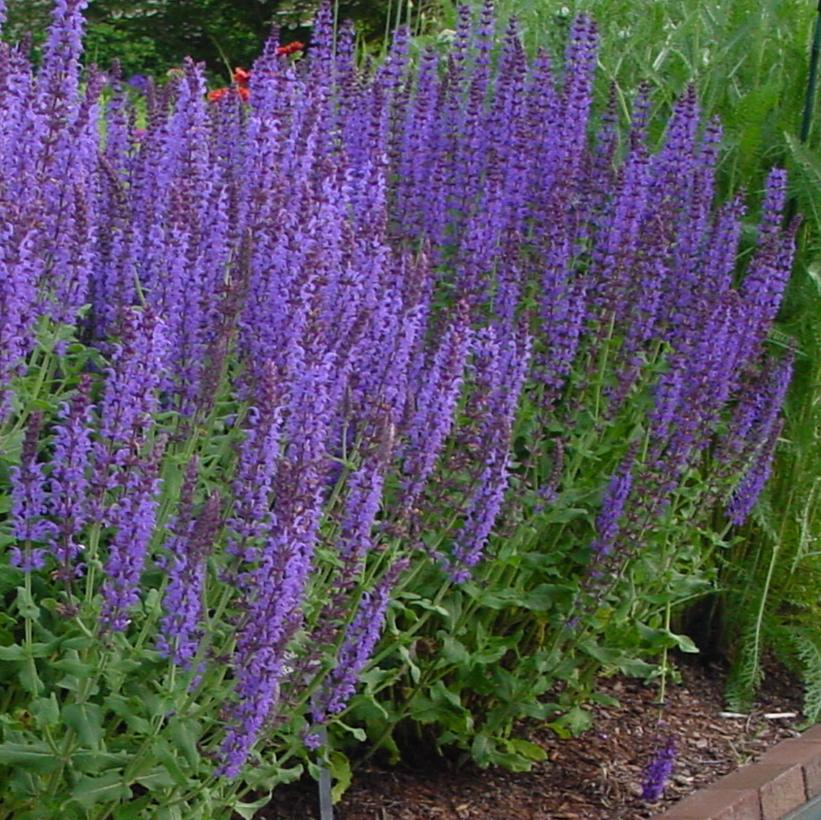
- ‘Snow Hill’ – a white-flowering cultivar that brightens borders and moon gardens.
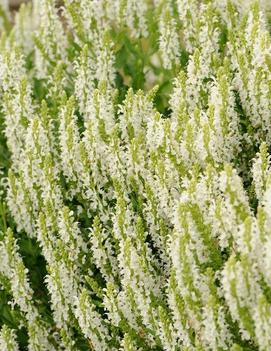
- ‘Marcus’ – a compact selection ideal for edging and smaller landscapes.
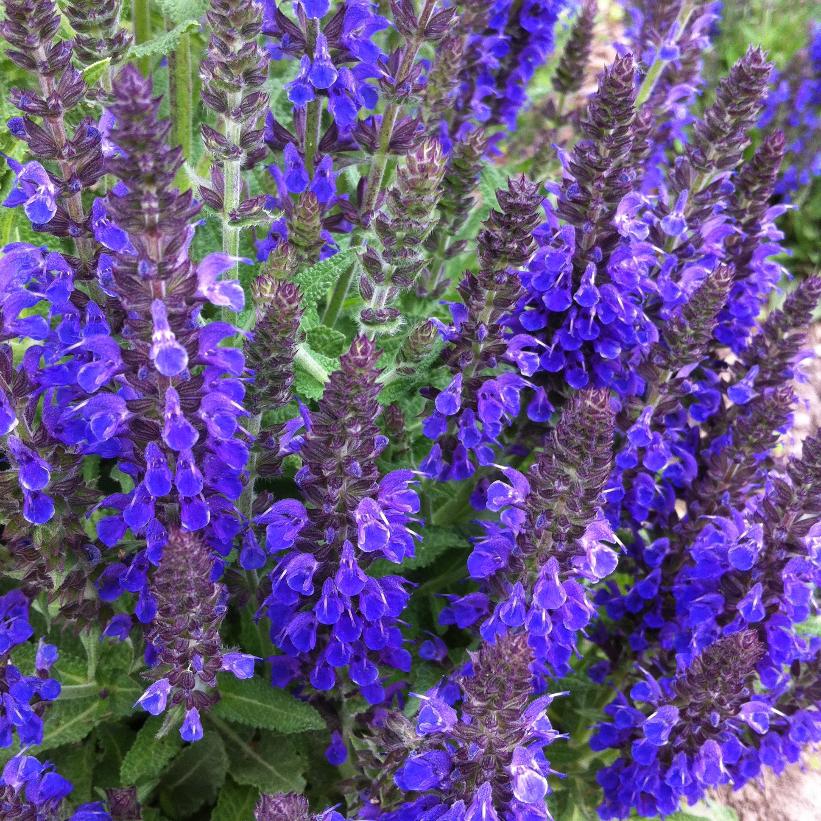
- ‘Sensation Rose’ and**’Pink Dawn’** – attractive pink-flowering selections that fit beautifully into cottage gardens.
By combining multiple cultivars, gardeners can create layers of blue, purple, pink, and white flowers that provide season-long colour while maintaining the same drought tolerance and pollinator value that Salvia is known for.
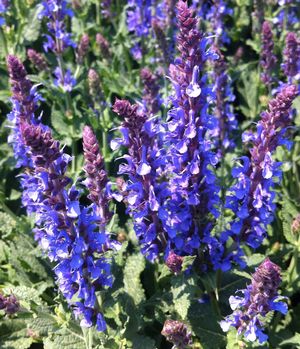
Why Salvia nemorosa Makes an Excellent Landscape Plant
Long Bloom Period
One of the plant’s greatest strengths is its extended flowering season.
Many varieties bloom from late spring through summer and often rebloom after deadheading. This provides weeks, and sometimes months, of colour in the landscape.
Outstanding Pollinator Value
Salvia flowers are rich in nectar and attract:
- Bees
- Butterflies
- Hummingbirds
- Other beneficial insects
This makes Woodland Sage a cornerstone plant in pollinator-friendly gardens.
Drought Tolerance
Once established, Salvia nemorosa tolerates heat and dry conditions remarkably well, making it a valuable addition to water-wise landscapes.
Deer and Rabbit Resistance
The aromatic foliage helps deter deer and rabbits, an important advantage in many suburban and rural landscapes.
Landscape Uses
Perennial Borders
The upright flower spikes add vertical interest and contrast beautifully with mounded or spreading perennials. Salvia pairs particularly well with Rudbeckia, Echinacea, Nepeta, Coreopsis, and ornamental grasses.
Pollinator Gardens
Woodland Sage is one of the most dependable plants for supporting bees, butterflies, and hummingbirds throughout the growing season.
Cottage Gardens
Its natural appearance blends perfectly into traditional cottage-style plantings and mixed borders.
Rock and Xeriscape Gardens
Because of its drought tolerance and preference for well-drained soils, Salvia excels in dry landscapes and rock gardens.
Commercial Landscapes
The plant’s durability, long bloom period, and low maintenance requirements make it a favourite in commercial and municipal plantings.
Plant Characteristics
- Botanical Name: Salvia nemorosa
- Common Names: Woodland Sage, Meadow Sage, Balkan Clary
- Plant Type: Herbaceous perennial
- Height: 30–75 cm (12–30 inches)
- Spread: 30–60 cm (12–24 inches)
- Flower Colours: Blue, purple, violet, pink, and white
- Hardiness: USDA Zones 4–8
- Family: Lamiaceae (Mint Family)
How to Care for Salvia nemorosa
Sunlight
For maximum flowering, plant Woodland Sage in:
Full Sun
Although it tolerates partial shade, flower production is strongest when plants receive at least six hours of direct sunlight daily.
Soil Requirements
Salvia grows best in:
- Well-drained soil
- Sandy soil
- Gravelly soil
- Average garden soil
Poor drainage is often a greater problem than poor fertility.
Watering
Water regularly during establishment.
Once mature, plants become drought tolerant and generally require little supplemental irrigation except during prolonged dry periods.
Fertilizing
Woodland Sage is not a heavy feeder.
A light application of compost or balanced fertilizer in spring is usually sufficient. Excess fertilizer often results in excessive foliage growth and fewer flowers.
Pruning and Maintenance
Salvia’s low-maintenance nature is one of its greatest assets.
To maximize flowering:
- Remove spent flower spikes after blooming.
- Shear plants lightly after the first flush of flowers.
- Cut back old foliage in early spring.
Many cultivars respond to deadheading with a second flush of blooms.
Common Pests and Diseases
Salvia nemorosa is generally considered a reliable and relatively pest-free perennial.
Occasional problems include:
Aphids
These sap-feeding insects sometimes appear on tender new growth.
Leafhoppers
Leafhoppers may feed on foliage and can occasionally transmit plant diseases.
Slugs and Snails
Young plants may be susceptible during wet weather.
Powdery Mildew
Can occur during humid weather if plants lack adequate air circulation.
Root Rot
Poorly drained soil may cause root and crown rot. Good drainage remains the key to long-term success.
Why We Love Salvia nemorosa
✅ Long flowering season
✅ Wide selection of cultivars
✅ Pollinator attraction
✅ Drought tolerance
✅ Deer resistance
✅ Easy maintenance
✅ Excellent cut flowers
✅ Compact, tidy growth habit
✅ Reliable performance year after year
Conclusion
Salvia nemorosa is one of the finest perennials available for sunny landscapes. Its colourful flower spikes, pollinator value, drought tolerance, and exceptional range of cultivars make it a favourite among homeowners and landscape professionals alike. Whether planted in a perennial border, pollinator garden, or cottage garden, Woodland Sage delivers dependable beauty and ecological benefits from spring through fall.