Echinacea purpurea: A Tough, Beautiful Native Perennial
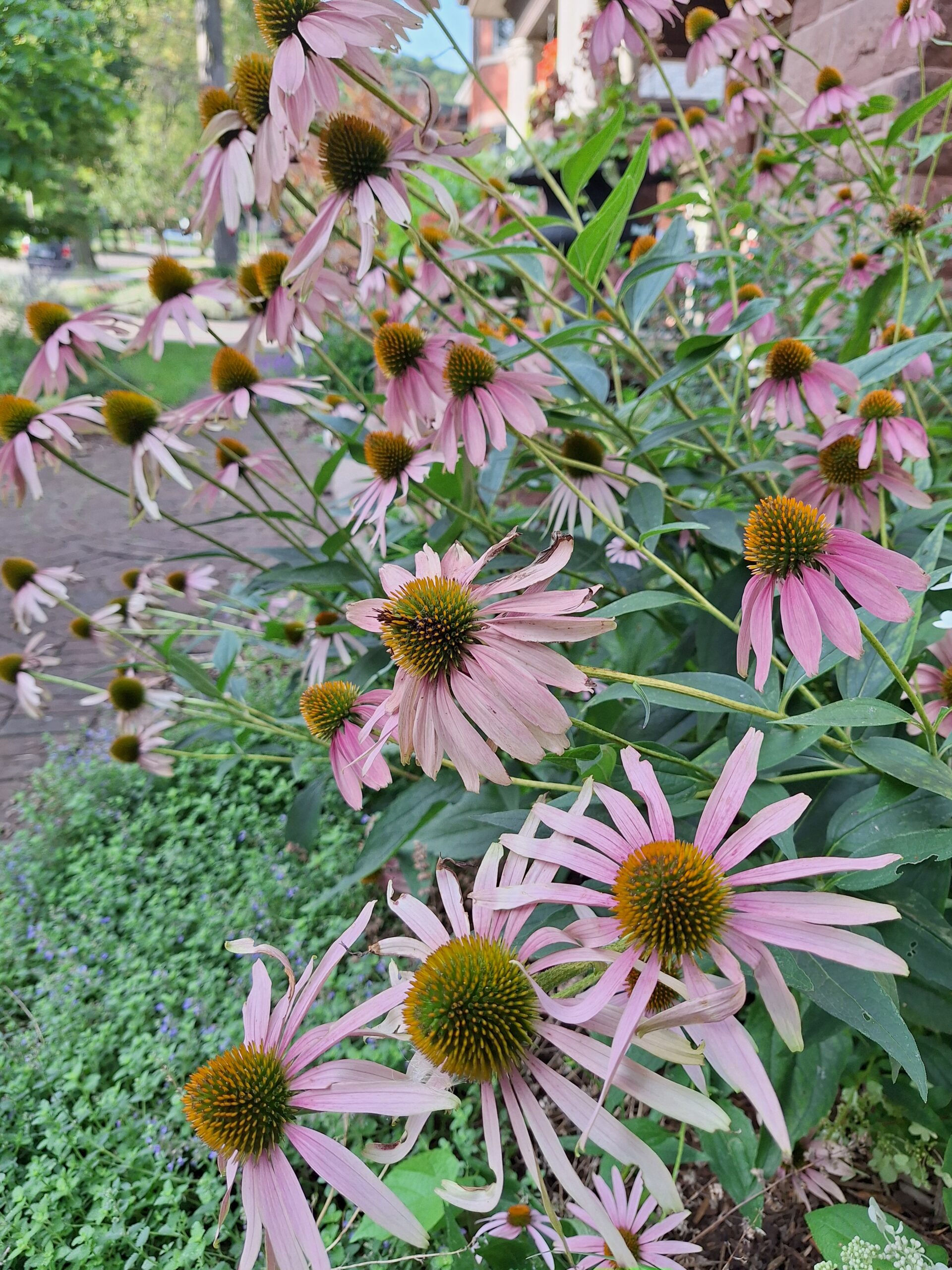
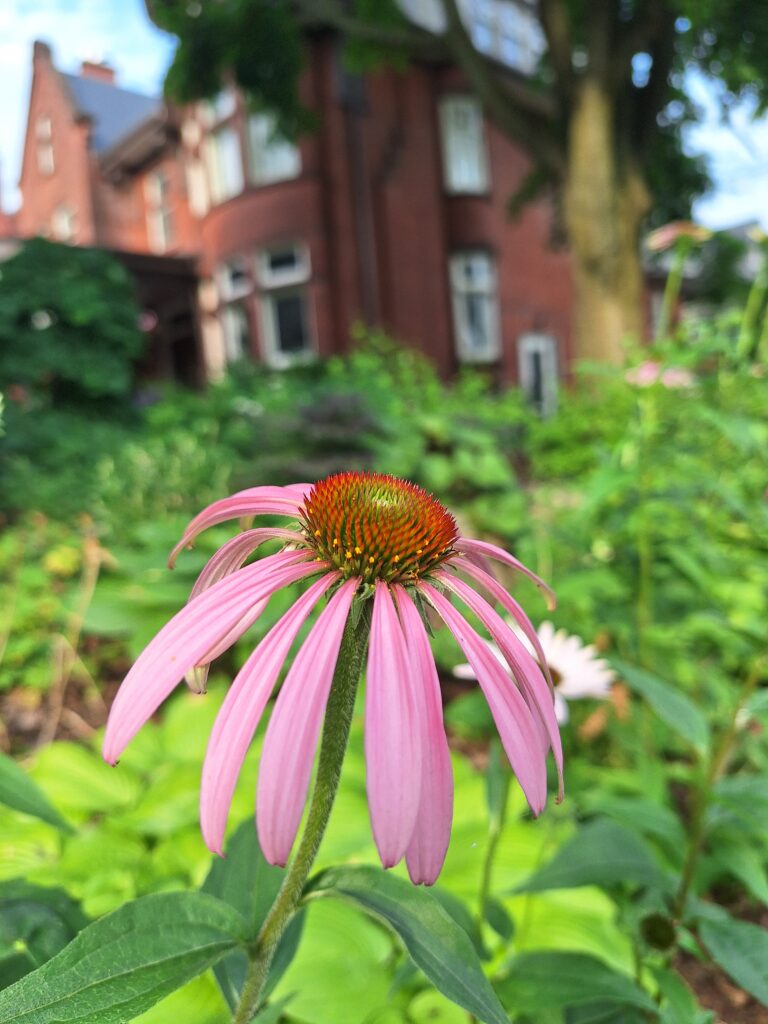
Few perennials offer the combination of beauty, hardiness, and ecological value found in Echinacea purpurea, commonly known as Purple Coneflower. With its distinctive purple-pink petals surrounding a spiny orange-brown cone, this native North American wildflower has become a staple in gardens, and pollinator plantings.
Not only does it provide months of colour, but it also attracts an incredible variety of beneficial insects and birds while requiring relatively little maintenance.
Origins of Echinacea purpurea
Echinacea purpurea is native to the prairies, meadows, and open woodlands of eastern and central North America. It naturally occurs in sunny locations with well-drained soils.
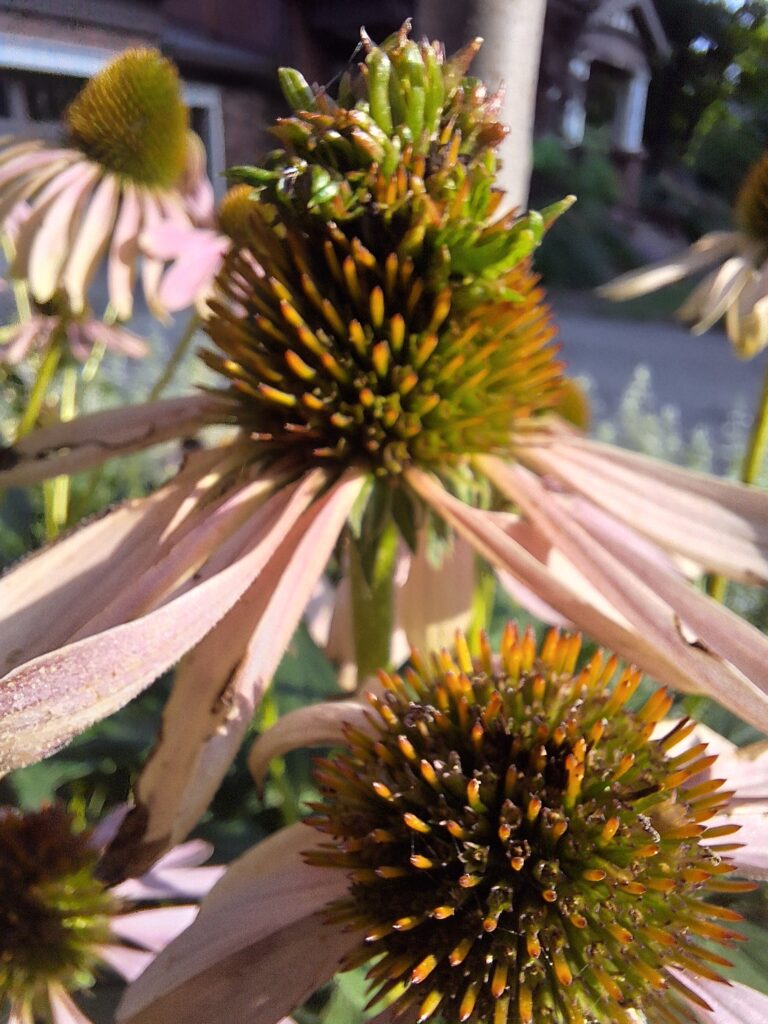
The name Echinacea comes from the Greek word**”echinos,”** meaning hedgehog or sea urchin, referring to the spiny central cone of the flower. Indigenous peoples of North America valued the plant for centuries and used various parts of it for traditional medicinal purposes.
Why Purple Coneflower Makes an Excellent Landscape Plant
Long Bloom Season
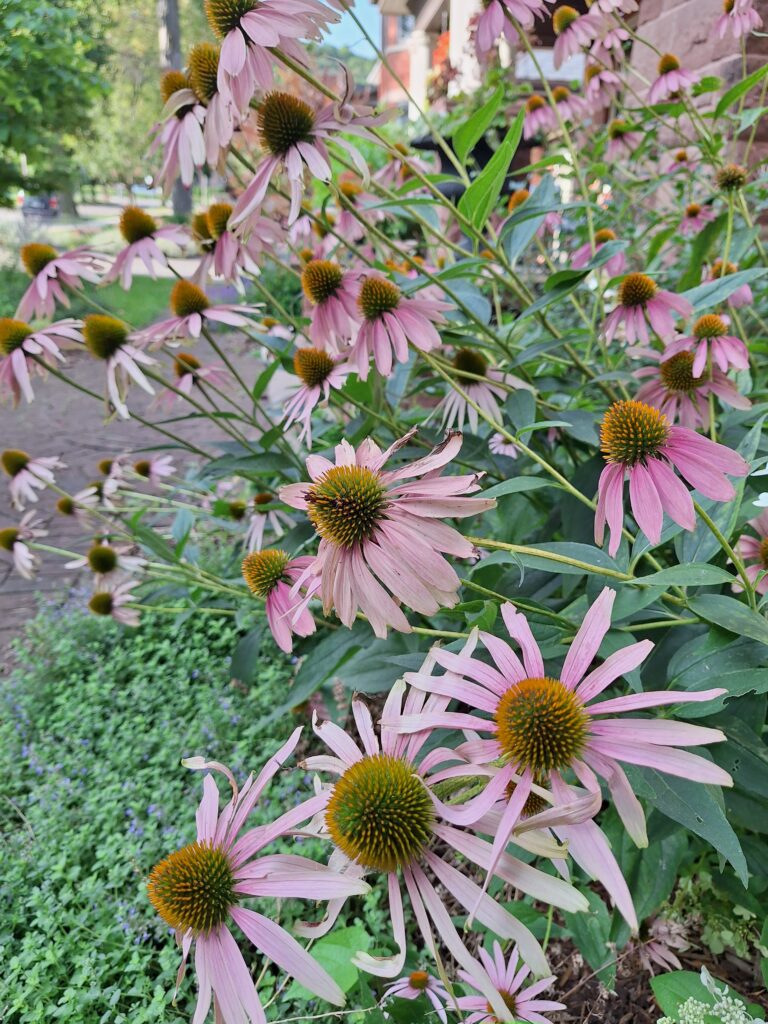
Purple Coneflower blooms from early summer well into fall, often producing flowers from June through September. Deadheading can encourage additional flowering throughout the season.
Pollinator Magnet
One of Echinacea’s greatest strengths is its ability to attract beneficial wildlife.
Its flowers attract:
- Bees
- Butterflies
- Hummingbirds
- Beneficial insects
Later in the season, seed heads provide food for goldfinches and other seed-eating birds.
Drought Tolerance
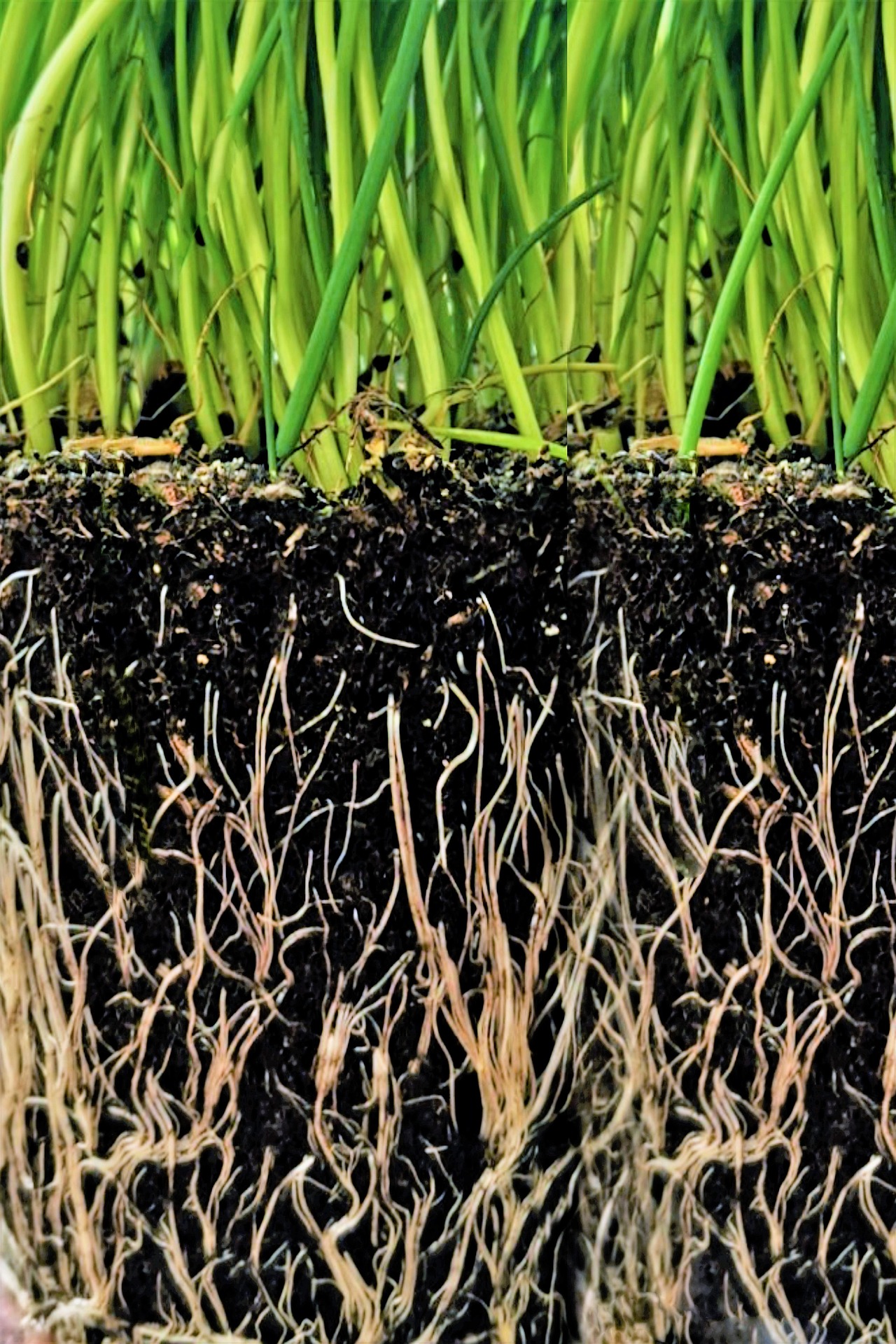
Once established, Echinacea develops a deep, robust root system that allows it to tolerate periods of drought and summer heat exceptionally well.
Native Plant Value
As a North American native species, Purple Coneflower supports local ecosystems and fits naturally into pollinator gardens, meadow plantings, and sustainable landscapes.
Landscape Uses
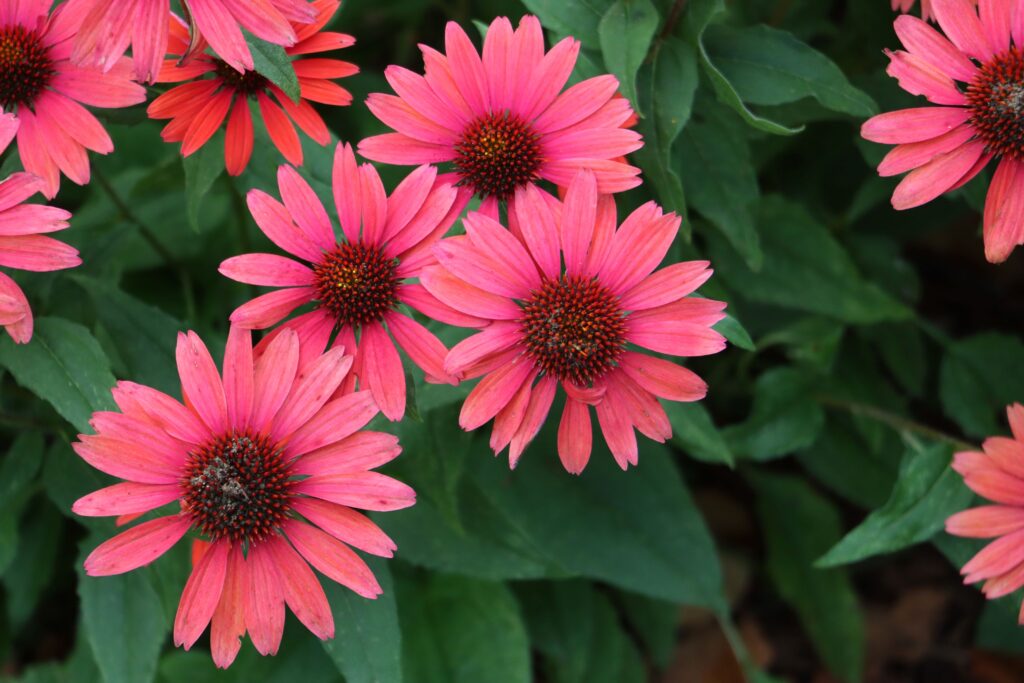
Echinacea is highly versatile and works well in many landscape settings.
Popular uses include:
- Pollinator gardens
- Perennial borders
- Native plant gardens
- Prairie-style landscapes
- Cottage gardens
- Rain gardens
- Naturalized areas
Its upright growth habit and coarse texture make it particularly effective in the middle or back of perennial beds.
Plant Characteristics
- Botanical Name: Echinacea purpurea
- Common Name: Purple Coneflower
- Plant Type: Herbaceous perennial
- Height: 60–150 cm (2–5 feet)
- Spread: 45–90 cm (18–36 inches)
- Flower Colour: Purple-pink with orange-brown central cone
- Hardiness: USDA Zones 3–9
How to Care for Echinacea purpurea
Sunlight
Purple Coneflower performs best in:
Full Sun
A minimum of six hours of direct sunlight daily produces stronger stems, more flowers, and healthier plants. It will tolerate light shade but flowers less heavily.
Soil Requirements
It is surprisingly adaptable and performs well in lower-fertility soils where many perennials struggle.
Watering
Regular watering is important during establishment.
Once mature, Purple Coneflower becomes quite drought tolerant and generally needs supplemental watering only during prolonged dry periods.
Fertilizing
Echinacea is not a heavy feeder.
In most landscapes, a light spring application of balanced fertilizer or compost is sufficient. Excess fertilizer may encourage weak, floppy growth.
Winter Care
Deadheading spent flowers can encourage continued blooming during summer. However, many gardeners leave seed heads standing through fall and winter because they provide food for birds and add winter interest to the garden.
Cut back old stems in late winter or early spring before new growth emerges.
Common Pests and Diseases
Purple Coneflower is generally a reliable and low-maintenance perennial, but occasional problems can occur.
Aphids
Aphids may gather on tender new growth and flower stems, particularly during periods of rapid growth.
Japanese Beetles
In some areas, Japanese beetles may feed on flowers and foliage during summer.
Spider Mites
Hot, dry conditions can occasionally lead to spider mite infestations.
Powdery Mildew
Crowded plantings with poor air circulation may develop powdery mildew, especially in humid conditions.
Proper plant spacing and good airflow usually prevent serious issues.
Why Homeowners Love Purple Coneflower
Echinacea continues to be one of the most popular perennials because it offers:
✅ Long-lasting blooms
✅ Pollinator benefits
✅ Native plant value
✅ Drought tolerance
✅ Winter interest
✅ Easy maintenance
✅ Excellent cut flowers
✅ Reliable return year after year
Its ability to combine beauty with ecological benefits makes it one of the best investments for any perennial garden.
Conclusion
Echinacea purpurea is far more than just a pretty flower. As a native perennial, it supports pollinators, provides food for birds, tolerates drought, and offers months of vibrant colour. Whether planted in a pollinator garden, commercial landscape, or mixed perennial border, Purple Coneflower delivers dependable performance and exceptional landscape value year after year.