Every spring, gardeners marvel at the first flowers of the year—snowdrops pushing through melting snow, crocus lighting up the lawn, and tiny irises blooming before the trees even leaf out. These are spring‑flowering minor bulbs, often called ephemeral bulbs, and they are one of the most powerful tools for extending your spring garden display.
The catch?
When you’re enjoying them now, the planning actually needed to happen last fall.
Understanding how these bulbs work—and how to layer them—can dramatically lengthen your spring blooming season, from late winter right through early summer.
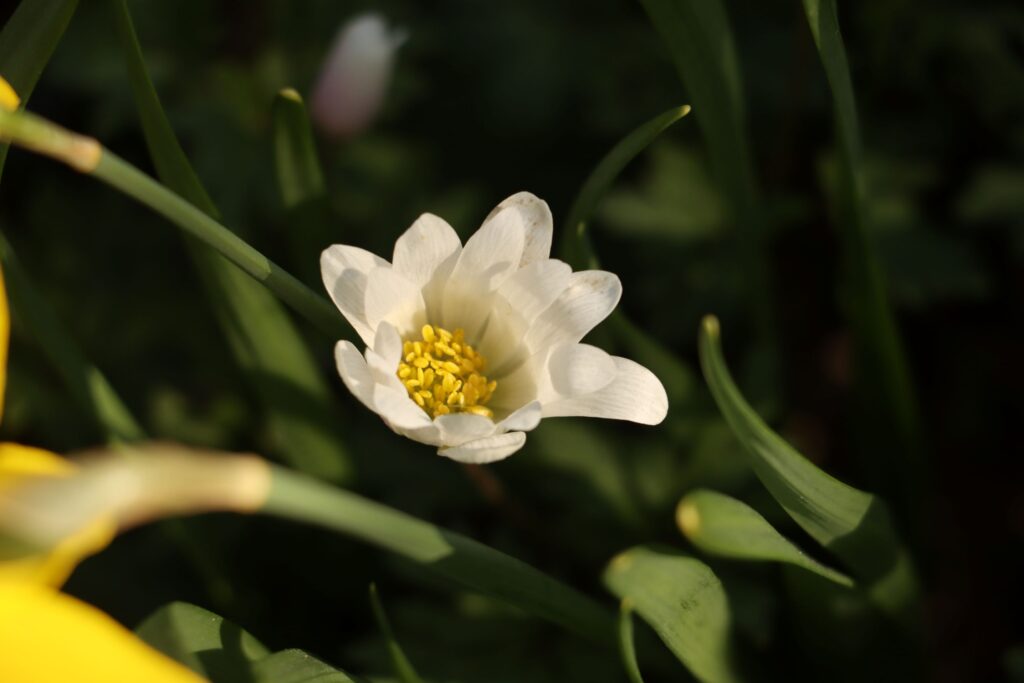
NarcissusWhat Are Minor Ephemeral Bulbs?
Minor bulbs are small, early‑blooming spring bulbs that complete most of their life cycle before the forest canopy closes or summer heat arrives. They flower fast, store energy, and then disappear quietly until next year.
Because they emerge so early, they bridge the seasonal gap between winter and the main spring bulb display of tulips and daffodils.
Key characteristics:
- Bloom very early (late winter to early spring)
- Short flowering window individually
- Naturalize easily over time
- Perfect for lawns, woodland edges, and under deciduous trees
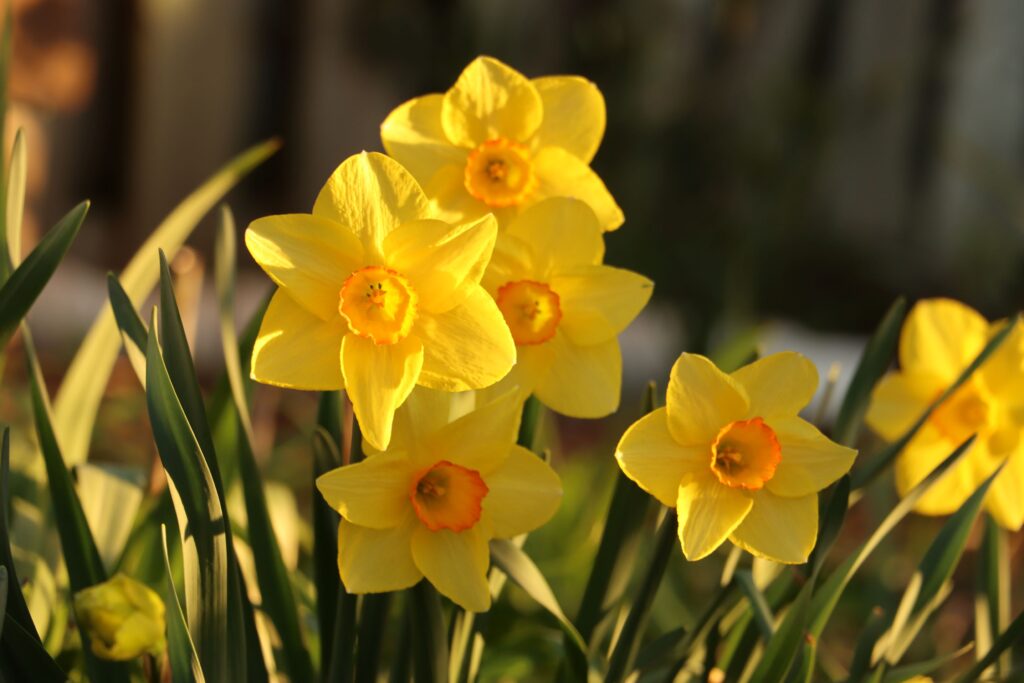
How to Extend the Spring Blooming Season
The secret to a longer spring display isn’t one bulb—it’s layering bloom times.
By planting a combination of early, mid, and late spring bulbs in fall, you can enjoy continuous flowers for 8–12 weeks, rather than a single burst.
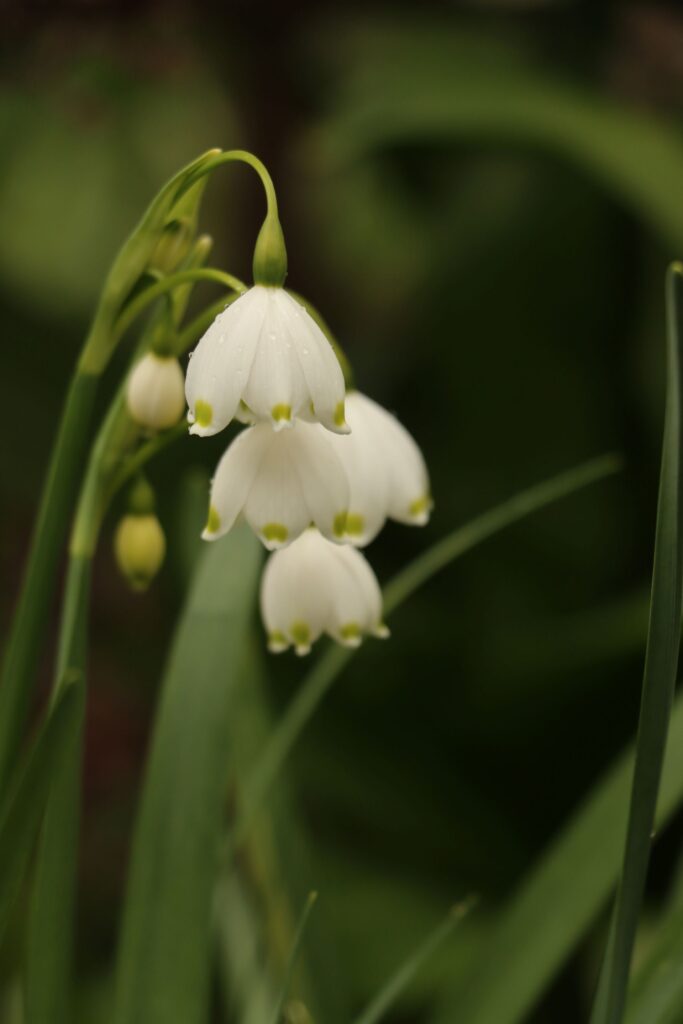
- Start With the Earliest Bloomers (Late Winter to Early Spring)
These bulbs often flower when snow is still on the ground:
- Snowdrops (Galanthus spp.) – among the earliest, delicate white nodding flowers
- Winter aconite (Eranthis hyemalis) – bright yellow blooms that thrive in woodland soil
- Early crocus (Crocus tommasinianus) – excellent for lawns and turf areas
These bulbs set the stage and signal that spring is on its way.
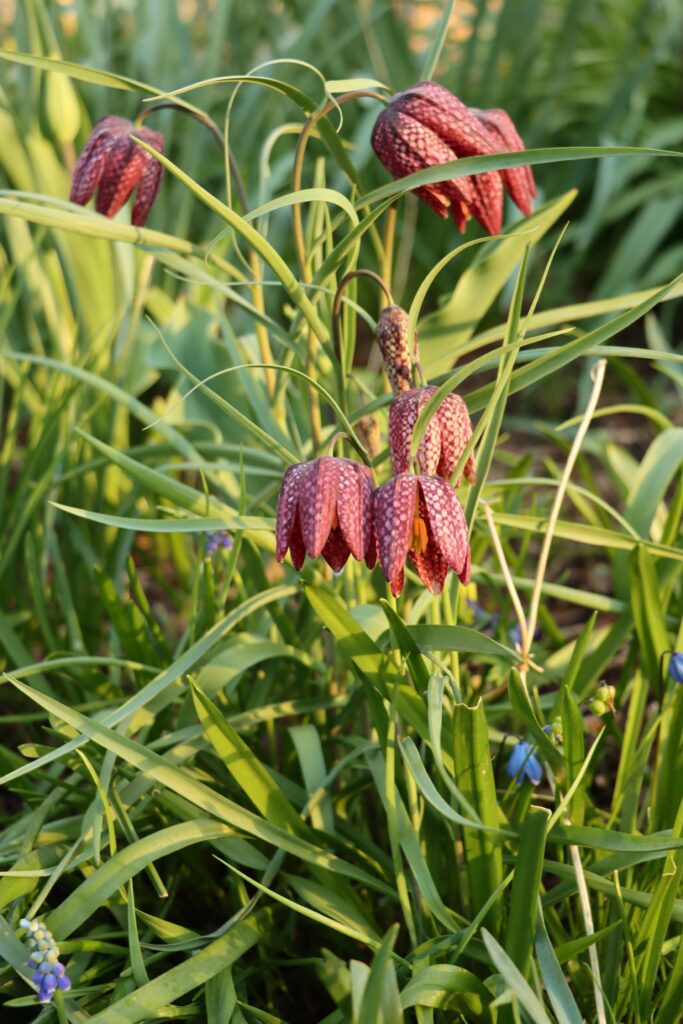
- Follow With Mid‑Spring Minor Bulbs
As temperatures warm, these extend the show:
- Glory of the Snow (Chionodoxa) – blue, pink, or white starry flowers
- Siberian squill (Scilla siberica) – intense blue carpets that naturalize readily
- Grecian windflower (Anemone blanda) – daisy‑like blooms in blue, pink, and white
These are perfect companions beneath flowering shrubs or mixed into perennial beds.
- Finish With Late Spring Interest
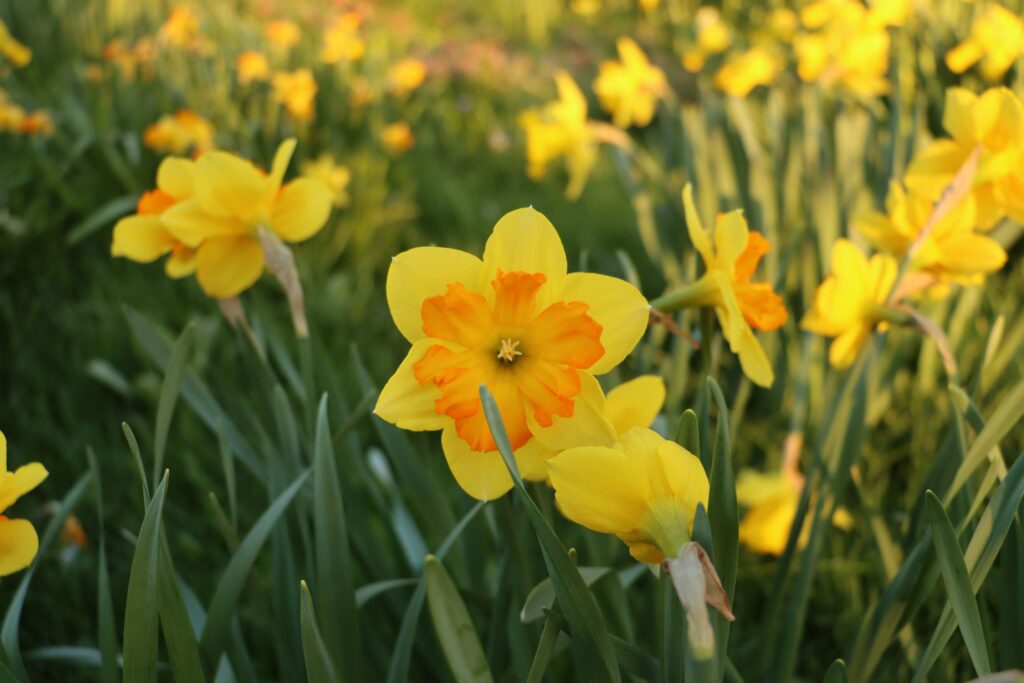
Late minor bulbs overlap beautifully with tulips and early perennials:
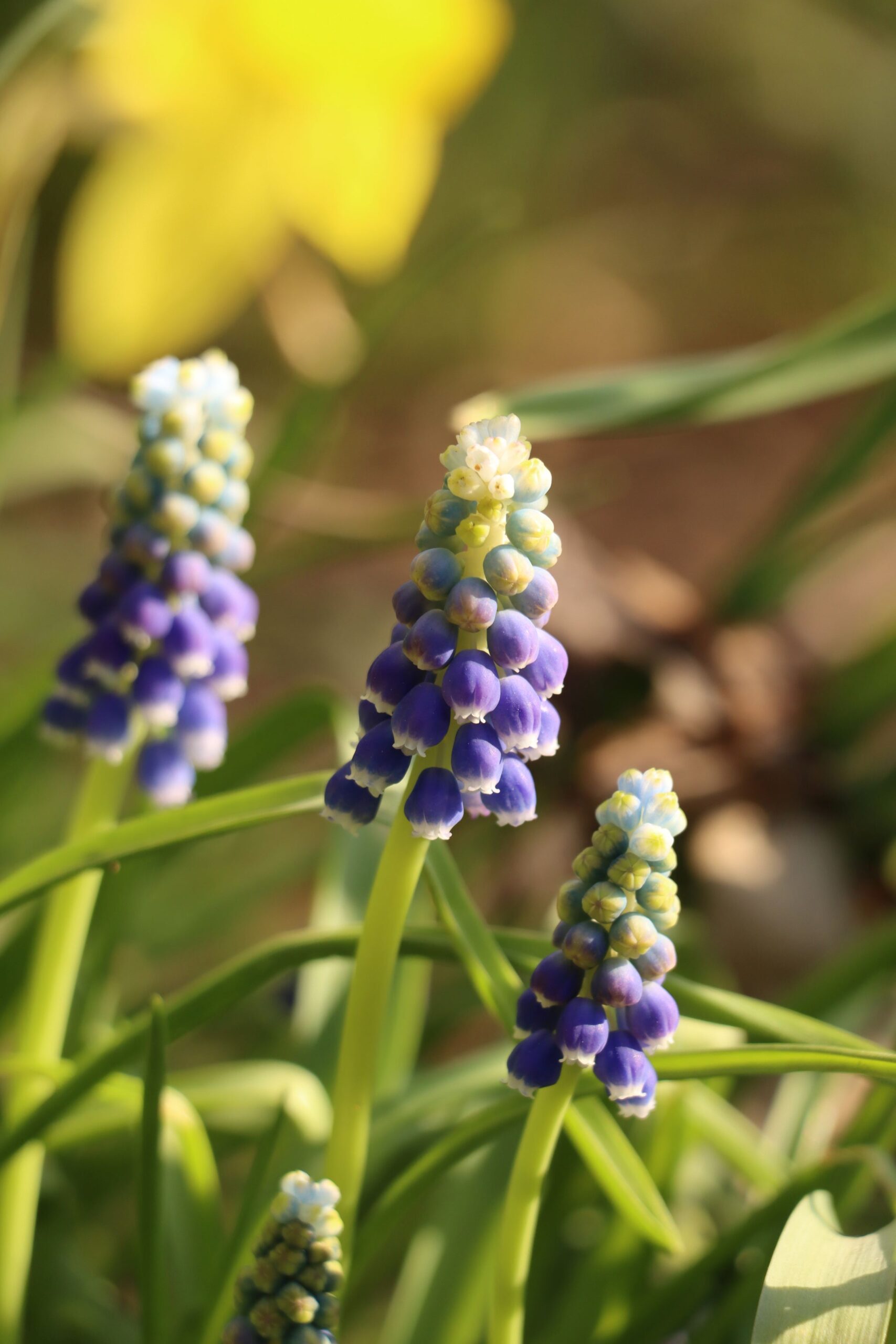
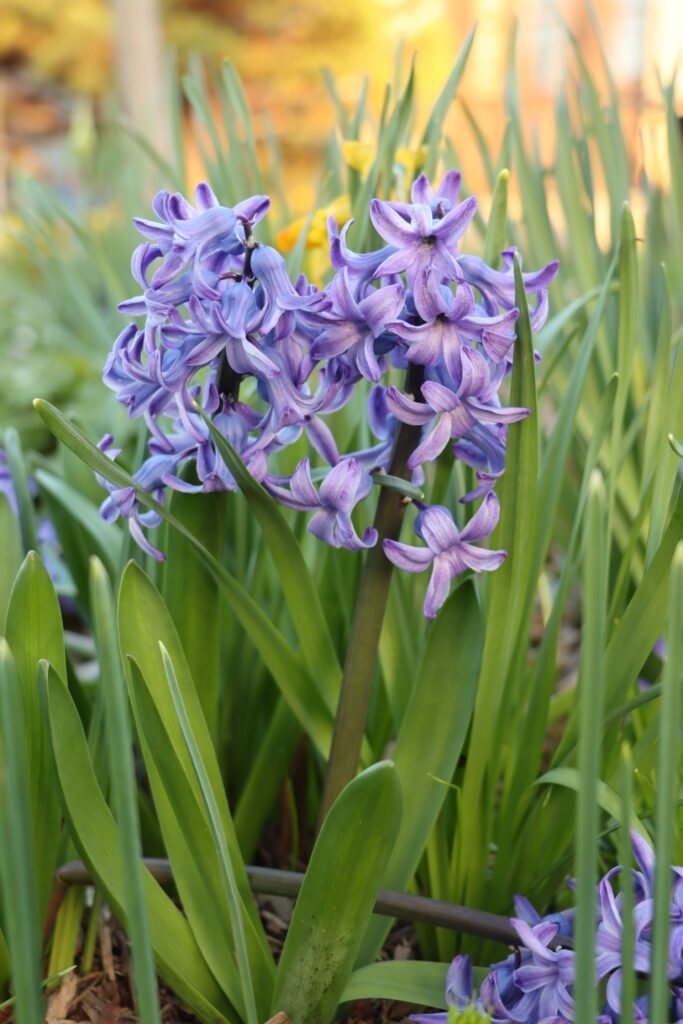
- Grape hyacinth (Muscari) – deep blue, fragrant spikes
- Species tulips (Tulipa tarda, T. turkestanica) – smaller, longer‑lived than hybrid tulips
- Camassia – ideal for naturalized meadows and damp soils
This final wave ensures your garden doesn’t go quiet just as spring peaks.
Why Fall Planting Is Non‑Negotiable
Spring‑flowering bulbs must be planted in fall. They need a period of cold dormancy to trigger flowering.
By the time bulbs are blooming in April and May:
- The planting window has already passed
- Garden centres are selling ideas, not solutions
- Planning for next year is your only option
That’s why the smartest gardeners use spring as a note‑taking season, not a planting season.
Where Minor Bulbs Work Best
One of the biggest advantages of ephemeral bulbs is their versatility:
- Under deciduous trees – they bloom before leaves emerge
- In lawns – species crocus and snowdrops can be mowed after foliage dies back
- Along pathways and borders – for early color where you walk daily
- In naturalized drifts – low maintenance, high impact
Once established, most will return and multiply for decades.
Think Ahead: July Is the Planning Sweet Spot
If you love what you’re seeing right now, July is the time to act.
Why July?
- Spring displays are still fresh in your memory
- Bulb availability is best later in summer
- Designs can be adjusted before fall planting begins
- No rushing decisions at planting time
✅ Walk your garden
✅ Notice gaps in early spring color
✅ Plan combinations for longer bloom
✅ Order bulbs early for best selection
Let’s Plan Next Spring — This Summer
Spring may be fleeting—but with thoughtful fall planning, it doesn’t have to feel short.
If you’d like help designing a long‑lasting spring bulb sequence using minor ephemeral bulbs, reach out in July. Together, we can plan a garden that wakes up earlier, blooms longer, and sets the tone for the entire growing season.
Because the best spring gardens are created months before the first flower opens.