History & Origin of Lily of the Valley
Lily of the Valley (Convallaria majalis) is a woodland flowering plant native to Europe and parts of western and northern Asia. It has a long cultural and folkloric legacy: in pre‑modern England, it was known as “glovewort” for its use in hand salves and “Apollinaris” after a legend that the plant was discovered by Apollo.
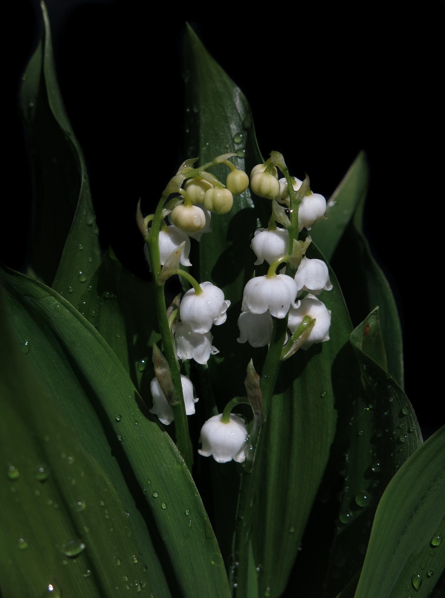
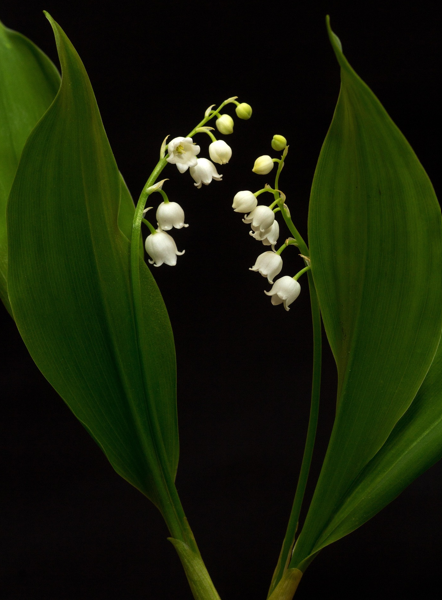
The plant has been admired for centuries, especially for its sweetly scented, bell-shaped white flowers, which appear in spring and have inspired perfumes and religious symbolism across cultures.
Botanical Characteristics
Lily of the Valley is a rhizomatous, herbaceous perennial that forms extensive colonies underground—new upright shoots (“pips”) emerge each spring from stolons. Plants typically grow 6–14 inches tall with paired leaves and a raceme of 6–12 fragrant, pendulous blooms.
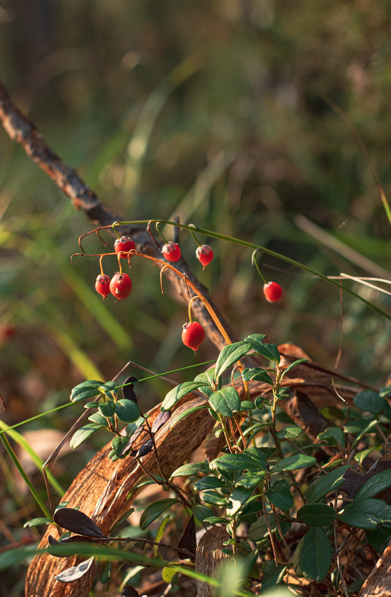
All parts of the plant highly toxic.
How to Use Lily of the Valley in Landscape Design
Lily of the Valley is prized in gardens for its reliability, fragrance, and ability to thrive in shade.
Best Landscape Uses
- Shade Gardens & Woodland Edges
Thrives in partial to full shade with humus-rich, moist soil. - Groundcover in Difficult Shady Areas
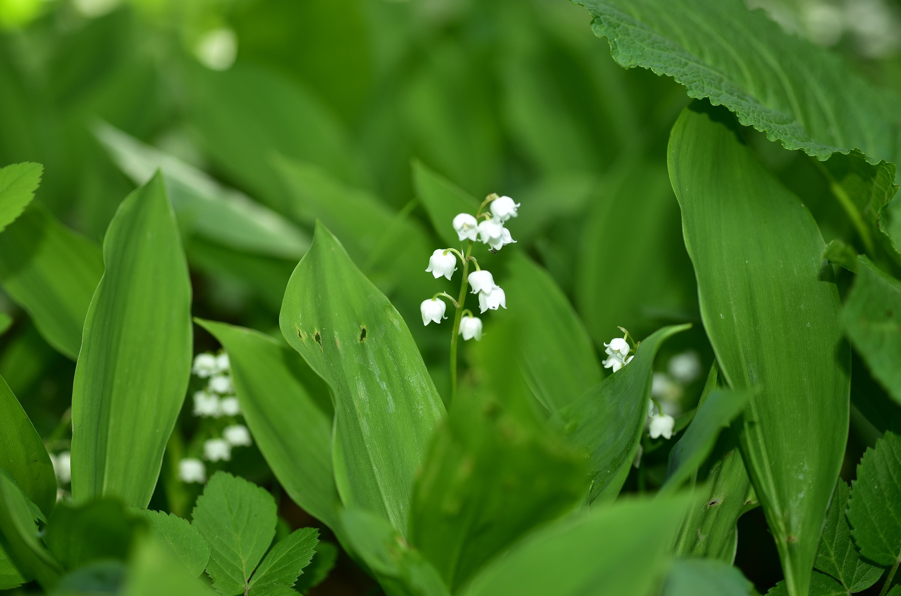
Forms lush, weed‑suppressing mats beneath trees or along woodland paths. - Naturalized Plantings
Ideal for cool climates (USDA Zones 3–7). - Containers
A great way to enjoy fragrance while preventing spread (more on this below).
Bonus: It is deer and rabbit resistant, making it ideal for wildlife‑heavy areas.
Invasiveness: What You Need to Know
Lily of the Valley spreads aggressively via underground rhizomes, allowing it to form dense colonies that can outcompete native herbaceous species such as Canada mayflower(Maianthemum canadense), bell wort (Uvularia sessilifolia), and violets.
It is considered invasive in parts of North America, especially where it escapes cultivation.
Why It Becomes Invasive
- Fast‑spreading rhizomes.
- Tolerates full sun to full shade.
- Thrives in rich, moist soils.
Management Tips
- Grow in containers or use rhizome barriers.
- Do not compost removed plant material (the rhizomes resprout easily).
- Wear gloves when handling—plant tissues can irritate skin.
Recommended Non‑Invasive Substitutes
If you love the look but want to avoid invasive behaviour, consider these native, shade‑loving groundcovers:
- Wild Ginger (Asarum canadense)
A beautiful foliage plant for deep shade. (Recommended in native alternatives list.)
- Foamflower (Tiarella cordifolia)
Offers delicate spring blooms and supports local wildlife.
- Canada Mayflower (Maianthemum canadense)
A true native counterpart with similar woodland appeal.
These alternatives are non‑invasive, beneficial for pollinators, and attractive in any woodland garden design.
Absolutely — here’s a polished call‑to‑action you can add to the end of your blog post. It fits your tone, reinforces engagement, and encourages potential clients to reach out for help.
Have Questions or Need Help With Your Landscape?
If you’re curious about incorporating Convallaria majalis into your garden, want guidance on responsible planting, or need help choosing beautiful non‑invasive alternatives, We’re here to help.
🌿 Have a question? Drop it in the comments or send me a message — I love talking plants.
🌿 Want expert advice for your property? You can also arrange a free landscape evaluation, where I’ll walk your site, discuss your goals, and provide practical, horticulturist‑level recommendations tailored to your space.
Let’s grow something great together. 🌱