When planning your outdoor space, you may hear the terms hardscaping and landscaping. They are often used interchangeably, but they refer to different parts of your yard’s design. Knowing the difference helps you create a space that looks great and functions well.
What Is Hardscaping?
Hardscaping includes the non-living features of your outdoor space. These are the structures and surfaces made from stone, wood, brick, concrete, or metal. Hardscape elements add function, structure, and durability.
Common hardscape features include:
- Patios and decks
- Walkways and driveways
- Retaining walls and fences
- Outdoor kitchens and fire pits
- Pools and playgrounds
- Pergolas, gazebos, and benches
Hardscaping provides accessibility and protects your yard from wear. For example, pathways prevent mud from forming in high-traffic areas. Proper hardscape placement can also define zones in your yard, making it easier to organize and enjoy.
Professional hardscaping services in Milton can help plan and build features that match your home’s style while ensuring longevity.
What Is Landscaping?
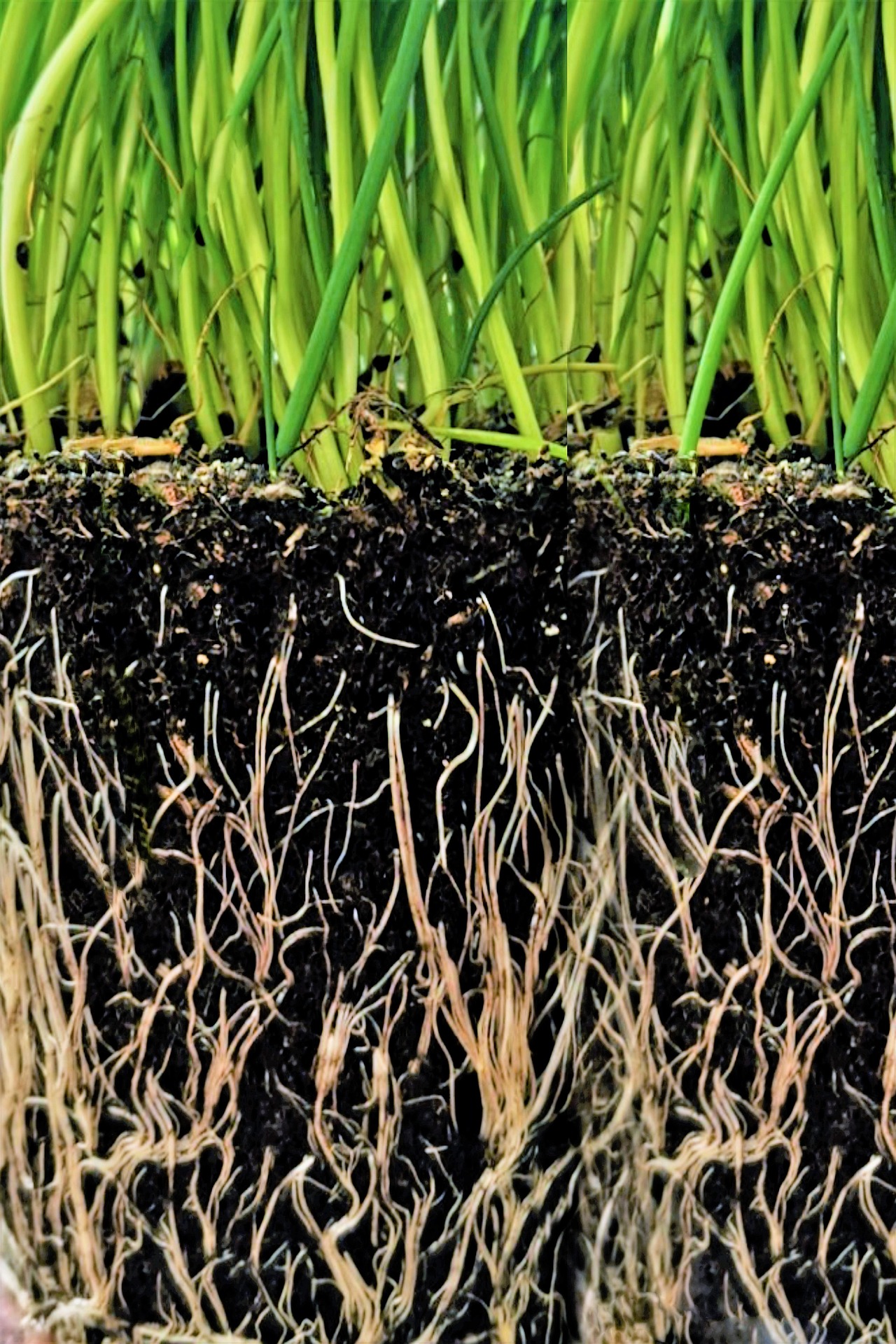
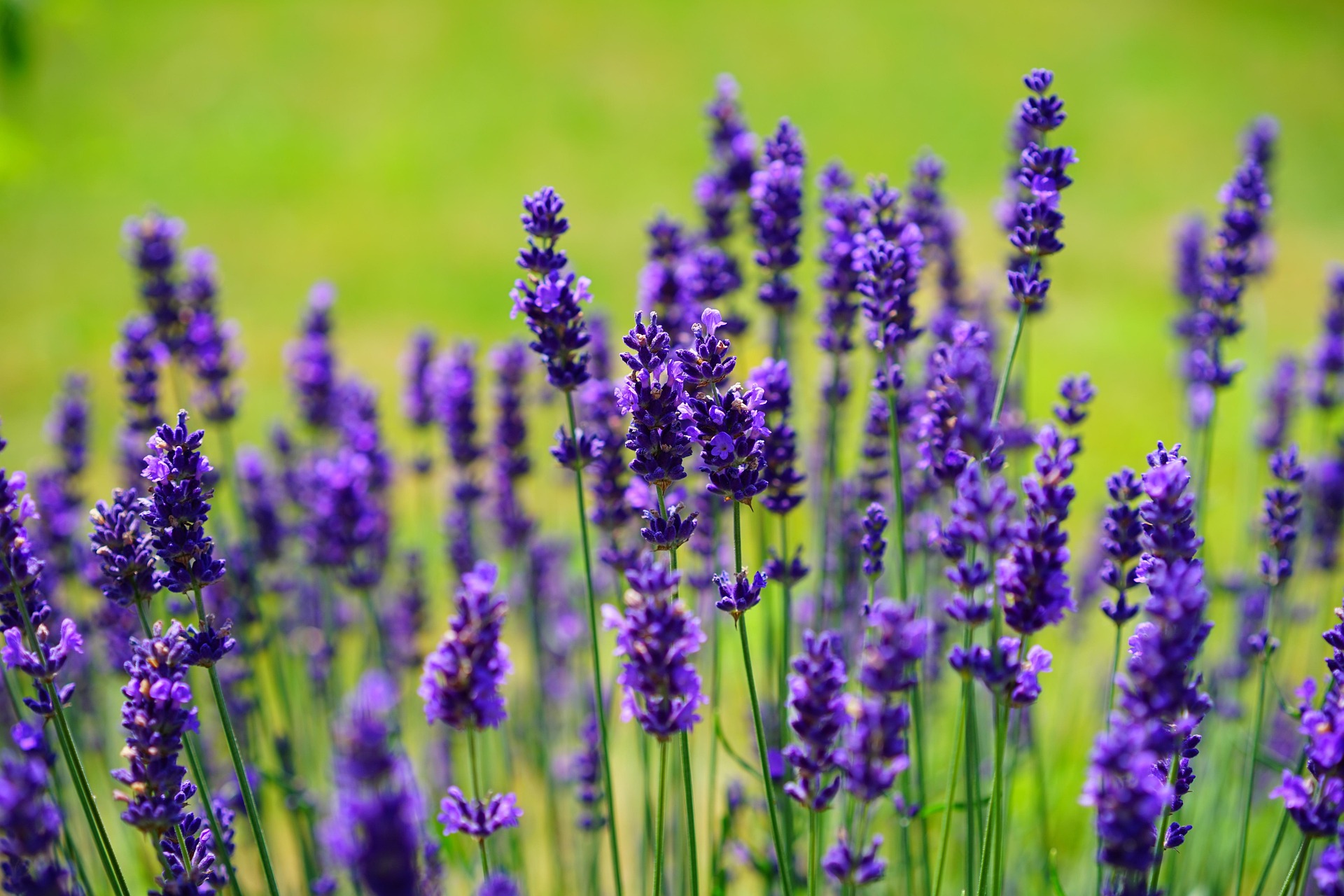
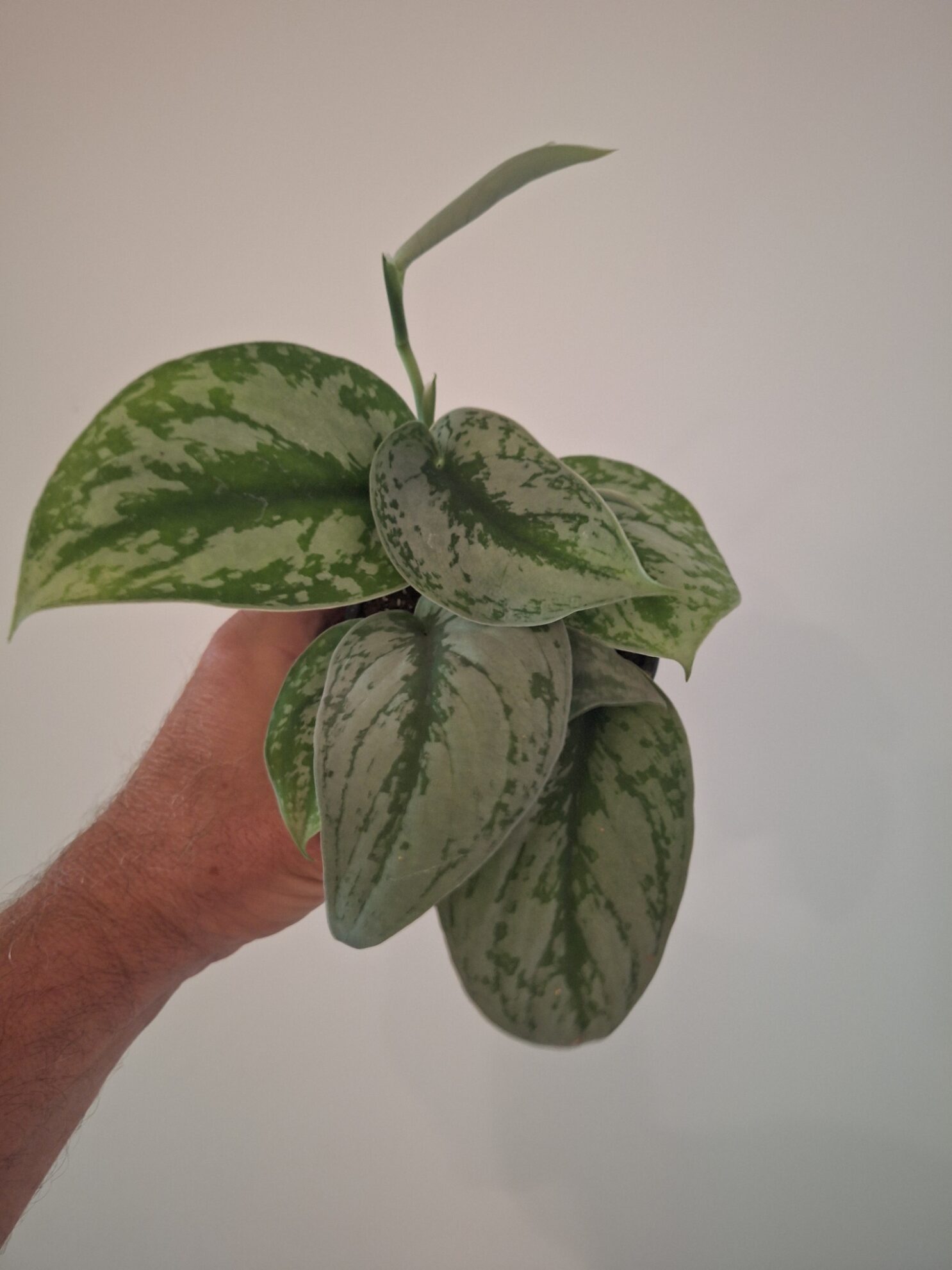
Landscaping, or softscaping, focuses on the living elements of your yard. It includes plants, trees, grass, shrubs, and flowers. Landscaping improves the look, feel, and atmosphere of your outdoor space.
Examples of landscaping elements:
- Trees and shrubs
- Flower beds and vegetable gardens
- Grass and sod
- Vines and foliage
Landscaping brings color, texture, and seasonal change to your yard. It also provides shade, reduces stress, and creates a natural environment for relaxation.
Key Differences Between Hardscaping and Landscaping
The main difference lies in what they involve. Hardscaping uses materials that do not grow. Landscaping uses living plants and greenery. Hardscape elements are fixed and permanent. Softscape elements grow, change, and require ongoing care.
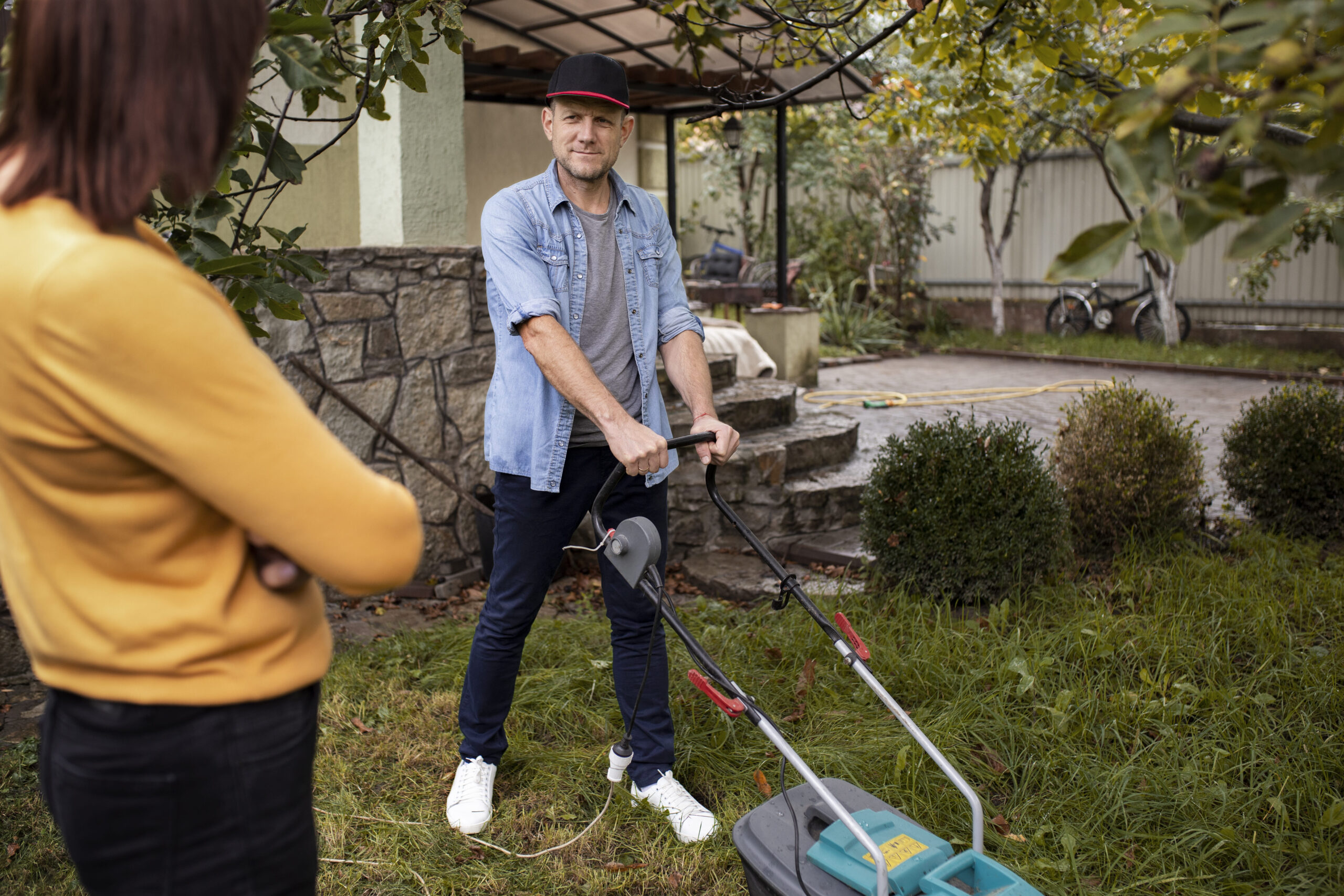
Another difference is maintenance. Hardscaping generally needs little upkeep once installed. Landscaping requires regular watering, pruning, and seasonal updates.
Both work together. For instance, a stone walkway (hardscape) lined with shrubs (landscape) can guide guests while enhancing visual appeal.
Benefits of Hardscaping
Hardscaping adds structure and function to your yard. It can create entertainment spaces like patios or outdoor kitchens. It can also improve drainage, prevent soil erosion, and reduce lawn maintenance.
Hardscape features are durable and long-lasting. They can increase property value and expand your usable outdoor space.
Using hardscaping services in Burlington ensures that installations are correctly designed and built to withstand local weather and soil conditions.
Benefits of Landscaping
Landscaping adds life and beauty. Plants soften hard features and create a natural feel. Softscape elements can be seasonal, providing variety throughout the year.
Well-planned landscaping also supports the environment. Trees and shrubs reduce heat, improve air quality, and attract pollinators. When combined with hardscape features, landscaping creates a balanced, functional, and visually appealing space.
Combining Hardscaping and Landscaping
The best outdoor spaces use both elements. Hardscape structures provide stability and function. Landscaping adds beauty, shade, and freshness.
Tips for integration:
- Place hardscape features considering plant growth and soil movement.
- Use retaining walls or stone steps to improve drainage.
- Plan zones for entertainment, relaxation, and greenery.
- Match materials and plant choices to your home’s style and climate.
A professional landscaper can combine these elements effectively, creating harmony between hard and soft components.
Conclusion
Understanding the difference between hardscaping and landscaping helps you make informed decisions for your outdoor space. Hardscaping creates structure and function. Landscaping adds life and beauty. Together, they form a complete, enjoyable yard.
Whether you need expert hardscaping services in Milton or hardscaping services in Burlington, working with professionals ensures a durable, visually appealing outdoor space.