Blog

A Garden Renovation – Regroup and Replant

We recently installed a garden at a clients home. I thought you may enjoy seeing what our process is.

We received a message through our website in mid May. The client wanted their front and back gardens redone. I met with the client May 16 to discuss their needs, wants and don’t wants. We had a discussion and essentially they just wanted a garden re-do.
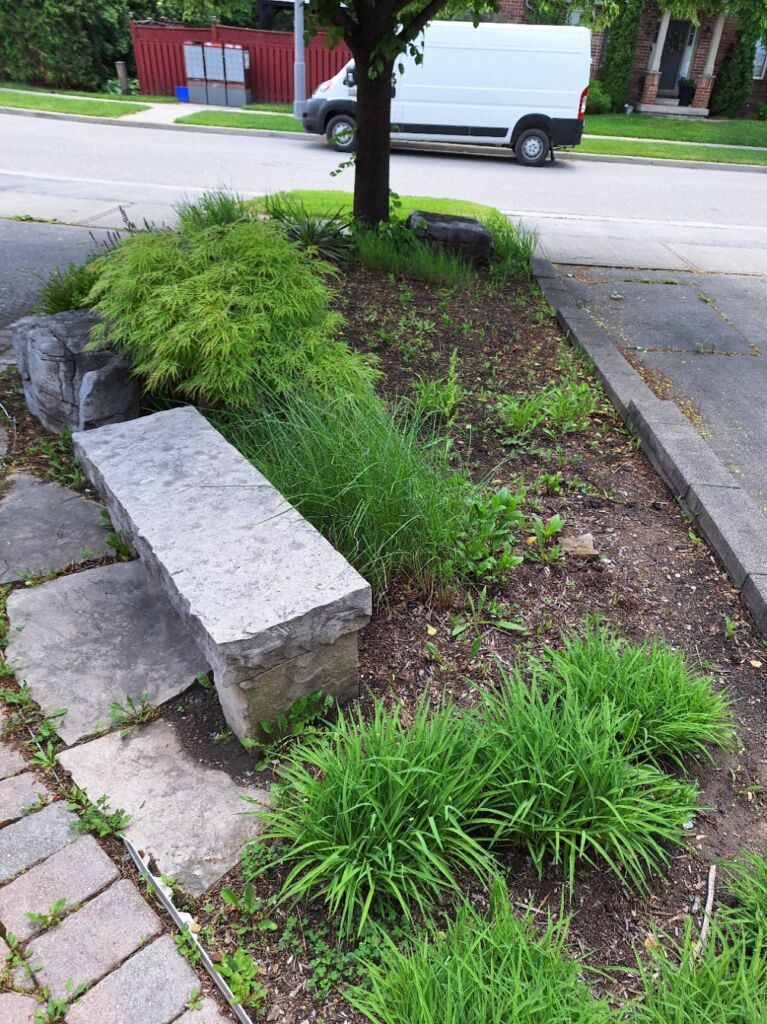
The client was simply not happy with the existing garden. They liked their bench and the 2 Japanese Maples. A challenge with this garden is the large linden at the end. You can just see the trunk of the tree in this image.

It took us a couple of weeks to pull everything together. At that point we were not well staffed and so it took us time to get a design and pricing together. This is some of what we presented to the client.
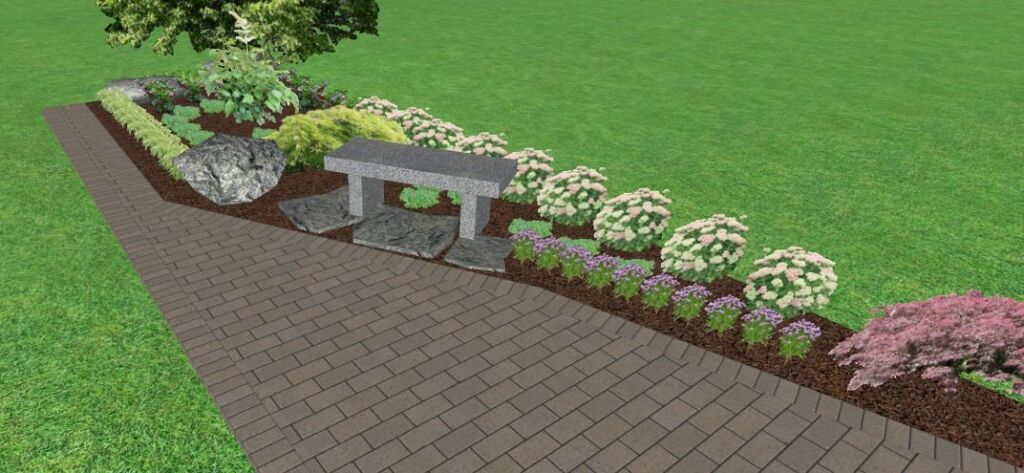
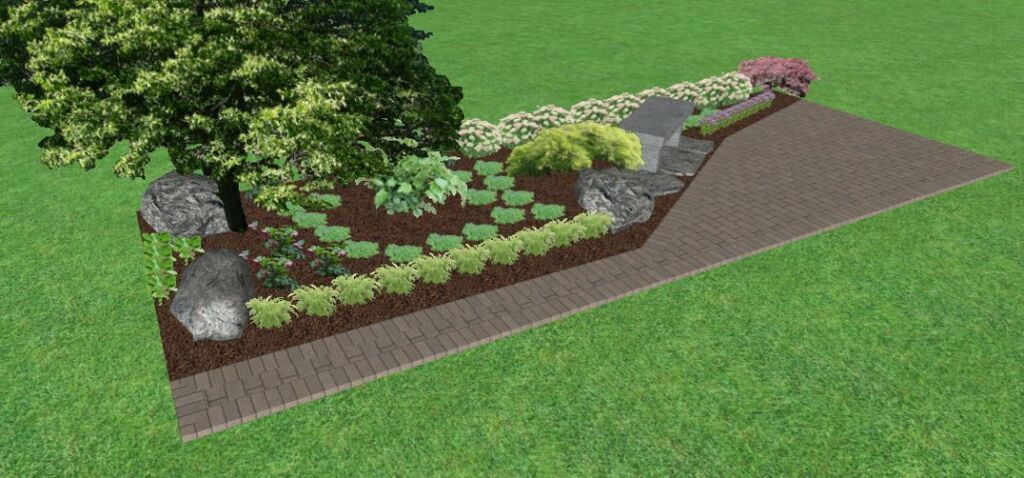
We supply plans for our landscapes. For most work we do, there is no charge for the plans. We will supply plans only for DIY for a fee.
We supply several views of the plan so the client has the best idea possible of what they are getting.


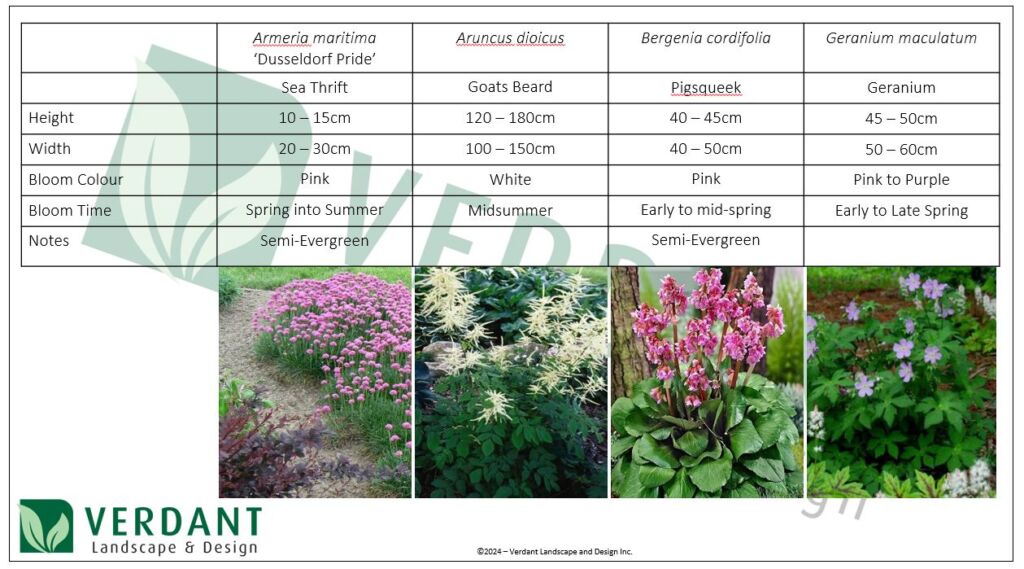
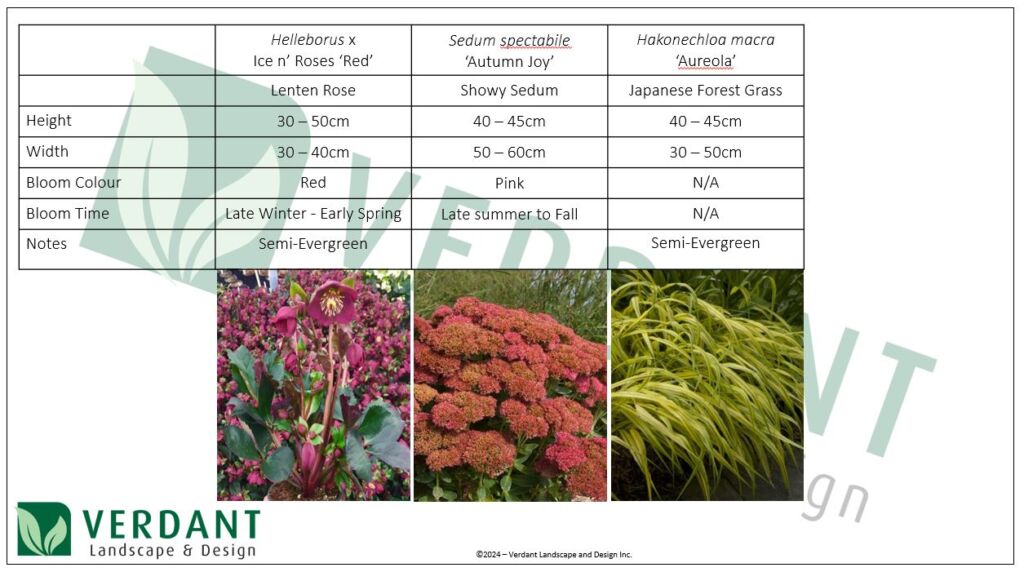
We furnish the client with a “plant pallet”. Many clients defer to our plant selections but on occasion, we may have to make adjustments. We are always happy to do so as our goal is to make the client happy.


One of the disclaimers we put into our presentations is should the nursery not have the exact plant we have suggested, we will make a suitable substitution. This happened on this job, we had to substitute a cultivar but it worked out well.


After we sent it to the client and they were happy with the process we finalized the process with a contract and an invoice for the deposit. It took a while to be in alignment with the client’s timing but being patient people – both the client and us – and finally it all worked out.

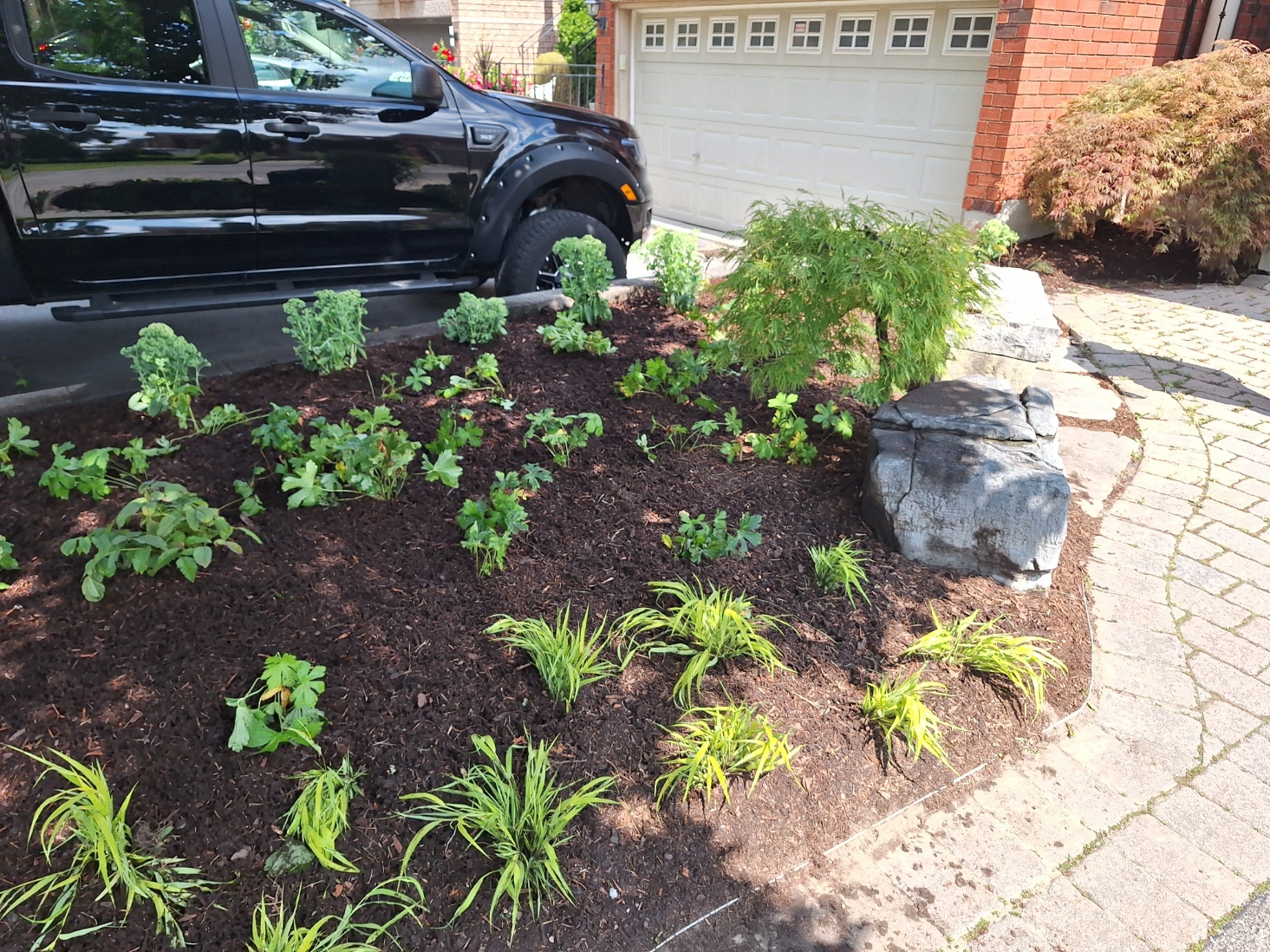
This past week we were able to install the garden.

Here are some photos:
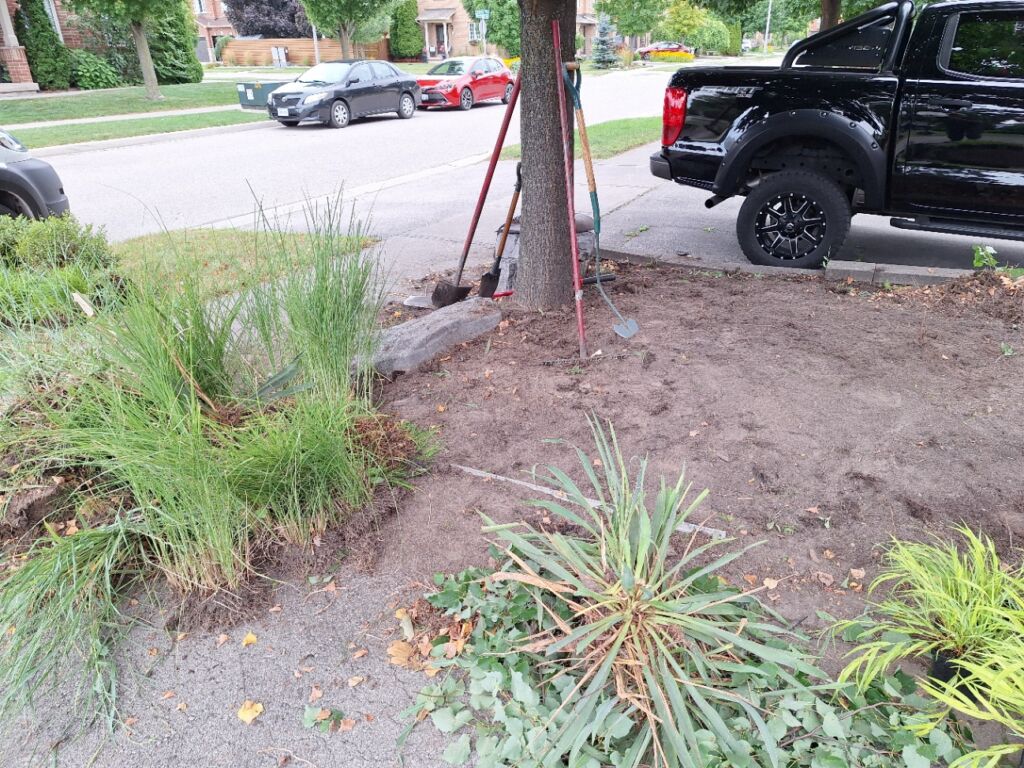
Step one is the removal is all of the existing plants and any debris. All of this material is dropped off at a waste transfer site where is it composted. If you look closely, in the top left hand corner is a small pile of plants our Horticultural Apprentice took for his own garden.


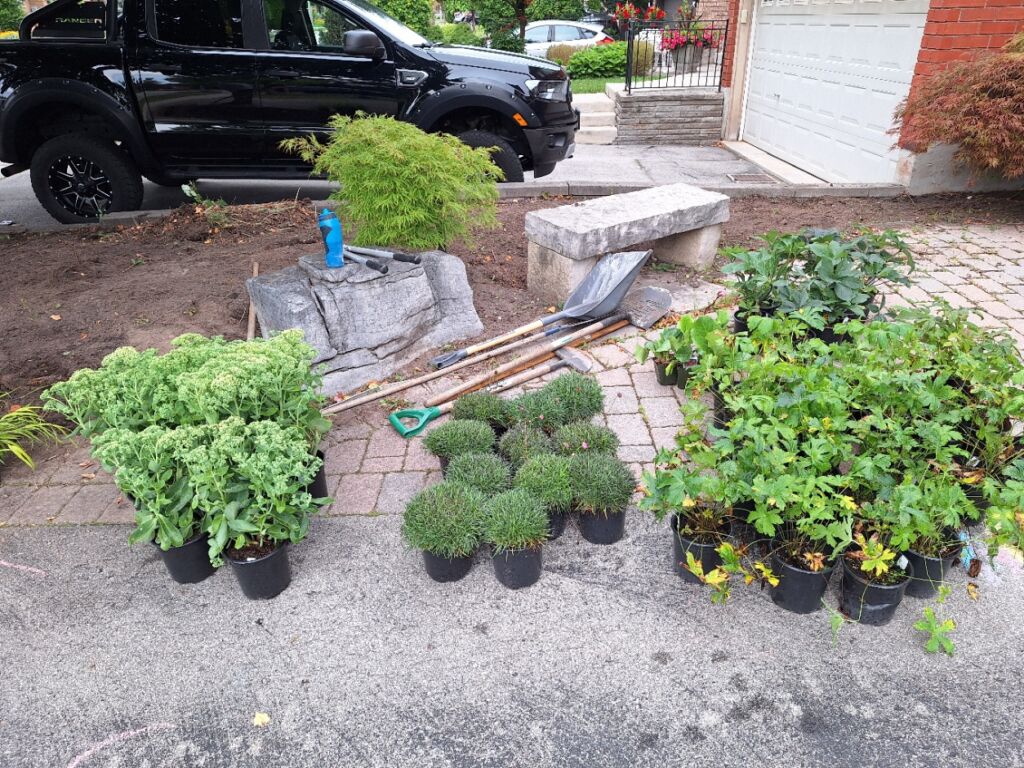
Many times we have the nursery deliver to our job site but it made the most sense to pick up. Here are most of the plants organized for ease of placement into the garden. We buy from only top quality wholesale nurseries.


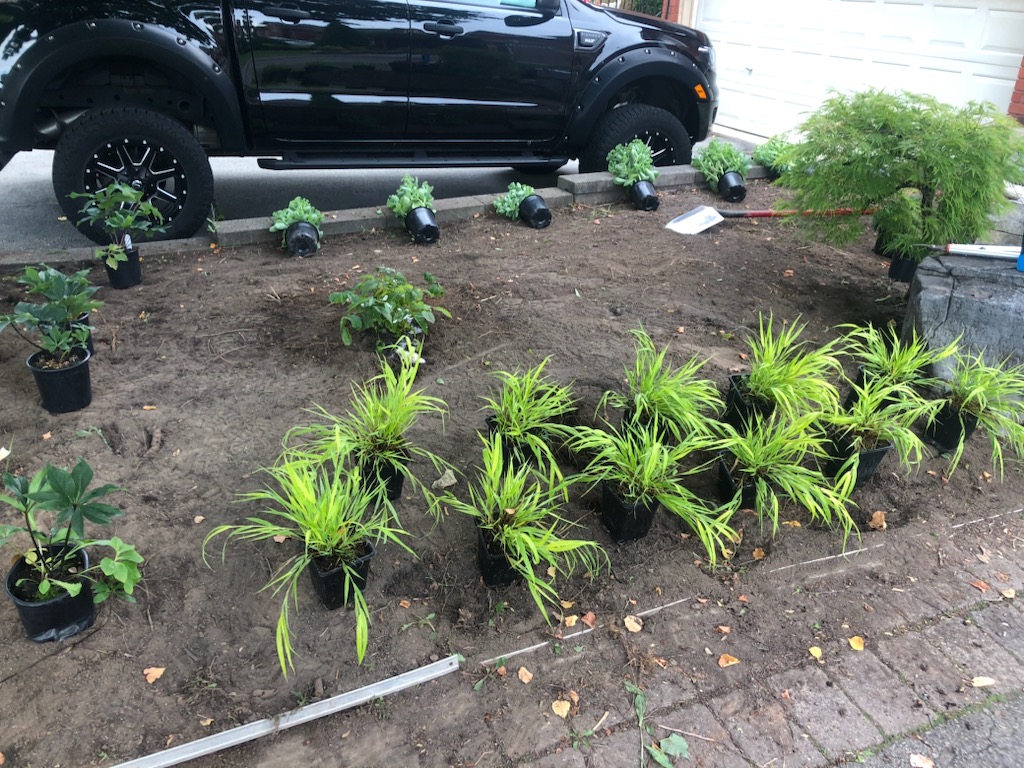
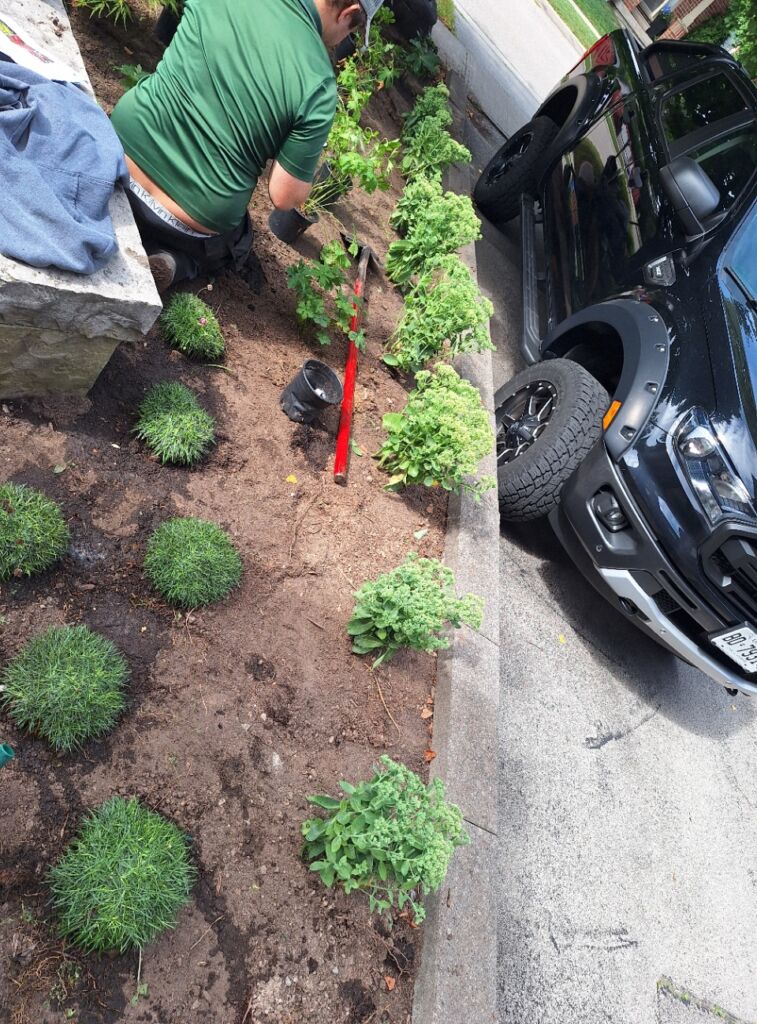
We take A LOT of time laying out all of the plants before we start. This allows us to make any adjustments we need to in order to make the garden look great. No matter what, working the design on paper rarely translates well in “real life”.


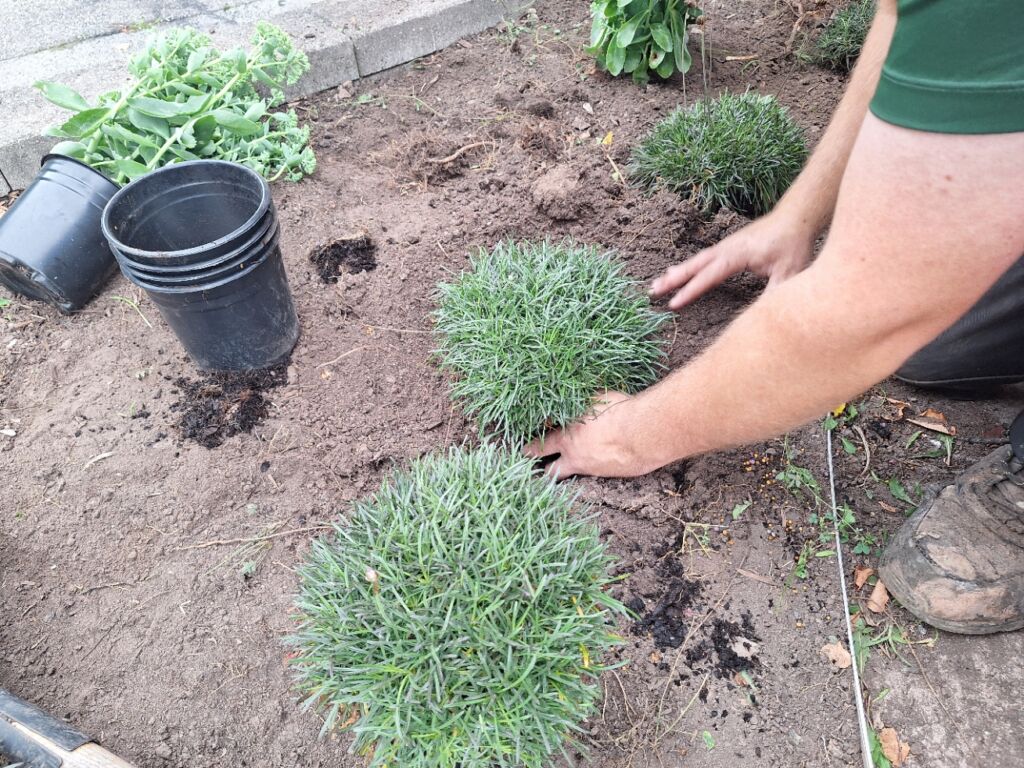
We plant all plants using the best techniques possible. We adhere to the Canadian Nursery Landscape Association’s guidelines. We are certified plant geeks and want every plant to thrive.


The planting continues.


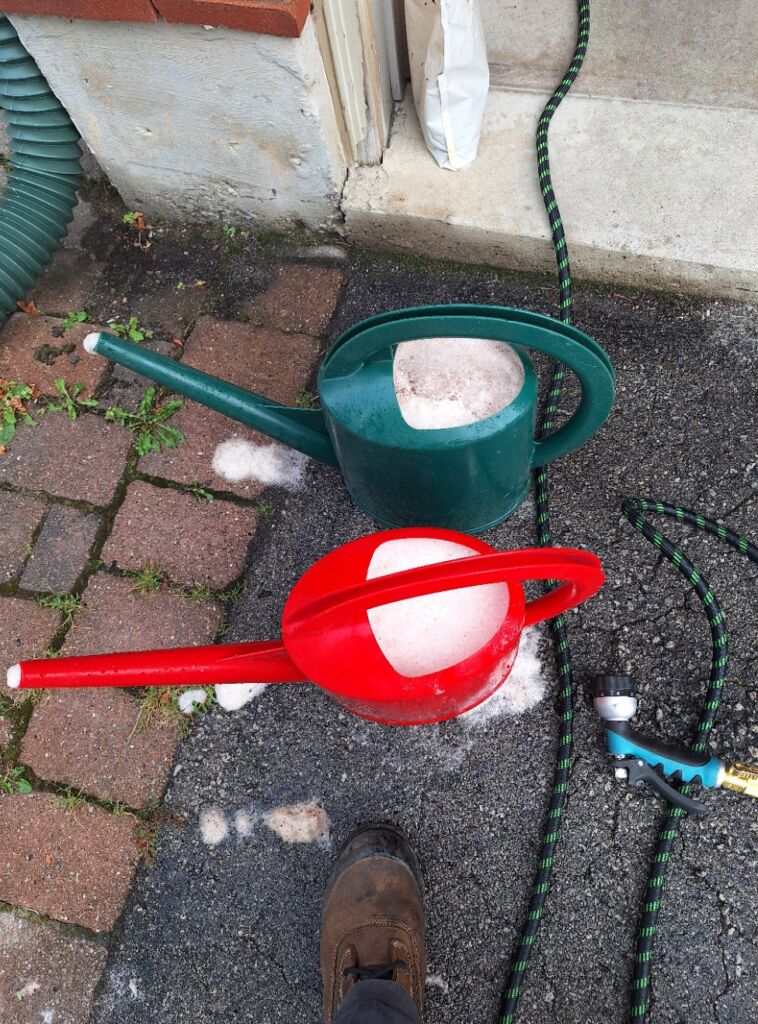
We use RootRescue on most of our planting jobs. Right here it looks like soapy water but it is teeming with millions of fungal spores just ready to germinate and start helping the plants.

RootRescue is a mycorrhizal fungal product. Mycorrhizal fungi are a naturally occurring organism that forms a symbiotic relationship with plants. The fungi take a little bit of carbohydrate from the plant and return supply the plant with water and nutrients. If you have a moment check out RootRescue’s website. You may learn a lot.
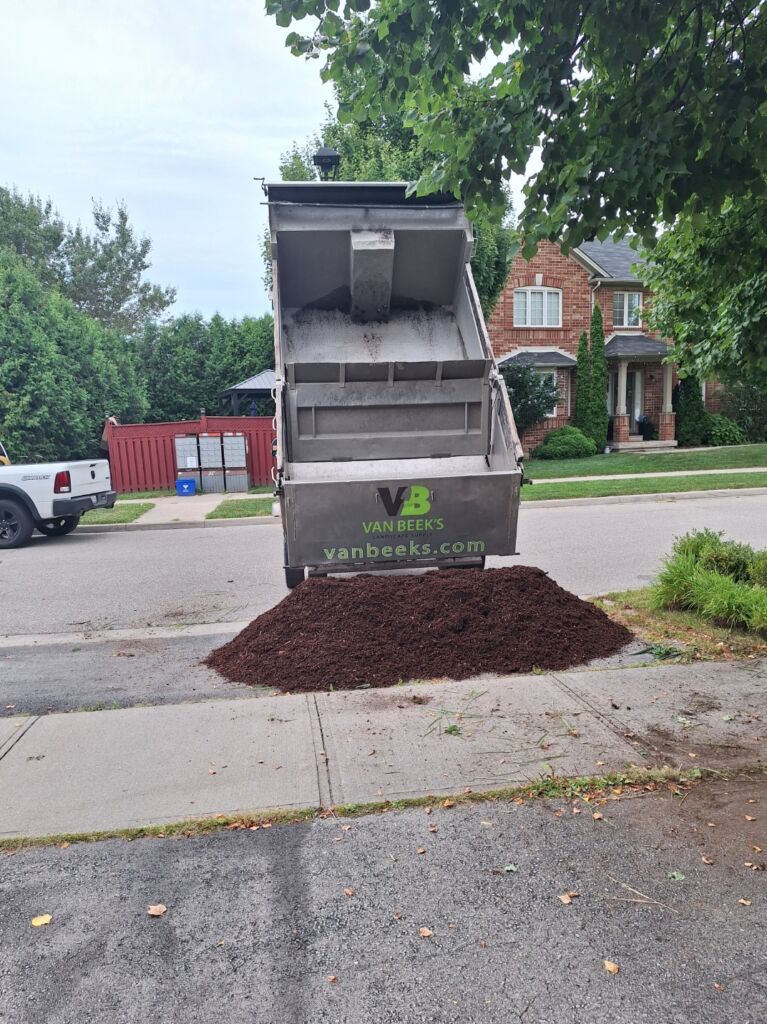
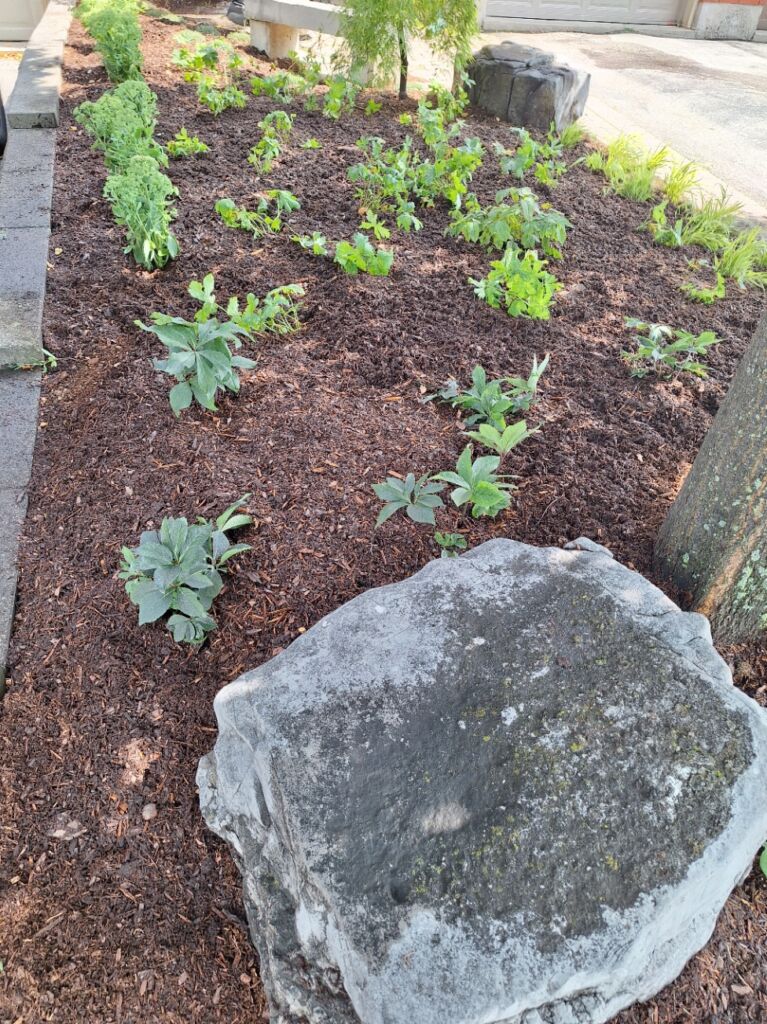
 

We suggest using natural mulch in gardens. This is natural pine mulch, this blend of bark and some wood is a byproduct of the Ontario softwood lumber industry.


The challenge with a brand-new garden is the sizing of the plants. They are all #1 size plants – we used to call that 1 gallon. All of the plants look similar BUT… the geranium will grow together forming a ground cover, the Aruncus dioicus – Goat’s Beardwill end up growing about 120-180 cm (4′ to 6′) tall. This garden will be GORGEOUS next year. All of the other plants doing their “thing”.

Garden design is really our sweet spot. If you even need any help or just have questions, please reach out to us. You can email me directly at matt@verdantlandscaping.ca


Leave a Comment

Related Posts

Satin Pothos – Scindapsus pictus: A Sophisticated Houseplant for Modern Interiors

Satin Pothos (Scindapsus pictus) is a stunning trailing houseplant prized for its velvety green leaves splashed with silver markings. Native to the tropical forests of Southeast Asia, this low-maintenance plant thrives indoors, making it an excellent choice for homes, offices, and interior landscapes. Easy to grow and highly adaptable, Satin Pothos brings elegance, texture, and air-purifying greenery to any indoor space.

Read More

Cornus sanguinea ‘Midwinter Fire’: The Shrub That Brings Winter Gardens to Life

Cornus sanguinea ‘Midwinter Fire’ is one of the most spectacular shrubs for winter interest. Renowned for its glowing yellow, orange, and red stems, this hardy deciduous dogwood delivers four seasons of beauty with spring flowers, summer foliage, vibrant fall colour, and brilliant winter bark. Easy to grow and highly adaptable, it is a favourite among gardeners and landscape designers alike.

Read More

Bromeliads: Why They Are One of the Best Indoor Plants for Offices

Looking for a low-maintenance indoor plant that delivers stunning colour and tropical appeal? Bromeliads are among the best plants for offices, reception areas, and commercial interiors. Their long-lasting blooms, ease of care, compact growth habit, and ability to thrive in indoor environments make them a favorite among interior landscapers and business owners. Whether displayed in a reception area, boardroom, or private office, bromeliads bring vibrant beauty and a touch of nature to the workplace.

Read More