A Tree That Helped Shape Early Ontario
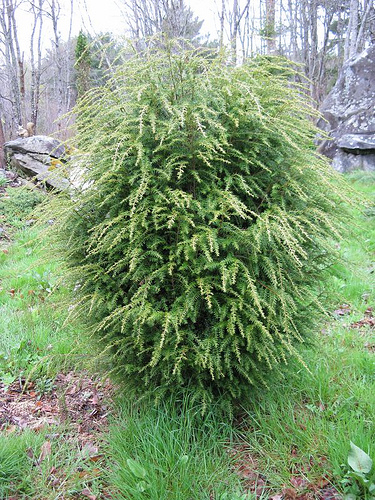
The Eastern Hemlock (Tsuga canadensis) is one of the most iconic native conifers of Ontario’s forest history. Majestic hemlock stands once dominated cool ravines, lakeshores, and north‑facing slopes across Eastern Ontario.
The Bark That Built an Industry
A lesser‑known part of Ontario’s early industrial story is the role hemlock bark played in leather tanning. The thick, furrowed bark is rich in tannins, which were harvested extensively during the 19th and early 20th centuries.
This tanning industry led to heavy logging of mature hemlock stands throughout Ontario and the Great Lakes region. By the mid‑20th century, commercial volumes had dropped dramatically due to overharvesting and poor regeneration.
Ecological Significance: A Keystone of Cool, Shaded Habitats
Eastern Hemlock plays a massive role in Ontario’s natural ecosystems:
- Creates cool, moist microclimates that support unique understory plants and mosses.
- Provides winter cover for wildlife, including deer and songbirds.
- Offers food sources—cones feed species such as red squirrels and chickadees.
- Stabilizes slopes and prevents erosion in ravines and near lakeshores.
These slow‑growing giants can live 500–800+ years, making them among Ontario’s longest‑lived native trees.
Horticultural Use: Graceful, Shade‑Tolerant & Versatile
Hemlock is prized in horticulture for its:
- Soft, feathery evergreen foliage arranged in flat sprays
- Graceful, pyramidal form and nodding leader
- Outstanding tolerance for shade, thriving where many conifers fail
- Acceptability to pruning, making it ideal for hedges and screening
It performs best in moist, acidic, well‑drained soils and prefers sheltered sites out of hot sun or harsh wind.
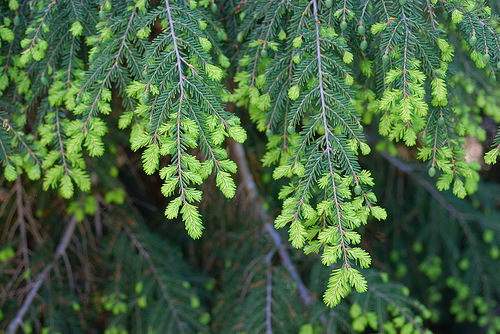
Popular Cultivars of Tsuga canadensis
With more than 50 cultivars developed, some favourites include:
‘Cole’s Prostrate’
A creeping, ground‑hugging form—great for rock gardens.
‘Gentsch White’
Variegated white tips that brighten winter scenes.
‘Sargentii’ (or ‘Pendula’)
A dramatic, weeping form—wide, cascading, and architectural.
These cultivars offer options for formal gardens, small yards, and specialty plantings.
The Hemlock Woolly Adelgid: A Serious Modern Threat
One of the most pressing issues facing Tsuga canadensis today is the invasive Hemlock Woolly Adelgid (HWA)—a tiny sap‑sucking insect introduced from Asia.
Why It’s So Devastating
- Attaches at the base of needles, forming white, cottony masses
- Causes needle yellowing, needle drop, branch dieback, and eventual tree death
- Has caused catastrophic decline across eastern North America ]
Detected in parts of Ontario in recent decades, it remains a major concern for forestry and conservation.
Other Insect & Disease Issues
Tsuga canadensis may also encounter:
- Elongate Hemlock Scale
Causes yellowing and decline. - Spider mites in hot, dry summers
- Bagworms, sawfly, borers, leaf miners
- Needle blight, rust, canker, and root rot
Healthy trees in the right environment are fairly resilient, but stressed trees are far more vulnerable.
Why Tsuga canadensis Still Matters
Despite challenges, Eastern Hemlock remains:
- An essential forest species supporting biodiversity
- A valuable ornamental tree for shade, texture, and winter interest
- A cultural and historic symbol of Ontario’s natural heritage
Its survival is important not just for forestry, but for the character of Eastern Canadian landscapes.
Have Thoughts About Eastern Hemlock?
I’d love to hear your experiences—whether you’ve grown Tsuga canadensis, worked with it in landscapes, or observed it in the wild ravines of Ontario.
👇 Share your comments or questions below.
🌿 And if you’re planning a landscape project, feel free to book a FREE landscape consultation—let’s create something beautiful together.