
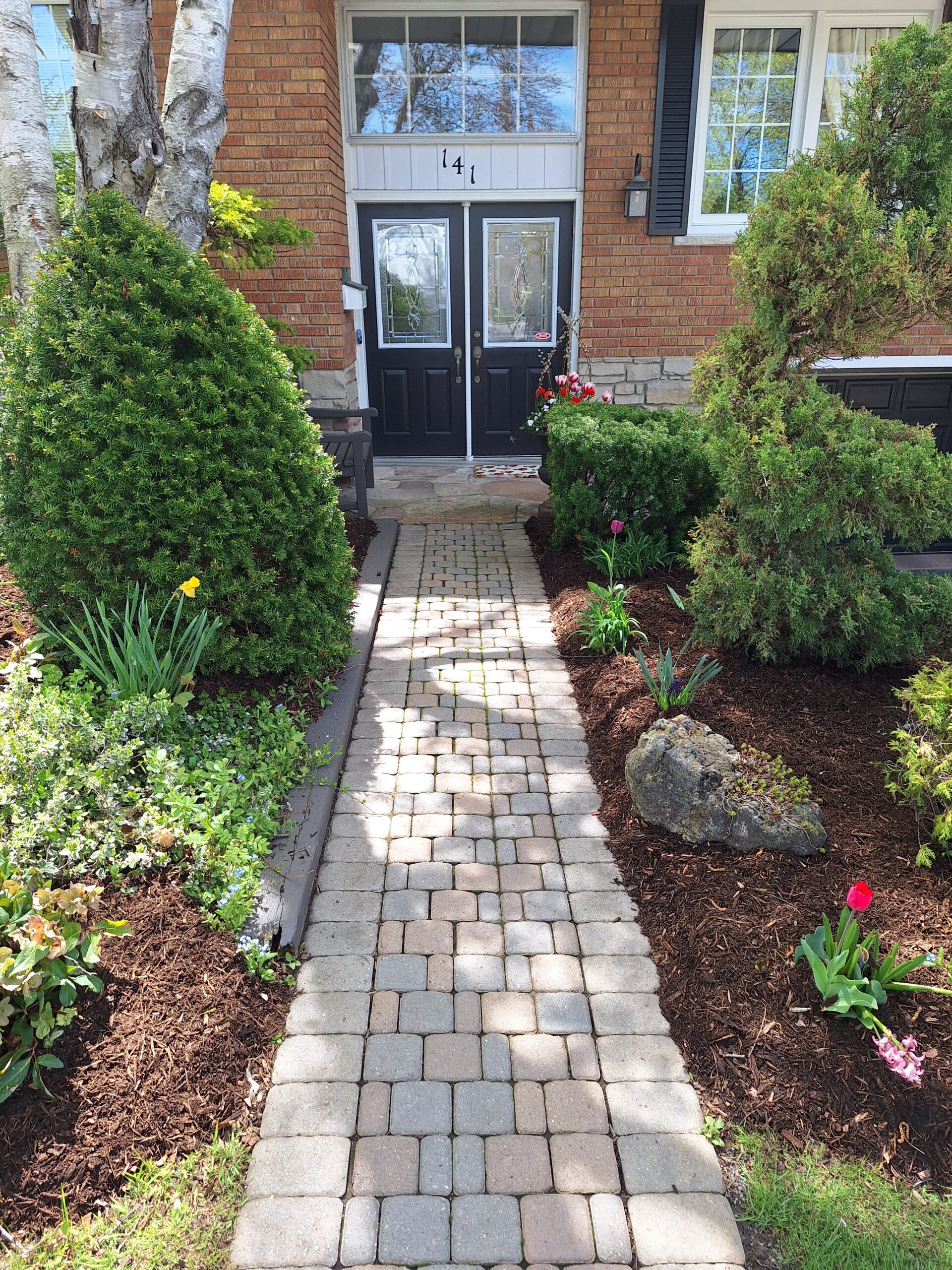
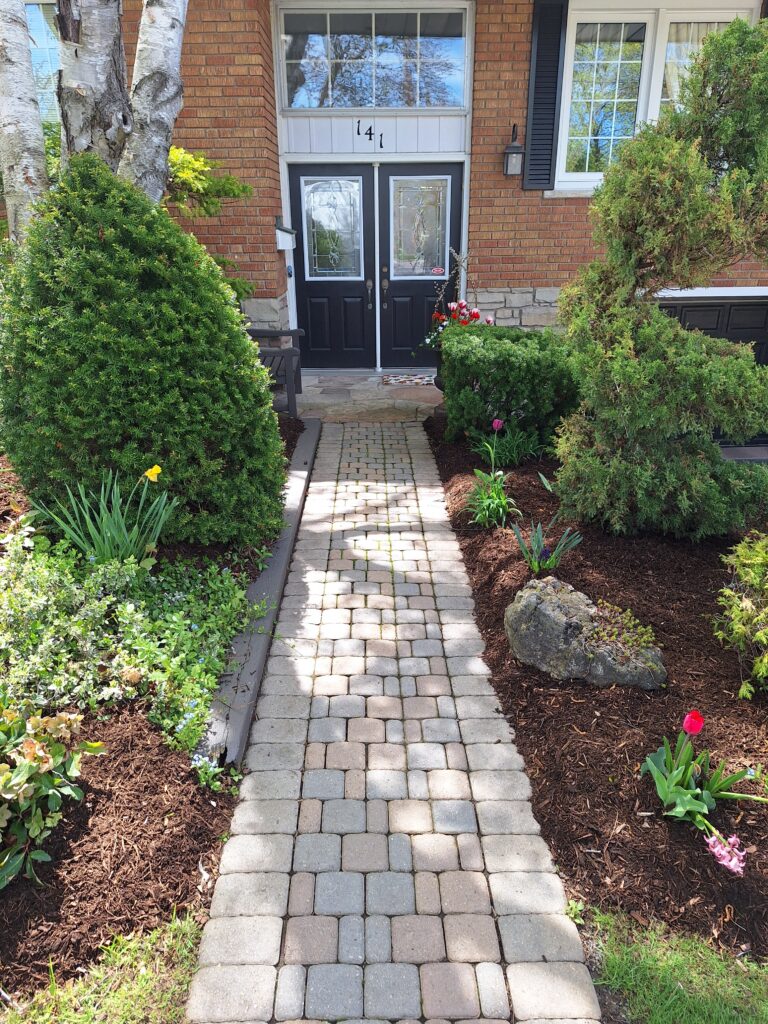
We exclusively suggest using natural pine mulch to all our clients. As a general rule, we do not like dyed mulch products. If a client wants to use a dyed product we will do so but it is not our “go to”.
We have a number of reasons for this and I hope to help you find your way through this maze.
I’m going to start by revealing actually how old, or should I say experienced I am. The first dyed mulch I remember was that horrid red stuff. As recent as 15 years ago (or so) when I would pick up mulch at suppliers, the dyed mulch bins smelled like paint. Dye products have improved a lot since then but they are still dyed. Exposed to the elements, etc…..
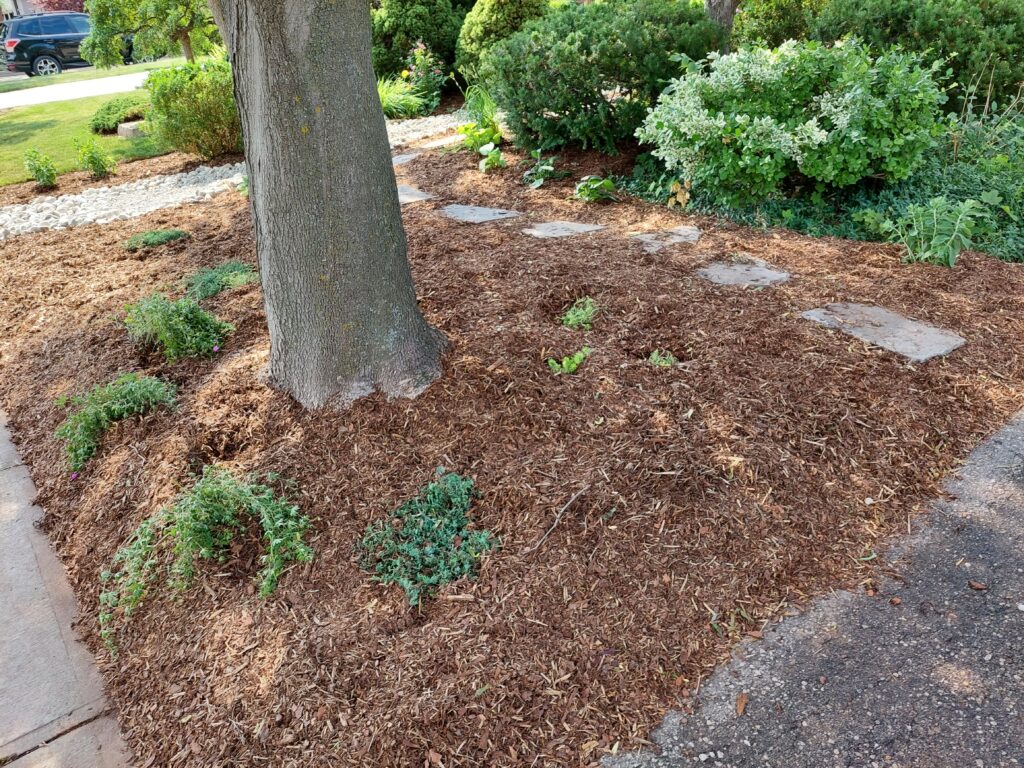
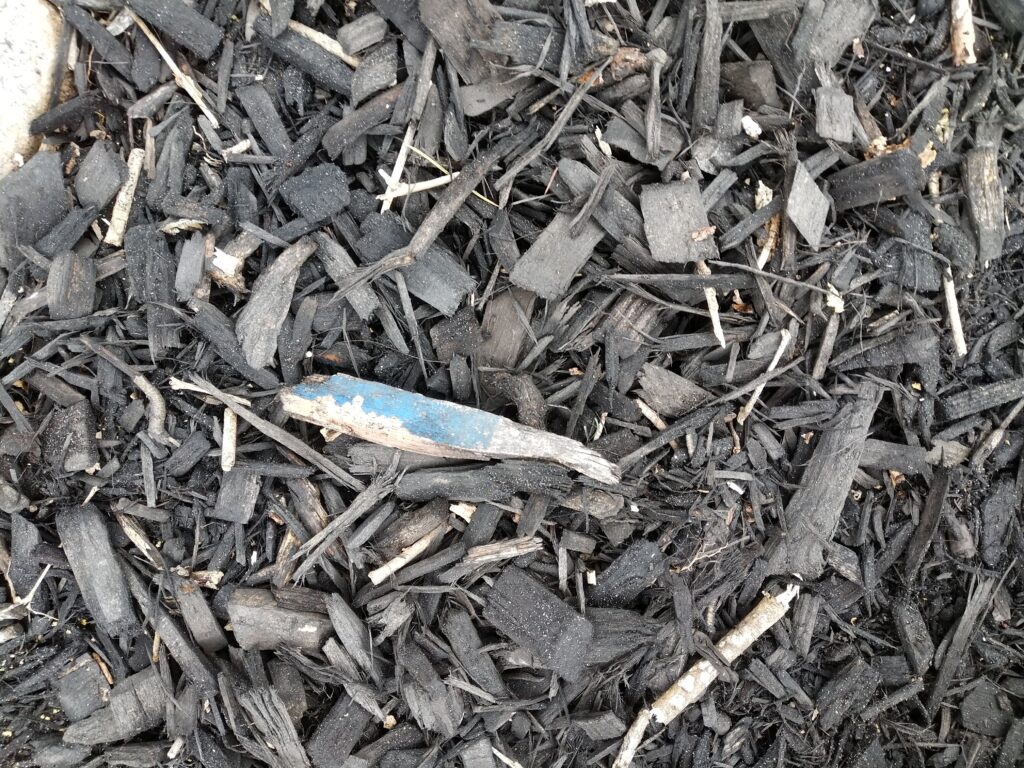
We have a number of reasons to prefer natural mulch over dyed mulch. Here is a short story about two clients. The first client didn’t want us to refresh their beds one spring. They have natural pine mulch in their beds. Be the end of the season, their beds looked as if they had always been in that state – the soil was covered with the remaining bark and wood shreds. Our other client didn’t want their dyed beds refreshed. By the end of that season, the black mulch had faded, and not evenly. It looked mottled from dark grey to light grey.
Natural mulch offers a multitude of benefits over dyed mulch, making it a superior choice for gardens. The advantages of natural mulch include its environmental friendliness, positive impact on soil health, safety for plants and animals, and overall sustainability. Let’s explore these aspects in detail.
Environmental Friendliness
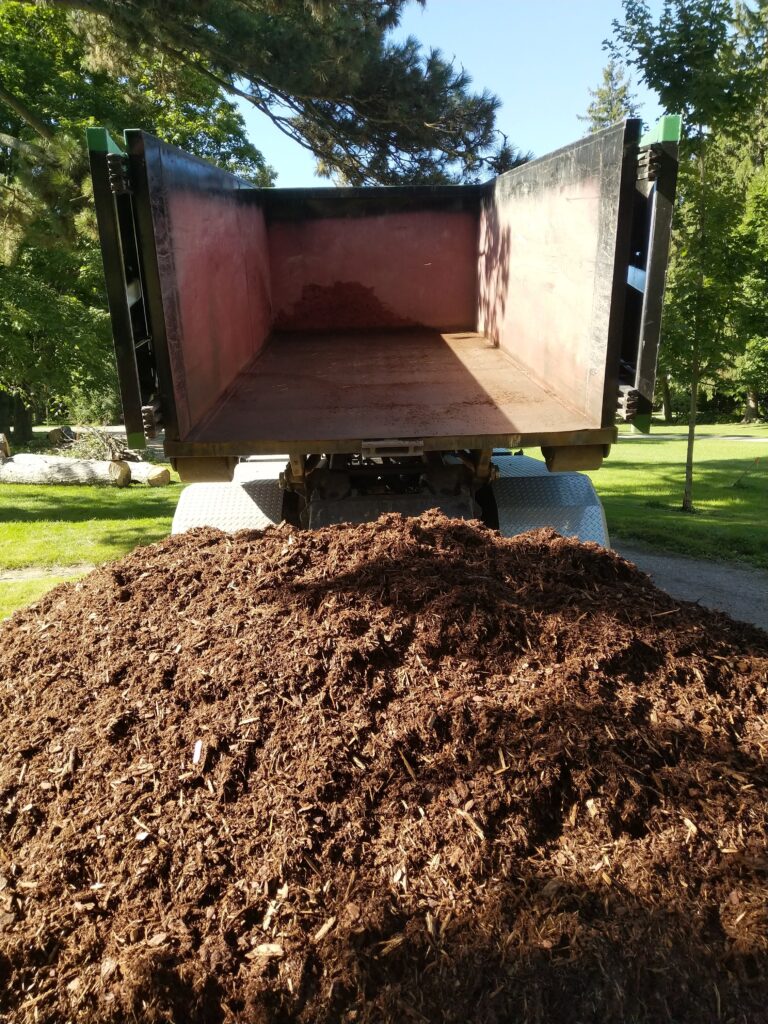
One of the primary benefits of natural mulch is its minimal environmental impact. Natural mulch is typically made from waste products from softwood lumber mills. These materials are biodegradable, breaking down over time and enriching the soil with organic matter. This process mimics natural ecosystems where plant debris decomposes, returning nutrients to the soil.
In contrast, dyed mulches are often made from recycled wood products that contain chemical dyes. Additionally, the production of dyed mulch often requires more energy and resources compared to natural mulch, increasing its overall carbon footprint.
Soil Health
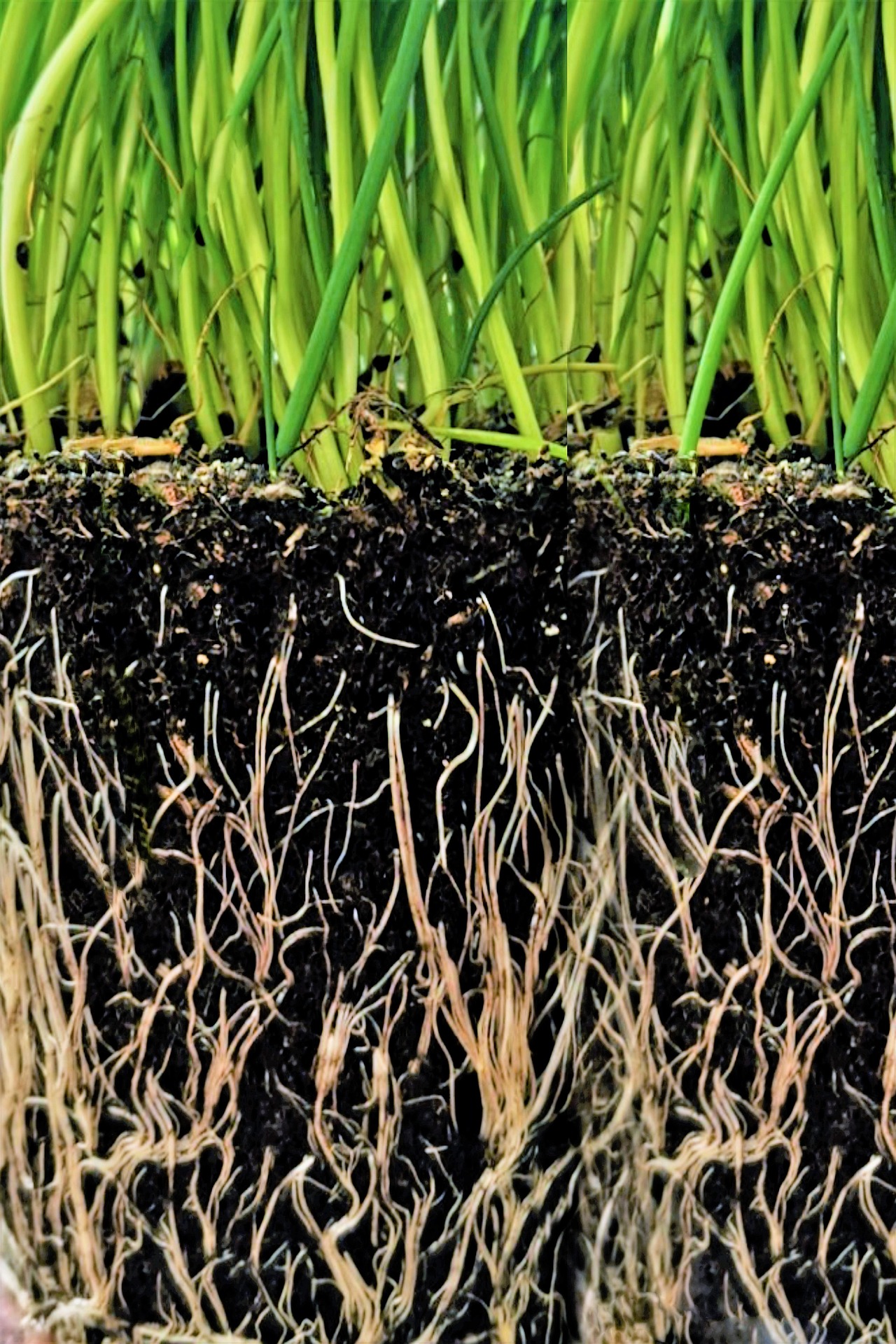
Natural mulch significantly enhances soil health by improving its structure, fertility, and moisture retention capabilities. As natural mulch decomposes, it adds organic matter to the soil, which improves its texture and water-holding capacity. This decomposition process creates a rich, fertile environment that promotes healthy root development and supports beneficial soil microorganisms.
Natural mulch also helps regulate soil temperature, keeping it cooler in the summer and “warmer” in the winter. This temperature moderation protects plant roots from extreme conditions, reducing stress and promoting vigorous growth. Moreover, natural mulch reduces soil erosion by protecting the soil surface from the impact of heavy rain and wind.
Dyed mulch, on the other hand, can negatively impact soil health. The chemicals used in dyed mulch may inhibit microbial activity and reduce the soil’s overall fertility. Additionally, dyed mulch often decomposes more slowly than natural mulch, providing fewer nutrients to the soil over time. This slower decomposition rate can lead to the accumulation of a thick, impenetrable layer on the soil surface, which can impede water infiltration and root growth.
Safety for Plants and Animals
The safety of mulch for plants and animals is a critical consideration for gardeners. Natural mulch is inherently safe, as it is composed of organic materials that do not contain harmful chemicals. This makes it a suitable choice for use around edible plants, such as vegetables and fruit trees, where the risk of chemical contamination must be minimized.
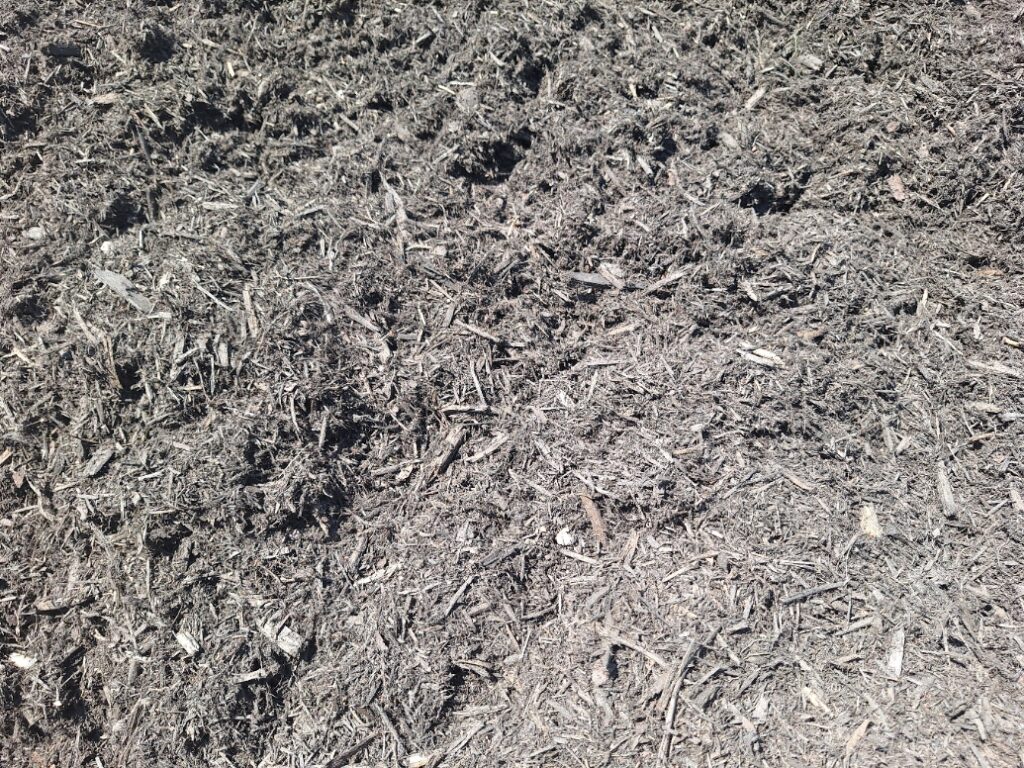
Natural mulch is also safe for pets and wildlife. Animals that come into contact with or ingest natural mulch are not exposed to harmful chemicals that could pose health risks. In contrast, dyed mulch can contain potentially toxic substances, particularly if it is made from recycled wood treated with preservatives. Pets and wildlife that ingest dyed mulch may suffer from gastrointestinal issues or other health problems.
Sustainability
Sustainability is a key factor that sets natural mulch apart from dyed mulch. Natural mulch is made from resources that are byproducts of the softwood lumber industry. Using these materials as mulch helps to recycle organic waste, decreasing environmental pollution.
Furthermore, natural mulch supports sustainable gardening practices by promoting healthy soil ecosystems and reducing the need for chemical fertilizers and pesticides. Healthy soil enriched with organic matter from natural mulch can support robust plant growth and resist pests and diseases more effectively than depleted soil.
In contrast, the production of dyed mulch can be less sustainable. The use of synthetic dyes and chemicals in the manufacturing process can contribute to environmental pollution. Additionally, dyed mulch is often made from recycled wood potentially involving contaminated materials.
Aesthetics and Practical Considerations
While the aesthetic appeal of dyed mulch is often cited as a reason for its use, natural mulch also offers attractive options that blend seamlessly with the natural landscape. The earthy tones of natural mulch, such as browns and tans, complement a wide range of garden styles and plant palettes, creating a harmonious and cohesive look.
Natural mulch also has practical advantages in terms of cost and availability. It is often more affordable than dyed mulch, especially if sourced locally or produced from one’s own garden waste. Additionally, natural mulch is widely available and can be easily replenished as needed, making it a convenient choice for gardeners and landscapers.
In summary, natural mulch provides numerous benefits that make it a better choice than dyed mulch for most gardening and landscaping applications. Its environmental friendliness, positive impact on soil health, safety for plants and animals, and sustainability are compelling reasons to choose natural mulch. While dyed mulch may offer certain aesthetic advantages, these are often outweighed by the potential negative effects on the environment and soil health. By opting for natural mulch, gardeners and landscapers can create healthier, more sustainable landscapes that benefit both plants and the broader ecosystem.

1 thought on “Why we LOVE Natural Pine Mulch”
Comments are closed.