Every February and March, as we hover between winter’s grip and the first signs of spring, I pull out one of the most reliable tools in my horticultural kit: dormant oil and lime sulphur. After 35+ years in the landscape and horticulture world, I can say confidently that a well‑timed dormant spray is one of the simplest, most cost‑effective ways to set your fruit trees, roses, and ornamental shrubs up for success in the season ahead.
Here in Ontario—where freeze‑thaw cycles, humid summers, and stubborn overwintering pests create the perfect storm—this practice is more than tradition. It’s good science, and it prevents a lot of headaches later.
Let’s dig into why dormant spraying matters and exactly which pests and diseases it helps control.
What Dormant Oil and Lime Sulphur Actually Do
Dormant oil is a horticultural mineral oil applied while plants are still leafless. It works by suffocating overwintering insects and eggs that hide in bark crevices, branch crotches, and dormant buds.
Lime sulphur, on the other hand, is a powerful fungicide and miticide used during true dormancy because of its strength. It breaks down fungal spores and controls several overwintering mites and borers.
When used together—only during dormancy—they deliver a clean slate before spring growth begins.
The Pests You’ll Control in Ontario With a Dormant Spray
Ontario gardens face a predictable lineup of overwintering pests every year. Dormant oil and lime sulphur knock back the worst offenders.
Below is a list of insects and mites supported by Ontario‑relevant sources.
- Scale Insects
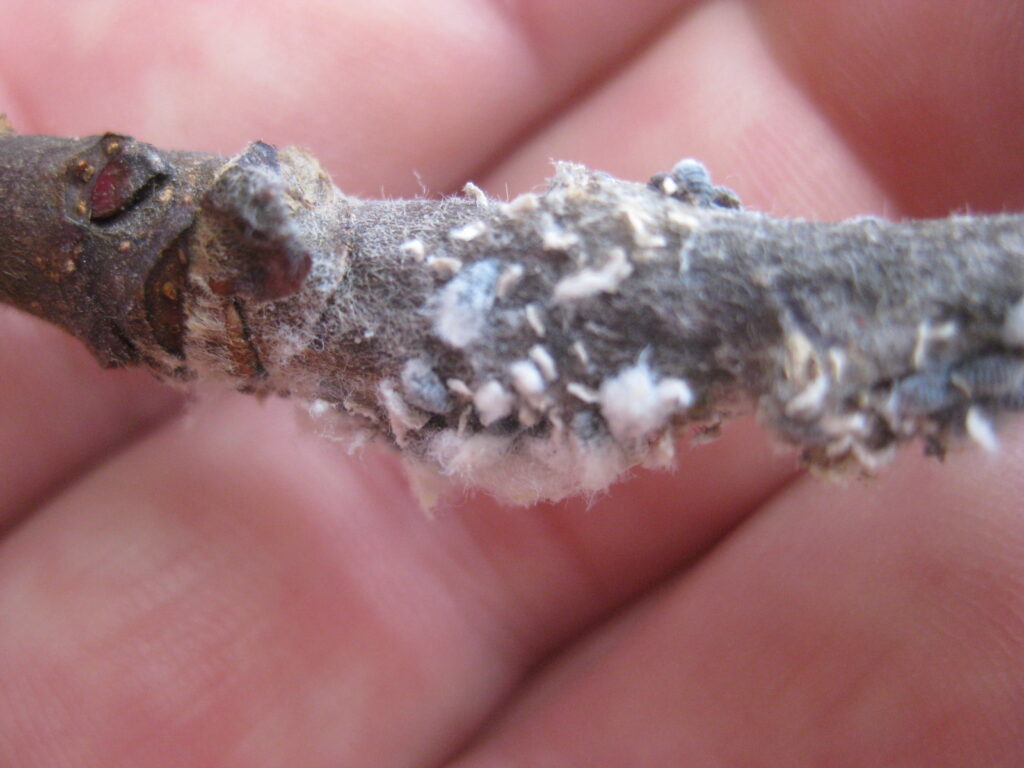
A major issue for fruit trees and ornamentals:
- Pear scale
- Magnolia scale
- Euonymus scale
- Other armoured and soft scales
- Mites
These are some of the most damaging early‑season pests:
- Red mite eggs
- Rust mites
- Blister mites
- Spider mites (overwintering stages)
- Aphid Eggs
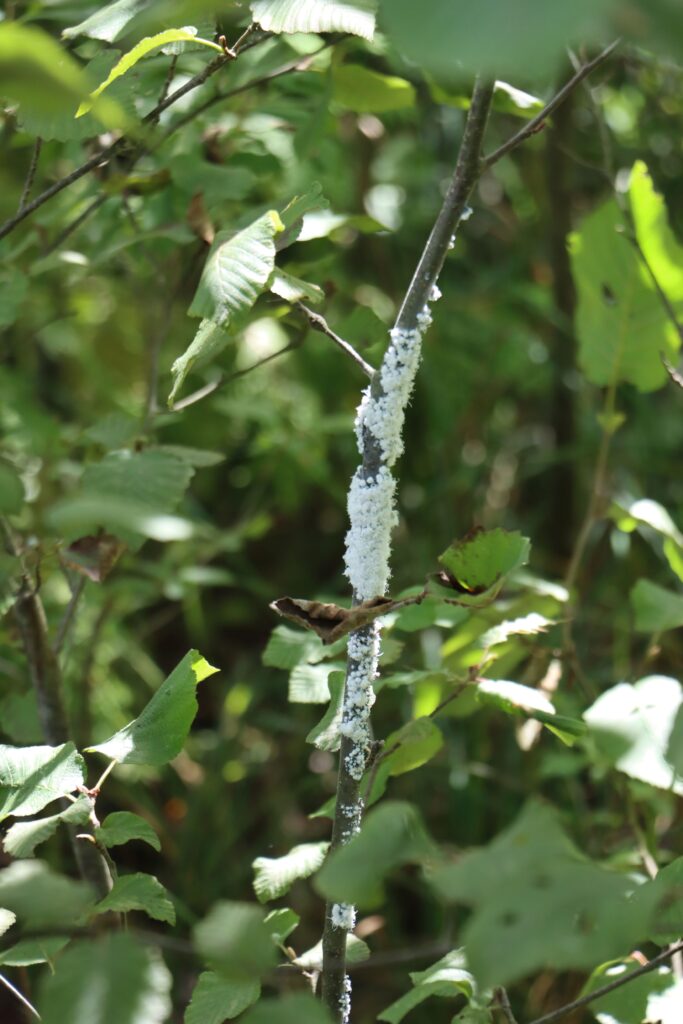
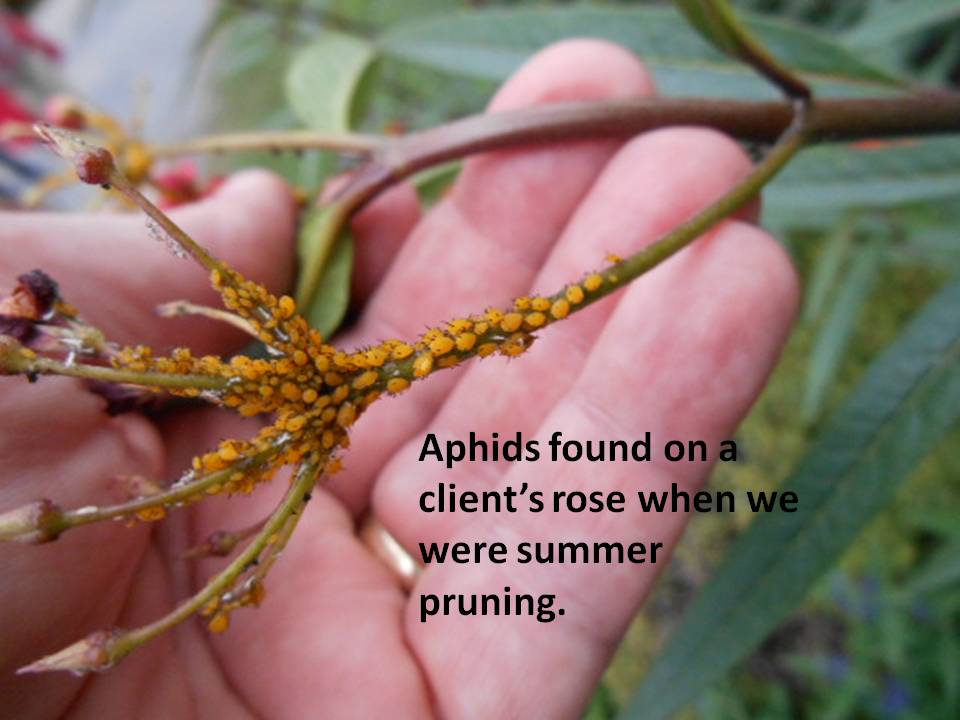
Aphids overwinter as eggs on fruit trees, roses, and shrubs. Dormant oil prevents explosive spring populations.
- Caterpillar Eggs (Exposed)
Dormant oil helps manage:
- Leafrollers
- Other exposed overwintering caterpillar eggs
- Twig Borers and Overwintering Larvae
These pests overwinter in bark fissures, emerging in spring to damage new buds and shoots.
Fungal Diseases Controlled by Lime Sulphur
Lime sulphur is a powerhouse in late winter, targeting the fungal spores that survive on bark, buds, and plant debris.
Major diseases controlled include:
- Apple scab
- Powdery mildew
- Pear rust
- Peach leaf curl
- Black spot (especially on roses)
- Anthracnose
- Black rot
- Plum black knot
This one step eliminates a huge amount of fungal pressure before it starts.
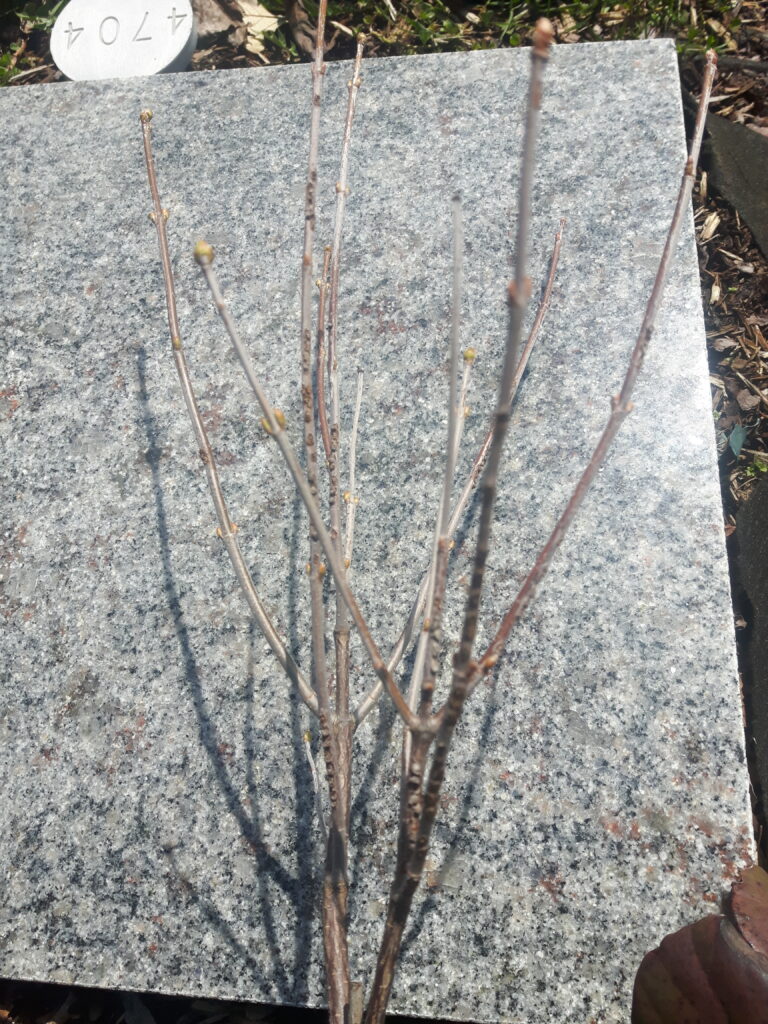
Other Benefits: Cleaning Up Moss and Algae
While not pests, moss and algae on bark can trap moisture and provide micro‑habitats for pests. Dormant oil/lime sulphur helps remove these as well.
Why Dormant Spraying Matters in Ontario Specifically
Ontario’s winter conditions create:
- Freeze‑thaw cycles that help pests burrow deeper into bark
- Cool, wet springs that are perfect for fungal outbreaks
- Dense plantings in urban and suburban yards where diseases spread easily
A dormant spray gives plants an enormous advantage by reducing the initial pest load before the season even starts.
Timing: When to Spray
Late winter—February through March—is ideal, as long as:
- Temperatures stay at or above 0°C for 24 hours
- Plants are fully dormant, with no swelling buds
- There is no rain, snow, or frost in the immediate forecast
Spraying too late can burn young tissues, so err on the side of earlier rather than later.
Plants That Benefit Most
Dormant oil and lime sulphur are especially useful on:
- Apples, pears, plums, cherries
- Raspberries, blackberries, blueberries
- Roses
- Viburnums, dogwoods, ninebark, euonymus
- Crabapples and hawthorn
Do NOT use on beech, Japanese maple, sugar maple, walnut, Colorado blue spruce, and holly.
Final Thoughts from an Ontario Horticulturist
Dormant spraying isn’t glamorous. It isn’t a trendy new gardening trick. But it’s one of the most reliable, science‑backed, cost‑effective steps Ontario gardeners can take.
Think of it as preseason training for your garden. If you start spring with a clean slate—fewer insects, fewer fungal spores—you’ll spend far less time fighting problems later and far more time enjoying healthy foliage, blossoms, and fruit.
And those of us who’ve sprayed religiously for decades can tell you: you’ll notice the difference.
If you’d like more information—or if you’re interested in a proposal for dormant spraying, ornamental plant care, or our licensed mosquito and biting‑fly control services—feel free to reach out. As provincially licensed applicators in Ontario, we’re here to help protect your landscape and keep your outdoor spaces enjoyable all season long.