When planning a garden or landscape in southern Ontario, one of the most impactful choices you can make is to incorporate native plants. These species have evolved over thousands of years to thrive in our local climate, soils, and ecosystems. By choosing native plants, you’re not just creating a beautiful outdoor space—you’re supporting biodiversity, conserving resources, and building resilience against environmental challenges.
The Benefits of Native Plants
Low Maintenance
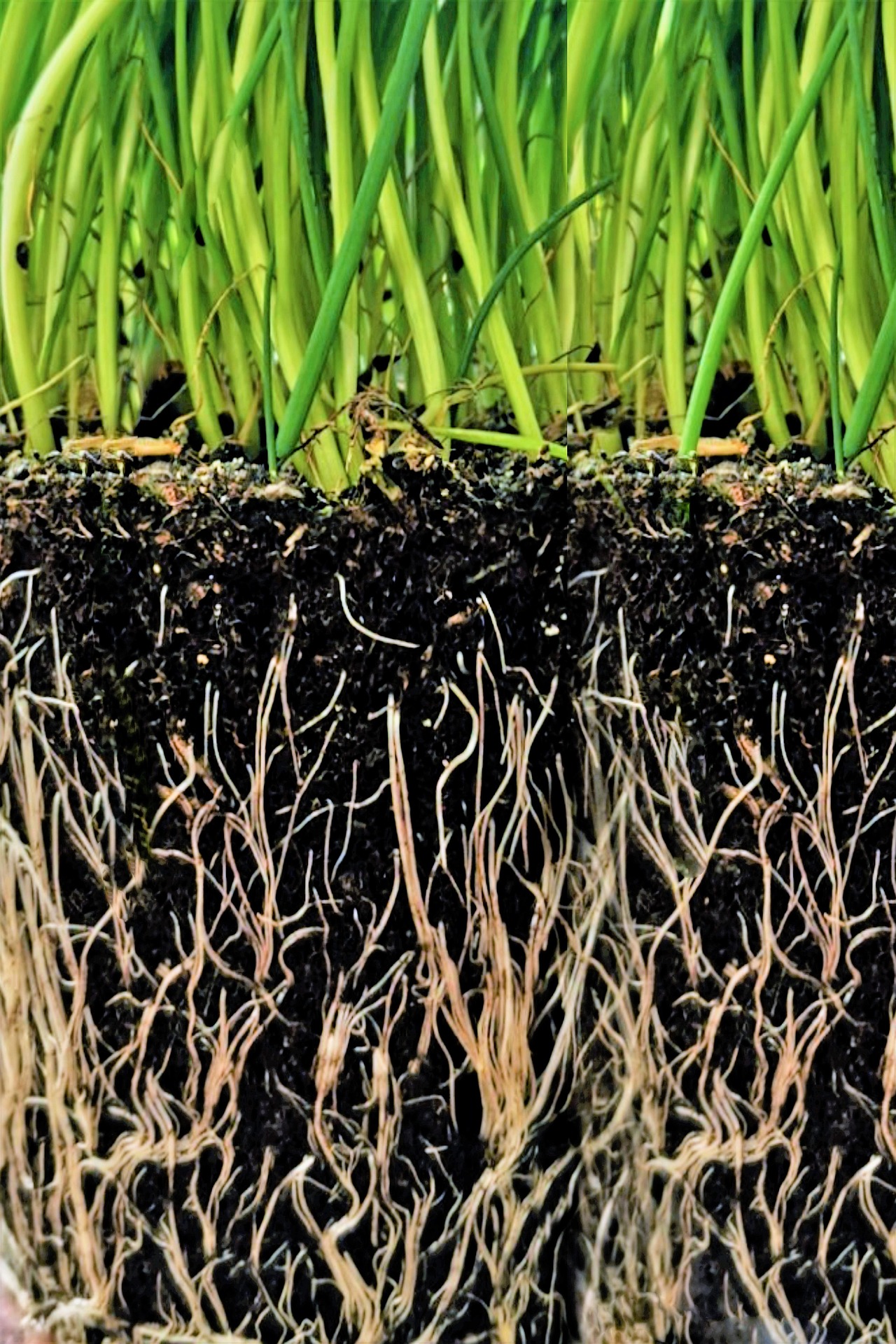
Native plants are adapted to local conditions, meaning they require less water, fertilizer, and pest control than non-native species. This translates into lower maintenance costs and a healthier, more sustainable landscape.
Wildlife Habitat
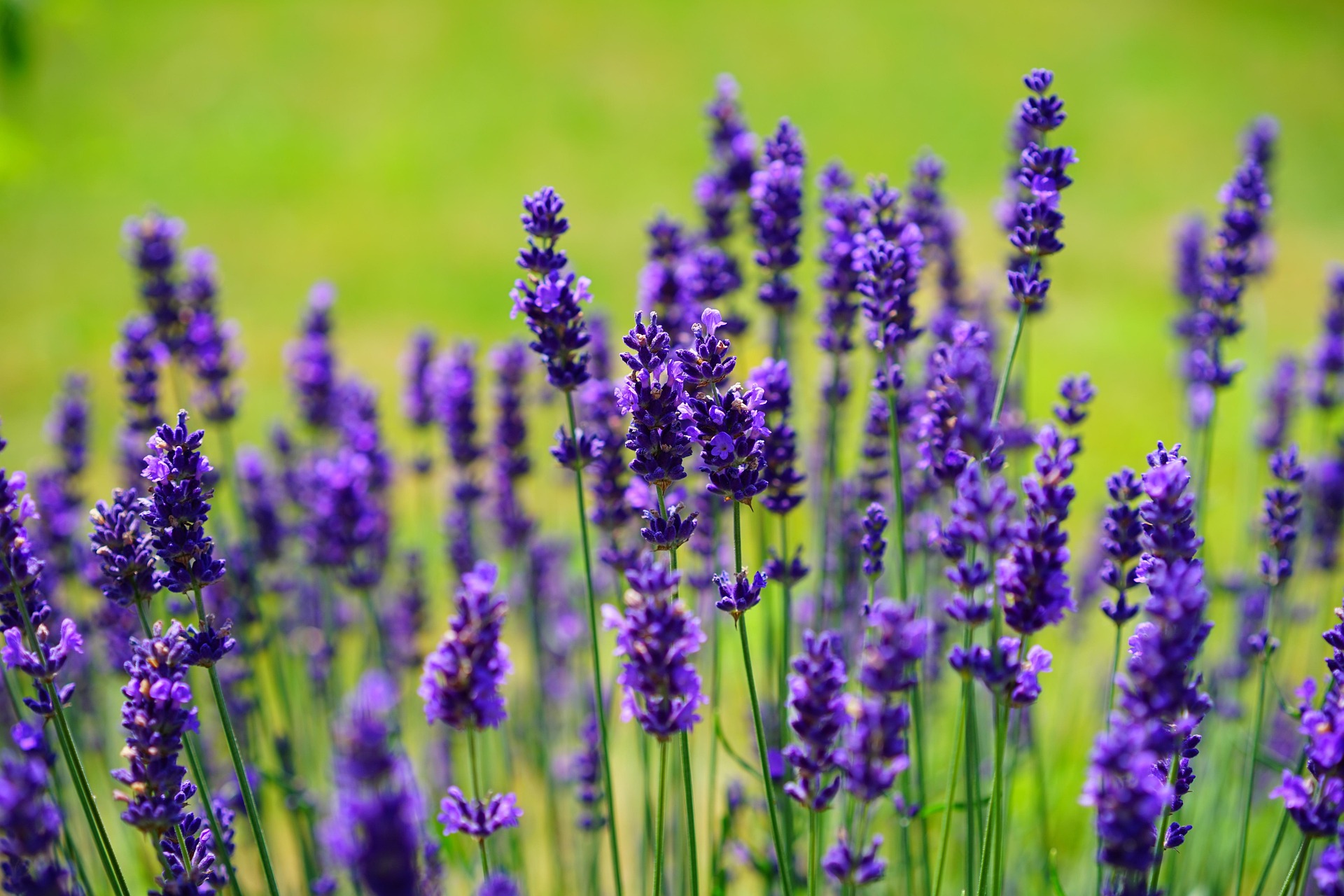
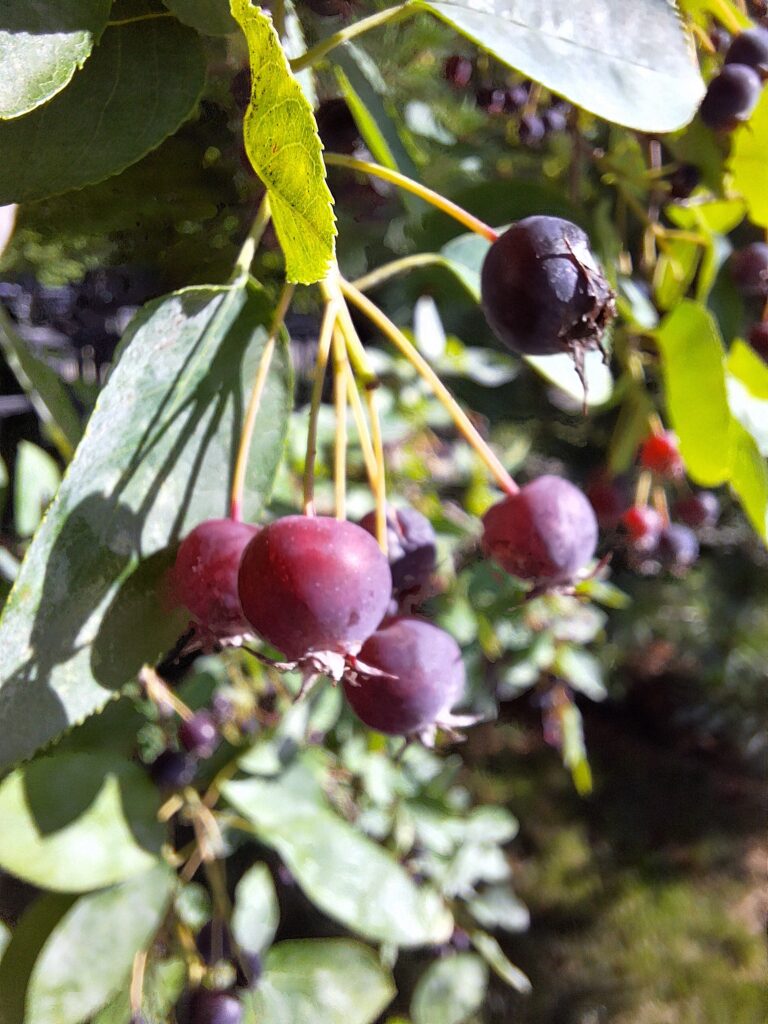
Native plants provide essential food and shelter for pollinators, birds, and other wildlife. For example, species like milkweed support monarch butterflies, while native shrubs such as serviceberry (Amelanchier canadensis) offer berries for birds.
Climate Resilience
Southern Ontario experiences fluctuating weather patterns, from hot summers to cold winters. Native plants are naturally equipped to handle these extremes, reducing the risk of plant loss and soil erosion.
Spotlight on White Oak (Quercus alba)
Among the many native species, white oak (Quercus alba) deserves special recognition. This majestic tree is a cornerstone of southern Ontario’s natural heritage. Here’s why it’s worth considering for your property:
- Longevity and Strength: White oaks can live for centuries, providing shade and beauty for generations.
- Wildlife Support: Its acorns are a vital food source for birds, deer, and small mammals. The tree also hosts hundreds of species of caterpillars, making it a keystone for local ecosystems.
- Adaptability: White oak thrives in well-drained soils and tolerates a range of conditions, making it an excellent choice for larger landscapes. Although we refer to well drained soils, they can be subject to “seasonal flooding”. In other words near streams, rivers, ponds, etc., is where you may find this beauty in the wild.
Planting a white oak is more than a design decision—it’s an investment in the future of your landscape and the environment.
Other Native Plant Suggestions
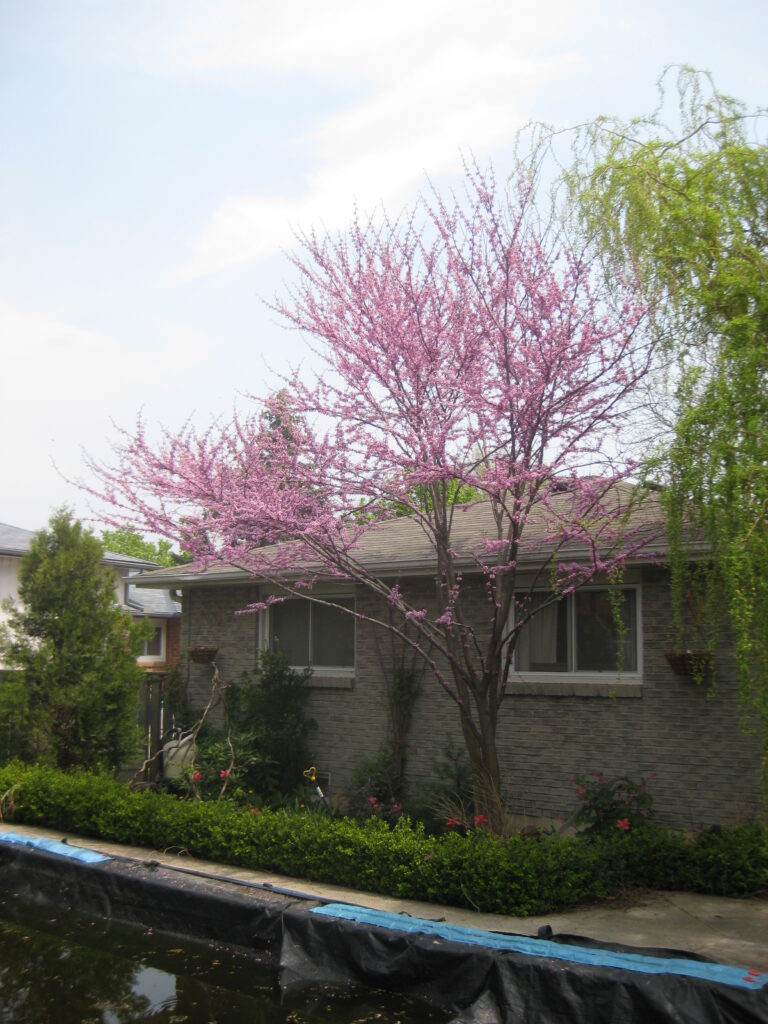
- Eastern Redbud (Cercis canadensis): Stunning pink flowers in spring.
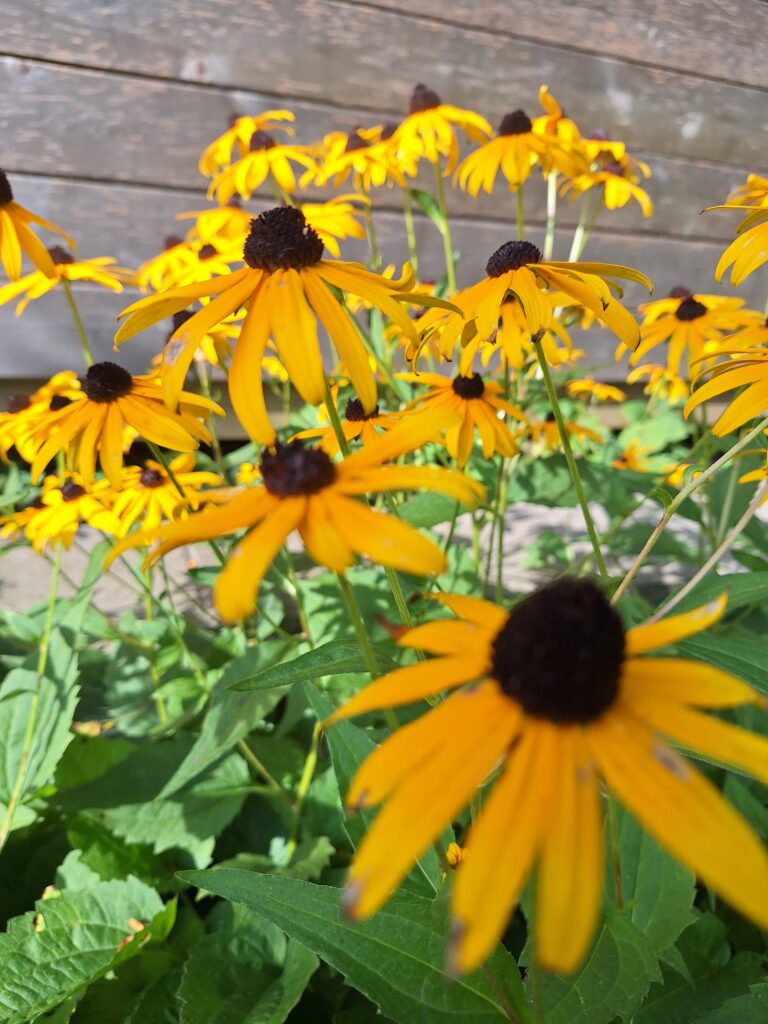
- Black-eyed Susan (Rudbeckia hirta): Bright, cheerful blooms that attract pollinators.
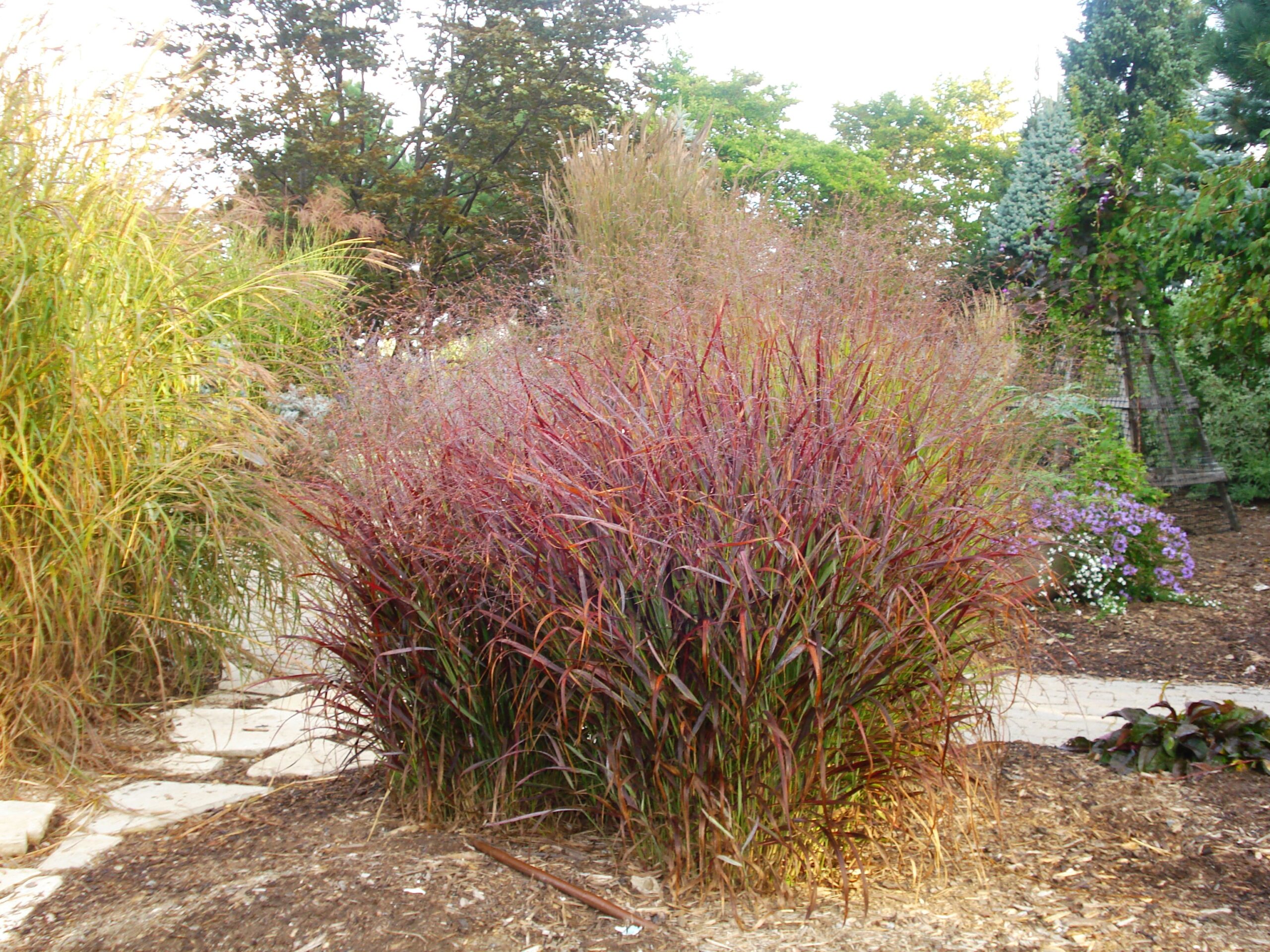
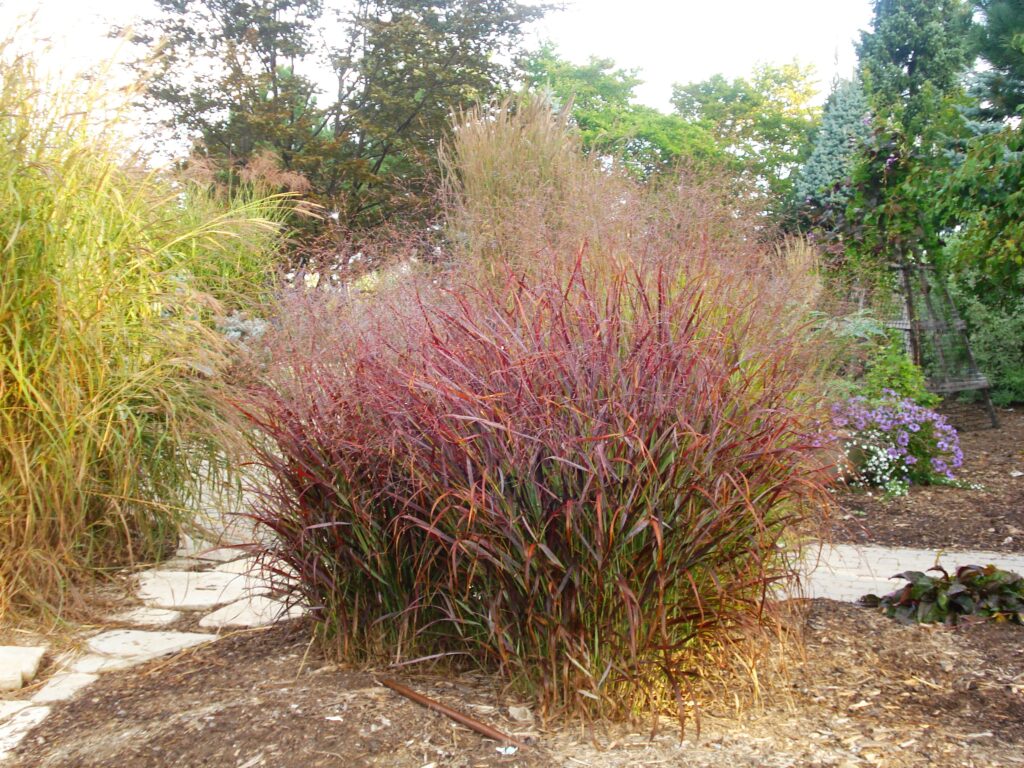
- Switchgrass (Panicum virgatum): Adds texture and movement to gardens while improving soil health.
Start Small, Think Big
Even if you begin with a few native perennials or shrubs, you’re contributing to a healthier ecosystem. Over time, these plants will reward you with beauty, resilience, and the satisfaction of knowing your landscape is part of a larger environmental solution.
Here are some Resources for Native Plants in Southern Ontario
- Ontario Native Plant Council – https://onplants.ca
A great source for native plant information and suppliers. - Credit Valley Conservation – Native Plant Lists – https://cvc.ca
Offers detailed guides for native plants suited to different conditions. - Grow Me Instead Guide (Ontario Edition) – https://landscapeontario.com/grow-me-instead
A practical guide to replacing invasive species with native alternatives. - Native Plant Finder (National Wildlife Federation) – https://www.nwf.org/NativePlantFinder
Helps you find plants that support local pollinators and wildlife.
Have questions or want help selecting the right native plants for your property?
Reach out to me at matt@verdantlandscaping.ca or call 905-299-9403. Let’s create a landscape that works with nature—not against it.