Most people don’t think about their lawn until spring. That’s when they see brown spots, weeds, and thin grass left over from winter, and try to fix the problems.
But by that time, it’s often too late to get the best results.
How your lawn looks next May mostly comes down to what you do for your soil this fall. The steps you take, or skip, between September and November will show up in your grass six months later.
Why fall is more important than spring
As fall begins, the grass looks like it’s shutting down. The blades stop growing, green fades, and everything above the soil slows.
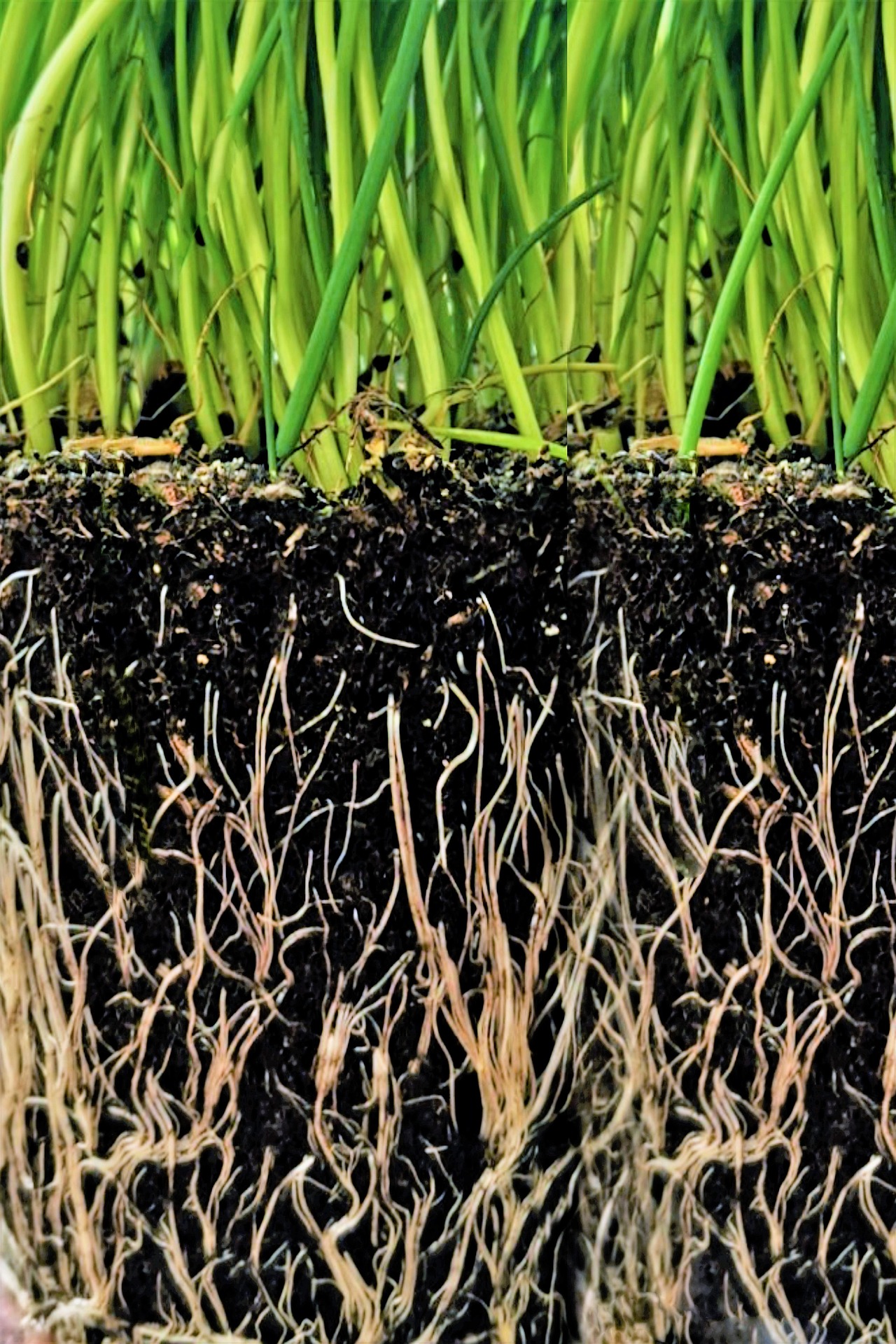
But beneath the surface, real work is happening.
Underground, roots remain active into the fall. They store, build, and prepare for winter.
The work happening underground in October affects how quickly and fully your lawn recovers in spring.
If you skip lawn care in the fall, you miss the most important time for your grass.
While your grass rests, weeds don’t
While your grass stores energy for spring, weeds do the same, only more aggressively.
Cool-season weeds like chickweed, clover, and creeping Charlie thrive in fall weather. The mild temperatures and moisture help them spread, set seed, and grow deep roots before winter.
Those seeds don’t disappear in winter. They stay in your soil, waiting. When spring arrives and the weather warms up, they sprout before your grass can recover. By May, they’re already ahead.
That’s why using a weed removal service in Burlington during the fall stops the problem before it starts, instead of just reacting in spring. Pre-emergent treatments in fall prevent weed seeds from sprouting. Post-emergent treatments kill weeds that are still growing, making them easier to control.
If you wait until spring, weeds already have a head start.
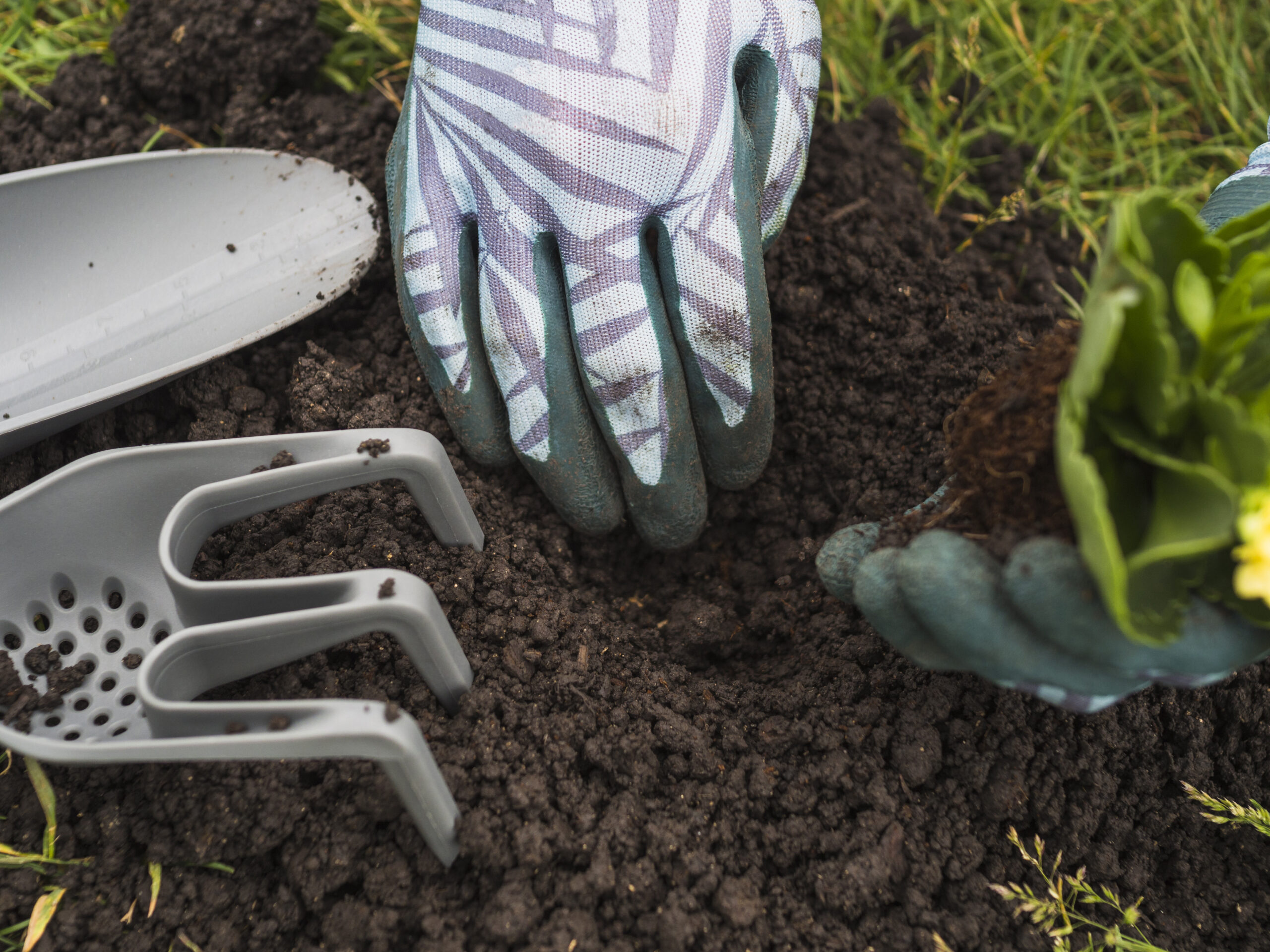
Don’t just clean up. Feed your soil. Here’s how.
Aeration: Summer foot traffic and heat can compact your soil, blocking water, air, and nutrients from reaching the roots. Core aeration removes small plugs of soil and loosens things up. Fall is the best time for this because the soil is still warm and roots recover quickly.
Fertilize for roots, not just leaves: A fall fertilizer high in potassium helps build strong roots instead of just making the grass grow taller. Strong roots help your lawn green up faster in spring and handle summer drought and heat better.
Clear away leaf debris: If you leave a thick layer of leaves on your lawn, it traps moisture and blocks sunlight. This can cause fungal diseases to spread during winter. Mulch the leaves with your mower or rake them up. Don’t let leaves pile up.
What you skip in fall, your lawn pays for in spring
Many people stop thinking about their lawn after September and don’t look at it again until April.
By April, the weed seeds that landed in fall have already started growing. Thin spots that needed care are now filled with chickweed. Soil that needed aeration has only become more compacted over the winter.
A weed removal service in Hamilton that works in the fall tackles the problem at its source, in the soil, before winter arrives. This is fundamentally different from spring treatments that try to fix six months of weed growth.
What a fall treatment actually delivers
One fall treatment stops the whole weed cycle from repeating.
It keeps this year’s weeds from setting seed, kills the roots of perennial weeds that would come back stronger next year, and helps your grass recover faster in spring so it can crowd out new weeds before they take over.
A weed removal service in Milton that treats your lawn in the fall isn’t just working for this season. It’s preparing your lawn for next spring, when the treatment is most effective and lasts the longest.
Fall decides your May lawn
The lawn you want for May starts in September. Skip fall care, and May will reveal the cost.
If your lawn looks green in spring but gets weedy by summer and thin by fall, year after year, the problem isn’t your spring care. It’s what’s missing right now.
Whether you need a weed removal service in Burlington, a weed removal service in Hamilton, or a weed removal service in Milton, Verdant has fall treatment programs that stop next spring’s weed problems before they begin.
Contact Verdant for a free quote before the season ends.