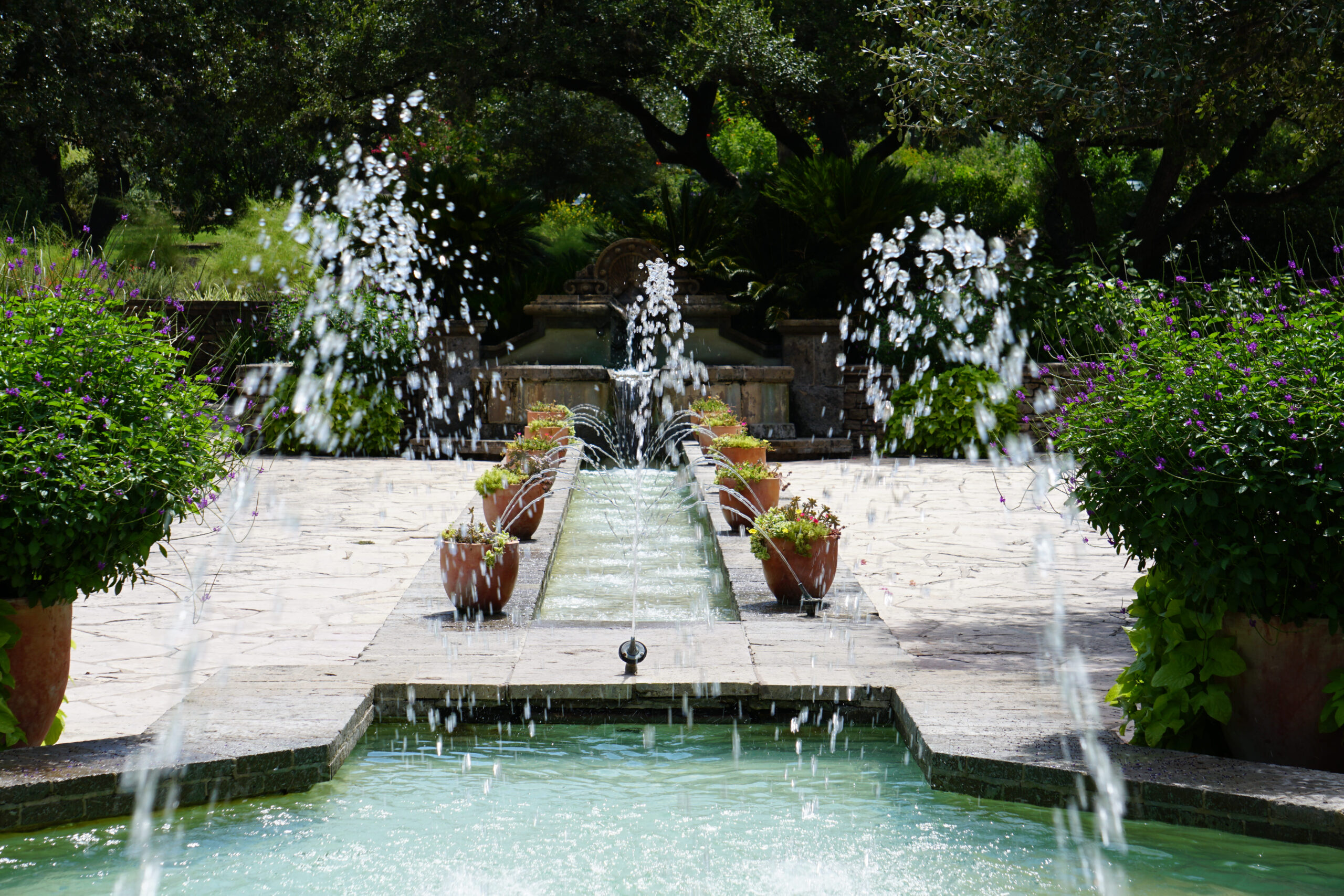
Water features for gardens can transform any outdoor space into a calm and inviting area. A fountain, pond, or waterfall not only adds beauty but also creates soothing sounds. However, installing these features requires care. Many homeowners make mistakes that reduce their impact or cause long-term problems. Avoiding these common errors ensures your garden water features last longer and look better.
- Ignoring Proper Planning
One of the biggest mistakes is starting without a clear plan. Outdoor water features need space, sunlight, and access to electricity. Not thinking about placement can result in a feature that overwhelms the area or does not fit with the garden design. Measure your space and imagine how the feature will look from different angles before installation. - Choosing the Wrong Type of Feature
Not every water feature fits every garden. Large ponds may look beautiful but require significant maintenance. Small fountains can be charming but may seem out of place in a large yard. Consider your garden size and maintenance capacity. Picking the wrong feature can lead to frustration and wasted money. - Overlooking Maintenance Requirements
Water features need regular care. Ignoring cleaning, filter changes, or water treatments leads to algae, mosquitoes, and bad smells. Even garden water features that seem simple require occasional upkeep. Understand the maintenance needs before choosing a feature. - Poor Water Circulation
A common issue is insufficient water flow. Pumps that are too small or improperly installed cause stagnation. Stagnant water attracts pests and can damage the system. Make sure your pump matches the size and type of your outdoor water features. - Neglecting Safety Concerns
Water can be a hazard, especially if children or pets are present. Failing to install safety barriers or covers increases the risk of accidents. Even small water features need supervision and safety planning to prevent injuries. - Ignoring the Surrounding Environment
Your water feature does not exist in isolation. Plant debris, soil erosion, or uneven ground can affect its performance. Make sure the area around the feature is clear and stable. Using landscaping fabric or stones can help reduce problems. - Using Poor-Quality Materials
Cheap materials may save money initially but can fail quickly. Pumps, liners, and decorative stones should be high quality to withstand outdoor conditions. Investing in quality ensures your feature lasts for years. - Skipping Professional Advice
Many people attempt to install water features without guidance. Even small errors in installation can cause leaks or pump failure. Consulting a professional or at least researching thoroughly online prevents costly mistakes. - Forgetting Seasonal Changes
Weather changes affect water features. In colder climates, water can freeze and damage pumps or pipes. In hot climates, evaporation can lower water levels quickly. Plan for seasonal care to keep your feature functional year-round. - Poor Lighting Choices
Lighting enhances water features at night but can be overdone or placed incorrectly. Too bright or uneven lighting can ruin the natural effect. Subtle, well-placed lights highlight the water without overpowering the garden. - Not Considering Noise Levels
Some water features create more sound than expected. High waterfalls or fountains may be too loud for a relaxing garden. Test the sound level before final installation. Noise should be soothing, not overwhelming. - Forgetting About Energy Costs
Pumps and lighting consume electricity. Not accounting for energy use can result in higher bills than expected. Choose energy-efficient pumps and LED lights to keep costs manageable.
Conclusion
Water features for gardens add charm, peace, and style, but mistakes can reduce their benefits. Proper planning, correct placement, regular maintenance, and high-quality materials make the difference. Paying attention to safety, seasonal changes, and energy costs ensures your feature remains a joy for years. Take time to plan and research to make the most of your garden water features.