When it comes to reliable evergreen shrubs, few plants have stood the test of time like Taxus × media ‘Hillii’, commonly known as Hills Yew or Hicks Yew. This elegant conifer offers year-round structure, rich green foliage, and remarkable versatility in both residential and commercial landscapes. Whether planted as a formal hedge, privacy screen, or specimen shrub, Hills Yew continues to be a favorite among landscape designers and gardeners alike.
Origins of Hills Yew
Taxus × media is a hybrid yew developed from a cross between the Japanese yew (Taxus cuspidata) and the English yew (Taxus baccata). Plant breeders sought to combine the cold hardiness of Japanese yew with the dense growth and refined appearance of English yew.
‘Hillii’ is a male cultivar selected for its upright growth habit and lack of fruit production. Because it is male, it does not produce the bright red berries commonly associated with some yew varieties. This characteristic can be desirable in managed landscapes where berry drop is unwanted.
What Does Hills Yew Look Like?
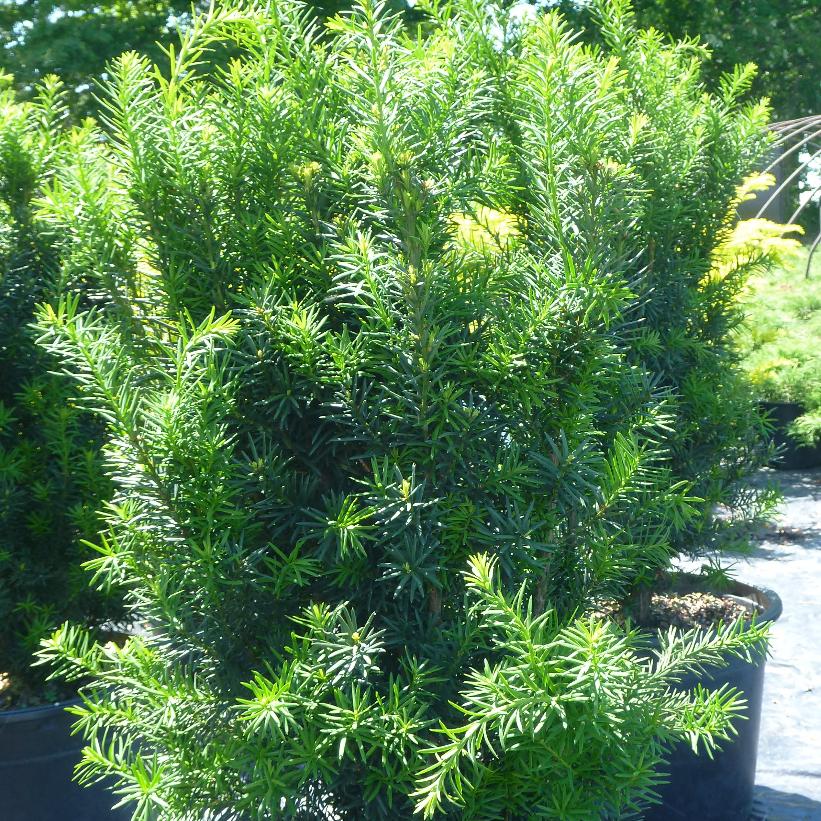
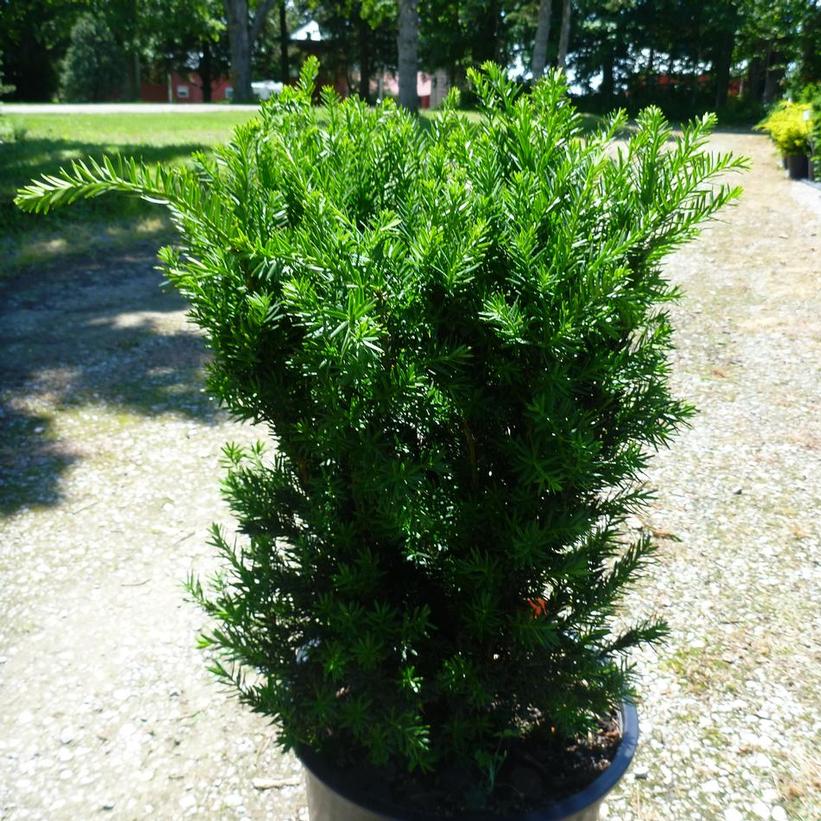
Hills Yew develops a dense, columnar to broadly upright form with soft, dark green needles that retain their color throughout the year. Unlike many evergreens that become sparse with age, Hills Yew maintains a full appearance when properly maintained.
Typical characteristics include:
- Mature height: 6 to 10 feet (1.8 to 3 metres)
- Mature spread: 3 to 5 feet (0.9 to 1.5 metres)
- Growth rate: Moderate
- Foliage: Dark green needles
- Form: Upright and dense
- Evergreen: Yes
Its naturally formal appearance makes it particularly useful in structured landscapes and traditional garden designs.
Landscape Uses for Hills Yew
One of the reasons Hills Yew remains popular is its incredible flexibility in the landscape.
Privacy Hedges
Hills Yew is often planted in rows to create dense evergreen privacy screens. Its upright habit allows it to provide screening without consuming excessive garden space.
Foundation Plantings
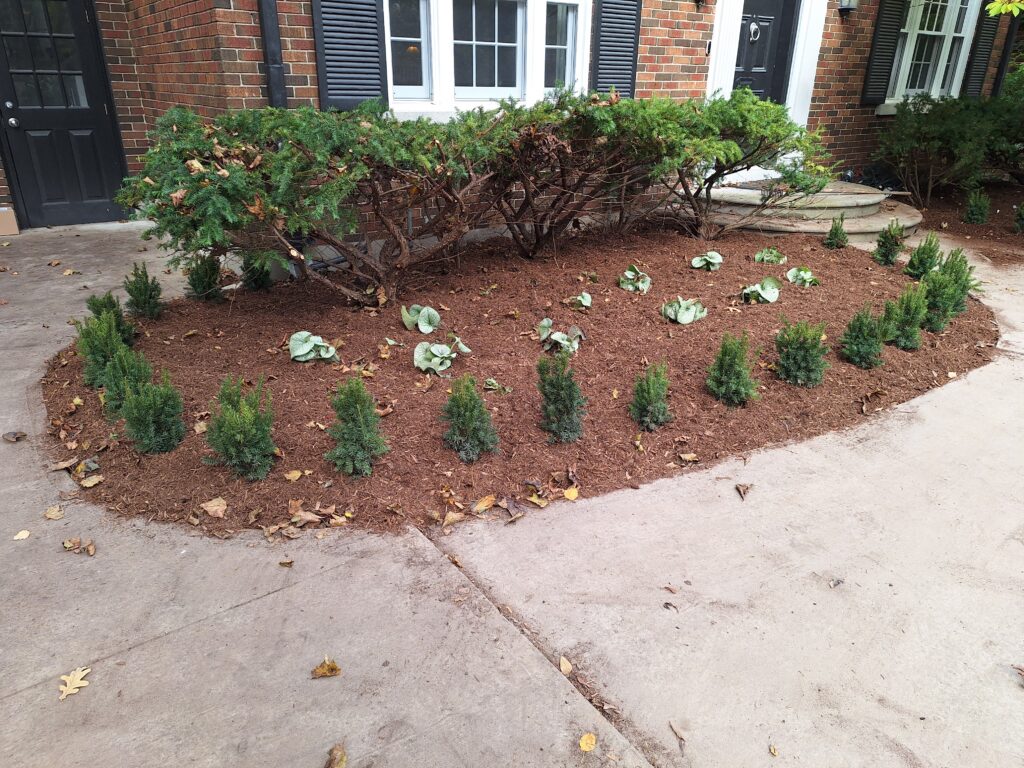
The shrub’s tidy appearance complements homes and commercial buildings. It can soften architectural lines while providing year-round greenery.
Formal Gardens
Hills Yew responds exceptionally well to pruning and shaping, making it a favorite for formal hedges, geometric designs, and garden rooms.
Mixed Shrub Borders
Its dark green foliage creates an excellent backdrop for flowering shrubs, perennials, and ornamental grasses.
Shade Gardens
Unlike many evergreens, Hills Yew tolerates substantial shade, making it an excellent choice for challenging locations under mature trees or on the north side of buildings.
Growing Conditions
Hills Yew is adaptable but performs best when its basic growing requirements are met.
Sunlight
- Full sun to full shade
- Best growth occurs in partial sun
- Excellent shade tolerance compared to most evergreen shrubs
Soil
- Well-drained soil is essential
- Prefers fertile, organic-rich soils
- Tolerates clay soils better than many conifers if drainage is adequate
Moisture
- Requires consistent moisture during establishment
- Moderately drought tolerant once mature
- Does not tolerate prolonged waterlogged conditions
Poor drainage is often the leading cause of decline or death in yews.
Care and Maintenance
One of the greatest advantages of Hills Yew is its relatively low maintenance requirements.
Pruning
Yews are unique among conifers because they can regenerate from old wood. This means they tolerate significant pruning and rejuvenation.
Pruning tips:
- Trim annually for formal hedges
- Light shaping can be performed in late spring or early summer
- Older plants can be rejuvenated through selective branch removal
Fertilizing
In most landscapes, Hills Yew requires little supplemental fertilizer. An application of compost or a balanced slow-release fertilizer in spring can support healthy growth if soil fertility is low.
Mulching
Apply a layer of organic mulch around the root zone to:
- Retain moisture
- Moderate soil temperatures
- Reduce weed competition
- Improve soil quality over time
Keep mulch away from direct contact with the stems.
Common Pests and Problems
Although generally considered a durable shrub, Hills Yew is not completely pest free.
Black Vine Weevil
One of the most significant pests of yew is the black vine weevil. Adult weevils feed on foliage, producing distinctive notched leaf margins, while larvae can damage roots and potentially kill plants.
Scale Insects
Scale insects occasionally infest yews, sucking sap from stems and foliage. Heavy infestations may cause yellowing and reduced vigor.
Spider Mites
During hot, dry weather, spider mites may become problematic. Symptoms include stippled foliage and an overall dull appearance.
Winter Burn
In exposed locations, winter winds and intense winter sun can cause needle browning. Proper watering in autumn and protection from drying winds can reduce damage.
Root Rot
Excessively wet soils may lead to root diseases that cause yellowing foliage, branch dieback, and plant decline.
Is Hills Yew Deer Resistant?
Many gardeners assume yews are deer resistant, but this is not always the case. In regions with high deer populations, yews are often heavily browsed, especially during winter when food sources are limited.
If deer pressure is significant, protective fencing or repellents may be necessary.
Safety Considerations
While Hills Yew is valued for its beauty, gardeners should be aware that nearly all parts of the plant are considered toxic if ingested by humans, pets, or livestock. Care should be taken when planting around areas frequented by grazing animals.
Why We Still Choose Hills Yew
Landscape trends come and go, yet Hills Yew remains a staple in professional landscape design. Its adaptability, longevity, shade tolerance, and response to pruning make it one of the most dependable evergreen shrubs available.
Whether you’re creating a formal hedge, screening a neighboring property, or adding year-round structure to a mixed border, Taxus × media ‘Hillii’ continues to prove why it has earned a place in landscapes across Canada and North America.
With proper siting and care, this rugged evergreen can provide decades of beauty, privacy, and reliable performance in the garden.