A Classic Evergreen With Deep Roots in Canadian Horticulture
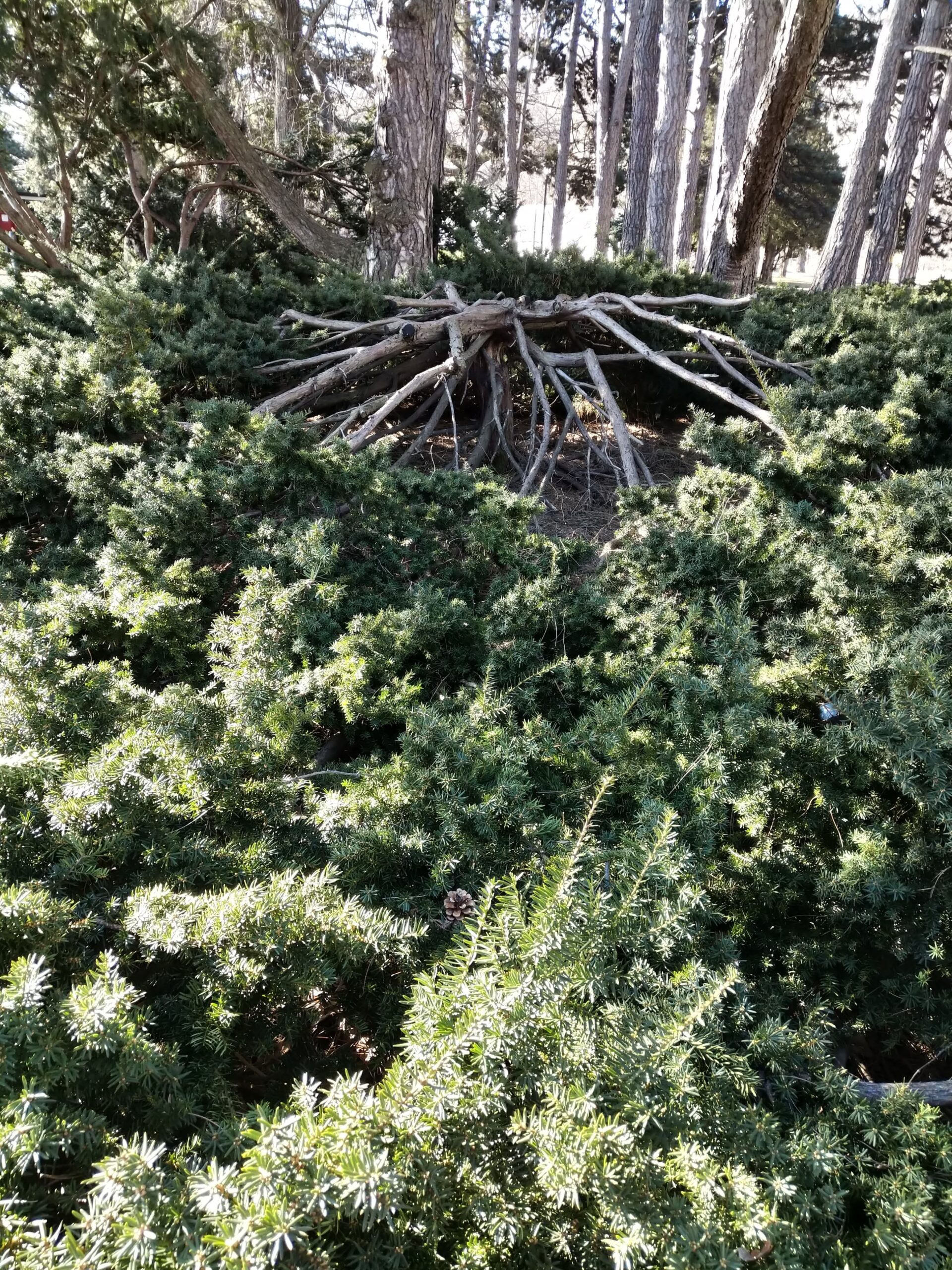
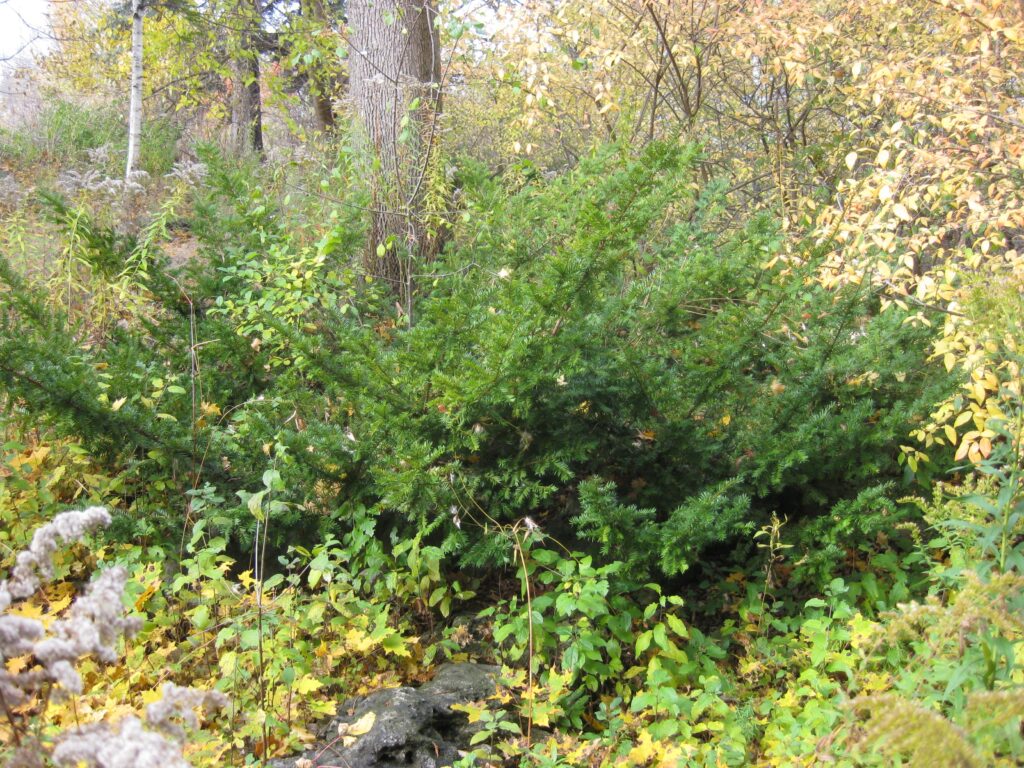
Taxus × media ‘Densiformis’, commonly known as the Dense Yew, has been a cornerstone plant in the Canadian landscape for over half a century. From university campuses to mid‑century residential neighbourhoods, you’ll find countless mature specimens still thriving today.
Its popularity soared in the 1950s and 60s as horticulturists searched for evergreens that combined:
- Cold hardiness
- Shade tolerance
- Adaptability to pruning
- Compact, tidy form
Landscape architects loved it. Gardeners loved it.
And Canadian winters couldn’t defeat it.
What “× media” Means (And Why It Matters)
The “×” in Taxus × media indicates a hybrid species.
🌱 Parentage
Taxus × media is a cross between:
- Taxus cuspidata (Japanese Yew) – brings cold hardiness
- Taxus baccata (English Yew) – brings lush foliage and classic form
So media means you’re getting the best of both worlds—a plant refined through intentional breeding.
‘Densiformis’ is one of the most successful and widely planted cultivars from this hybrid group, valued for its dense, spreading, evergreen form.
Why ‘Densiformis’ Became a Staple in Canadian Landscapes
This shrub checks almost every box a landscape designer could hope for:
✔️ Cold Hardy
Performs reliably through harsh Canadian winters.
✔️ Shade Tolerant
Thrives where many evergreens fail.
✔️ Dense, Compact Habit
Stays low and full, making it ideal for structured designs.
✔️ Prune‑Friendly
Handles shaping extremely well—formal or natural.
✔️ Long‑Lived
A plant you put in the ground once and enjoy for decades.
These traits made it an industry favourite for commercial sites, residential foundations, institutional landscapes, and everywhere in between.
How to Use Taxus × media ‘Densiformis’ in the Landscape
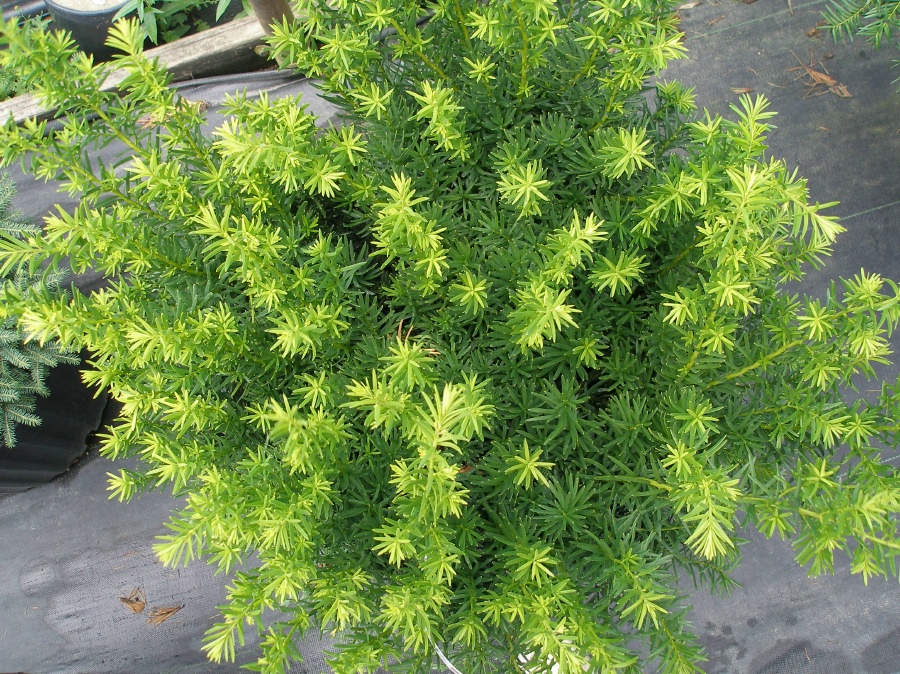
This shrub is incredibly versatile and plays multiple roles in good design.
Best Uses
- Foundation planting (one of the best evergreen choices)
- Mass plantings for year‑round structure
- Low hedging
- Entryway plantings
- Understory evergreen in shade gardens
- Evergreen backdrop for perennials and flowering shrubs
Design Tip
Because it’s low, dense, and dark green, ‘Densiformis’ makes a perfect contrast plant—pair it with variegated shrubs, ornamental grasses, or bright‑flowering perennials.
Quick & Interesting Facts
- Partially deer‑resistant: Like most yews, deer nibble selectively but tend to avoid established plants.
- Long lifespan: Many specimens exceed 40–50 years in Canadian gardens.
- Urban tolerant: Handles pollution better than many broadleaf evergreens.
- Low maintenance: As long as drainage is good, it thrives with very little intervention.
- Not salt tolerant: Avoid planting near salted roads or sidewalks.
Have Thoughts or Questions? We’d Love to Hear From You.
If you’ve worked with Taxus × media ‘Densiformis’, or you’re thinking about adding it to your landscape, drop your comments or questions below—I always enjoy hearing from fellow plant lovers and homeowners.
🌿 Looking for help designing your garden? I offer FREE landscape consultations. Let’s create something beautiful together.