Planning a new patio, walkway, or driveway involves more than picking a color. Your choice of material affects durability, maintenance, and the overall feel of your outdoor space. Concrete, brick, and natural stone each have unique benefits and trade-offs. Knowing the details helps you choose wisely.
Concrete Pavers
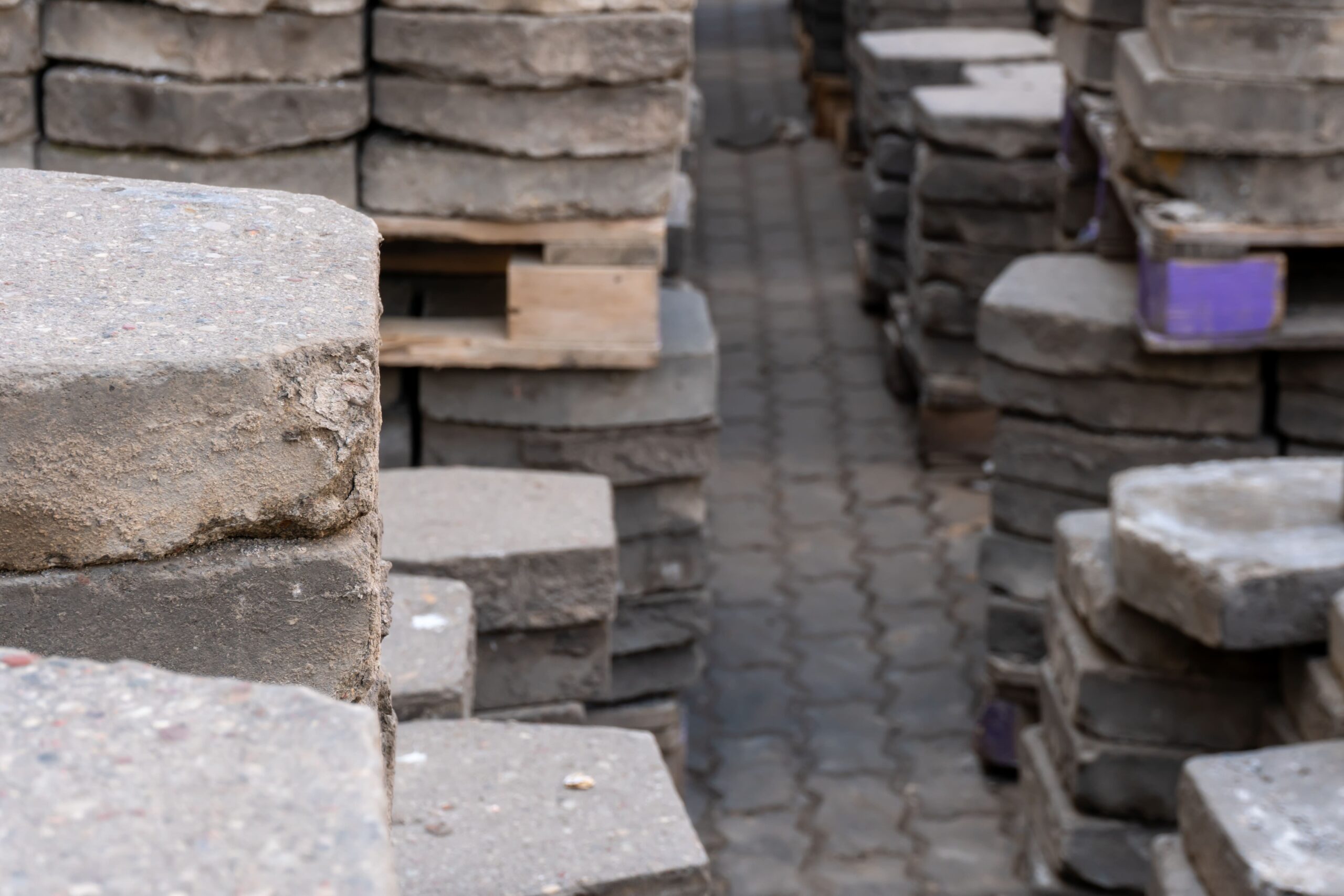
Concrete pavers are made by molding a mix of cement, sand, and gravel. They can be shaped into many patterns and colors, even imitating brick or stone.
Why Choose Concrete:
- Versatility: Shapes, sizes, and textures can match modern or classic designs.
- Durable: Withstands heavy loads, foot traffic, and seasonal weather changes.
- Easy Repairs: Damaged pavers can be replaced individually without disturbing the whole area.
Things to Keep in Mind:
- Color Changes: Exposure to sunlight may fade some colors over time.
- Regular Cleaning: Requires occasional power washing and joint refilling.
Concrete is practical and flexible, ideal for homeowners who want a custom look without extreme costs.
Brick Pavers
Brick pavers are made from clay and baked at high temperatures. Their rich, natural colors give a warm, timeless look.
Why Choose Brick:
- Classic Appearance: Perfect for paths, patios, or garden borders with traditional charm.
- Color Retention: The color runs through the brick, keeping it vibrant for decades.
- Low Maintenance: Occasional sweeping and rinsing are usually enough.
Considerations:
- Limited Color Options: Mostly reds, browns, and tans.
- Higher Cost: Clay bricks are more expensive than concrete.
- Chipping Edges: Can be prone to minor damage in high-traffic areas.
Brick works best for those wanting a traditional, long-lasting aesthetic that adds character to their outdoor space.
Natural Stone Pavers
Stone pavers are cut from quarried rock, including granite, slate, limestone, or flagstone. Each piece is unique, creating a natural, premium look.
Why Choose Stone:
- Unique Look: No two stones are alike, giving your yard a distinct appearance.
- Extreme Durability: Stone withstands heavy use and weather without losing strength.
- Increases Property Value: Premium material that makes a strong impression.
- Safe Surface: Natural texture helps prevent slipping on wet surfaces.
Considerations:
- Costly: Quarrying and installation require more investment.
- Skilled Installation Needed: Irregular shapes make placement more complex.
Stone is best for homeowners who want a high-end, long-lasting hardscape feature.
Local Considerations Matter
If you live in Milton, Hamilton, or Oakville, local climate and soil conditions affect how well pavers perform. Choosing experienced professionals in hardscaping services, including hardscaping services in Milton, hardscaping services in Hamilton, or hardscaping services in Oakville, ensures proper base preparation and long-term durability.
Installation Tips for Longevity
Even the best materials fail without proper installation:
- Excavate Deep Enough: Remove soil to fit base layers.
- Compact the Sub-Base: Use crushed stone or gravel to prevent shifting.
- Correct Grading: Slope away from structures to avoid water pooling.
- Level Sand Layer: Creates a smooth, stable bed for pavers.
Proper preparation avoids sinking pavers, weeds, and water damage, protecting your investment.
Making the Right Choice
Concrete offers flexibility, brick provides classic warmth, and stone delivers unmatched natural beauty. The best choice balances budget, style, and maintenance needs.
Partnering with a trusted local company offering hardscaping services in Milton, Hamilton, or Oakville helps you select materials, design patterns, and complete the project professionally. Your outdoor space will look better and last longer.