Few roses have captured the hearts of gardeners quite like Rosa ‘Julia Child’. Known for its abundant clusters of buttery-yellow flowers, delightful fragrance, and exceptional disease resistance, this floribunda rose has become a favourite in gardens across North America. Whether you’re creating a cottage garden, enhancing a mixed border, or looking for a reliable rose for containers, ‘Julia Child’ delivers season-long beauty with relatively little maintenance.
Origins and History
Introduced in 2004 by renowned rose breeder Tom Carruth, ‘Julia Child’ was named in honour of the beloved American chef and television personality Julia Child. The story goes that Julia herself admired the rose’s rich butter-yellow colour, which reminded her of one of her favourite cooking ingredients.
The cultivar’s official name is Rosa ‘WEKvossutono’, but it is commonly sold as ‘Julia Child’.
In 2006, it received the prestigious All-America Rose Selections (AARS) award, recognizing its outstanding garden performance, floriferous nature, fragrance, and resistance to disease.
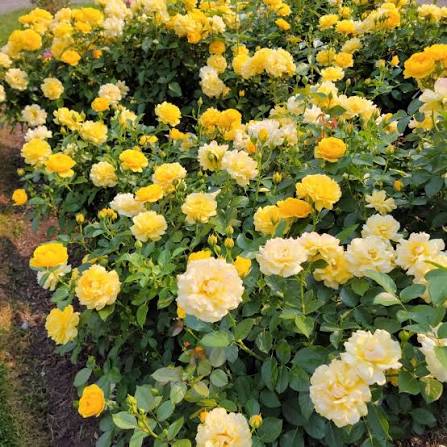
Plant Description
‘Julia Child’ is a compact floribunda rose that typically grows:
- 60–90 cm (2–3 ft.) tall
- 60–90 cm (2–3 ft.) wide
- With a rounded, bushy growth habit
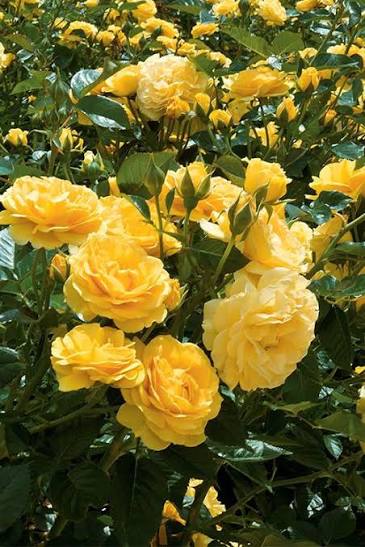
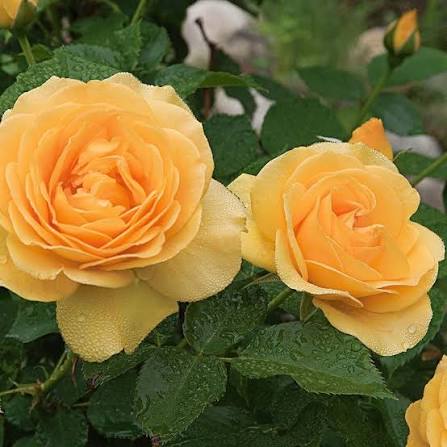
The fully double flowers feature:
- Rich buttery-yellow petals
- 25 to 40 petals per bloom
- A nostalgic, old-fashioned shape
- A strong fragrance often described as licorice, clove, or sweet spice
Unlike many yellow roses that fade in strong sunlight, ‘Julia Child’ generally retains its warm golden colour throughout the bloom period.
One of its greatest strengths is its ability to flower continuously from late spring until frost, producing waves of blooms throughout the growing season.
Landscape Uses
Mixed Borders
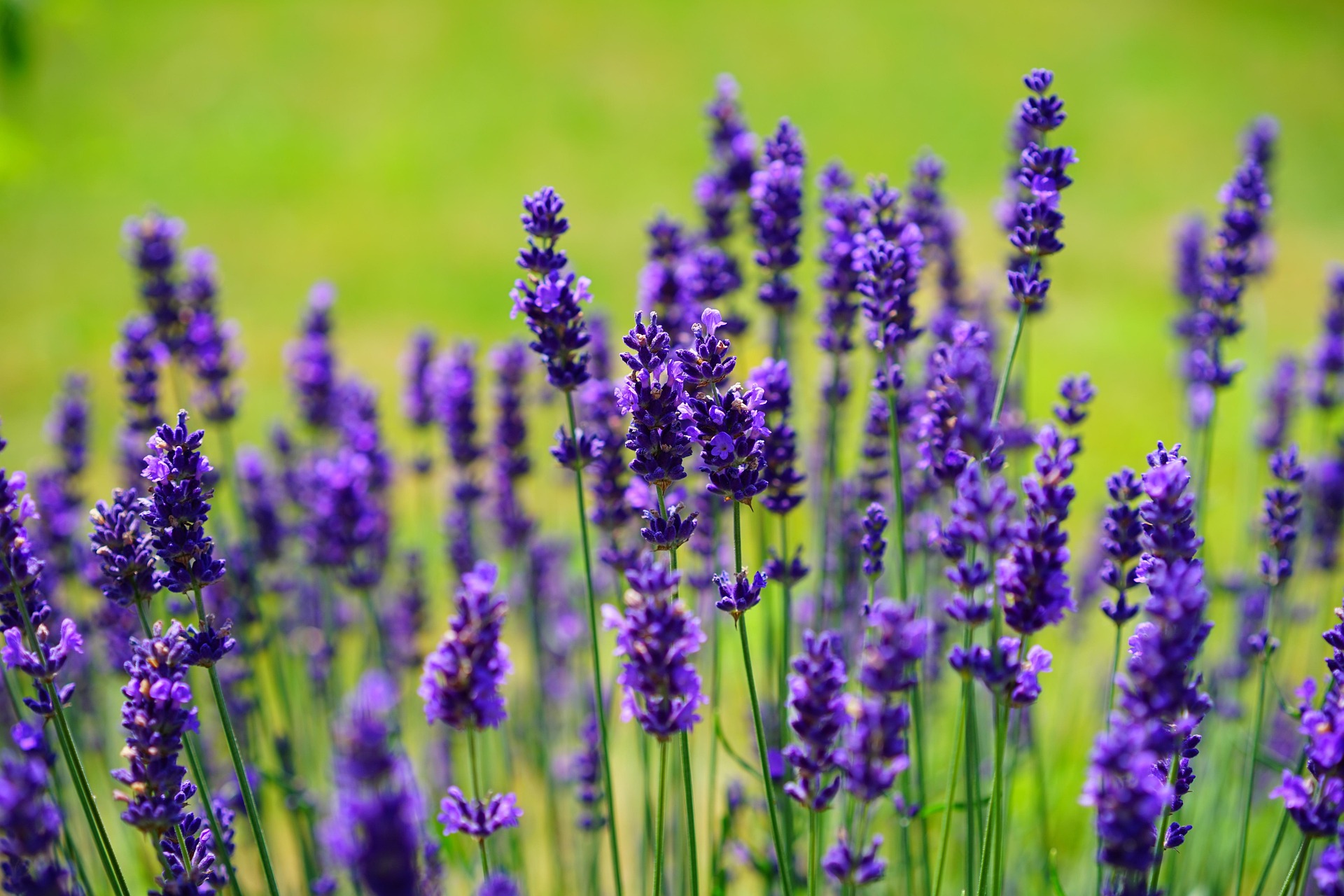
The compact size makes ‘Julia Child’ an excellent choice for perennial borders. Its warm yellow flowers complement blue, purple, and silver-foliaged plants beautifully.
Companion plants include:
- Lavender
- Catmint (Nepeta)
- Salvia
- Russian Sage
- Geranium
- Allium
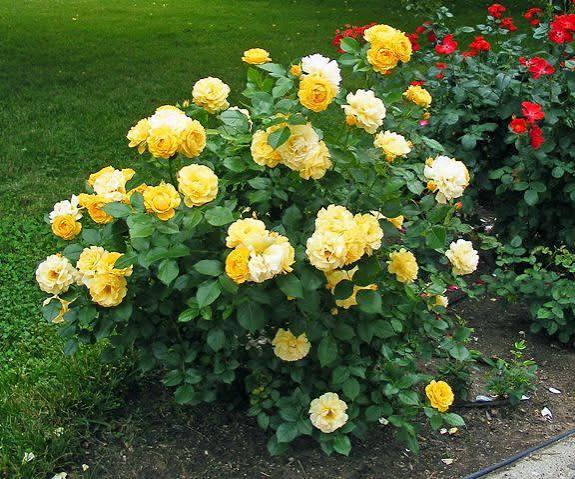
Cottage Gardens
The old-fashioned flower form and strong fragrance make it a natural fit for cottage garden designs.
Foundation Plantings
Its tidy habit allows it to be planted near entrances, patios, and walkways where the fragrance can be appreciated up close.
Container Gardening
Because of its moderate size and excellent repeat blooming, ‘Julia Child’ performs exceptionally well in large containers and decorative patio pots.
Pollinator Gardens
The flowers attract bees and other beneficial pollinators throughout the growing season.
Growing Conditions and Care
Sunlight
For best performance, plant ‘Julia Child’ in:
- Full sun
- A minimum of six hours of direct sunlight daily
- Locations with good air circulation
Morning sun is particularly beneficial because it helps foliage dry quickly and reduces the risk of disease.
Soil
This rose prefers:
- Fertile, well-drained soil
- Soil rich in organic matter
- Slightly acidic soil with a pH between 6.0 and 6.5
Before planting, amend heavy soils with compost to improve drainage and soil structure.
Watering
Consistent moisture is important, especially during the first growing season.
General guidelines:
- Water deeply rather than frequently
- Allow the soil surface to dry slightly between waterings
- Avoid overhead watering when possible
A layer of mulch helps conserve moisture and regulate soil temperature.
Fertilizing
To maintain vigorous growth and continuous flowering:
- Apply a balanced rose fertilizer in early spring.
- Feed again after the first major flush of blooms.
- Continue light feeding through mid-summer.
- Stop fertilizing in late summer to allow the plant to prepare for winter.
Pruning
Prune in early spring before significant new growth begins.
Remove:
- Dead wood
- Damaged canes
- Crossing branches
- Weak growth
Deadheading spent blooms throughout the season encourages additional flowering.
Pests and Diseases
One of the reasons gardeners love ‘Julia Child’ is its impressive disease resistance. Compared to many traditional roses, it experiences relatively few problems.
Common Pests
Occasionally you may encounter:
- Aphids
- Spider mites
- Thrips
- Japanese beetles
- Rose slugs
Most infestations can be managed through regular monitoring, hand removal, strong water sprays, or insecticidal soap when necessary.
Potential Diseases
Although highly resistant, the plant can occasionally be affected by:
- Black spot
- Powdery mildew
- Rust
Proper spacing, good air circulation, and watering at the base of the plant help minimize disease pressure.
Winter Care
In colder Canadian regions:
- Apply mulch around the base after the ground freezes.
- Remove winter protection gradually in spring.
- Avoid heavy pruning in autumn.
Established plants are generally hardy and recover quickly each spring.
Why Gardeners Love ‘Julia Child’
The popularity of this rose stems from its combination of desirable traits:
- Continuous flowering
- Strong fragrance
- Rich yellow blooms
- Excellent disease resistance
- Compact growth habit
- Easy maintenance
- Outstanding landscape performance
For gardeners who have struggled with fussy hybrid tea roses, ‘Julia Child’ often proves that roses can be both beautiful and dependable.
Summary
Rosa ‘Julia Child’ is an award-winning floribunda rose celebrated for its buttery-yellow blooms, spicy fragrance, and exceptional disease resistance. Introduced by breeder Tom Carruth and named after the famous chef, this compact shrub produces abundant flowers from late spring until frost. Its versatility makes it ideal for borders, cottage gardens, foundation plantings, containers, and pollinator gardens. With full sun, well-drained soil, regular watering, and basic seasonal pruning, ‘Julia Child’ rewards gardeners with months of colour and fragrance while requiring far less attention than many traditional roses. For gardeners seeking a reliable, easy-care rose, ‘Julia Child’ remains one of the finest yellow floribundas available today.